
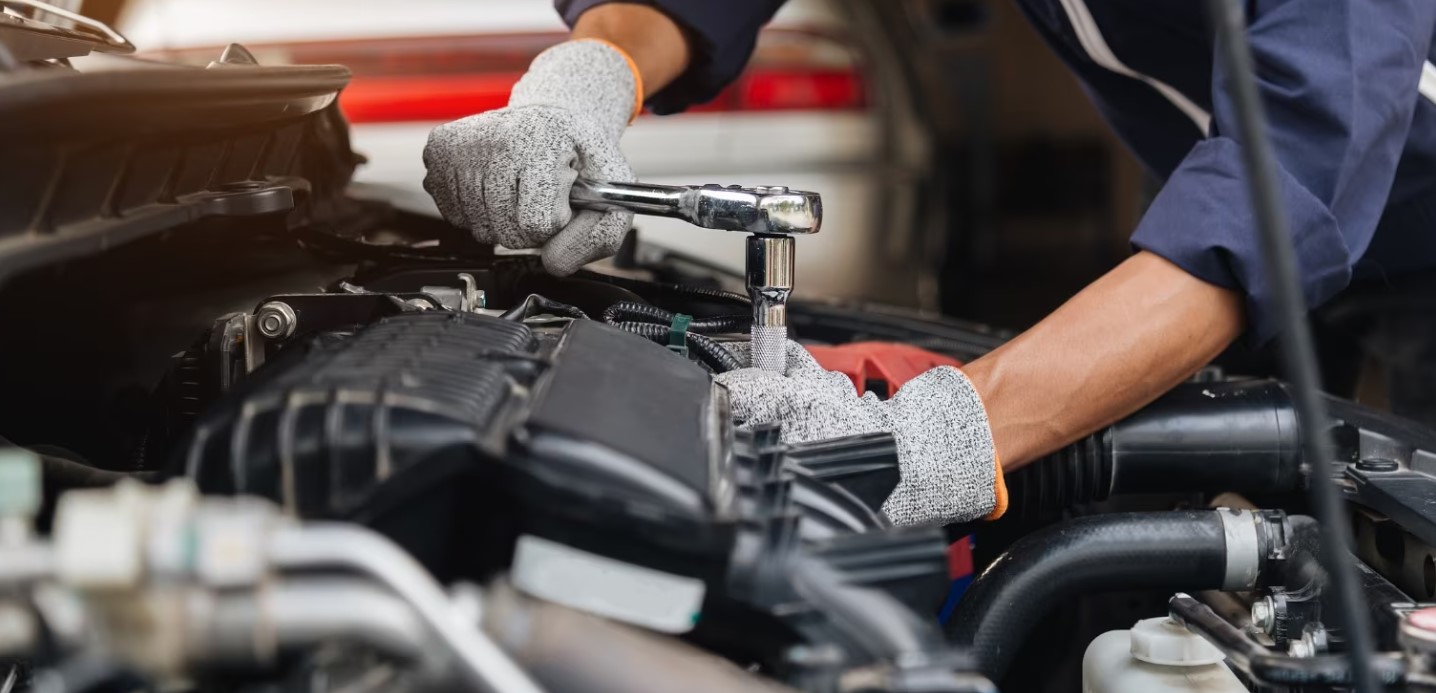
In the collective memory of the automotive world, a “tune-up” evokes images of a mechanic covered in grease, adjusting a carburetor with a screwdriver and gapping spark plugs by hand. However, as we move deeper into the decade of the software-defined vehicle, the definition of a vehicle tune-up has undergone a radical technological shift. Today, a tune-up is less about mechanical adjustments and more about data optimization, firmware updates, and sensor calibration.
The modern vehicle is essentially a high-performance computer on wheels, boasting millions of lines of code and a complex network of Electronic Control Units (ECUs). Consequently, the process of ensuring a vehicle runs at peak efficiency has transitioned from the physical realm into the digital one. This article explores the technological evolution of the vehicle tune-up, examining how software, artificial intelligence, and connectivity have redefined automotive maintenance.
The Evolution of Automotive Maintenance: Defining the Modern Tech Tune-Up
The fundamental goal of a tune-up remains the same: to restore a vehicle to its optimum operating condition. Yet, the tools used to achieve this have changed from analog gauges to sophisticated diagnostic interfaces. In the contemporary tech landscape, a tune-up is a multi-layered process that begins with a digital handshake between the vehicle and a diagnostic server.
Beyond Spark Plugs: The Role of the Engine Control Unit (ECU)
At the heart of every modern internal combustion engine—and even electric powertrains—is the ECU. This is the vehicle’s “brain,” responsible for managing the air-fuel ratio, ignition timing, and idle speed. In the past, these were mechanical constants. Today, they are variables controlled by algorithms.
A digital tune-up involves analyzing the data logs stored within the ECU to identify “misfire counts” or “fuel trim” deviations that aren’t yet severe enough to trigger a dashboard warning light. Technicians now use specialized software to “reflash” or update the ECU’s firmware. These updates can correct bugs that cause erratic idling or optimize the combustion cycle to meet new environmental standards, effectively tuning the engine’s performance through code rather than hardware replacement.
Diagnostic Software and the OBD-II Revolution
The gateway to the modern tune-up is the On-Board Diagnostics (OBD-II) port. While this technology has existed for decades, the sophistication of the software used to interpret its data has exploded. High-end diagnostic tools now utilize cloud-based databases to compare a specific vehicle’s telemetry against millions of other data points from the same model globally.
This comparative analysis allows for “predictive tuning.” Instead of waiting for a part to fail, the software identifies patterns in sensor voltage or response times that suggest a component is degrading. Modern tune-ups involve clearing stored fault codes, resetting “adaptation values” (which the car learns based on driving habits), and ensuring that the vehicle’s communication bus—the Controller Area Network (CAN bus)—is free of data collisions or latency issues.
The Software-Defined Vehicle: Tuning Up via Over-the-Air (OTA) Updates
Perhaps the most significant leap in automotive technology is the advent of the Software-Defined Vehicle (SDV). In this paradigm, the hardware is static, but the vehicle’s capabilities are dynamic and updatable via the internet. For many modern drivers, a “tune-up” no longer requires a trip to a service center; it happens while the car is parked in their garage overnight.
Cloud-Based Performance Optimization
Companies like Tesla, Rivian, and Lucid have pioneered the use of Over-the-Air (OTA) updates to perform digital tune-ups. These updates can recalibrate the regenerative braking system, optimize power distribution between front and rear motors, and even increase the total horsepower of the vehicle.
In a tech-centric tune-up, software engineers push “patches” that refine the thermal management algorithms of the battery pack. By adjusting how the coolant pumps respond to ambient temperature data, the software can extend the vehicle’s range and improve charging speeds. This is the ultimate expression of the modern tune-up: enhancing physical performance through iterative software improvements.
Cybersecurity Patches: The New Oil Change
In the age of connected cars, a tune-up must also address the vehicle’s digital integrity. As cars become part of the Internet of Things (IoT), they become vulnerable to cyber threats. A modern vehicle tune-up often includes the installation of security patches to protect the vehicle’s infotainment system and telematics from unauthorized access.
Ensuring that the vehicle’s firewall is up to date and that encrypted communication channels between the car and the manufacturer’s servers are functioning correctly is now a standard part of maintenance. Just as dirty oil once compromised an engine, “dirty” or outdated code can now compromise a vehicle’s safety and privacy.
Advanced Sensor Calibration and ADAS Maintenance
As vehicles incorporate more Advanced Driver Assistance Systems (ADAS), the “tune-up” has expanded to include the calibration of the vehicle’s sensory organs. Features like adaptive cruise control, lane-keep assist, and automatic emergency braking rely on a suite of cameras, radar, and LiDAR sensors.
Re-aligning the “Eyes” of the Vehicle: LiDAR and Radar
Physical changes to a vehicle—such as a new windshield, a minor bumper tap, or even a change in suspension height—can throw sensors out of alignment by fractions of a degree. In the tech world, a tune-up requires a process called “static and dynamic calibration.”
Technicians use laser-guided targets and specialized software to ensure the cameras and radar units are “seeing” the world accurately. If a camera is misaligned by even one millimeter, it could miscalculate the distance to a leading vehicle by several meters at highway speeds. Tuning these sensors is a highly technical process involving digital leveling and coordinate geometry, ensuring the AI-driven safety systems have the highest quality data input possible.
AI-Driven Predictive Maintenance
The integration of Artificial Intelligence (AI) into vehicle diagnostics is the next frontier of the tune-up. Modern vehicles are equipped with “digital twins”—virtual models that live in the cloud. As you drive, your vehicle sends data to this digital twin. AI algorithms analyze the data to predict when a specific component, like a high-pressure fuel pump or an electric motor bearing, is likely to reach its end-of-life.
A tune-up in this context is a proactive intervention. The system might notify the driver that a software recalibration is needed to compensate for physical wear on a component, thereby extending its life. This shift from reactive “fix-it” maintenance to AI-driven “optimize-it” maintenance defines the current technological era of automotive care.
Electric Vehicles and the Future of the Zero-Mechanical Tune-Up
The rise of Electric Vehicles (EVs) has led some to claim that the tune-up is dead. With no spark plugs, oxygen sensors, or fuel filters, the traditional checklist is indeed obsolete. However, the EV tune-up is simply more specialized and technologically dense.
Managing Battery Health Through Software
The most critical component of an EV is the battery chemistry. A tech-based tune-up for an EV focuses on “cell balancing.” Over time, individual cells within a battery pack can develop different states of charge. Sophisticated Battery Management Systems (BMS) use software to balance these cells, ensuring that no single cell is overstressed.
Technicians use diagnostic software to check the “State of Health” (SoH) of the battery. If the SoH is declining, a software tune-up can adjust the charging parameters—limiting the peak voltage during fast charging, for example—to preserve the longevity of the lithium-ion cells. This is a far cry from changing a fan belt, but it is the most vital maintenance task for a modern EV.
Thermal Management System Optimization
EVs rely heavily on complex liquid cooling and heating systems to keep the battery, inverter, and motor within narrow temperature windows. A modern tune-up involves running diagnostic cycles on the electric pumps and valves within this system. Technicians check the flow rates and sensor accuracy to ensure the thermal management system is operating at maximum efficiency. Any inefficiency here directly impacts the vehicle’s range and performance, making the digital optimization of these systems a core part of the modern service “tune-up.”
Conclusion: The Convergence of Automotive and IT
The concept of a “vehicle tune-up” has been completely reimagined by the rapid pace of technological innovation. It is no longer an oily, purely mechanical endeavor. Instead, it has become a sophisticated intersection of computer science, data analytics, and electronic engineering.
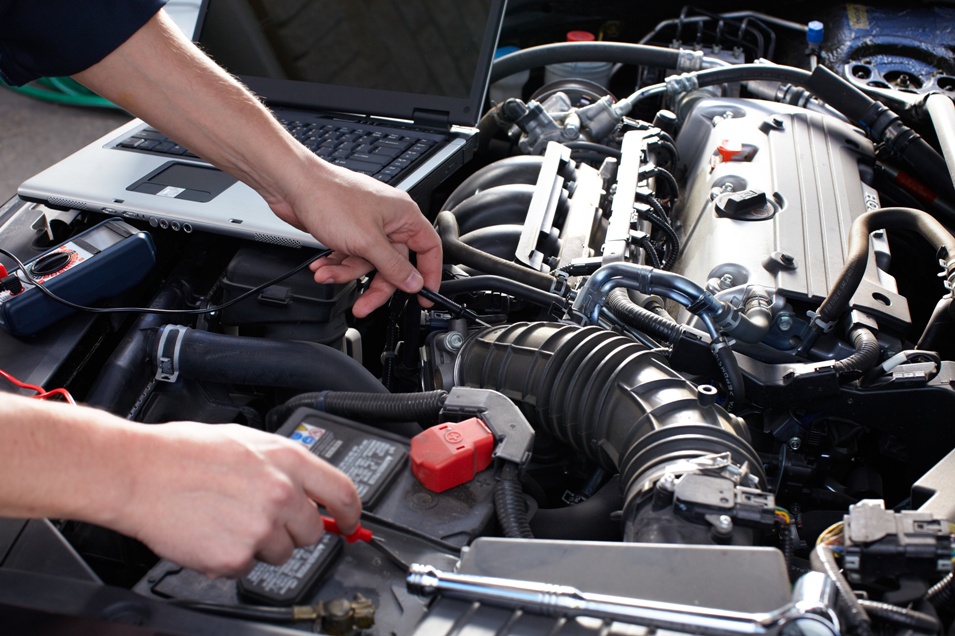
Today’s tune-up is about ensuring that the millions of lines of code governing a vehicle are optimized, that the sensors providing data to AI safety systems are perfectly calibrated, and that the firmware is updated to protect against both mechanical wear and digital threats. As we look toward a future of autonomous vehicles and even more integrated connectivity, the vehicle tune-up will continue to evolve, moving further away from the toolbox and closer to the laptop. For the modern technician and the tech-savvy owner, the goal remains the same: peak performance, but the path to achieving it is now paved with data.
aViewFromTheCave is a participant in the Amazon Services LLC Associates Program, an affiliate advertising program designed to provide a means for sites to earn advertising fees by advertising and linking to Amazon.com. Amazon, the Amazon logo, AmazonSupply, and the AmazonSupply logo are trademarks of Amazon.com, Inc. or its affiliates. As an Amazon Associate we earn affiliate commissions from qualifying purchases.