
In the landscape of modern prenatal care, the integration of technology has transformed the way expectant mothers monitor their health. One of the most critical metrics frequently discussed in both clinical and domestic settings is the maternal heart rate. Traditionally, a pregnant woman’s pulse was only measured during monthly or bi-weekly checkups. However, with the advent of high-precision wearables and AI-driven health platforms, the question “what is the normal pulse for a pregnant woman” is no longer answered by a single snapshot in a doctor’s office, but by a continuous stream of biometric data.

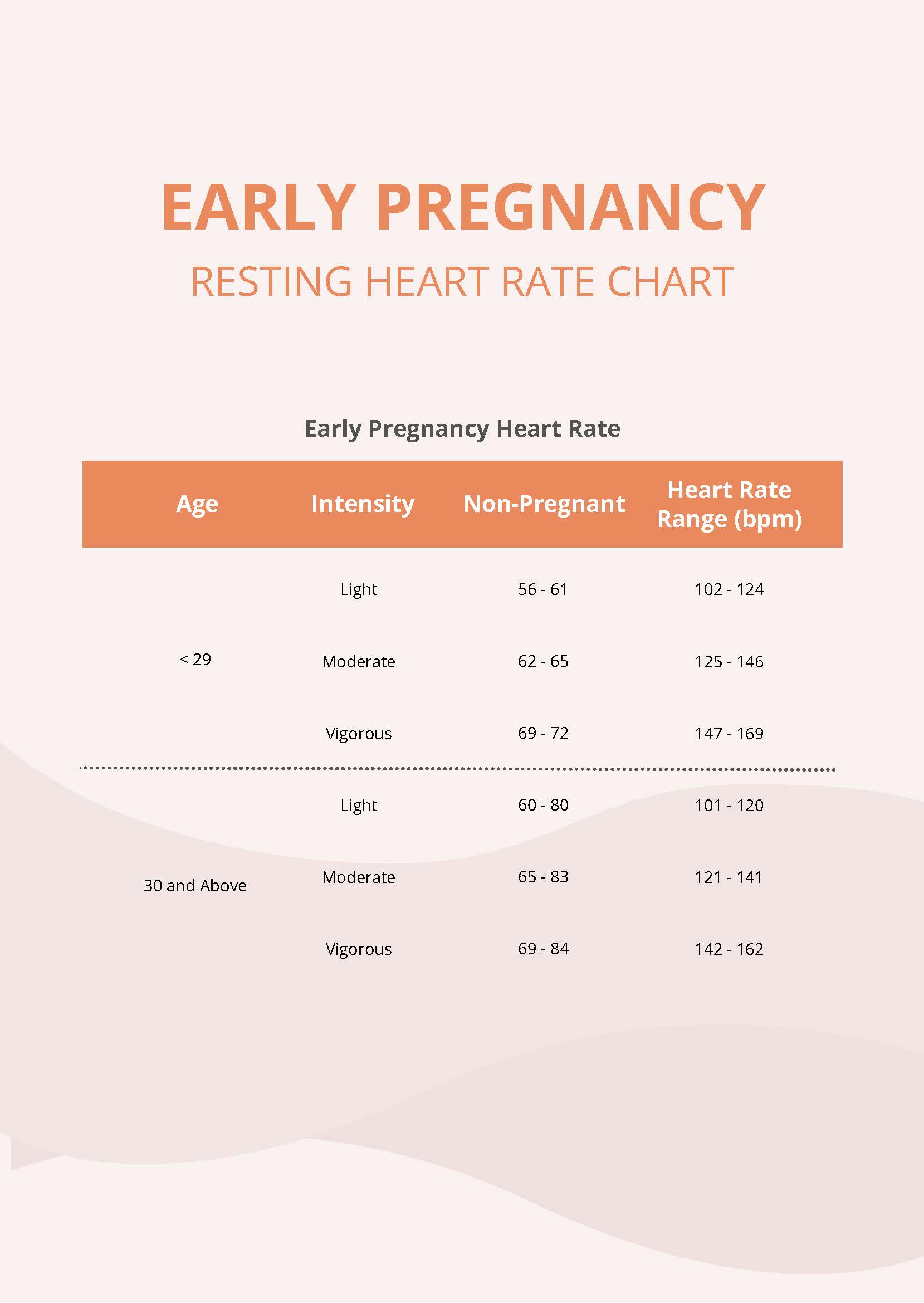
Understanding the “normal” range—typically between 60 and 100 beats per minute (BPM), though often increasing by 10 to 20 BPM during pregnancy—is now a matter of data interpretation, digital accuracy, and software-led insights. This article explores the technological ecosystem that allows for the precise tracking of maternal pulse rates, the hardware and software involved, and the future of digital health in pregnancy.
The Biometrics of Pregnancy: Why High-Frequency Data Tracking Matters
The physiological changes that occur during pregnancy are profound. To support a growing fetus, a woman’s blood volume increases by nearly 50%, requiring the heart to work significantly harder. This shift naturally raises the resting heart rate (RHR). From a technological perspective, capturing this shift requires more than just a pulse check; it requires longitudinal data.
The Shift in Baseline Metrics
Digital health tools allow users to establish a pre-pregnancy baseline. As gestation progresses, AI-integrated apps can track the gradual climb in RHR. While a “normal” pulse is generally categorized within a specific range, technology highlights the “individual normal.” By using cloud-based data storage, software can identify if a pulse of 95 BPM is a standard physiological adaptation for a specific user or a sudden spike that warrants medical attention.
Heart Rate Variability (HRV) and Stress Monitoring
Beyond the simple pulse, tech-driven monitoring focuses on Heart Rate Variability (HRV). HRV is a sophisticated metric that measures the variation in time between each heartbeat. In the tech niche, HRV is a key indicator of autonomic nervous system health. Advanced sensors in gadgets can now track how a pregnant woman’s body responds to physical and emotional stress, providing a more holistic view of “normal” than a simple BPM count.
The Role of Photoplethysmography (PPG)
Most consumer-grade wearables—such as smartwatches and rings—utilize PPG technology. This involves shining a green LED light onto the skin to measure changes in light absorption, which correspond to blood flow. For a pregnant woman, the accuracy of this tech is paramount, as increased skin blood flow and edema (swelling) can sometimes interfere with sensor readings. Engineers are constantly refining these algorithms to ensure that the pulse data remains accurate even as the body undergoes physical changes.
Wearable Technology and the Evolution of Maternal Monitoring
The market for maternal health tech has expanded from basic pedometers to highly specialized devices designed to monitor both the mother and the fetus. When assessing a pregnant woman’s pulse, the hardware choice dictates the quality of the data.
Smartwatches and Fitness Trackers
Devices like the Apple Watch, Garmin, and Whoop have become staples in prenatal health management. These devices offer “Pregnancy Modes” within their software ecosystems. When a user toggles this setting, the algorithms adjust their notifications. Instead of alerting a user that their heart rate is abnormally high compared to their pre-pregnancy self, the software recognizes the new “pregnancy normal,” preventing unnecessary anxiety while still providing vigilant oversight.
Specialized Prenatal Wearables
Beyond general-purpose tech, companies like Bloomlife and Nuvo have developed medical-grade wearable sensors specifically for pregnancy. These devices often use more sophisticated ECG (Electrocardiogram) technology rather than PPG. While a pulse is a measure of blood flow, an ECG measures the electrical activity of the heart. For high-risk pregnancies, this level of technical precision is vital for distinguishing between benign pregnancy-induced tachycardia and potential cardiac complications.
The Integration of Smart Rings
The rise of the smart ring (e.g., Oura or Samsung Galaxy Ring) offers a non-intrusive way to monitor pulse during sleep. For pregnant women, sleep quality is often disrupted. The tech behind these rings focuses on resting pulse and respiratory rate, providing a “Readiness Score.” This software-driven insight helps users understand if their elevated pulse is due to a lack of recovery or the standard progression of their pregnancy.
AI and Software Integration: Interpreting Pulse Data
Hardware is only as good as the software that interprets the signals. In the context of pregnancy, Artificial Intelligence (AI) plays a pivotal role in filtering “noise” from actionable health data.
Predictive Analytics and Trend Analysis
AI algorithms are trained on vast datasets of maternal health records. These programs can predict trends in a woman’s pulse rate throughout the three trimesters. If a woman’s pulse deviates from the predicted curve for her specific stage of pregnancy, the software can prompt her to record symptoms or contact a provider. This is the essence of “preventative tech”—using data to catch issues like preeclampsia or gestational hypertension before they become emergencies.
Cloud-Based Health Dashboards
Modern health apps often include a “share with doctor” feature. This digital bridge allows the user to export weeks of pulse data into a PDF or a direct data feed for their obstetrician. This moves the conversation from “What was my pulse this morning?” to “What has my pulse been over the last 1,000 hours?” This longitudinal view is a significant technological leap over traditional intermittent monitoring.
Filtering Biological Noise
Pregnancy involves a lot of “noise”—movement, changes in sleep positions, and fluctuating body temperature. Sophisticated software uses machine learning to differentiate between a pulse spike caused by climbing a flight of stairs and a spike caused by underlying health issues. By correlating accelerometer data (movement) with PPG data (pulse), the tech provides a context-aware analysis of the user’s heart rate.
Digital Security and Ethics in Maternal Biometrics
As we track the normal pulse of a pregnant woman via apps and gadgets, we must address the tech-specific challenges of data privacy and security. Maternal health data is among the most sensitive information a person can generate.
Encryption and HIPAA Compliance
For health tech companies, maintaining HIPAA (Health Insurance Portability and Accountability Act) compliance is essential. This involves end-to-end encryption of pulse and biometric data. When a pregnant woman syncs her wearable to the cloud, the data must be protected against breaches. In the current digital climate, “Security by Design” is a fundamental requirement for any software handling prenatal biometrics.
The Ethics of Data Ownership
Who owns the data of a pregnant woman’s pulse? Is it the user, the hardware manufacturer, or the software provider? As AI models are trained on this data, questions of anonymity and consent become paramount. The tech industry is currently navigating the balance between using maternal data to improve global health outcomes and protecting the individual’s right to digital privacy.
Bias in Algorithmic Health
A significant challenge in health tech is ensuring that algorithms are trained on diverse populations. A “normal” pulse can vary based on age, ethnicity, and pre-existing fitness levels. Tech developers are under increasing pressure to ensure their software is inclusive, preventing algorithmic bias that might incorrectly flag a healthy pregnancy as “abnormal” based on a limited data set.
The Future: Remote Patient Monitoring (RPM) and Telemedicine
The ultimate goal of tracking a pregnant woman’s pulse through technology is to move toward a more efficient, remote-first model of care.
The Hospital-at-Home Model
Technological advancements are paving the way for “Hospital-at-Home” programs. By using remote patient monitoring (RPM) tools, women with low-risk pregnancies may be able to reduce the frequency of in-person visits. Their pulse, blood pressure, and oxygen saturation can be monitored in real-time by a central clinical dashboard, with AI alerting nurses only when a deviation occurs.
Real-Time Biofeedback and Mental Health
Emerging tech is also exploring the link between heart rate and mental health. During pregnancy, anxiety can lead to a higher-than-normal pulse. New software interfaces are incorporating biofeedback, where a woman can see her pulse in real-time and use guided breathing exercises (delivered via haptic feedback on her wrist) to lower it. This intersection of mental health and biometric tracking represents the next frontier in maternal wellness technology.

Synergy Between Maternal and Fetal Tech
In the near future, we will see greater synergy between tech that tracks the mother’s pulse and tech that tracks the fetal heart rate. Cross-referencing these two data streams through a single AI platform could provide an unprecedented look at the symbiotic relationship between mother and child, ensuring that both pulses remain within their respective “normal” ranges throughout the journey of pregnancy.
In conclusion, while the clinical answer to “what is the normal pulse for a pregnant woman” remains a range of 60 to 110 BPM depending on the trimester, the technological answer is much more complex. Through the use of PPG sensors, AI analytics, and secure cloud platforms, technology has empowered women to move beyond the occasional checkup and into a realm of continuous, insightful, and proactive health management. As wearables become more sophisticated, the “normal” pulse is no longer just a number—it is a vital data point in a broader digital ecosystem dedicated to maternal safety.
aViewFromTheCave is a participant in the Amazon Services LLC Associates Program, an affiliate advertising program designed to provide a means for sites to earn advertising fees by advertising and linking to Amazon.com. Amazon, the Amazon logo, AmazonSupply, and the AmazonSupply logo are trademarks of Amazon.com, Inc. or its affiliates. As an Amazon Associate we earn affiliate commissions from qualifying purchases.