
In an era defined by digital transformation, the once-opaque world of personal health metrics is becoming increasingly accessible. We are moving beyond solely reactive medicine to proactive health management, largely thanks to advancements in technology. Among the myriad of vital health indicators, hemoglobin levels hold a crucial place. Hemoglobin, the protein in red blood cells responsible for transporting oxygen from the lungs to the body’s tissues, is a fundamental barometer of overall health. Understanding “what is the normal level for hemoglobin” is the first step, but the true revolution lies in how technology is enabling individuals to monitor, interpret, and act upon this information in real-time. This article delves into the technological innovations that are demystifying hemoglobin levels, making personalized health monitoring a tangible reality, and transforming how we engage with our own physiological data.
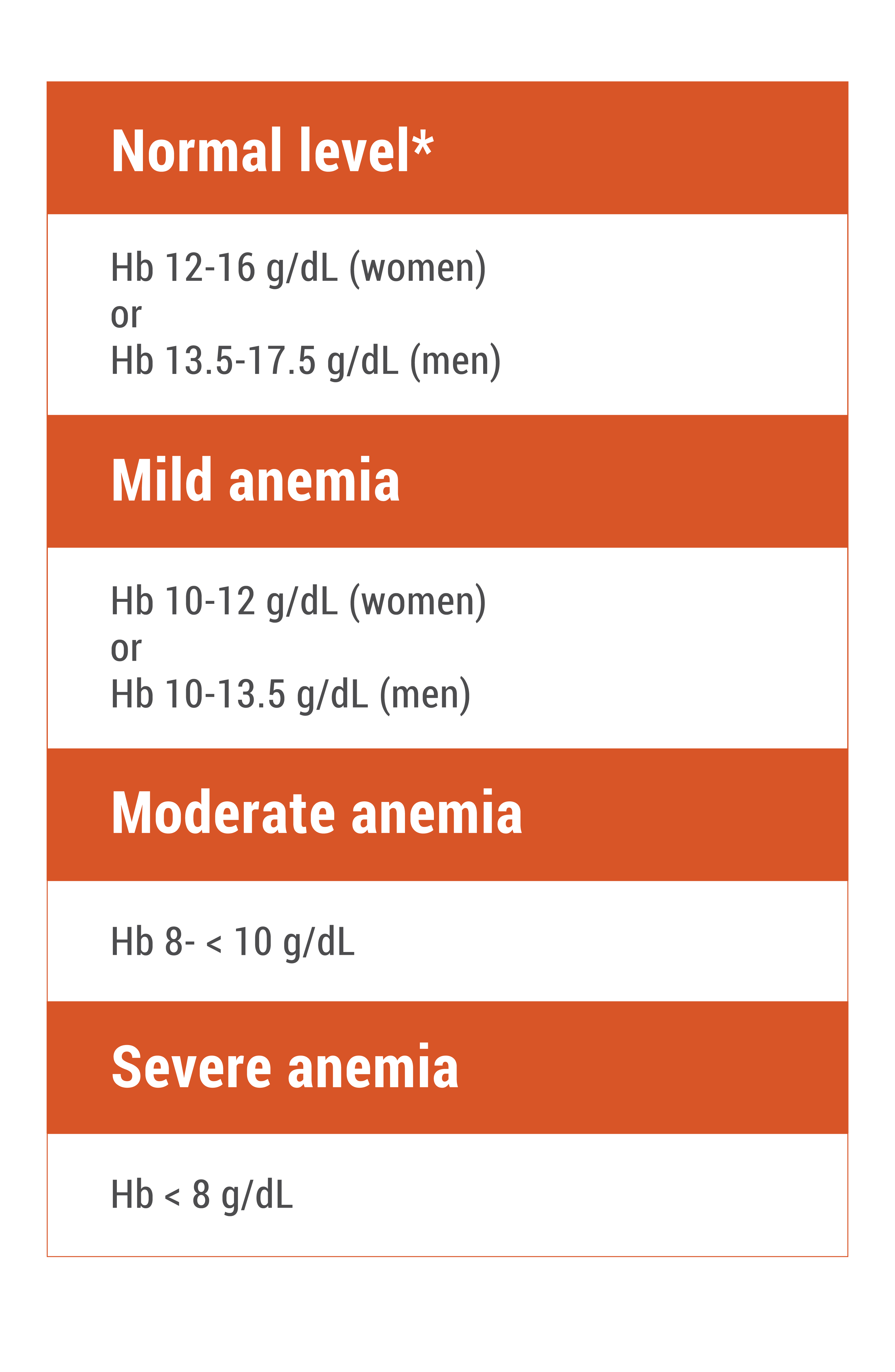
The Digital Frontier of Hemoglobin Assessment: From Lab to App
Traditionally, determining hemoglobin levels required a visit to a clinic, a blood draw, and subsequent laboratory analysis. While these methods remain the gold standard for clinical diagnosis, technology is now bridging the gap between clinical settings and daily life, offering more immediate and continuous insights. The integration of advanced sensors, smart algorithms, and user-friendly interfaces is empowering individuals to take a more active role in monitoring their blood health.
Wearable Devices and Emerging Non-Invasive Technologies
The ubiquitous rise of wearable technology has fundamentally reshaped how we track health. While current mainstream wearables (like smartwatches) primarily focus on heart rate, sleep, and activity, research and development are rapidly advancing towards non-invasive methods for blood constituent analysis, including hemoglobin. Emerging technologies are exploring optical sensors, spectroscopy, and other methods that could, in the future, offer estimates of hemoglobin levels without a single puncture. Imagine a future where your smartwatch could alert you to a potential dip in hemoglobin, prompting an early intervention long before symptoms manifest. These innovations promise a seamless, continuous monitoring experience, integrating vital health data into our daily routines without disruption.
Smart Diagnostic Tools and At-Home Testing Kits
Beyond continuous monitoring, technology has also revolutionized intermittent testing. At-home diagnostic kits, once limited to basic parameters, are becoming more sophisticated. While a full blood count still requires professional lab equipment, portable, compact devices are emerging that can offer quick, accurate estimates of hemoglobin levels from a finger-prick blood sample. These “smart” devices often connect via Bluetooth to a smartphone app, providing instant results, historical tracking, and even interpretations. This allows individuals, especially those with chronic conditions like anemia, to monitor their levels frequently from the comfort of their homes, reducing the need for constant clinic visits and providing a more granular view of their health trends. These tools represent a significant leap towards decentralized healthcare, putting diagnostic capabilities directly into the hands of the consumer.
AI and Data Analytics: Unlocking Deeper Insights from Hemoglobin Data
Collecting data is only half the battle; the true power lies in its interpretation. This is where Artificial Intelligence (AI) and advanced data analytics come into play, transforming raw hemoglobin readings into actionable health insights. AI algorithms can identify patterns, predict potential issues, and offer personalized recommendations far beyond what a human eye could discern from a spreadsheet of numbers.
Personalizing Health Insights with AI-Driven Algorithms
AI models are trained on vast datasets of medical records, laboratory results, and patient outcomes. When applied to an individual’s hemoglobin data, these algorithms can do more than just flag “low” or “high.” They can consider a multitude of confounding factors – age, gender, geographic location, dietary habits, pre-existing conditions, medication use, and even genetic predispositions – to provide a highly personalized assessment. For example, an AI could determine that a hemoglobin level slightly below the “average normal” is perfectly healthy for a particular individual based on their unique physiological profile, or conversely, flag a level within the “normal range” as concerning given their specific risk factors. This level of personalization moves us away from one-size-fits-all health advice towards truly bespoke guidance.

The Ecosystem of Health Tracking Apps and Digital Health Platforms
The insights generated by AI are delivered through a rich ecosystem of health tracking apps and digital health platforms. These applications serve as central hubs for an individual’s health data, integrating information from wearables, at-home test kits, and even electronic health records (EHRs). They present complex medical information in an understandable, user-friendly format, often with visualizations, trend analyses, and educational content. Users can track their hemoglobin levels over time, set goals, receive reminders for testing or dietary adjustments, and even share data securely with their healthcare providers. These platforms facilitate ongoing dialogue between patients and clinicians, allowing for timely interventions and more informed healthcare decisions based on a comprehensive, longitudinal view of health.
Digital Security and Ethical Considerations: Safeguarding Sensitive Health Data
As technology delves deeper into our biological makeup, the importance of digital security and ethical data handling cannot be overstated. Hemoglobin levels, like all health data, are intensely personal and require robust protection against unauthorized access, misuse, and privacy breaches. The convenience of digital health must never come at the expense of an individual’s security and trust.
Protecting Your Medical Information in the Digital Age
Data breaches in any sector are concerning, but when sensitive medical information like hemoglobin levels is compromised, the implications can be severe. Tech companies developing health monitoring solutions must implement state-of-the-art encryption, multi-factor authentication, and secure data storage protocols. Users also play a role in protecting their data by using strong, unique passwords, being wary of phishing attempts, and understanding the privacy settings of their health apps. Trust is paramount; if users do not feel their data is secure, the adoption and efficacy of these transformative technologies will be severely limited.
Regulatory Compliance and Responsible Data Sharing
The digital health landscape is subject to stringent regulatory frameworks designed to protect patient privacy. Regulations like HIPAA in the United States, GDPR in Europe, and similar laws globally mandate how personal health information (PHI) is collected, stored, and shared. Companies operating in this space must adhere strictly to these guidelines, ensuring transparency in their data practices. Furthermore, the ethical implications of data sharing, especially with third-party researchers or commercial entities, must be carefully navigated. Clear consent mechanisms, anonymization techniques, and robust governance frameworks are essential to ensure that while data can be leveraged for collective good (e.g., public health research), individual privacy remains inviolable.
The Future Trajectory: Predictive Health and Integrated Care
The journey of technology in personal health monitoring, particularly for metrics like hemoglobin, is just beginning. The ultimate vision is a future where health management is predictive, preventive, and seamlessly integrated into every facet of our lives, minimizing the burden of disease and maximizing wellness.
AI-Driven Predictive Analytics for Early Intervention
The next frontier for AI in health tech is predictive analytics. By analyzing historical hemoglobin data alongside other physiological parameters, lifestyle choices, and even genetic information, AI can potentially identify individuals at risk of developing conditions related to abnormal hemoglobin levels (such as various types of anemia or polycythemia) long before clinical symptoms appear. This allows for proactive lifestyle adjustments, dietary changes, or early medical interventions, preventing the progression of disease and improving long-term health outcomes. Imagine an AI that predicts your likelihood of iron deficiency based on your menstrual cycle tracking, diet logging, and subtle energy level fluctuations, then recommends specific iron-rich foods or a discussion with your doctor.
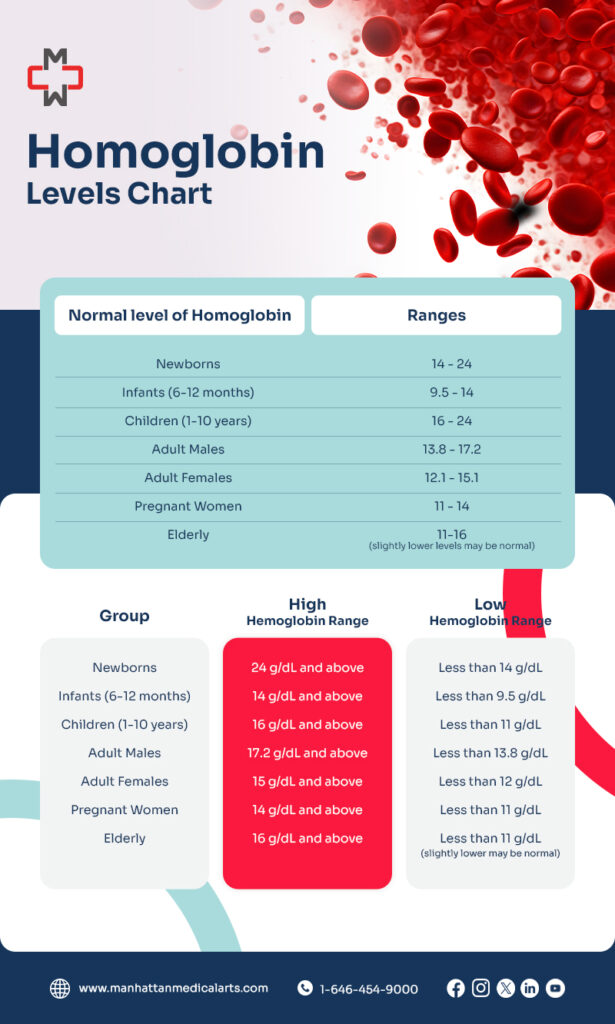
Telemedicine and Remote Patient Monitoring Integration
Technology also facilitates a more connected and efficient healthcare system. Telemedicine platforms, already accelerated by recent global events, are becoming central to remote patient monitoring. Hemoglobin data gathered from at-home kits or future non-invasive wearables can be automatically uploaded to a secure platform, accessible by healthcare providers. This enables doctors to remotely monitor patients with chronic conditions, adjust treatment plans in real-time, and provide virtual consultations without the need for an in-person visit. This integration of technology creates a continuous loop of care, improving patient engagement, reducing healthcare costs, and enhancing access to medical expertise, especially for those in remote areas or with mobility challenges.
In conclusion, understanding “what is the normal level for hemoglobin” is a foundational piece of health knowledge. However, the true transformation lies in how technology is making this understanding dynamic, personalized, and actionable. From sophisticated wearables and smart diagnostics to AI-driven insights and secure digital platforms, technology is empowering individuals to become active participants in their own health journeys. As these innovations continue to evolve, they promise a future where proactive health management is not just a possibility, but a standard, leading to healthier lives and a more efficient, patient-centric healthcare ecosystem.
aViewFromTheCave is a participant in the Amazon Services LLC Associates Program, an affiliate advertising program designed to provide a means for sites to earn advertising fees by advertising and linking to Amazon.com. Amazon, the Amazon logo, AmazonSupply, and the AmazonSupply logo are trademarks of Amazon.com, Inc. or its affiliates. As an Amazon Associate we earn affiliate commissions from qualifying purchases.