
In the high-stakes world of global tourism, a cruise line’s fleet is not merely a collection of vessels; it is the very engine of its economic activity, the primary generator of revenue, and a colossal capital investment demanding sophisticated financial management. For Norwegian Cruise Line Holdings Ltd. (NCLH), a major player in the cruise industry, understanding the size, composition, and strategic deployment of its fleet is fundamental to grasping its business model, operational economics, and overall financial health. This article delves into the financial implications of NCLH’s fleet, examining it through the lens of business finance, capital investment, and investor analysis, adhering strictly to the “Money” category.

The Foundation of Value: An Overview of Norwegian Cruise Line Holdings’ Fleet
At its core, a cruise company’s value proposition and financial performance are inextricably linked to its fleet. Each ship represents a floating asset, a revenue-generating unit designed to deliver experiences and capture discretionary consumer spending. NCLH’s strategy involves a multi-brand approach, segmenting the market to optimize financial returns across different consumer demographics.
A Multi-Brand Strategy: NCL, Oceania Cruises, and Regent Seven Seas Cruises
NCLH operates a diverse portfolio of three distinct cruise brands, a strategic decision that allows the company to tap into various market segments, manage risk, and maximize overall profitability.
-
Norwegian Cruise Line (NCL): The flagship brand, known for its “Freestyle Cruising” concept, targeting the contemporary segment with larger ships, a wide array of dining and entertainment options, and a generally more active, family-friendly atmosphere. Its financial contribution is typically volume-driven, focusing on high occupancy and varied onboard spending.
-
Oceania Cruises: Positioned in the upper-premium segment, Oceania focuses on destination-rich itineraries, culinary excellence, and a sophisticated, more intimate onboard experience. Its financial model emphasizes higher per-diem yields from a discerning clientele, often with longer voyages.
-
Regent Seven Seas Cruises: The ultra-luxury brand, offering an all-inclusive experience with personalized service, gourmet dining, and often smaller ships that can access more exclusive ports. Regent’s financial strength lies in its ability to command the highest per-diem prices, appealing to ultra-high-net-worth individuals, which contributes to strong profit margins despite lower passenger volumes.
This multi-brand architecture allows NCLH to diversify its revenue streams and mitigate the impact of economic downturns or shifts in consumer preferences within a single segment. Each brand operates with distinct cost structures, pricing strategies, and target yields, all contributing to the consolidated financial results of the parent company.
Quantifying the Fleet: Current Vessels and Capacity
As of recent reporting, Norwegian Cruise Line Holdings Ltd. typically operates a fleet of approximately 30-32 ships across its three brands. While the exact number can fluctuate due to new deliveries, sales, or retirements, it generally comprises:
-
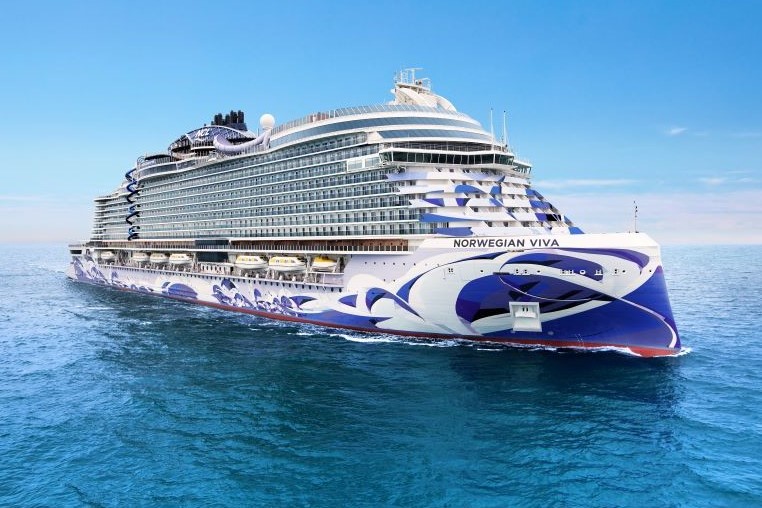
Norwegian Cruise Line: The largest segment, typically operating around 18-20 ships, representing the bulk of passenger capacity. These ships range significantly in size, from older, more intimate vessels to the newest behemoths like the Prima class, capable of accommodating over 3,000-4,000 guests each.
-
Oceania Cruises: Usually operates around 6-7 mid-sized ships, designed for a more refined experience with capacities often ranging from 600 to 1,200 guests.
-
Regent Seven Seas Cruises: Maintains a smaller fleet of 5-6 ultra-luxury ships, typically accommodating 490 to 750 guests, emphasizing exclusivity and personalized service.
Collectively, this fleet represents a substantial asset base, capable of accommodating well over 60,000 berths at any given time. This “berth capacity” is a critical financial metric, directly correlating to the company’s potential revenue generation. Maximizing occupancy rates (the percentage of berths filled) and achieving optimal net yields per capacity day (revenue per passenger per day) are paramount to NCLH’s financial success.
Strategic Deployment: Matching Ships to Markets
The deployment strategy of NCLH’s fleet is a complex financial optimization exercise. It involves allocating ships to specific itineraries and regions (e.g., Caribbean, Alaska, Europe, Asia, world cruises) based on seasonal demand, geopolitical stability, port infrastructure, and target demographic. This ensures that the right ship, with its specific amenities and brand identity, is positioned to generate the highest possible yield. For instance, larger NCL ships might dominate popular Caribbean routes for mass-market appeal, while smaller Oceania and Regent vessels might explore niche, luxury destinations, both designed to maximize distinct revenue opportunities and manage seasonal cash flows effectively.
Fueling Growth: Capital Investment and Fleet Expansion Strategies
The cruise industry is inherently capital-intensive. Building new ships, which are essentially floating resorts, requires immense upfront investment and robust financial planning. NCLH’s fleet expansion strategy is a critical financial lever for future growth and market share.
The New Build Pipeline: Investing in Future Revenue Streams
NCLH consistently invests billions of dollars in new ship construction to modernize its fleet, increase capacity, and introduce innovative features that attract new guests and drive higher yields. The “new build pipeline” refers to the ships currently on order with shipyards. For NCL, a significant example is the groundbreaking Prima class, with multiple ships planned for delivery over several years. Each of these vessels represents a multi-billion-dollar capital expenditure. For Oceania and Regent, new luxury vessels are also periodically ordered, reflecting strategic investments in their respective high-yield segments.
These investments are not merely about adding ships; they are about adding state-of-the-art assets designed to deliver superior guest experiences, incorporate fuel-efficient technologies, and enhance operational efficiencies, all of which directly impact the company’s long-term revenue potential and cost profile. The timing of these deliveries and the associated capital expenditures are closely scrutinized by investors as indicators of future earnings potential.
Financing the Fleet: Debt, Equity, and Asset Management
Funding the construction of these colossal vessels is a testament to sophisticated corporate finance. NCLH typically utilizes a combination of long-term debt, equity financing, and cash flow from operations.
-
Long-Term Debt: This is the primary method, often involving syndicated loans from international banks, export credit agency financing (backed by the governments of the countries where the ships are built), and the issuance of corporate bonds. These financial instruments typically have long maturities, reflecting the long asset life of a cruise ship (30+ years).
-
Equity Financing: While less frequent for specific ship builds, equity offerings can be used to strengthen the balance sheet, reduce leverage, or fund a portion of the capital expenditure program.
-
Cash Flow from Operations: A portion of the company’s operating profits is reinvested into the business, including new builds and refurbishments.
The financing structure of the fleet directly impacts NCLH’s balance sheet, particularly its debt-to-equity ratio and interest expense. Managing this capital structure effectively is crucial for maintaining financial flexibility, minimizing financing costs, and demonstrating fiscal prudence to investors and rating agencies.
Capacity vs. Demand: Optimizing ROI on New Vessels
The decision to order a new ship is a calculated gamble on future market demand. NCLH’s financial strategists must meticulously project passenger growth, pricing power, and competitive dynamics years in advance. Adding new capacity increases the company’s ability to generate revenue but also introduces the risk of oversupply if demand falters. The return on investment (ROI) for a new vessel is determined by its ability to generate superior net yields and maintain high occupancy rates over its economic life, outweighing its substantial capital cost and ongoing operational expenses. This delicate balance between supply and demand is fundamental to maximizing shareholder value from fleet expansion.
Operational Economics: The Financial Impact of Fleet Management
Once a ship joins the fleet, it transitions from a capital expenditure item to a complex operational unit with significant daily financial implications. The ongoing management of the fleet’s operations dictates NCLH’s profitability and cash flow.
Revenue Generation: The Engine of Profitability
A cruise ship generates revenue from two primary sources:
-
Ticket Sales (Cruise Fares): This is the core revenue stream, influenced by itinerary, season, cabin category, and promotional pricing. Financial analysis focuses on “net yields” (gross revenue minus direct costs like travel agent commissions and port costs) as a key indicator of pricing power and profitability.
-
Onboard Spending (Ancillary Revenue): This includes revenue from beverages, specialty restaurants, shore excursions, spa services, retail, casino operations, and internet packages. Optimizing onboard spend is critical, as these revenues often have higher profit margins than cruise fares. Fleet design, guest demographics, and marketing efforts all play a role in maximizing this stream.
The size and quality of the fleet directly influence NCLH’s ability to generate these revenues. More ships mean more berths to sell, while newer, more attractive ships can command higher prices and entice greater onboard spending.
Managing Operating Costs: A Multi-Billion Dollar Endeavor
Operating a global fleet is an immensely complex and costly undertaking. NCLH faces a vast array of recurring expenses that must be meticulously managed to preserve profitability:
-
Fuel Costs: One of the largest and most volatile expenses. Fluctuations in global oil prices, coupled with environmental regulations (e.g., IMO 2020 low-sulfur fuel mandates), can significantly impact operating margins. NCLH employs hedging strategies to mitigate some of this risk.
-
Crew Wages and Benefits: Operating thousands of guest-facing positions and behind-the-scenes roles requires a vast, skilled international workforce. This is a significant fixed and variable cost.
-
Port Fees and Government Taxes: Fees paid to ports of call for docking, pilotage, and passenger levies.
-
Provisions and Supplies: Food, beverages, and all other consumables required for thousands of guests and crew.
-
Marketing and Selling Costs: Extensive global advertising campaigns and sales initiatives to fill the ships.
-
Maintenance and Repair: Ongoing upkeep, regular dry-docking for comprehensive overhauls (which can cost tens of millions per ship every few years), and unexpected repairs. These expenses are vital to maintaining asset value and operational safety.
Efficient cost control, economies of scale, and strategic sourcing are paramount for NCLH to maintain healthy operating margins across its expansive fleet.
Asset Depreciation and Valuation: Accounting for Wear and Tear
As physical assets, cruise ships are subject to depreciation. On NCLH’s financial statements, depreciation is a non-cash expense that systematically reduces the book value of the fleet over its estimated useful life (typically 25-30 years). While it doesn’t represent an immediate cash outflow, it impacts reported net income and accumulated earnings. The book value of the fleet also plays a role in the company’s balance sheet, influencing its net worth and ability to secure future financing against its assets. The fair market value of ships, however, can differ from their book value, especially in a dynamic market, impacting potential asset sales or acquisitions.
The Investor’s Lens: Fleet Metrics in Financial Analysis
For investors, the fleet is not just a logistical marvel; it’s a critical indicator of NCLH’s financial health, growth trajectory, and competitive standing. Analyzing fleet metrics is integral to evaluating the company as a potential investment.
Capacity Growth as a Driver of Shareholder Value
Wall Street analysts closely monitor NCLH’s capacity growth, expressed as available capacity days (ACDs) or berths. Consistent, profitable capacity expansion is often viewed as a positive driver for shareholder value, signaling management’s confidence in future demand and its ability to generate increased revenue and EBITDA (Earnings Before Interest, Taxes, Depreciation, and Amortization). However, it’s not just about more ships; it’s about profitable capacity growth—ensuring that new vessels generate sufficient yields to cover their costs and contribute positively to earnings per share.
Balance Sheet Strength: Debt Levels and Capital Intensity
The significant capital required to build and maintain a fleet means that cruise companies like NCLH often carry substantial debt. Investors scrutinize debt-to-equity ratios, leverage multiples, and interest coverage ratios to assess the company’s financial risk. A high level of debt, particularly during periods of economic uncertainty or high interest rates, can strain cash flow and limit financial flexibility. Conversely, a well-managed capital structure with prudent debt levels and strong cash flow generation instills confidence. The capital intensity of the business (the amount of capital required per unit of output, e.g., per berth) is a key characteristic that shapes its financial profile.
Competitive Positioning and Market Share
The size, modernity, and geographic deployment of NCLH’s fleet directly influence its competitive position against rivals like Carnival Corporation and Royal Caribbean Group. A robust and diversified fleet allows NCLH to offer a wider range of itineraries, cater to a broader demographic, and maintain or grow its market share. This competitive strength, in turn, translates into pricing power and sustained financial performance. Investors evaluate whether NCLH’s fleet strategy is effectively differentiating it in the marketplace and capturing valuable segments.
Navigating Future Waters: Sustainability, Technology, and the Evolving Fleet
The financial outlook for NCLH’s fleet is increasingly intertwined with global trends in sustainability and technological advancement, posing both challenges and opportunities that will directly impact future financial statements.
Investing in a Greener Fleet: ESG and Financial Returns
Environmental, Social, and Governance (ESG) factors are becoming paramount for investors. NCLH’s financial decisions around its fleet are heavily influenced by environmental regulations (e.g., stricter emissions standards, potential carbon taxes) and consumer demand for sustainable travel. Investing in cleaner fuels (like LNG), shore power connectivity, advanced wastewater treatment systems, and energy-efficient designs represents significant capital expenditures. While these investments drive up costs in the short term, they mitigate regulatory fines, enhance brand reputation, attract environmentally conscious consumers, and can unlock access to “green” financing options, potentially lowering the cost of capital in the long run. These ESG investments are increasingly viewed as drivers of long-term financial resilience.
Technological Integration: Enhancing Guest Experience and Efficiency
While “technology” is a separate category, its financial impact on the fleet is profound. Investments in shipboard IT infrastructure, guest-facing apps, smart systems for energy management, and data analytics tools are crucial. These technologies can optimize fuel consumption, streamline crew operations, enhance the guest experience to drive higher onboard spending, and improve overall operational efficiency, all contributing to better financial performance. For instance, predictive maintenance using sensors can reduce costly breakdowns, while personalized guest services via apps can boost ancillary revenue.

Strategic Fleet Optimization: Refurbishments, Sales, and Scrappings
Managing an aging asset base is a continuous financial undertaking. NCLH regularly evaluates its older vessels for strategic optimization:
-
Refurbishments: Significant mid-life upgrades can extend a ship’s useful life, modernize its amenities, and bring it in line with newer fleet standards, thereby preserving its revenue-generating capacity and justifying premium pricing. These are substantial capital expenditures but generally less than new builds.
-
Sales: Older, less efficient ships may be sold to other operators or smaller cruise lines, generating cash flow and reducing maintenance costs, while allowing NCLH to focus on its core, more profitable segments.
-
Scrappings: At the end of a ship’s economic life, it may be sold for scrap. This decision is based on the ship’s depreciated book value, maintenance costs, and potential resale value versus the cost of scrapping.
These ongoing decisions about fleet optimization are crucial financial management processes that directly impact NCLH’s capital allocation, cash flow, and overall profitability for years to come.
In conclusion, the question “how many ships does Norwegian have” transcends a simple numerical answer. It opens a window into the intricate financial machinery of Norwegian Cruise Line Holdings Ltd. Each ship is a testament to immense capital investment, a complex operational unit, and a direct contributor to the company’s revenues, expenses, and overall financial standing. For investors, understanding the fleet size, its strategic deployment, growth plans, and the associated financial metrics is absolutely essential for evaluating NCLH’s present performance and its potential for future growth and profitability in the dynamic global cruise market.
aViewFromTheCave is a participant in the Amazon Services LLC Associates Program, an affiliate advertising program designed to provide a means for sites to earn advertising fees by advertising and linking to Amazon.com. Amazon, the Amazon logo, AmazonSupply, and the AmazonSupply logo are trademarks of Amazon.com, Inc. or its affiliates. As an Amazon Associate we earn affiliate commissions from qualifying purchases.