
Navigating the world of personal finance can often feel like walking through a labyrinth of jargon, complex instruments, and, most confusingly, varying price tags. When you decide to seek professional help to manage your wealth, the first question that usually arises is: “What is the normal fee for a financial advisor?”
Understanding these costs is not just a matter of curiosity; it is a fundamental part of your investment strategy. Fees can significantly impact your long-term returns, sometimes making the difference between an early retirement and several extra years in the workforce. In the modern financial landscape, there is no single “standard” price, but there are well-defined industry benchmarks. This guide explores the different fee structures, what you should expect to pay, and how to ensure you are receiving value for your money.
Understanding the Fee Structures: How Advisors Get Paid
Before looking at the specific numbers, it is essential to understand the mechanics of how financial advisors charge for their services. The industry has shifted significantly over the last two decades, moving away from a pure commission model toward more transparent, fee-based structures.
Assets Under Management (AUM) Model
The most common fee structure in the financial planning industry is the Assets Under Management (AUM) model. Under this arrangement, an advisor charges a percentage of the total assets they manage on your behalf. For example, if you have $500,000 with an advisor who charges a 1% AUM fee, you will pay $5,000 annually. This fee is typically deducted directly from your accounts on a quarterly basis. The AUM model is popular because it theoretically aligns the advisor’s interests with yours: if your portfolio grows, their pay increases; if your portfolio shrinks, their pay decreases.
Fixed Fees and Project-Based Pricing
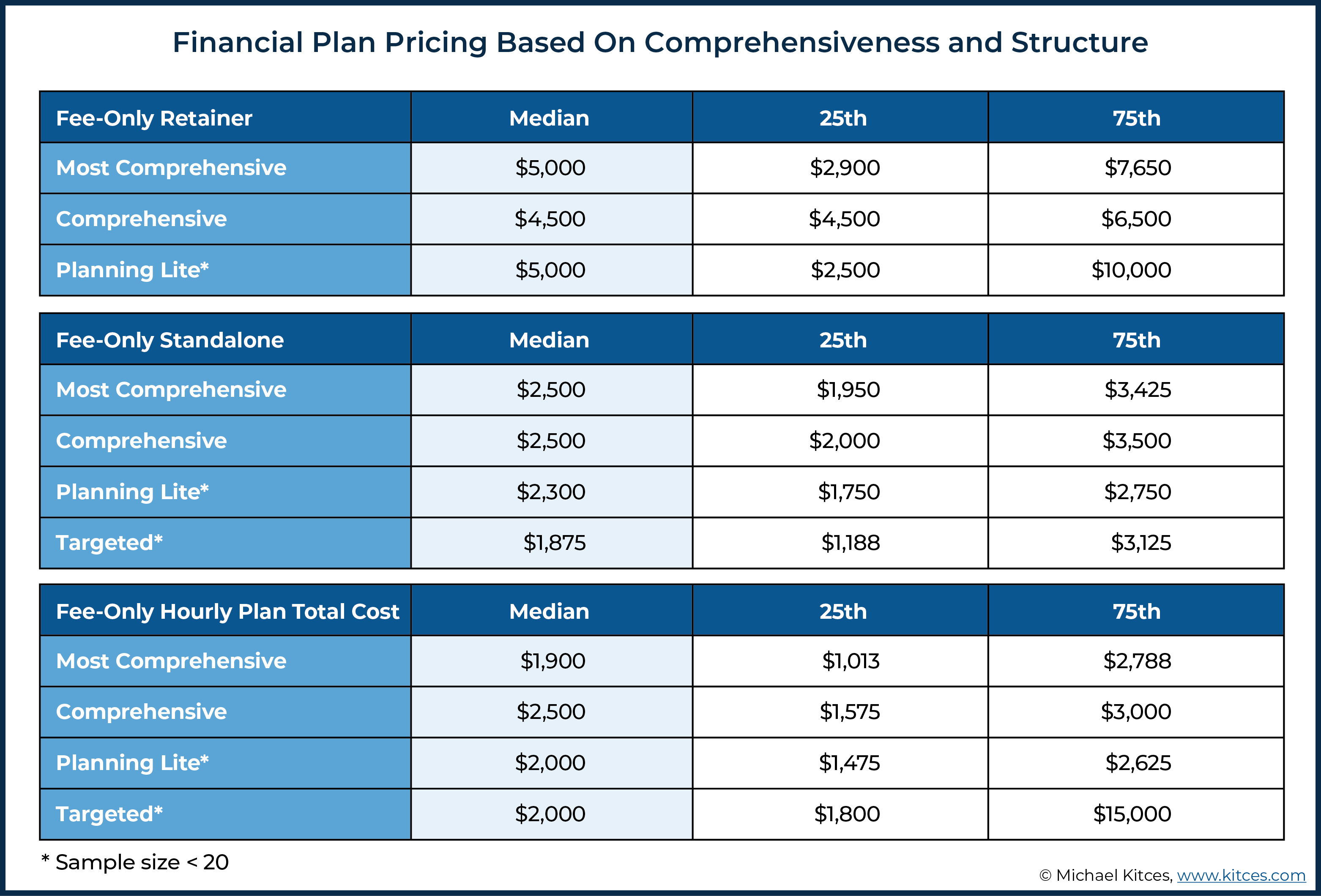
For clients who may not have a large portfolio to manage but need professional guidance, fixed or project-based fees are becoming increasingly popular. This structure is often used for one-time financial plans, such as an estate planning review, a retirement feasibility study, or a comprehensive financial roadmap. These fees can range from a few thousand dollars to tens of thousands, depending on the complexity of your financial situation. It provides clarity and prevents the “conflict of interest” some associate with the AUM model.
Hourly Rates and Retainers
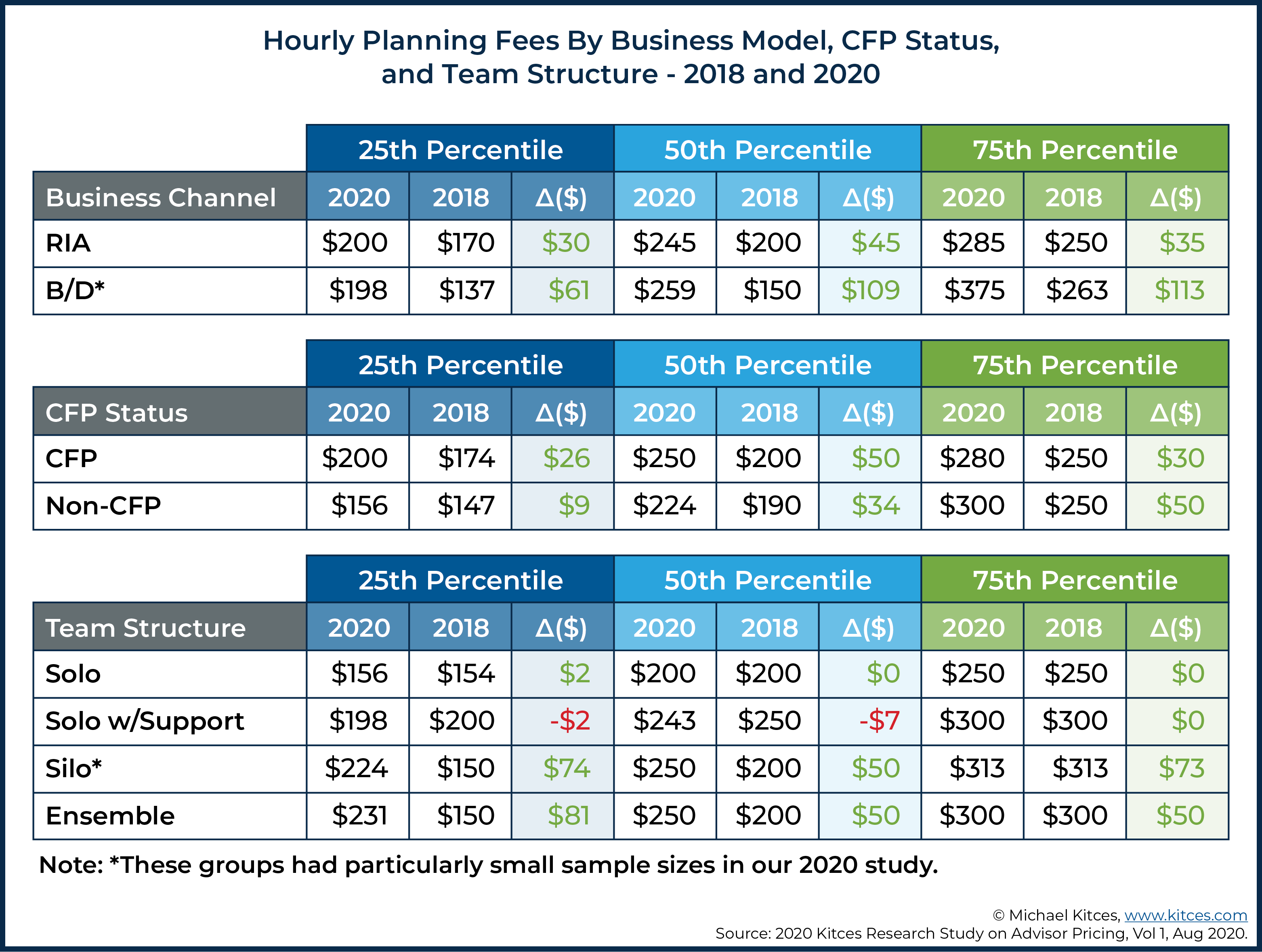
Hourly rates are exactly what they sound like—you pay the advisor for the time they spend working on your case, similar to how you would pay an attorney or a CPA. Hourly rates typically range from $200 to $500 per hour. Alternatively, some advisors offer a “subscription” or retainer model, where you pay a set monthly or annual fee for ongoing access to their advice. This is particularly beneficial for younger professionals who have high incomes but haven’t yet built up a large “bucket” of investable assets.
Commission-Based vs. Fee-Only Advisors
It is crucial to distinguish between “fee-only” and “fee-based” advisors. Fee-only advisors are paid exclusively by their clients and do not receive commissions for selling specific financial products, such as insurance policies or high-load mutual funds. This reduces conflicts of interest. Fee-based advisors, however, may charge a fee for their advice while also earning commissions on products they sell to you. Understanding which model your advisor uses is the first step in determining if their “normal” fee is truly fair.
What is the “Normal” Fee? Breaking Down the Industry Standards
While fees can vary based on the firm’s size and the advisor’s experience, the industry has gravitated toward several “normal” price points.
The 1% AUM Benchmark
For a long time, the “gold standard” or “normal” fee for a financial advisor has been 1% of assets under management. However, this is usually a sliding scale. According to industry surveys, clients with $1 million in assets typically pay around 1%, but those with $5 million or more might see that rate drop to 0.70% or 0.50%. Conversely, if you have less than $250,000, you might find that some advisors charge slightly more than 1% to cover their overhead costs, or they may have a minimum annual fee (e.g., $2,500 minimum).
Flat Fee Ranges for Comprehensive Planning
If you are looking for a comprehensive financial plan rather than ongoing management, a “normal” fee usually falls between $2,500 and $7,500. This fee covers an in-depth analysis of your cash flow, tax situation, insurance coverage, retirement projections, and estate plan. If your situation is highly complex—involving business ownership, international assets, or specialized trust structures—these fees can easily exceed $10,000.

Robo-Advisors and Low-Cost Digital Alternatives
For those who are price-sensitive or have relatively simple investment needs, the “normal” fee has been disrupted by technology. Robo-advisors—automated platforms that manage your portfolio using algorithms—typically charge between 0.25% and 0.50% AUM. While these services do not offer the personalized, holistic advice of a human planner, they provide an extremely low-cost entry point for basic wealth management and rebalancing.
Hidden Costs and The Impact of Fees on Your Portfolio
The headline fee you pay your advisor is rarely the only cost associated with your investments. To understand what you are truly paying, you must look beneath the surface.
Expense Ratios and Transaction Costs
Even if your advisor charges a flat 1%, the underlying investments (such as Mutual Funds or ETFs) have their own internal costs called expense ratios. For example, if your advisor puts you in a fund with a 0.75% expense ratio, your total cost of ownership is actually 1.75%. Furthermore, some accounts may incur transaction fees or brokerage charges every time a trade is made. A good advisor will prioritize low-cost index funds or institutional-class shares to keep these “internal” costs as low as possible.
The Compounding Effect of High Fees
The danger of a “slightly higher than normal” fee is not its immediate impact, but its effect over decades. A 1% difference in fees can feel negligible in a single year, but over 30 years, it can erode 25% to 30% of your total potential wealth. For instance, a $100,000 investment growing at 7% for 30 years would result in roughly $761,000. If you subtract a 1% fee (reducing growth to 6%), the end result is $574,000. That 1% fee cost you nearly $200,000 in the long run. This is why understanding the “normal” rate and negotiating it is so vital.
Value vs. Cost: When is a Higher Fee Justified?
It is a mistake to choose an advisor based solely on the lowest price. A “cheap” advisor who does nothing more than pick stocks might be more expensive in the long run than a “higher-priced” advisor who provides tax-loss harvesting, estate planning coordination, and behavioral coaching. Research from Vanguard suggests that a good advisor can add “advisor alpha” (value) of approximately 3% per year through these combined services. If an advisor saves you $20,000 in taxes or prevents you from selling during a market panic, their 1% fee pays for itself many times over.
How to Evaluate Your Financial Advisor’s Value
Once you know the normal fee ranges, the next step is to ensure that the person you are hiring is worth the investment. Transparency is the hallmark of a professional financial relationship.
Questions to Ask Before Signing a Contract
You should never feel uncomfortable asking about fees. A professional advisor should be able to provide a clear, written breakdown of their costs. Ask: “What is your total fee, including any commissions or internal fund expenses?” and “Are there any circumstances where you receive compensation from third parties?” If the answer is vague or overly complicated, it is a red flag. You should also ask for their Form ADV, a public document that disclosure their fee structure and any past disciplinary actions.
Evaluating the Fiduciary Standard
A “normal” fee is only acceptable if the advisor is acting as a fiduciary. A fiduciary is legally obligated to put your interests ahead of their own. Some “advisors” (often working for large broker-dealers) only have to meet the “suitability standard,” which means they can recommend a more expensive product as long as it is “suitable” for you, even if a cheaper, better version exists. Always ensure your advisor is a fiduciary in all aspects of the relationship.
Reviewing Your Advisor’s Performance and Service
Finally, the “normalcy” of a fee should be reviewed annually. Is your advisor proactive in reaching out? Do they help you adjust your plan when life changes (marriage, inheritance, career shift)? If you are paying a premium AUM fee but only hear from your advisor once a year during a generic review meeting, you may be overpaying. The fee should reflect the complexity of your needs and the level of service you receive.
Conclusion
Determining the normal fee for a financial advisor requires looking at both the percentage and the value provided. While 1% AUM remains a common benchmark for many, the rise of flat-fee models and robo-advisors has given investors more choices than ever before.
Ultimately, the best fee structure is one that is transparent, fits your specific financial complexity, and aligns the advisor’s success with your own. By understanding these industry standards, you can move forward with confidence, ensuring that your wealth is not just being managed, but managed at a price that allows your future to flourish.
aViewFromTheCave is a participant in the Amazon Services LLC Associates Program, an affiliate advertising program designed to provide a means for sites to earn advertising fees by advertising and linking to Amazon.com. Amazon, the Amazon logo, AmazonSupply, and the AmazonSupply logo are trademarks of Amazon.com, Inc. or its affiliates. As an Amazon Associate we earn affiliate commissions from qualifying purchases.