
In an increasingly health-conscious world, the phrase “what are good oxygen levels” is no longer confined to medical textbooks or clinical consultations. It has seeped into everyday conversation, driven largely by the proliferation of consumer-grade health technology. From smartwatches adorning our wrists to dedicated pulse oximeters in home medicine cabinets, technology has democratized access to vital physiological data, making concepts like blood oxygen saturation (SpO2) accessible to a broader audience. But what do these numbers truly mean, and how has technology empowered us to understand, monitor, and even influence them? This article delves into the technological advancements that have redefined our relationship with respiratory health, exploring how gadgets, software, and AI are illuminating the critical role of oxygen in our bodies.

The Wearable Revolution: SpO2 Monitoring on Your Wrist
The advent of wearable technology has profoundly changed how individuals approach personal health monitoring. Once a professional medical device, pulse oximetry, the non-invasive method of monitoring the oxygen saturation of a person’s blood, has become a standard feature in many consumer electronics. This integration has moved the conversation about “good oxygen levels” from an abstract medical concept to a tangible, personal metric.
From Clinic to Consumer: The Journey of Pulse Oximetry
Historically, pulse oximeters were bulky, hospital-grade instruments. Their primary function was to provide critical, real-time data on a patient’s oxygenation status, essential for managing conditions like chronic obstructive pulmonary disease (COPD), asthma, or during surgical procedures. The technology, based on the principle of spectrophotometry—measuring the absorption of light at different wavelengths by oxygenated and deoxygenated hemoglobin—was sophisticated and precise.
The miniaturization revolution, driven by advancements in microelectronics and sensor technology, paved the way for these complex devices to shrink. Suddenly, the same principles could be applied to a finger-clip device that could be purchased online, or even more remarkably, integrated into a sleek smartwatch. This transition was not merely about size; it was about accessibility, empowering individuals to take a more proactive role in understanding their baseline health data.
The Inner Workings: How Smartwatches Measure SpO2
Modern smartwatches and fitness trackers utilize sophisticated optical sensors, typically on the underside of the device, to measure SpO2 levels. These sensors emit red and infrared light through the skin into the blood vessels below. Oxygenated blood absorbs more infrared light and reflects more red light, while deoxygenated blood does the opposite. By analyzing the differential absorption and reflection of these light wavelengths, the device’s algorithms can calculate the percentage of oxygen-saturated hemoglobin in the blood. This data is then displayed to the user, often accompanied by historical trends and contextual information through a dedicated app.
While incredibly convenient, it’s crucial to understand the nuances of these consumer-grade devices. Factors such as skin tone, motion, placement, and environmental light can influence accuracy. Moreover, while useful for trend monitoring and identifying potential issues for further medical consultation, these devices are generally not intended to be medical diagnostic tools. Their primary value lies in generating awareness and providing actionable insights for lifestyle adjustments or prompting professional medical advice when unusual patterns emerge.
Data Interpretation and Actionable Insights: Software as a Health Navigator
Collecting raw data on oxygen levels is just the first step. The true power of modern health tech lies in its ability to process, interpret, and present this data in an understandable and actionable manner. Software platforms, often integrated within smartphone apps or cloud-based dashboards, transform simple numbers into meaningful insights, helping users understand “what are good oxygen levels” for them personally, and what might prompt concern.
Personalized Baselines and Trend Analysis
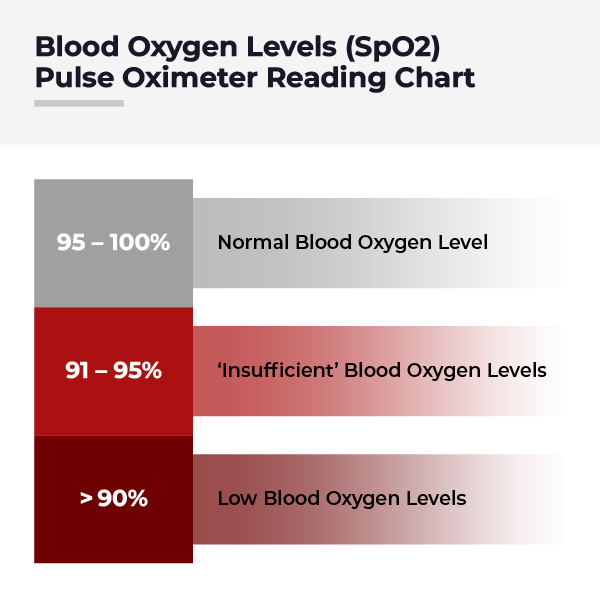
For most healthy individuals, a blood oxygen saturation level between 95% and 100% is considered normal. However, what constitutes a “good” level can vary based on individual health conditions, altitude, and even sleep patterns. Modern health apps move beyond static thresholds by allowing users to establish personalized baselines. By consistently monitoring SpO2 over time, these applications can identify individual norms and highlight deviations.
The software’s ability to perform trend analysis is particularly insightful. Instead of just showing a single reading, apps can display graphs of SpO2 levels over hours, days, or weeks. This helps users identify patterns, such as lower SpO2 during sleep (potentially indicating sleep apnea) or consistent dips during strenuous activity. This longitudinal data is invaluable for individuals managing chronic respiratory conditions or athletes optimizing their training, providing a rich context that single readings cannot offer.
Integration with Broader Digital Health Ecosystems
The utility of SpO2 data is amplified when integrated into broader digital health ecosystems. Many health apps now sync data from various wearable devices – not just SpO2, but also heart rate, sleep metrics, activity levels, and even temperature. This holistic view, aggregated and analyzed by intelligent software, allows for a more comprehensive understanding of overall physiological well-being.
For instance, an app might correlate a drop in SpO2 with poor sleep quality or increased fatigue, prompting the user to explore environmental factors or lifestyle changes. Some platforms even offer features like data sharing with healthcare providers (with user consent), facilitating more informed discussions during medical appointments. This interconnectedness transforms health monitoring from isolated data points into a cohesive narrative about one’s health journey.
AI and Predictive Analytics: The Future of Respiratory Health Tech
The next frontier in understanding and managing oxygen levels lies in the powerful capabilities of Artificial Intelligence and machine learning. AI is poised to move beyond mere data display, offering predictive insights and personalized recommendations that could revolutionize proactive health management.
Identifying Subtle Patterns and Early Warnings
Human eyes can detect obvious fluctuations in SpO2 data, but AI algorithms can identify subtle, often imperceptible patterns that precede significant health events. Machine learning models, trained on vast datasets of physiological information, can learn to recognize the early indicators of conditions like respiratory distress, exacerbations of chronic lung diseases, or even viral infections affecting the respiratory system.
Imagine an AI-powered system that analyzes your nocturnal SpO2, heart rate variability, and breathing patterns. It could detect nascent signs of sleep apnea long before you experience severe symptoms, or flag an impending asthma attack based on a combination of environmental data (like air quality) and your physiological readings. This predictive capability transforms reactive care into proactive intervention, potentially preventing health crises before they fully develop.
Personalized Interventions and Adaptive Coaching
Beyond prediction, AI can offer highly personalized interventions. Based on an individual’s unique data profile, an AI coach could suggest specific breathing exercises to improve lung capacity, recommend adjustments to sleep hygiene to optimize oxygenation, or even advise on environmental modifications (e.g., using an air purifier) if external factors are impacting respiratory health.
This adaptive coaching can evolve with the user’s progress and changing health status, providing dynamic recommendations that are far more effective than generic advice. For instance, if a user’s SpO2 dips during high-altitude travel, the AI might suggest specific acclimatization protocols or provide real-time guidance on managing symptoms. This level of personalized guidance moves “what are good oxygen levels” from a diagnostic question to an ongoing, dynamically managed health goal.
Digital Security and Ethical Considerations in Oxygen Level Monitoring
As technology becomes more integral to our health, the discussion around “what are good oxygen levels” inevitably broadens to encompass critical issues of data security, privacy, and ethical responsibility. The very systems designed to empower us with health insights also collect highly sensitive personal information, demanding robust safeguards.
Protecting Sensitive Health Data
The data collected by SpO2 monitors, smartwatches, and integrated health apps is extremely personal. Information about one’s oxygen levels can reveal insights into respiratory function, sleep quality, and overall physiological resilience. Consequently, ensuring the digital security of this data is paramount. Tech companies developing these solutions must implement end-to-end encryption, secure cloud storage, multi-factor authentication, and adhere to stringent data protection regulations like GDPR and HIPAA.
Users, too, play a role in this. Understanding privacy settings, reviewing data sharing policies, and exercising caution when connecting third-party apps are essential steps. The integrity and confidentiality of this data are not just technical challenges but fundamental trust issues that underpin the adoption and utility of health tech. A breach of this sensitive information could have significant implications, from personal privacy violations to potential discrimination in insurance or employment.
Accuracy, Medical Claims, and Regulatory Oversight
Another critical aspect is the distinction between consumer-grade wellness devices and medical-grade diagnostic equipment. While smartwatches provide valuable trends and insights, they are typically not cleared by regulatory bodies (like the FDA) for medical diagnosis. The marketing and communication surrounding these devices must be transparent about their intended use and limitations. Misleading claims about diagnostic capabilities can lead to false assurances or unwarranted anxiety, underscoring the need for clear ethical guidelines.
The industry faces the ongoing challenge of balancing innovation with responsibility. As AI and machine learning become more sophisticated, the line between “wellness device” and “medical device” blurs. This necessitates evolving regulatory frameworks that can keep pace with technological advancements, ensuring that consumers receive accurate information and that devices meet appropriate standards for safety and efficacy, especially when generating insights that could impact medical decisions.
Equity and Access: Bridging the Digital Health Divide
Finally, the widespread availability of oxygen level monitoring technology raises questions about equity and access. While beneficial, these technologies are not universally accessible due to cost, digital literacy requirements, or reliable internet access. An ethical approach to health tech must consider how to bridge this digital divide, ensuring that the benefits of advanced health monitoring are available to all segments of society, not just the privileged few. Initiatives like subsidized devices, public health programs leveraging technology, and user-friendly interfaces can help ensure that the insights derived from “what are good oxygen levels” are empowering tools for global health improvement.

Conclusion: Oxygen Levels in the Digital Age
The journey from understanding “what are good oxygen levels” in a purely clinical sense to actively monitoring and interpreting them with personal technology is a testament to human ingenuity. Wearable devices, sophisticated software, and nascent AI capabilities have transformed how we engage with our respiratory health, offering unprecedented insights and empowering individuals to take a more proactive stance in their well-being.
However, this technological leap comes with responsibilities. The pursuit of data-driven health must be balanced with robust digital security, ethical considerations regarding accuracy and marketing, and a commitment to equitable access. As technology continues to evolve, our understanding of oxygen levels will deepen, moving from mere numbers to a holistic, personalized narrative of health, all orchestrated by the intricate interplay of hardware, software, and human intelligence. The future of respiratory health is inextricably linked with the future of tech, promising a healthier, more informed tomorrow.
aViewFromTheCave is a participant in the Amazon Services LLC Associates Program, an affiliate advertising program designed to provide a means for sites to earn advertising fees by advertising and linking to Amazon.com. Amazon, the Amazon logo, AmazonSupply, and the AmazonSupply logo are trademarks of Amazon.com, Inc. or its affiliates. As an Amazon Associate we earn affiliate commissions from qualifying purchases.