
The landscape of wearable technology has undergone a seismic shift over the last few years, particularly with Google’s acquisition of Fitbit. For consumers asking “what is the new Fitbit watch,” the answer is no longer a single device, but a sophisticated ecosystem of hardware that blends traditional fitness tracking with high-level smartwatch capabilities. Currently, the flagship representative of the Fitbit experience is the Google Pixel Watch 3, which acts as the premier “Fitbit watch” for those seeking a full-featured smartwatch experience. Simultaneously, for those seeking a dedicated fitness-first wearable, the Fitbit Charge 6 stands as the most advanced tracker in the lineup.
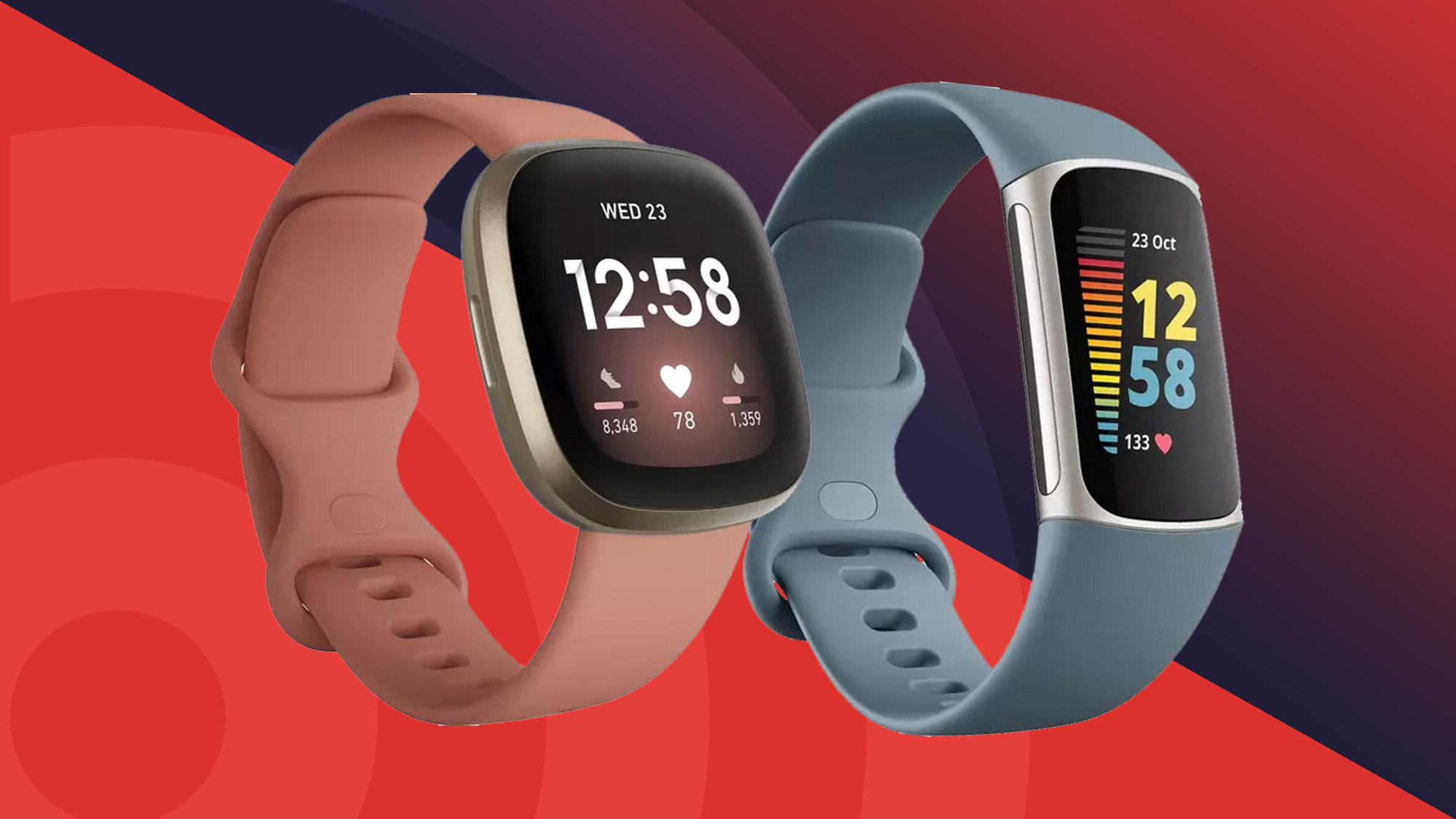
Understanding these new devices requires a deep dive into how Google has integrated its AI prowess and software ecosystem with Fitbit’s legacy of health monitoring. The result is a suite of gadgets that do more than count steps; they analyze physiological signals to provide a holistic view of human performance and recovery.
The Evolution of Fitbit Under Google: The Pixel Watch 3 and Beyond
When discussing the “new” Fitbit watch, the Google Pixel Watch 3 is the most significant technological leap. It is the first device to fully realize the “Fitbit-inside” philosophy, where the hardware is designed by Google’s engineers, but the health and wellness soul remains strictly Fitbit. This transition represents a shift from the standalone Fitbit OS found on older Versa and Sense models toward Wear OS, which provides a much more robust application ecosystem.
Bridging the Gap Between Smartwatch and Fitness Tracker
The Pixel Watch 3 addresses many of the hardware limitations of its predecessors. Available for the first time in two sizes—41mm and 45mm—it utilizes a high-brightness “Actua” display that can reach up to 2,000 nits. This is a crucial technical upgrade for athletes who need to read their metrics under direct sunlight. The technology behind the display is also more efficient, featuring an LTPO (Low-Temperature Polycrystalline Oxide) backplane that allows the refresh rate to drop to as low as 1Hz to conserve battery life during always-on display modes.
Inside the device, the integration of Fitbit’s tracking technology is deeper than ever. The watch uses a sophisticated multi-path heart rate sensor that remains accurate even during high-intensity interval training (HIIT), a traditional weak point for wrist-based optical sensors. By combining this hardware with Google’s machine learning algorithms, the “new” Fitbit experience delivers some of the most reliable biometric data in the consumer market.
Hardware Specs: Displays, Sensors, and Durability
Beyond the flagship Pixel Watch, the Fitbit Charge 6 remains the “new” standard for the tracker category. It retains the slim profile that Fitbit fans love but incorporates a haptic side button and a significantly more accurate heart rate sensor—reportedly 60% more accurate during vigorous activities compared to the Charge 5. This improvement is attributed to the adoption of advanced AI models originally developed for the Pixel Watch series.
The build quality across the new lineup focuses on premium materials. We see a move toward 100% recycled aluminum housings and custom-developed Gorilla Glass for better scratch resistance. For the tech-savvy user, these devices also support NFC for contactless payments (via Google Wallet) and integrated GPS/GLONASS for precise route tracking without needing a tethered smartphone.
Advanced Health Monitoring and Sensor Technology
The true value of the modern Fitbit watch lies in its sensor array. The latest devices have moved beyond simple accelerometers to include a suite of sophisticated clinical-grade sensors. These components work in tandem to monitor everything from blood oxygen saturation (SpO2) to skin temperature variations and heart rhythm irregularities.
Heart Rate Accuracy and AI Integration
At the core of the new Fitbit hardware is the optical heart rate sensor. Modern Fitbit devices utilize a combination of green, red, and infrared LEDs to penetrate the skin and measure blood flow volume. What makes the new generation different is the “Signal Innovation.” Google and Fitbit have applied deep learning algorithms to filter out the “noise” created by arm movement and sweat. This ensures that when a user is sprinting or lifting weights, the heart rate data reflected on the screen is a true representation of their cardiovascular load rather than a distorted estimation.
EDA and Stress Management Tools
One of the standout features of the new Fitbit Sense 2 and the high-end trackers is the cEDA (continuous Electrodermal Activity) sensor. This tech measures tiny changes in the sweat gland activity on the skin, which is a known indicator of the body’s response to stress. Unlike older models that required the user to hold their hand over the watch for a manual reading, the new technology monitors these micro-fluctuations throughout the day. When combined with heart rate variability (HRV) data, the device can notify the user of “Body Response” events, prompting them to log their mood or practice a guided breathing session.
Sleep Tracking and Readiness Scores
Fitbit has long been considered the industry leader in sleep tracking, and the new models enhance this with “Sleep Profile” technology. By analyzing sleep duration, restfulness, and REM cycles over a 30-day period, the software assigns the user a “sleep animal” that reflects their chronotype.

Technologically, this is made possible by the integration of the SpO2 sensor and the skin temperature sensor, which monitor for disruptions in breathing or signs of oncoming illness. The “Daily Readiness Score” is the culmination of this data, using a proprietary algorithm to tell the user whether their body is tech-ready for a hard workout or if they should prioritize recovery. This score takes into account recent activity levels, sleep quality, and HRV.
Software Ecosystem: Fitbit Premium and Google Integration
The “new” Fitbit watch is as much about software as it is about hardware. The transition to the Google ecosystem has brought about a total redesign of the Fitbit app, focusing on a more streamlined, three-tab interface: Today, Coach, and You.
The New Fitbit App Interface
The Today tab provides a high-level overview of all technical metrics, from steps and calories to “Active Zone Minutes.” The Coach tab is where Google’s influence becomes apparent, offering a library of workout content and mindfulness sessions. For users with Fitbit Premium, this section now includes “AI-powered” recommendations. For example, if the watch detects that you had a poor night’s sleep, the app will automatically suggest a restorative yoga session rather than a high-energy run.
Seamless Connectivity with Android and iOS
While the Pixel Watch 3 is optimized for Android, the standalone Fitbit trackers (like the Charge 6 and Inspire 3) maintain cross-platform compatibility. A significant tech upgrade in the new devices is the integration of Google services. Users can now access Google Maps for turn-by-turn navigation directly on their wrist and control YouTube Music playback. These features were previously reserved for high-end smartwatches but have now filtered down to the more affordable tracker lineup, making the “new” Fitbit a much more capable digital assistant.
Choosing the Right Fitbit for Your Tech Ecosystem
Deciding which “new” Fitbit watch to purchase depends on the user’s specific technical needs and their existing smartphone ecosystem. There is no longer a one-size-fits-all approach to the brand.
Pixel Watch 3 vs. Fitbit Sense 2 vs. Charge 6
For the power user, the Pixel Watch 3 is the clear choice. It offers the most advanced Wear OS 5 features, including the ability to view live feeds from Nest cameras and a more robust “Safety Check” feature that can notify emergency contacts if a user doesn’t check in after a timed outdoor activity.
The Fitbit Sense 2 remains the choice for health enthusiasts who may not need the full suite of “smart” apps but want every possible sensor, including the ECG app for detecting atrial fibrillation. Meanwhile, the Charge 6 is the go-to for minimalist users. It offers the best balance of features, including a vibrant color AMOLED screen and physical-like haptic feedback, all while maintaining a slim form factor that is comfortable for 24/7 wear.
Battery Life vs. Feature Set
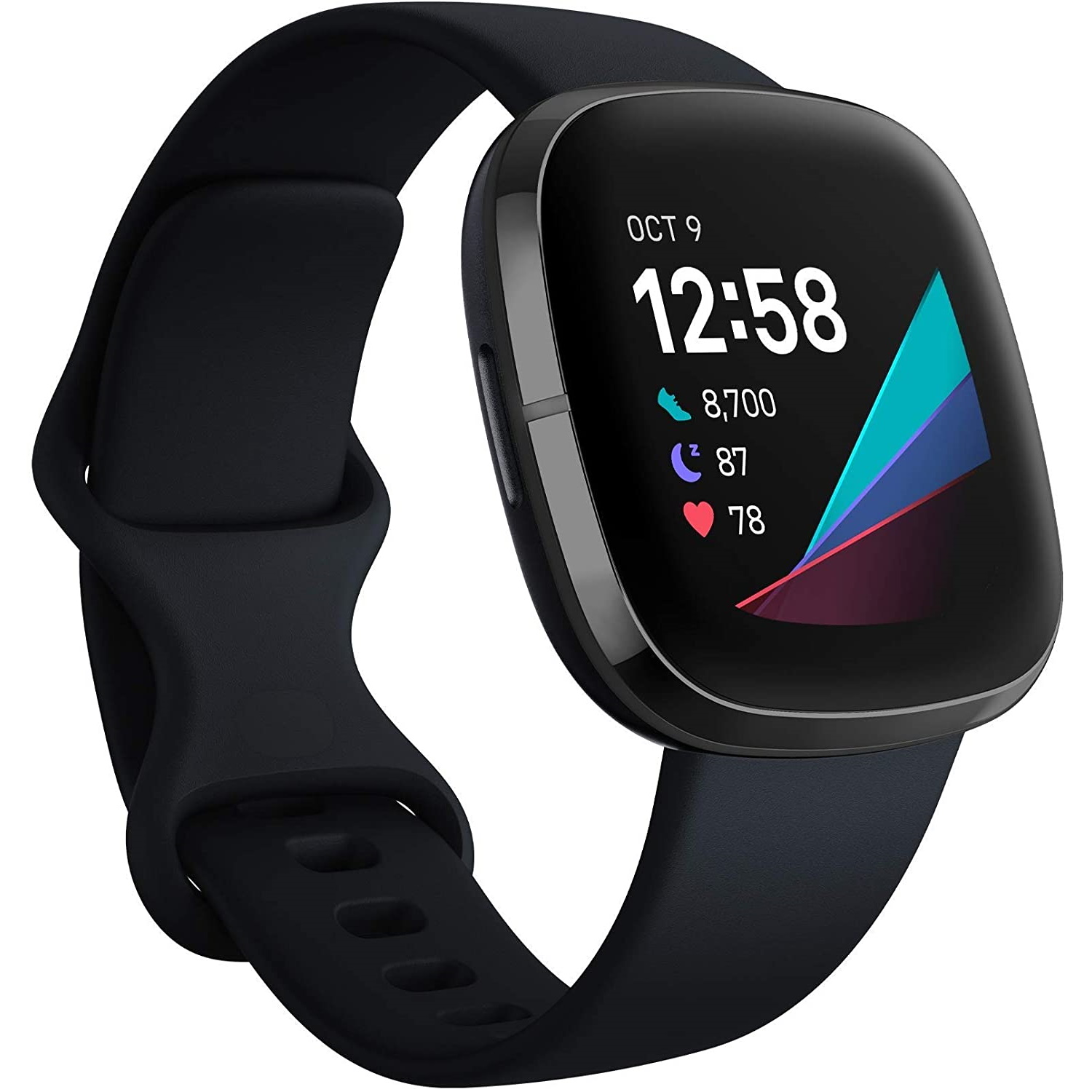
A critical technical consideration for any wearable is the trade-off between features and battery longevity. The Pixel Watch 3, with its high-resolution display and cellular connectivity options, typically offers about 24 to 36 hours of battery life with the always-on display. In contrast, the more fitness-focused trackers like the Charge 6 can last up to seven days on a single charge. This difference is largely due to the operating systems; Wear OS is a heavy, feature-rich platform, while the tracker OS is a lightweight, RTOS-based system optimized for power efficiency.
The Future of Fitbit: AI-Powered Coaching and Predictive Analytics
Looking forward, the new Fitbit watches are moving toward a future defined by predictive analytics. Google has announced the “Fitbit Labs” program, which allows users to test experimental AI features. One such feature is a personalized AI coach that uses large language models (LLMs) to analyze a user’s fitness data and provide conversational feedback.
Instead of just seeing a graph of your running pace, you could ask the app, “Why did my run feel so difficult today?” The AI would then correlate data from your recent sleep, hydration logs, and even local weather conditions to provide a technical explanation. This transition from “descriptive” data (telling you what happened) to “prescriptive” data (telling you what to do next) is the hallmark of the new era of Fitbit technology.
As hardware continues to shrink and sensor precision continues to grow, the “new” Fitbit watch is evolving into a proactive health guardian. Whether it’s through the high-performance Google Pixel Watch 3 or the streamlined Charge 6, the technology is focused on one goal: turning raw biometric data into actionable insights that help users live more informed, healthier lives.
aViewFromTheCave is a participant in the Amazon Services LLC Associates Program, an affiliate advertising program designed to provide a means for sites to earn advertising fees by advertising and linking to Amazon.com. Amazon, the Amazon logo, AmazonSupply, and the AmazonSupply logo are trademarks of Amazon.com, Inc. or its affiliates. As an Amazon Associate we earn affiliate commissions from qualifying purchases.