
The question “what is the Nazi symbol” immediately conjures images of one of history’s most notorious and universally condemned emblems. While its historical context is undeniable, dissecting this potent visual from a branding perspective offers profound insights into the sheer power of symbolism, the construction of corporate (or political) identity, and the lasting impact of visual communication. In the realm of branding, where logos, icons, and visual cues are meticulously crafted to convey meaning, identity, and values, the Nazi symbol stands as a chilling, yet instructional, case study in extreme efficacy and devastating consequences. It demonstrates, perhaps more starkly than any other, how a simple graphic can be imbued with an overwhelming amount of meaning, ideology, and emotional resonance, ultimately shaping perception, dictating identity, and leaving an indelible mark on the collective consciousness. From a branding lens, understanding this symbol isn’t just about recognizing its form, but about comprehending the deliberate processes through which it became synonymous with an ideology, a regime, and an enduring legacy of evil.
The Anatomy of a Potent Symbol: Beyond Simple Imagery
In the intricate world of branding, symbols are the bedrock of identity. They serve as shorthand for complex ideas, values, and entities. A well-designed logo can encapsulate an entire brand philosophy, differentiate a product in a crowded market, and foster loyalty. The Nazi symbol, a graphic form deeply rooted in ancient history and later controversially co-opted, provides an extreme lesson in the mechanics of how a symbol becomes profoundly potent, regardless of its inherent visual complexity.
The Power of Visual Semiotics: How Symbols Acquire Meaning
Semiotics, the study of signs and symbols and their interpretation, is fundamental to branding. Every visual element, from a chosen typeface to a color palette, carries latent meaning. A symbol’s power isn’t intrinsic to its lines and curves; it’s assigned through cultural context, repeated association, and the narratives built around it. For instance, the Apple logo isn’t just a fruit; it signifies innovation, user-friendliness, and design elegance. Similarly, luxury brands utilize specific symbols and design principles to communicate exclusivity and quality.
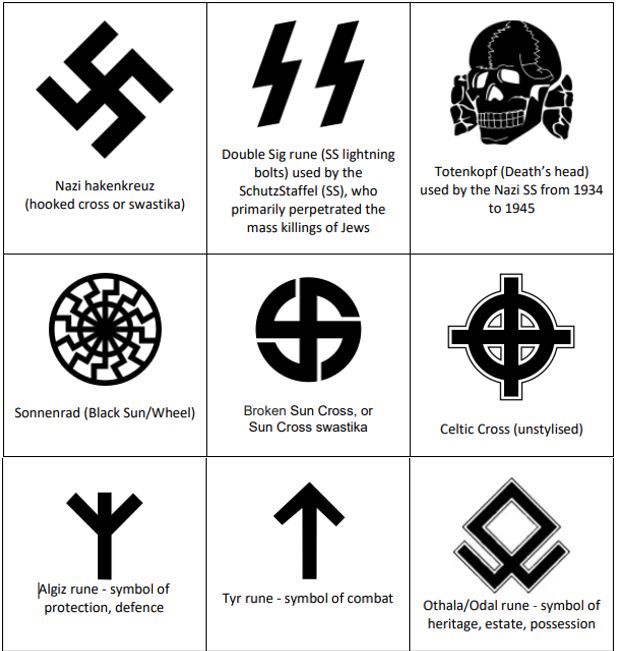
The Nazi symbol’s journey into infamy is a dramatic illustration of this semiotic process. Initially, the swastika (the graphic form adopted by the Nazis) held diverse and often positive meanings across various cultures for millennia, symbolizing good fortune, prosperity, or continuity. However, when the Nazi Party adopted it, they systematically began to strip away these pre-existing meanings and replace them with their own terrifying ideology. Through relentless propaganda, public displays, and acts of violence committed under its banner, the symbol was meticulously rebranded. It was plastered on flags, uniforms, armbands, and official documents, becoming omnipresent and inescapable. This systematic, high-frequency exposure coupled with the actions of the regime forged an unbreakable link between the graphic and the ideology. The symbol became an active participant in their brand strategy, a visual shorthand for German nationalism, racial purity, militarism, and ultimately, genocide. The emotional response it now elicits—fear, disgust, condemnation—is a testament to the absolute power of visual semiotics when harnessed with malicious intent. It ceased to be a neutral graphic and transformed into a branded emblem of hate, demonstrating how a simple symbol, through deliberate and forceful association, can become loaded with the most profound and devastating complex meanings.
From Blank Canvas to Indelible Mark: The Process of Association
The transformation of any symbol into a powerful brand identifier is largely a process of association. Consumers associate a specific symbol with a product’s quality, a company’s values, or a movement’s objectives. This association is built through consistent messaging, user experience, and the overall narrative a brand constructs. For example, the Nike swoosh evokes athleticism, achievement, and inspiration because of decades of association with elite athletes, empowering campaigns, and high-performance products.
The Nazi symbol exemplifies an extreme, negative form of this association building. The swastika, adopted by the Nazi Party in the early 20th century, wasn’t just chosen for its aesthetic; it was strategically integrated into a broader, meticulously crafted brand identity that included specific colors (red, white, black), powerful rhetoric, and grand architectural styles. This was a deliberate and aggressive act of personal branding and corporate identity construction for a political movement. The party, as a “brand,” understood the necessity of a strong, recognizable, and emotionally resonant symbol to rally supporters, intimidate opponents, and project an image of power and unity.
The association was solidified through unwavering consistency across all touchpoints: political rallies, party uniforms, military equipment, state architecture, and public art. Every single instance of the symbol reinforced its new, sinister meaning. Over time, the symbol transcended mere representation; it became an active participant in the regime’s actions, a standard under which atrocities were committed. This deliberate and pervasive strategy of association, tragically successful, embedded the symbol’s new meaning so deeply that it became an indelible mark on history. It highlights how a symbol’s meaning is not static but dynamically constructed and reinforced through consistent, repeated exposure and the lived experiences (or inflicted experiences) associated with it.
Corporate Identity and the Shadow of Infamy: Lessons in Brand Stewardship
The principles of corporate identity are universally applicable, whether to a multinational corporation or a political entity. A strong corporate identity aims to create a cohesive, recognizable, and trustworthy image. The Nazi regime, despite its abhorrent nature, employed sophisticated strategies to forge a distinct and powerful identity, offering a chilling case study in the consequences of unethical branding and the enduring shadow a symbol can cast.
The Perilous Path of Unethical Branding and Identity Construction
Ethical considerations are paramount in modern branding. Brands strive to be perceived as authentic, responsible, and aligned with positive societal values. They invest heavily in corporate social responsibility (CSR) initiatives and ethical marketing to build trust and goodwill. However, the Nazi regime pursued an identity constructed on a foundation of hate, division, and conquest. Their “brand strategy” was built around a singular, powerful symbol, aggressively propagated to instill fear in enemies and fanatic loyalty in followers.
The Nazi symbol was not merely a decorative element; it was the central pillar of their corporate identity. It represented their core “values” – racial superiority, authoritarian control, and aggressive expansionism. Every uniform, every banner, every piece of propaganda was meticulously designed to reinforce this identity. This aggressive, single-minded focus created a highly recognizable, albeit terrifying, brand image. The “brand voice” was one of command and dehumanization, the “brand promise” was one of a thousand-year Reich, and the “brand experience” was one of systematic oppression and violence. This extreme example underscores the perilous path taken when branding principles are decoupled from ethical considerations, demonstrating how powerful communication tools can be weaponized to construct an identity that is both deeply appealing to a specific demographic and utterly reprehensible to humanity. It serves as a stark reminder that while branding can unite and inspire, it can also divide and destroy when wielded with malicious intent.
The Enduring Legacy: How Symbols Outlive Their Creators
One of the defining characteristics of a truly effective brand identity is its longevity. Iconic brands manage to maintain relevance and recognition across generations, often outliving their founders and evolving with changing times. However, in the case of the Nazi symbol, its longevity is not a testament to positive brand endurance but a grim reminder of a scar on humanity. Even decades after the collapse of the Third Reich, the symbol continues to evoke an immediate and visceral reaction, universally recognized as an emblem of hate, antisemitism, and fascism.
This enduring legacy highlights several crucial aspects of brand power. Firstly, it demonstrates that once a symbol becomes deeply embedded in the collective psyche through extreme historical events, its meaning becomes almost immutable. Despite the regime’s demise, the symbol’s association with its atrocities remains absolute. Secondly, it illustrates the almost impossible task of “rebranding” a symbol that has been so thoroughly saturated with negative meaning. While the swastika once held positive connotations for many cultures, the overwhelming and horrific association forged by the Nazis has made any widespread reclamation or re-education nearly insurmountable in Western contexts. The symbol’s power continues to manifest in its use by neo-Nazi groups and hate organizations, underscoring its continued potency as a rallying cry for extremism. This phenomenon is a sobering lesson for any brand manager: the long-term impact of a brand’s identity and its associated symbols can far outstrip the lifespan of its creators, leaving an unalterable imprint on culture and history. The responsibility in designing and deploying symbols, therefore, carries an immense weight, as their meanings can become an enduring part of the global narrative.

Cultural Context and Global Perception: The Universal Language of Symbols
Symbols transcend language barriers, operating as a universal form of communication. However, their interpretation is profoundly shaped by cultural context. What signifies one thing in one culture might mean something entirely different, or even offensive, in another. Understanding this global perception is critical for any brand operating on an international stage. The Nazi symbol serves as a powerful, albeit negative, example of how a symbol’s meaning can become universally understood within a specific historical and cultural framework, regardless of its previous iterations.
Navigating Symbolism in a Diverse World: A Brand’s Responsibility
Modern brands strive for global recognition and resonance. This necessitates a deep understanding of cultural nuances in design, messaging, and visual identity. A seemingly innocuous design element in one country could be deeply offensive or carry unintended connotations elsewhere. For example, certain colors, animal motifs, or geometric shapes have vastly different meanings across diverse societies. Branding agencies invest heavily in cultural audits and local market research to avoid costly and damaging missteps.
The Nazi symbol illustrates the catastrophic consequence of failing to consider, or actively perverting, cultural context. While the swastika was historically present in many cultures, the deliberate and forceful appropriation by the Nazi regime effectively “re-coded” its meaning for a significant portion of the world. For most Western cultures, and increasingly globally, the symbol is devoid of its pre-Nazi positive connotations; it is overwhelmingly perceived through the lens of the Holocaust and World War II. This extreme shift underscores a brand’s profound responsibility to understand the historical and contemporary meanings of symbols, particularly when operating in a globalized world. It highlights that the power of a symbol to evoke collective memory and emotion means that brands must exercise extreme caution and ethical diligence to ensure their visual identity is not only unique and compelling but also respectful and aware of its potential interpretations across diverse audiences. The enduring negative global perception of the Nazi symbol is a stark reminder of the indelible mark historical events can leave on symbolic meaning, demanding unwavering vigilance from those crafting public identities.
Building Positive Brand Associations: The Counterpoint
In contrast to the destructive path taken by the Nazi regime, successful brands meticulously build positive associations around their symbols. They aim to imbue their logos and visual identity with qualities like trust, innovation, quality, or aspiration. Consider the Olympic rings, a symbol of unity, athletic achievement, and global camaraderie. Or the universally recognized peace symbol, which communicates a desire for harmony and non-violence. These symbols have achieved their positive global standing through consistent efforts to align them with noble ideals and widespread positive experiences.
The process of building positive brand associations is active and ongoing. It involves:
-
Consistent messaging: Brands repeatedly link their symbol with their desired values through advertising, public relations, and content marketing.
-
Quality products/services: The actual experience with the brand must live up to the symbolic promise. A beautiful logo means little if the product is subpar.
-
Ethical conduct: Brands that act responsibly, engage in fair practices, and contribute positively to society reinforce the positive meaning of their symbols.
-
Community building: Fostering a sense of belonging and shared purpose among customers strengthens their emotional connection to the brand and its symbol.
The Nazi symbol, by its very existence, stands as the ultimate cautionary tale, a dark mirror reflecting the immense power of symbolic branding. It compels us to consider not only how symbols become powerful but also the profound ethical responsibility that accompanies their creation and deployment. While brands typically strive for positive recognition and emotional connection, the Nazi symbol illustrates that the mechanics of building powerful associations are equally effective when employed for destructive ends. It forces a contemplation of the moral imperative embedded in every branding decision, emphasizing that symbols are not neutral tools but potent carriers of meaning that can shape perception for generations, for better or, in this extreme case, for far, far worse.
Deconstructing Negative Branding: Strategies for Brand Resilience and Reputation Management
The indelible negative branding achieved by the Nazi symbol presents a unique challenge when considering brand resilience and reputation management. While most businesses focus on building and maintaining a positive image, the existence of such universally condemned symbols forces a critical examination of how negative associations are formed, and the near impossibility of their reversal. It provides a stark lesson in the fragility of symbolic meaning and the long-term consequences of identity construction.
The Challenge of Symbol Reclamation and Re-education
For many centuries before its co-option by the Nazi Party, the swastika was a symbol of good fortune, spirituality, and prosperity in various cultures, particularly in Hinduism, Buddhism, and Jainism. The sheer power of the Nazi regime’s branding, however, irrevocably altered its meaning for much of the Western world. Today, attempts to reclaim the swastika to its original, positive interpretations are met with immense difficulty, if not outright offense. This phenomenon is a powerful testament to the near-absolute success of the Nazi “rebrand” and the subsequent challenges of reputation management on a symbolic level.
The task of reclaiming such a deeply entrenched negative symbol highlights the monumental effort required for re-education. It’s not merely about presenting historical facts; it’s about altering deeply ingrained emotional responses and cultural understanding. For most, the symbol is inextricably linked to genocide and hatred, rendering its historical positive meanings almost inaccessible. This presents a unique challenge in the branding world: how does one manage the reputation of a symbol when its negative association is so profound and universally recognized? It underscores that some acts of branding are so devastatingly effective in their negative impact that the symbol becomes permanently tainted, making true reclamation an almost insurmountable task. The lesson here for modern brands is clear: once a symbol is associated with extreme negativity, the damage to its perception is likely irreversible, necessitating the immediate abandonment of any similar or co-opted imagery.

Safeguarding Brand Integrity: Proactive Measures
Modern brands invest significantly in safeguarding their integrity and reputation. This includes not only protecting their intellectual property (trademarks, copyrights) but also proactively managing their brand image to prevent negative associations. The lessons from the Nazi symbol, albeit extreme, inform many best practices in brand protection and reputation management:
-
Vigilant Brand Monitoring: Companies constantly monitor how their brand and symbols are perceived and used in the public sphere, especially online. This includes tracking social media mentions, news coverage, and discussions in forums to quickly identify and address potential misuse or negative associations.
-
Clear Brand Guidelines: Establishing comprehensive brand guidelines ensures consistency in how the brand’s symbols (logos, colors, typography) are used across all platforms and by all stakeholders. This prevents misinterpretation or dilution of the brand message.
-
Ethical Design and Sourcing: Brands are increasingly scrutinizing their design choices and supply chains to ensure they don’t inadvertently align with problematic symbols, ideologies, or unethical practices. This includes avoiding cultural appropriation or symbols that could be misinterpreted in different contexts.
-
Crisis Communication Planning: Having a robust crisis communication plan in place allows brands to respond swiftly and effectively to any event that threatens their reputation, mitigating potential damage to their symbols and overall identity.
-
Legal Protection: Aggressively pursuing legal action against those who misuse or dilute a brand’s symbols is crucial for maintaining integrity and exclusive association. This prevents unauthorized entities from piggybacking on or tarnishing a brand’s meticulously built identity.
The Nazi symbol serves as the ultimate cautionary tale in brand integrity. It demonstrates that the power of a symbol to convey meaning is immense, and once that meaning is cemented, especially through historical atrocity, it becomes a permanent fixture in the collective consciousness. The responsibility lies with brand creators to not only forge memorable identities but to do so with an acute awareness of historical context, cultural sensitivity, and an unwavering commitment to ethical principles, ensuring that their symbols contribute positively, or at the very least, benignly, to the global tapestry of meaning.
In conclusion, “what is the Nazi symbol” is a question that, when viewed through a branding lens, unlocks profound insights into the power, peril, and enduring legacy of visual communication. It is a chilling masterclass in how a symbol can be deliberately crafted and propagated to become synonymous with an ideology, a regime, and a dark chapter in human history. The case of the Nazi symbol underscores the immense responsibility inherent in creating and deploying visual identities. It teaches us about the mechanics of association, the indelible nature of ingrained meaning, and the profound ethical considerations that must guide every branding decision. While the goal of most brands is to build positive recognition and foster loyalty, the Nazi symbol stands as a perpetual reminder of the devastating consequences when the principles of powerful identity construction are harnessed for destructive, rather than constructive, ends. Its continued recognition across the globe reinforces that symbols are not mere images; they are potent carriers of history, emotion, and identity, leaving an impact that can far outlive their original creators.
aViewFromTheCave is a participant in the Amazon Services LLC Associates Program, an affiliate advertising program designed to provide a means for sites to earn advertising fees by advertising and linking to Amazon.com. Amazon, the Amazon logo, AmazonSupply, and the AmazonSupply logo are trademarks of Amazon.com, Inc. or its affiliates. As an Amazon Associate we earn affiliate commissions from qualifying purchases.