
In the complex machinery of the United States government, most cabinet positions are viewed through a political or social lens. However, when we ask, “What does the Secretary of the Interior do?” from a financial perspective, a different picture emerges. The Secretary of the Interior is, in essence, the Chief Investment Officer of the United States’ natural capital. Overseeing one-fifth of the nation’s landmass and billions of dollars in annual revenue, this role is one of the most significant financial management positions in the world.

The Department of the Interior (DOI) manages approximately 500 million acres of surface land and 1.7 billion acres of the Outer Continental Shelf. This is not merely a task of conservation; it is a massive exercise in asset management, revenue collection, and economic stimulation.
Managing the Nation’s Trillion-Dollar Asset Portfolio
To understand the Secretary of the Interior’s role, one must first view federal lands as a diversified asset portfolio. These lands are not static scenery; they are productive assets that contribute hundreds of billions of dollars to the American Gross Domestic Product (GDP).
Federal Land Management as a Business Enterprise
The Secretary oversees bureaus such as the Bureau of Land Management (BLM) and the Bureau of Ocean Energy Management (BOEM). From a financial standpoint, these agencies function like a massive real estate and resource conglomerate. The Secretary is responsible for determining the “highest and best use” of these lands, balancing immediate revenue generation with long-term capital preservation (conservation). Decisions made by the Secretary regarding land use—whether for grazing, timber harvesting, or recreation—directly affect the commodity markets and the financial health of rural economies.
Revenue Generation from Natural Resources
One of the most critical financial functions of the Secretary is the oversight of the Office of Natural Resources Revenue (ONRR). This office is responsible for collecting, accounting for, and disbursing revenues from federal and Indian mineral leases. These revenues, which often total over $10 billion annually, are a significant source of non-tax income for the U.S. Treasury. The Secretary ensures that the American public receives “fair market value” for the use of their collective assets, a task that requires sophisticated financial auditing and market analysis.
The Economics of Energy: Oil, Gas, and Renewable Leasing
The Secretary of the Interior holds the keys to the nation’s energy independence and its transition to a green economy. By managing the leasing of federal lands for energy production, the Secretary exerts a profound influence on global energy markets and national fiscal policy.
Traditional Energy Royalties and the National Treasury
For decades, the primary financial engine of the DOI has been the leasing of land for oil, gas, and coal production. The Secretary determines the timing and scale of lease sales. These activities generate billions in royalties, rents, and bonuses. These funds do not simply sit in a bank; they are distributed to the U.S. Treasury, to various states where the production occurs, and to specific funds like the Land and Water Conservation Fund. The Secretary’s management of these “royalties” is a balancing act of ensuring energy security while maximizing the financial return to the taxpayer.
Investing in the Future: The Green Energy Transition
Under modern financial mandates, the Secretary of the Interior is increasingly acting as a venture catalyst for renewable energy. By streamlining the permitting process for utility-scale solar, wind, and geothermal projects on public lands, the Secretary is directing the flow of private capital into the green energy sector. The financial implications are massive: these projects represent billions in private sector investment and create long-term revenue streams through lease payments that are less volatile than traditional commodity-based royalties.
The Financial Ecosystem of the National Park Service
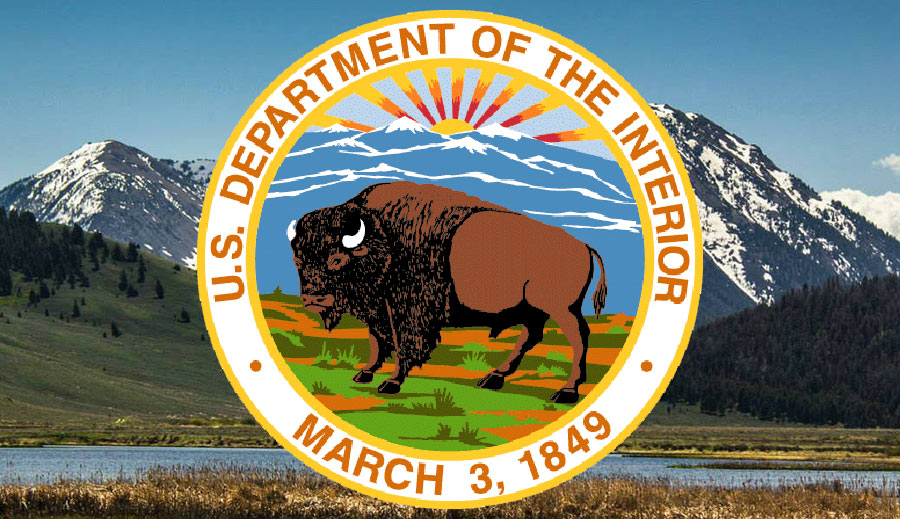
While the National Park Service (NPS) is often associated with vacations and wildlife, the Secretary of the Interior views it as a critical driver of the “Outdoor Economy.” The economic footprint of the National Parks is a vital component of the DOI’s financial impact.
The Economic Impact of Outdoor Recreation
The Secretary oversees an outdoor recreation economy that contributes over $1 trillion to the U.S. economy annually. The National Parks alone attract hundreds of millions of visitors who spend billions in “gateway communities.” This spending supports hundreds of thousands of jobs. The Secretary’s role is to manage the infrastructure and accessibility of these parks to ensure this economic engine continues to hum. When a Secretary decides to increase entry fees or invest in a new visitor center, they are making a capital expenditure decision intended to sustain a high-yield economic ecosystem.
Public-Private Partnerships and Concession Agreements
A sophisticated aspect of the Secretary’s financial portfolio is the management of concession contracts. Private companies—ranging from hospitality giants to small guide services—operate within federal lands under contracts overseen by the DOI. The Secretary ensures these contracts are financially sound, providing a return to the government while incentivizing private investment in park infrastructure. These public-private partnerships are essential for maintaining services without placing the entire financial burden on the taxpayer.
Tribal Economic Development and Fiduciary Responsibility
Perhaps the most unique and legally rigorous financial duty of the Secretary of the Interior is the fiduciary responsibility toward Indigenous nations. This is not just a matter of policy; it is a matter of managing billions of dollars in trust.
Trust Asset Management for Indigenous Nations
The Secretary, through the Bureau of Indian Affairs (BIA) and the Bureau of Indian Education (BIE), manages over 55 million surface acres and 57 million acres of subsurface mineral estates held in trust by the United States for various Indian tribes and individuals. This involves the management of trust funds—billions of dollars derived from leases, land sales, and court settlements. The Secretary acts as a trustee, with a legal obligation to manage these funds with the highest standard of care, ensuring that the financial interests of tribal members are protected and grown.
Facilitating Sustainable Growth on Tribal Lands
Beyond simple fund management, the Secretary works to empower tribal economies. By facilitating the development of tribal energy resources and supporting Indigenous-owned businesses, the Secretary helps build sustainable economic models within tribal communities. This reduces reliance on federal subsidies and promotes financial sovereignty, creating a more robust and diversified national economy.
Fiscal Oversight and Budgetary Challenges
The Secretary of the Interior must also navigate the complex world of federal budgeting, managing a multi-billion dollar annual appropriation while addressing a massive “maintenance backlog.”
Balancing Conservation Costs with Resource Income
Every year, the Secretary goes before Congress to justify the DOI’s budget. This budget must cover everything from firefighting on federal lands to scientific research by the U.S. Geological Survey (USGS). A primary challenge for the Secretary is balancing the “cost centers” (like conservation and law enforcement) with “profit centers” (like mineral leasing). The goal is to create a sustainable fiscal model where the revenue generated by federal assets helps offset the costs of their protection and maintenance.

Infrastructure Investments and the Great American Outdoors Act
The Secretary is currently overseeing one of the largest financial injections into public lands in history via the Great American Outdoors Act (GAOA). This involves managing billions of dollars aimed at fixing crumbling infrastructure in National Parks and on other public lands. This isn’t just a “spending” program; it is a strategic reinvestment in capital assets. By fixing roads, bridges, and water systems now, the Secretary prevents the exponential increase in “deferred maintenance” costs in the future, representing a savvy long-term financial strategy for the nation’s physical portfolio.
In conclusion, when we ask what the Secretary of the Interior does, we are asking about the management of a massive, diversified, and vital economic engine. From the collection of energy royalties and the management of tribal trust funds to the oversight of the trillion-dollar outdoor recreation economy, the Secretary serves as the ultimate steward of America’s financial and natural wealth. The role requires a deep understanding of markets, a firm grasp of fiduciary duty, and a strategic vision for the long-term economic health of the nation’s most valuable tangible assets.
aViewFromTheCave is a participant in the Amazon Services LLC Associates Program, an affiliate advertising program designed to provide a means for sites to earn advertising fees by advertising and linking to Amazon.com. Amazon, the Amazon logo, AmazonSupply, and the AmazonSupply logo are trademarks of Amazon.com, Inc. or its affiliates. As an Amazon Associate we earn affiliate commissions from qualifying purchases.