
The national poverty rate is one of the most critical economic indicators used by policymakers, financial analysts, and social scientists to gauge the economic health of a nation. At its core, it represents the percentage of the population living below a specific financial threshold, known as the poverty line. Understanding this figure is essential for anyone interested in the broader landscape of personal finance, national economics, and the allocation of government resources. By examining the national poverty rate, we gain insight into the distribution of wealth and the effectiveness of the current economic system in providing a baseline standard of living for its citizens.
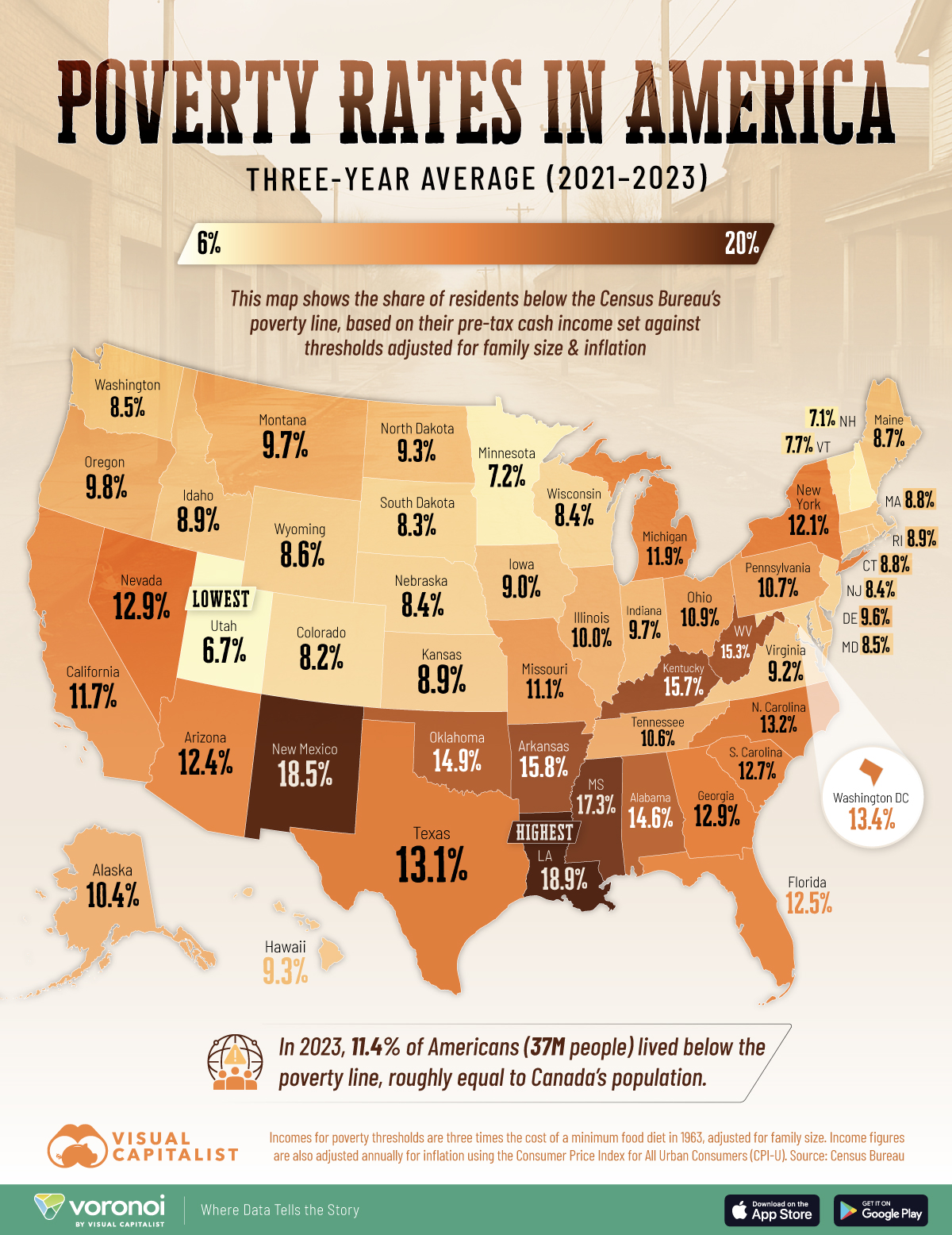
Understanding the Calculation: OPM vs. SPM
To understand what the national poverty rate is, one must first understand how it is measured. In the United States, the federal government uses two primary metrics to track poverty: the Official Poverty Measure (OPM) and the Supplemental Poverty Measure (SPM). Each offers a different lens through which to view financial instability and resource management.
The Official Poverty Measure (OPM)
The Official Poverty Measure was developed in the early 1960s by Mollie Orshansky of the Social Security Administration. It was based on the cost of a “thrifty food plan” multiplied by three, under the assumption that the average family spent one-third of its after-tax income on food. Today, this figure is updated annually for inflation using the Consumer Price Index for All Urban Consumers (CPI-U).
The OPM is a “pre-tax” cash income measure. It compares a family’s gross cash income against a set of thresholds that vary by family size and composition. However, the OPM has faced criticism from economists for being outdated. It does not account for the rising costs of housing, healthcare, or childcare—expenses that have far outpaced food inflation over the last six decades. Furthermore, it does not include non-cash benefits such as the Supplemental Nutrition Assistance Program (SNAP) or the Earned Income Tax Credit (EITC).
The Supplemental Poverty Measure (SPM)
Introduced in 2011, the Supplemental Poverty Measure provides a more nuanced view of the financial reality facing American households. Unlike the OPM, the SPM accounts for both cash and non-cash benefits, including government assistance programs. It also subtracts necessary expenses such as taxes, work-related expenses (like commuting and childcare), and out-of-pocket medical costs.
The SPM thresholds are based on a broader basket of goods, including food, clothing, shelter, and utilities (FCSU). Because it accounts for regional differences in housing costs, the SPM often reflects a higher poverty rate in expensive urban areas compared to the OPM. For investors and financial planners, the SPM is often considered a more accurate reflection of “disposable income” and the true cost of living in modern society.
The Economic Impact of Poverty on Personal and National Wealth
The national poverty rate is not just a social statistic; it is a vital economic variable that influences market dynamics, consumer spending, and the long-term sustainability of the national budget. When a significant portion of the population lives at or below the poverty line, the entire financial ecosystem feels the ripple effects.
Consumer Spending and Market Demand
Consumer spending accounts for approximately two-thirds of the Gross Domestic Product (GDP) in the United States. When the poverty rate increases, a larger segment of the population has limited discretionary income. This leads to decreased demand for goods and services, which can stifle corporate earnings and slow economic growth. From an investment perspective, high poverty rates often correlate with volatility in the retail and consumer goods sectors, as lower-income households must prioritize essential expenditures over luxury or non-essential items.
The Cost of Economic Stagnation
Persistent poverty represents a significant loss of human capital. When individuals are trapped in a cycle of financial instability, they are less likely to invest in higher education, start businesses, or contribute to the innovation economy. This “lost productivity” acts as a drag on national wealth. Furthermore, the fiscal cost of addressing the symptoms of poverty—through emergency healthcare, social safety nets, and justice system expenditures—diverts capital that could otherwise be used for infrastructure, research, and development.
The Wealth Gap and Financial Stability
The gap between the national poverty rate and the median household income is a primary indicator of wealth inequality. High levels of inequality can lead to financial instability within the broader economy. For instance, an economy heavily reliant on the top 1% of earners is more susceptible to asset bubbles, whereas an economy with a robust, financially secure middle class and a low poverty rate tends to exhibit more stable and predictable growth patterns.
Strategies for Wealth Building and Escaping the Poverty Trap
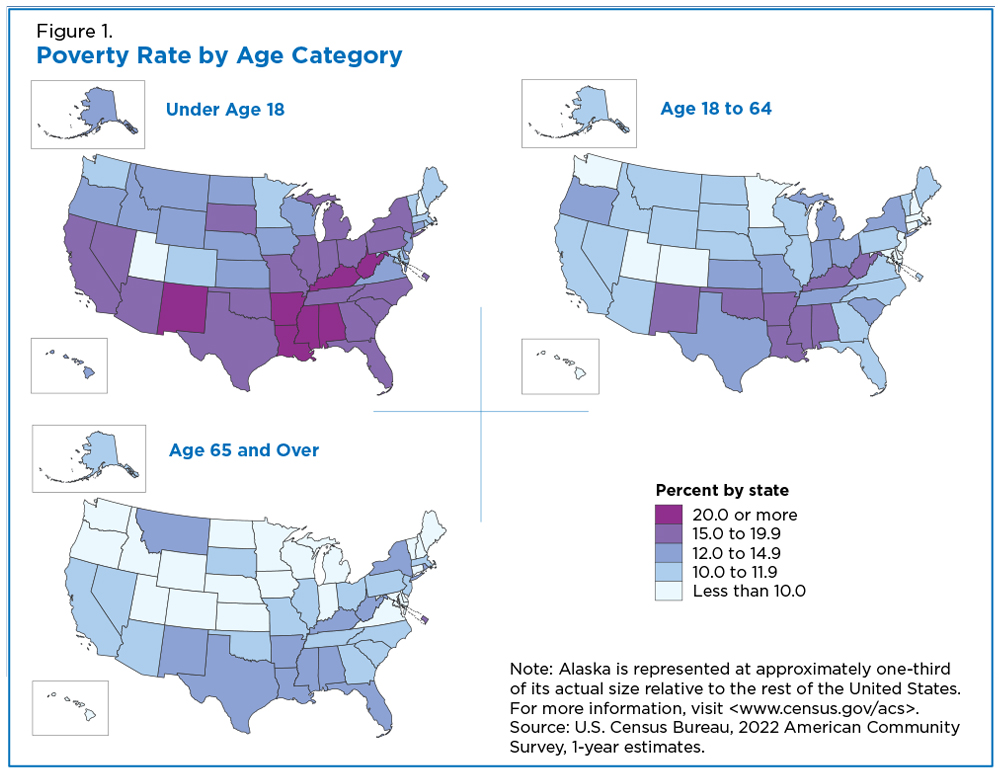
For many individuals living near or below the national poverty line, the goal is to move toward financial independence. However, the “poverty trap”—a situation where an increase in income leads to a disproportionate loss of government benefits—can make this transition difficult. Overcoming these barriers requires a strategic approach to personal finance and wealth management.
Financial Literacy and Resource Management
The first step in navigating the financial challenges of low income is mastery of basic financial principles. This includes budgeting, understanding credit scores, and identifying high-interest debt traps like payday loans. Even small improvements in financial literacy can help individuals maximize the utility of their current income and avoid the predatory financial products that often target those in lower income brackets.
The Role of Side Hustles and the Gig Economy
In the modern economy, the rise of the “side hustle” has provided a new avenue for individuals to supplement their primary income. Whether through freelance work, ridesharing, or selling goods online, these additional income streams can provide the necessary cushion to move above the poverty threshold. However, it is crucial to manage these earnings strategically, accounting for self-employment taxes and the potential impact on benefit eligibility.
Building an Emergency Fund
One of the primary characteristics of living in poverty is the lack of a financial safety net. A single car repair or medical bill can lead to a spiral of debt. Establishing an emergency fund, even if it starts with only a few hundred dollars, is a cornerstone of moving toward financial security. This fund acts as insurance against the volatility of low-wage work and provides the stability needed to take long-term financial risks, such as pursuing further education or a career change.
Government Policy, Inflation, and the Future of Financial Stability
The national poverty rate is deeply intertwined with government fiscal policy and the movements of the Federal Reserve. As the economy evolves, the strategies used to manage and mitigate poverty must also adapt to new financial realities.
Inflation and the Purchasing Power of the Poor
Inflation is often described as a “regressive tax” because it disproportionately affects those with lower incomes. When the prices of essential goods like gas and groceries rise, those living at the poverty line feel the impact immediately and severely. Unlike high-net-worth individuals who may have assets like real estate or stocks that appreciate with inflation, those in poverty often hold their limited assets in cash or have no assets at all. Consequently, the national poverty rate often fluctuates in tandem with significant shifts in the Consumer Price Index.
The “Cliff Effect” in Business and Policy
The “cliff effect” occurs when a small increase in earnings results in a total loss of eligibility for public assistance, leaving the family worse off financially than they were before the raise. This creates a disincentive for career advancement. Businesses and policymakers are increasingly looking at ways to “taper” benefits rather than cutting them off abruptly. From a corporate management perspective, understanding the cliff effect is essential for designing wage structures and benefit packages that truly support the upward mobility of entry-level employees.
Tax Policy and Wealth Redistribution
Tools such as the Earned Income Tax Credit (EITC) and the Child Tax Credit (CTC) are specifically designed to use the tax code to lower the national poverty rate. These credits represent a form of negative income tax that encourages work while providing a financial floor. For many families, these annual tax refunds are the largest single influx of cash they receive, often used for major purchases, debt reduction, or as a seed for a savings account.
Global Context: How the US Poverty Rate Compares
When discussing the national poverty rate, it is helpful to look at it through the lens of international finance. The World Bank and the OECD use different benchmarks to compare poverty across nations, which provides a broader context for the American experience.
Absolute vs. Relative Poverty
Most developing nations focus on “absolute poverty”—the inability to afford basic human needs like clean water and calories. In contrast, most developed nations, including the U.S., focus on “relative poverty,” which measures how a household’s income compares to the rest of the population. While the American poverty line represents a higher standard of living than the absolute poverty lines in developing countries, the financial struggle is relative to the cost of participating in a modern, high-cost economy.
International Benchmarks
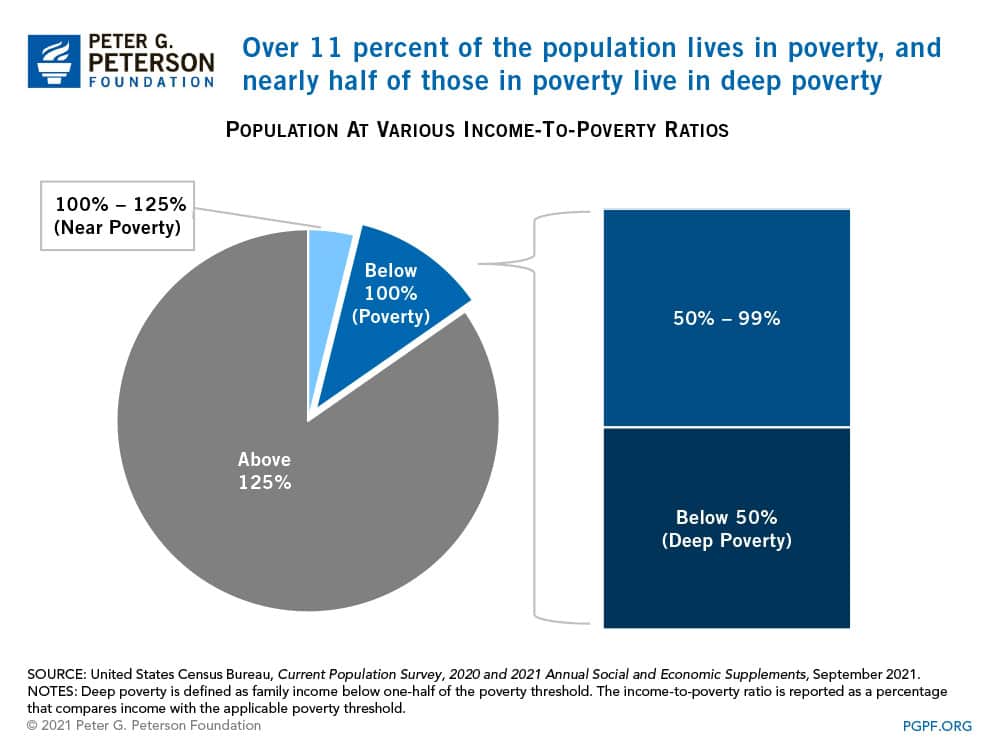
The OECD often measures poverty as 50% of the median disposable income in a given country. By this metric, the United States often shows a higher poverty rate than many other developed nations in Europe or Scandinavia. For global investors and multinational corporations, these statistics are vital for assessing market risk, labor costs, and the social stability of different regions.
Ultimately, the national poverty rate is more than just a number; it is a reflection of the economic opportunities available to a country’s citizens. For those in the world of finance and business, it serves as a reminder that the health of the economy is inextricably linked to the financial stability of its most vulnerable members. By understanding the nuances of how poverty is measured and the economic factors that drive it, we can better navigate the complexities of wealth building and national prosperity.
aViewFromTheCave is a participant in the Amazon Services LLC Associates Program, an affiliate advertising program designed to provide a means for sites to earn advertising fees by advertising and linking to Amazon.com. Amazon, the Amazon logo, AmazonSupply, and the AmazonSupply logo are trademarks of Amazon.com, Inc. or its affiliates. As an Amazon Associate we earn affiliate commissions from qualifying purchases.