
The Nasdaq, an acronym for the National Association of Securities Dealers Automated Quotations, stands as a cornerstone of the global financial landscape. More than just a stock exchange, it has become synonymous with innovation, technology, and growth. For investors and market observers alike, understanding “what is the Nasdaq right now” is crucial for gauging the health of the tech sector, assessing broader market sentiment, and making informed financial decisions. Unlike the more traditional, floor-based exchanges, Nasdaq pioneered electronic trading, making it a forward-looking entity from its inception. Today, it’s home to some of the world’s most influential companies, from tech giants to emerging biotechnological innovators, reflecting the dynamic pulse of modern industry and investment.
Understanding the Nasdaq: More Than Just a Number
To truly grasp the Nasdaq’s current state, one must first appreciate its fundamental composition and its distinct role in the financial ecosystem. It’s not a monolithic entity but rather a complex index influenced by a diverse array of companies, primarily characterized by their growth potential and often their technological advancements.
The Nasdaq Composite vs. Nasdaq 100
When people refer to “the Nasdaq,” they are typically thinking of one of two primary indices: the Nasdaq Composite or the Nasdaq 100.
- The Nasdaq Composite Index is the broader of the two, encompassing virtually all common stocks listed on the Nasdaq stock market – over 3,000 companies. Its performance reflects the collective movement of a vast array of businesses, from nascent startups to established behemoths, giving a comprehensive look at the exchange’s overall health. While it includes companies from various sectors, technology companies tend to have a significant weighting due to their often-larger market capitalizations.
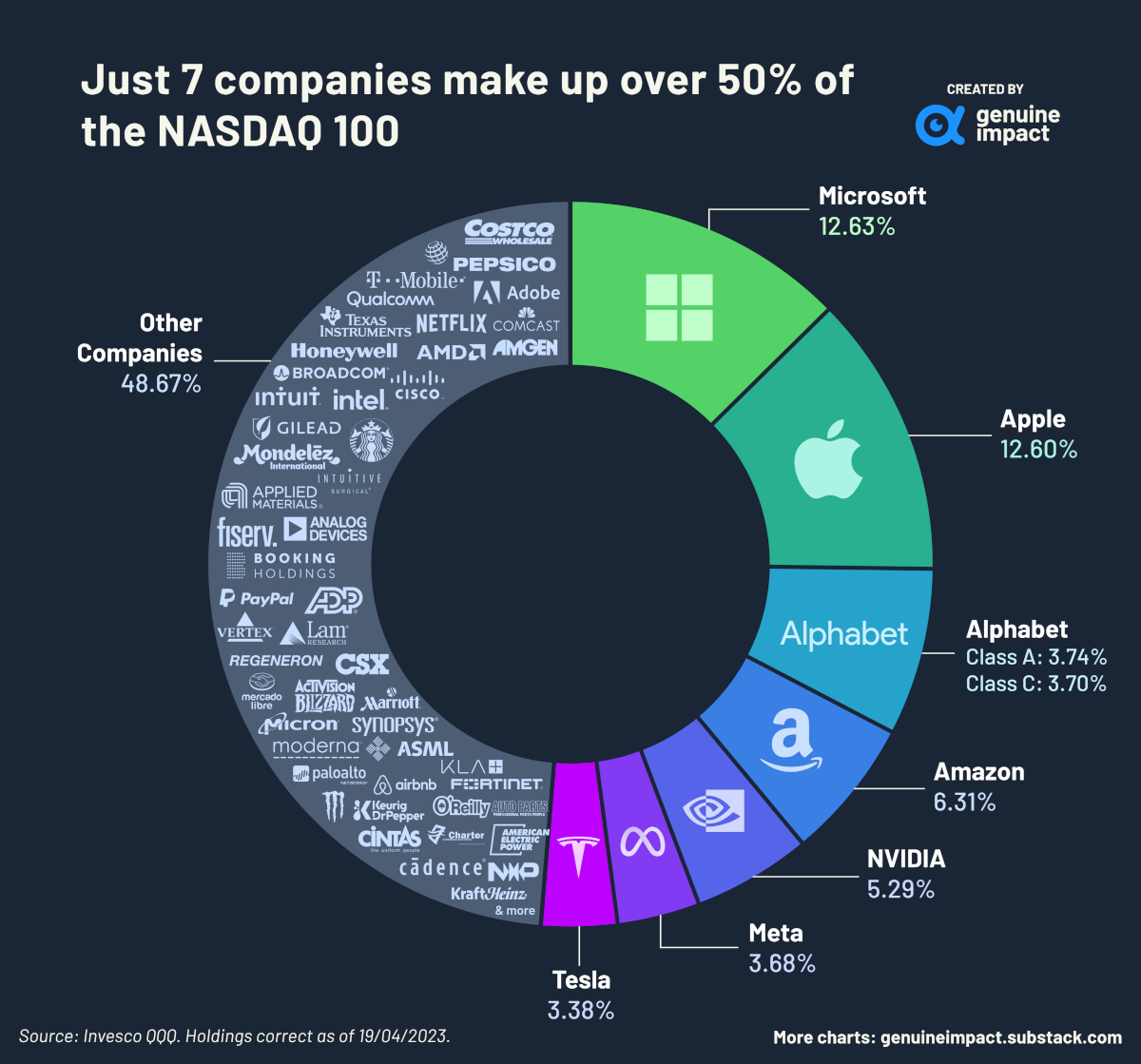
- The Nasdaq 100 Index, on the other hand, is a more concentrated index comprising the 100 largest non-financial companies listed on the Nasdaq Stock Market. This index is heavily weighted towards technology, telecommunications, retail, and biotechnology, making it a benchmark for large-cap growth stocks, particularly those in the tech sector. Its movements are often seen as a barometer for the performance of the world’s most innovative and rapidly growing companies. For investors focusing on top-tier growth, the Nasdaq 100 is often the preferred indicator. Understanding which index one is referring to is vital, as their movements, while often correlated, can diverge based on the performance of specific market segments.
A Hub for Innovation and Growth Stocks
The Nasdaq has historically attracted companies that prioritize innovation and possess significant growth potential. This characteristic stems from its roots as an electronic exchange that facilitated easier listing for newer, often tech-oriented, companies that might not have met the stringent requirements of older exchanges. This has cultivated an environment where groundbreaking technologies and disruptive business models find a welcoming home. From the dot-com boom to the current age of AI and biotechnology, the Nasdaq has consistently been the platform for companies pushing the boundaries of what’s possible. This focus on growth stocks means the index can be more volatile than broader market indices, reacting sharply to shifts in investor sentiment, technological breakthroughs, and economic forecasts that impact future earnings potential.
Its Role in the Global Financial Ecosystem
Beyond just listing companies, the Nasdaq plays a pivotal role in the global financial ecosystem. It acts as a primary capital-raising platform for innovative companies, enabling them to secure funding from public investors to fuel research, development, and expansion. Furthermore, its indices serve as essential benchmarks for fund managers, institutional investors, and individual traders worldwide. The performance of the Nasdaq provides insights into global technological advancement, consumer trends, and investment appetite for risk assets. Its influence extends to international markets, as many of its listed companies have global operations and revenue streams, making its current status a relevant indicator for economic health far beyond the United States.
Analyzing the Current State of the Nasdaq
To answer “what is the Nasdaq right now,” one must delve into its recent performance, the factors driving it, and the specific contributions of key sectors. The market is a constantly evolving entity, and the Nasdaq, with its inherent volatility, provides a fascinating case study in real-time financial dynamics.
Recent Performance Trends and Key Metrics
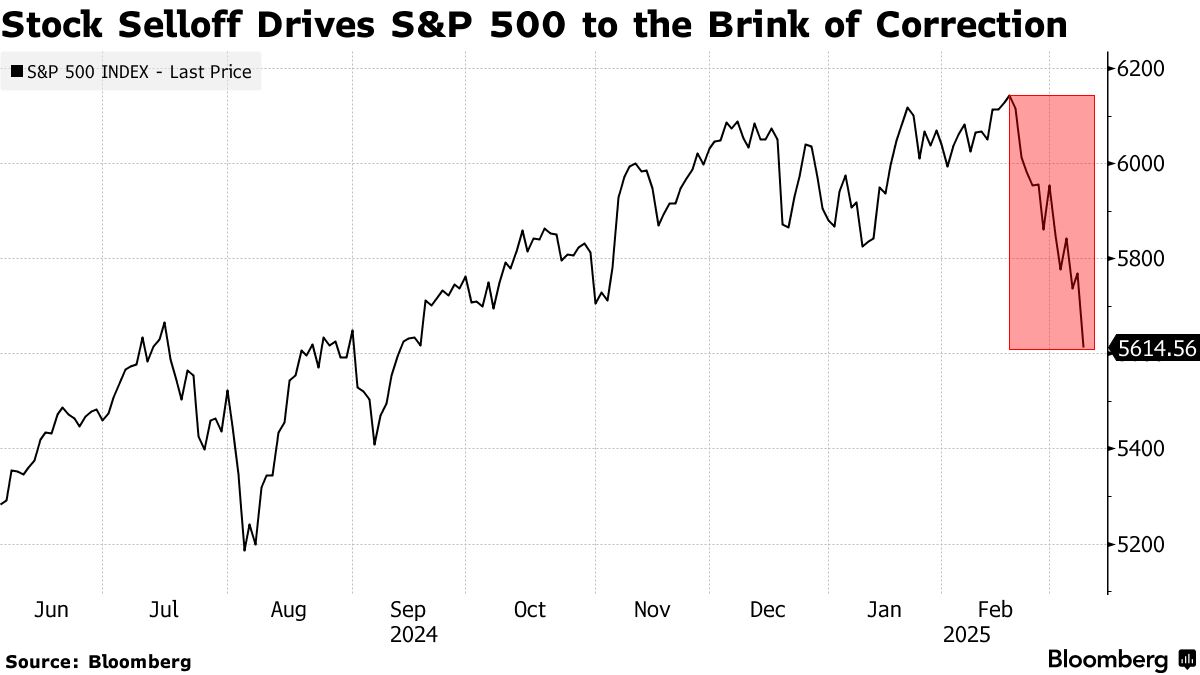
Analyzing the Nasdaq’s current state involves examining several key metrics, including its current index levels, year-to-date performance, and comparison to other major indices like the S&P 500 and the Dow Jones Industrial Average. Is it experiencing a bull run driven by enthusiasm for AI and new technologies, or is it facing headwinds from rising interest rates and inflation concerns? We look at daily, weekly, and monthly percentage changes, trading volumes, and volatility indicators (like the VIX index, though not directly Nasdaq-specific, it reflects broader market sentiment). A bullish trend would indicate strong investor confidence and a positive outlook for growth companies, often accompanied by increased trading volumes. Conversely, a bearish or consolidating trend might reflect economic uncertainty, profit-taking, or a shift towards value-oriented investments. It’s also important to consider the breadth of the market’s participation—are just a few large-cap stocks driving the gains, or is there broad participation across many companies? This breadth can indicate the sustainability of a rally.
Dissecting the Factors Driving Current Volatility/Growth
The Nasdaq’s current movements are rarely attributable to a single factor. A confluence of macroeconomic, geopolitical, and company-specific events constantly shapes its trajectory. Key drivers typically include:
- Interest Rate Expectations: The Federal Reserve’s monetary policy, particularly decisions regarding interest rates, profoundly impacts growth stocks. Higher interest rates increase the cost of capital for companies and reduce the present value of future earnings, which disproportionately affects growth companies that are often valued on their long-term potential.
- Inflation Data: Persistent inflation can erode corporate profits and consumer purchasing power, leading to reduced spending on discretionary tech products and services.
- Corporate Earnings Reports: The earnings results of Nasdaq’s constituent companies, especially the mega-cap tech firms, can single-handedly sway the index. Strong earnings signal robust business health, while misses can trigger sharp sell-offs.
- Technological Advancements: Breakthroughs in AI, biotechnology, renewable energy, or other high-growth areas can ignite investor excitement and drive sector-specific rallies within the Nasdaq.
- Geopolitical Events: Global conflicts, trade disputes, and political instability can introduce uncertainty, leading investors to flee riskier growth assets for safer havens.
- Consumer Spending Habits: As many Nasdaq companies are consumer-facing, shifts in consumer confidence and spending patterns directly influence their revenue and profitability.
Key Sectoral Contributions (Tech, Biotech, etc.)
While the Nasdaq is heavily associated with technology, it’s important to acknowledge the diverse contributions of other sectors within its indices. The “Magnificent Seven” (Apple, Microsoft, Alphabet, Amazon, Nvidia, Meta, Tesla) frequently dominate headlines and index performance due to their massive market capitalizations. However, other sectors play significant roles:
- Biotechnology: The Nasdaq is a major hub for biotech firms, from pharmaceutical giants to innovative gene-editing startups. News regarding clinical trials, FDA approvals, and scientific breakthroughs can drive significant movements within this segment.
- E-commerce & Retail: Companies like Amazon exemplify the digital retail revolution, and their performance is closely tied to consumer spending habits and digital transformation trends.
- Semiconductors: Companies designing and manufacturing the chips that power modern electronics are foundational to the tech sector. Their performance is a key indicator of demand across various industries, from automotive to artificial intelligence.
- Software & Cloud Computing: The shift to cloud-based services and subscription software models continues to drive growth for numerous Nasdaq-listed companies, making this a critical and expanding segment.
- Clean Energy & EVs: Emerging companies in electric vehicles, battery technology, and renewable energy are increasingly finding their place on the Nasdaq, reflecting global efforts towards sustainability. Understanding which sectors are leading or lagging provides deeper insight into the index’s overall trajectory and underlying economic narratives.
Economic Influences and Market Sentiment
Beyond the immediate numbers, the Nasdaq’s current status is profoundly shaped by broader economic forces and the prevailing sentiment among investors. These macro-level factors dictate the environment in which growth companies operate and how their future prospects are valued.
Interest Rates and Inflation: A Double-Edged Sword
For the Nasdaq, interest rates and inflation represent a double-edged sword. Growth companies, often valued on their future earnings potential, are particularly sensitive to changes in interest rates. When interest rates rise, the discount rate used to value these future earnings increases, effectively reducing their present value. This makes future profits less attractive today, often leading to a pullback in growth stock valuations. Higher rates also increase borrowing costs for companies, impacting their ability to fund expansion and innovation.
Inflation, similarly, can be detrimental. While moderate inflation might signal a healthy economy, persistent high inflation can erode corporate profit margins due to increased input costs (materials, labor) and potentially dampen consumer demand. Central banks’ efforts to combat inflation through aggressive rate hikes can further exacerbate the pressure on growth-oriented sectors, making the current inflation and interest rate environment a paramount concern for Nasdaq investors. Monitoring central bank communications, CPI reports, and employment data is therefore critical to understanding the likely path of the Nasdaq.
Geopolitical Events and Their Market Ripple Effects
In an increasingly interconnected world, geopolitical events cast long shadows over financial markets, and the Nasdaq is no exception. Conflicts, trade disputes, political instability in key regions, and even major elections can introduce significant uncertainty. For Nasdaq companies, many of which have global supply chains and international customer bases, such events can disrupt operations, impact revenue, and lead to reduced investor confidence. For instance, trade tensions can lead to tariffs that increase costs or limit market access, while regional conflicts can cause commodity price spikes that affect manufacturing and logistics. Investors often respond to geopolitical uncertainty by seeking “safe haven” assets, moving away from growth stocks and other riskier investments, which can trigger broad sell-offs across the Nasdaq. Analyzing the current geopolitical landscape and its potential ramifications is thus an integral part of understanding the Nasdaq’s present volatility and future trajectory.
Investor Confidence and Earnings Season Impact
Investor confidence is a powerful, albeit intangible, force driving market movements. When confidence is high, investors are more willing to take risks, pour capital into growth companies, and bid up valuations. Conversely, a loss of confidence can trigger widespread selling. This sentiment is heavily influenced by factors such as economic indicators (GDP growth, employment figures), political stability, and most crucially, corporate earnings.
Earnings season is a critical period for the Nasdaq. Quarterly reports from its constituent companies provide concrete data on revenue, profitability, and future guidance. Strong earnings and optimistic outlooks can ignite rallies, while disappointing results or cautious forecasts can lead to significant price drops, especially for companies whose valuations are built on high growth expectations. Beyond the pure numbers, the market scrutinizes management commentary on sector trends, technological innovation, and competitive landscapes. The aggregate performance and forward guidance of Nasdaq’s key players often dictate the overall sentiment and direction for the entire index, making the impact of earnings seasons a primary driver of its current “right now” status.
Navigating the Nasdaq: Implications for Investors
For individuals and institutions alike, understanding “what is the Nasdaq right now” is ultimately about its implications for their financial strategies. The Nasdaq’s unique characteristics—its growth orientation, technological focus, and higher volatility—demand specific considerations for effective investing.
Portfolio Diversification and Risk Management
Given the Nasdaq’s concentration in growth and technology stocks, effective portfolio diversification and robust risk management are paramount. A portfolio solely exposed to the Nasdaq, particularly the Nasdaq 100, can be highly volatile. While this offers significant upside potential during bull markets, it also exposes investors to substantial drawdowns during downturns or sector-specific corrections. Diversification typically involves allocating capital across different asset classes (e.g., bonds, real estate), various sectors (e.g., healthcare, financials, industrials), and different geographies. Within equities, it means balancing growth stocks (like those on the Nasdaq) with value stocks, dividend-paying stocks, and defensive sectors that tend to perform better during economic contractions.
Risk management also involves setting clear investment goals, understanding one’s risk tolerance, and employing strategies like dollar-cost averaging to mitigate the impact of market timing. For those keen on Nasdaq exposure, consider using broad-market index funds or ETFs that track the Nasdaq Composite or Nasdaq 100, which offer inherent diversification across hundreds of companies, rather than concentrating in just a few individual stocks.
Opportunities in Growth vs. Value Investing
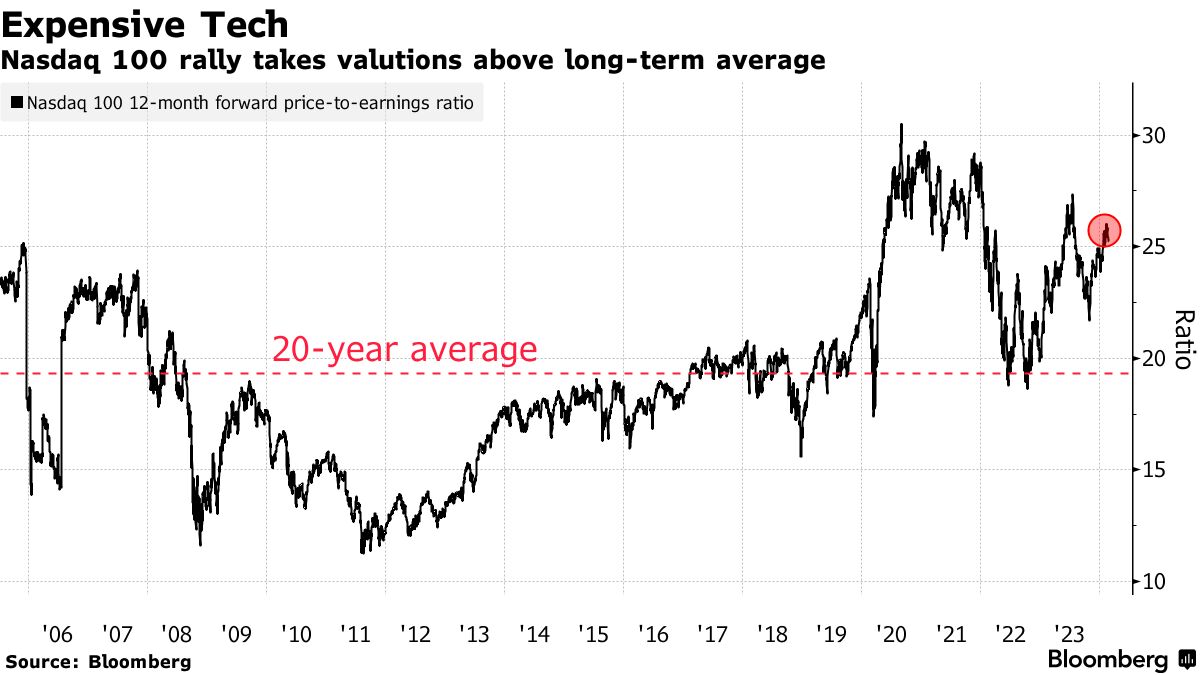
The Nasdaq is largely synonymous with growth investing, where investors seek companies expected to grow their earnings and revenues at a faster rate than the overall market. These companies often reinvest profits back into the business, offer little to no dividends, and their valuations are heavily based on future expectations. When the economy is robust and interest rates are low, growth stocks tend to outperform.
However, market cycles often see a rotation between growth and value investing. Value investing focuses on companies that appear to be trading below their intrinsic value, often characterized by stable earnings, lower price-to-earnings ratios, and sometimes higher dividends. When economic uncertainty rises or interest rates climb, investors might shift from high-flying growth stocks to more stable, less volatile value stocks. Understanding the current economic climate and the prevailing market sentiment can help investors determine whether it’s a period more favorable to growth (and thus, potentially the Nasdaq) or a time for greater caution and a tilt towards value. A balanced approach, combining elements of both, can provide resilience across different market conditions.
Utilizing Nasdaq-focused Financial Tools and ETFs
For investors looking to gain exposure to the Nasdaq without selecting individual stocks, a range of financial tools and exchange-traded funds (ETFs) are available.
- ETFs: These are particularly popular, as they track the performance of an index like the Nasdaq Composite or Nasdaq 100. Examples include the Invesco QQQ Trust (QQQ), which tracks the Nasdaq 100, or funds that track the broader Nasdaq Composite. ETFs offer instant diversification, lower expense ratios compared to actively managed funds, and ease of trading.
- Index Funds: Similar to ETFs, mutual funds that track Nasdaq indices provide diversified exposure.
- Sector-Specific ETFs: For those wanting more granular exposure, there are ETFs focused on specific Nasdaq sectors, such as technology, biotechnology, or semiconductors.
- Options and Futures: More advanced investors can use options or futures contracts based on Nasdaq indices for hedging or speculative purposes, though these carry significantly higher risk.
Utilizing these tools allows investors to align their portfolios with their conviction about the Nasdaq’s current and future trajectory, while managing risk through diversification and professional management inherent in such instruments. Thorough research into the fees, holdings, and historical performance of any chosen financial product is always recommended.
The Future Outlook: What Lies Ahead for the Nasdaq
Predicting the future of any financial market is inherently challenging, but by analyzing underlying trends and anticipated shifts, we can form an informed perspective on what might lie ahead for the Nasdaq. Its destiny is intertwined with global economic developments, technological innovation, and evolving investment paradigms.
Anticipated Economic Shifts and Policy Changes
The future trajectory of the Nasdaq will largely depend on key economic shifts and the monetary and fiscal policies enacted by governments and central banks worldwide.
- Interest Rate Path: Will central banks continue with a restrictive monetary policy, or will they pivot to rate cuts as inflation moderates? A shift towards lower interest rates would generally be a tailwind for growth stocks on the Nasdaq, as it would make future earnings more valuable.
- Inflation Control: Sustained success in bringing inflation down to target levels would reduce pressure on central banks and potentially stabilize economic conditions, fostering a more predictable environment for corporate planning and investor confidence.
- Economic Growth: The pace of global economic growth, particularly in major economies, directly impacts corporate earnings and consumer spending, which are vital for Nasdaq companies. A strong global GDP growth outlook typically supports a bullish Nasdaq.
- Government Spending and Regulation: Fiscal policies, such as infrastructure spending or tax changes, and new regulations, particularly in technology or antitrust, can significantly affect the operating environment and profitability of Nasdaq-listed companies.
Emerging Technologies and Their Potential Impact
The Nasdaq’s historical strength has been its ability to capitalize on emerging technologies, and this will undoubtedly continue to shape its future. We are currently witnessing an acceleration in several transformative areas:
- Artificial Intelligence (AI): The widespread integration of AI across industries—from software development and data analytics to robotics and healthcare—is poised to create new markets and significantly boost the productivity of many Nasdaq companies. Companies at the forefront of AI innovation and application will likely see sustained growth.
- Biotechnology and Genomics: Advances in gene editing, personalized medicine, and drug discovery are revolutionizing healthcare. Nasdaq, as a major listing venue for biotech firms, is set to benefit from these scientific breakthroughs.
- Quantum Computing: While still nascent, quantum computing has the potential to fundamentally change computation, and early leaders in this space could become future Nasdaq giants.
- Renewable Energy and Sustainable Technologies: The global push towards decarbonization is fueling innovation in solar, wind, battery storage, and electric vehicles, creating a new wave of growth companies for the Nasdaq.
These technological frontiers will not only drive the growth of new companies but also necessitate innovation within established firms to remain competitive, constantly reshaping the index’s composition and drivers.
Long-Term Trends and Strategic Investment Approaches
Looking beyond immediate market fluctuations, several long-term trends will likely define the Nasdaq’s future and inform strategic investment approaches:
- Digital Transformation: The ongoing shift towards digital everything—digital commerce, remote work, cloud computing, and digital entertainment—ensures a sustained demand for the products and services offered by Nasdaq’s tech-heavy constituents.
- Globalization of Innovation: While primarily U.S.-based, many Nasdaq companies are global players. The flow of talent, capital, and ideas across borders will continue to influence innovation and market opportunities.
- Demographic Shifts: Aging populations, urbanization, and changing consumer preferences will create new demands that innovative Nasdaq companies will seek to address, particularly in areas like healthcare technology and personalized services.
- Increased Automation and Robotics: Automation across manufacturing, logistics, and services will continue to drive efficiency and demand for advanced technological solutions.
For long-term investors, a strategic approach might involve maintaining diversified exposure to the Nasdaq through index-tracking ETFs, selectively investing in companies that demonstrate strong leadership in key emerging technologies, and periodically rebalancing portfolios to adapt to changing market conditions and economic cycles. The Nasdaq’s future remains bright, provided it continues to be the home for companies that innovate, adapt, and drive the global economy forward.
aViewFromTheCave is a participant in the Amazon Services LLC Associates Program, an affiliate advertising program designed to provide a means for sites to earn advertising fees by advertising and linking to Amazon.com. Amazon, the Amazon logo, AmazonSupply, and the AmazonSupply logo are trademarks of Amazon.com, Inc. or its affiliates. As an Amazon Associate we earn affiliate commissions from qualifying purchases.