
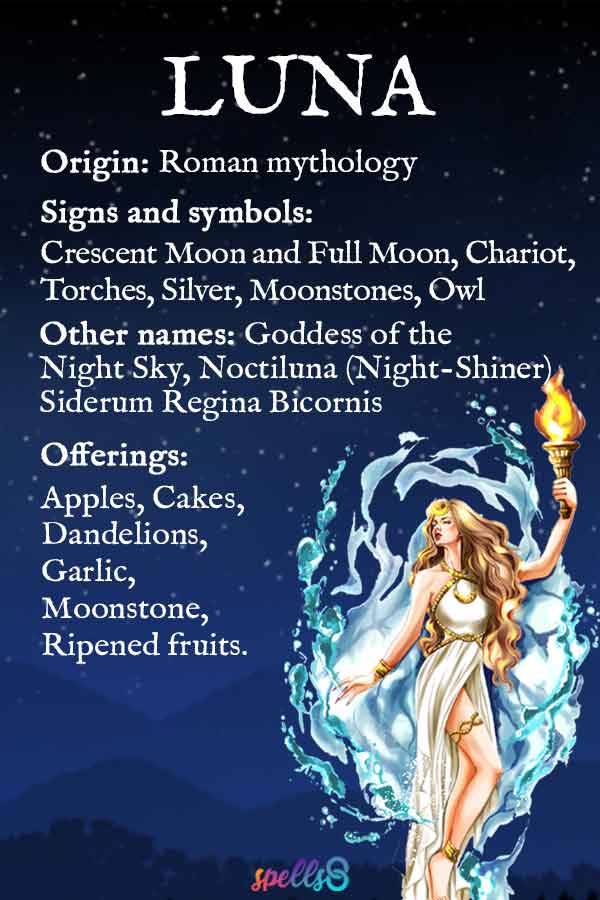
The ancient Romans did not merely observe the night sky; they codified it, giving names to celestial bodies that would endure for millennia. When we ask, “What is the name the Romans gave the moon?” the answer is simple yet profound: Luna. While the Greeks worshipped Selene, the Romans bestowed the title Luna, a name derived from the Latin word lucere, meaning “to shine.”
In the modern era, this linguistic heritage has transitioned from the realm of mythology into the high-stakes world of global branding. Today, “Luna” is more than a celestial body; it is a masterclass in brand strategy, an evocative identifier used by tech giants, luxury labels, and startups to convey a specific set of values. Understanding why the Roman name for the moon remains a cornerstone of corporate identity requires a deep dive into the psychology of nomenclature, the power of archetypes, and the strategic selection of brand assets.

The Etymology of Influence: Why Roman Nomenclature Endures
The choice of “Luna” as a brand identifier is rarely accidental. In brand strategy, the goal is to evoke an immediate emotional response while ensuring the name is memorable and versatile. The Roman name for the moon carries a weight that modern, fabricated names often lack.
The Shift from Selene to Luna: A Branding Lesson
While the Greek Selene feels ethereal and perhaps overly academic, the Roman Luna is punchy, rhythmic, and accessible. In branding, this is known as “phonaesthetics.” The soft “L” sound combined with the open “a” creates a sense of fluid elegance. For a brand strategist, selecting a name with Roman roots offers an instant “heritage boost.” It connects a 21st-century product to a civilization known for its longevity, law, and architectural prowess.
Symbols, Archetypes, and Consumer Perception
In Jungian psychology—a field frequently mined by marketing experts—the moon represents the feminine, the cyclical, and the subconscious. By adopting the name Luna, a brand aligns itself with these archetypes. Whether it is a skincare line focusing on “nightly renewal” or a software company emphasizing “fluidity,” the Roman name provides a pre-built narrative. You aren’t just selling a product; you are selling a celestial constant.
Why ‘Luna’ Dominates the Corporate Landscape
If you scan trademark databases today, you will find “Luna” appearing in thousands of active filings. From Amazon’s cloud gaming service to high-end mattress companies and jewelry designers, the Roman name is a recurring protagonist. This prevalence is driven by three specific strategic advantages.
Phonaesthetics and Universal Appeal
One of the hardest tasks in global branding is finding a name that works across different languages without negative connotations. “Luna” is virtually universal. Because it is the root of “lunar” in English, “luna” in Spanish and Italian, and “lune” in French, it possesses a high “linguistic ROI.” It is easy to pronounce in Tokyo, New York, and Paris alike. In the Brand niche, this is referred to as “linguistic transparency,” and it significantly reduces the cost of localized marketing campaigns.
The Contrast of Stability and Mystery
Brands often struggle to balance being “trustworthy” (stable) with being “innovative” (mysterious). The Roman name for the moon bridges this gap perfectly. The moon is a constant, predictable presence in the sky, providing a sense of reliability. Simultaneously, it is associated with the night, dreams, and the unknown. A brand named Luna can position itself as a reliable partner while maintaining a “cool,” cutting-edge aesthetic.
Minimalism in Visual Identity
From a design perspective, the word “Luna” is a gift. It is short, balanced (four letters), and visually symmetrical. This allows for clean, minimalist logo treatments. When a brand name is this concise, the corporate identity can focus on negative space and iconography—often utilizing the crescent shape—which is one of the most recognizable symbols in human history.
Case Studies: The Strategic Execution of ‘Luna’
To understand how the Roman name functions in a commercial context, we must look at how different industries have weaponized the name to capture market share.
Amazon Luna and the Tech Frontier
When Amazon entered the cloud gaming market, they bypassed technical jargon and chose “Luna.” In this context, the branding strategy was to position the service as something that exists “in the ether” or “in the clouds,” much like the moon. It suggests a reach that is vast and celestial. By using a Roman name, Amazon grounded a highly abstract technology (low-latency cloud streaming) in a familiar, ancient concept. It made the futuristic feel approachable.
The Wellness and Lifestyle Sector: Luna Bar and Beyond
In the CPG (Consumer Packaged Goods) space, Luna Bar stands as a primary example of gender-targeted branding. By utilizing the Roman name, the brand tapped into the historical and biological associations between the moon and femininity. The branding strategy here wasn’t just about the name; it was about the entire visual ecosystem—the deep blues of the packaging and the crescent imagery—all flowing from that initial Roman designation.
Luxury and the “Moonlight” Premium
High-end brands often use “Luna” to signify exclusivity. In the automotive and watchmaking industries, “Luna” editions often feature silver-grey palettes and pearlescent finishes. Here, the brand strategy is to evoke the Roman “Luna” as a symbol of cool, reflected light—the antithesis of the harsh, utilitarian sun. It positions the product as sophisticated, meant for the “after-hours” lifestyle of the elite.
Navigating the Challenges of Celestial Branding
While the Roman name for the moon is a powerful asset, it is not without its strategic pitfalls. As more companies flock to classical nomenclature, the “brand space” becomes increasingly crowded.
The Trademark Overcrowding Crisis
The biggest hurdle for any brand wanting to use the name Luna today is “dilution.” When a name is used by everyone from a dog food brand to a crypto token, its distinctiveness wanes. A brand strategist must ask: “Can we own this name in our specific category?” If you are launching a mattress brand named Luna, you are competing with decades of established trademarks. This requires “sub-branding” or “composite naming” (e.g., LunaSleep, LunaTech) to ensure legal protection and search engine dominance.
Cultural Sensitivities and the “Lunacy” Risk
The Roman root Luna also gave us the word “lunatic,” based on the ancient belief that the moon caused temporary insanity. While this rarely affects modern brand perception, a thorough brand audit must always consider the “shadow side” of a name. In some niche markets, particularly those dealing with mental health or high-stakes finance, the subtle linguistic connection to instability might be a deterrent.
The Future of Classical Nomenclature in a Digital Age
As we move further into the era of AI and digital-first identities, the reliance on Roman names like Luna shows no signs of slowing down. In fact, it may be accelerating.
AI-Driven Naming and the Return to Roots
Modern naming algorithms often prioritize “human-centric” sounds. As AI tools generate thousands of brand name options, they frequently settle on Latinate roots because those roots are hardcoded into our linguistic preferences. The Roman name for the moon remains a “top-tier” result because it satisfies all the algorithmic requirements for a successful modern brand: brevity, lack of harsh consonants, and positive sentiment.
Personal Branding in the “Lunar” Space
We are also seeing a rise in personal branding where individuals adopt “Luna” as a pseudonym or brand handle. In the creator economy, where your “handle” is your corporate identity, the Roman name provides an instant aura of mystery and aesthetic cohesion. It allows creators to build a “tribe” around a symbol that has been universally understood for two thousand years.

Conclusion: The Eternal Brand
What is the name the Romans gave the moon? They called it Luna, but in doing so, they provided the modern business world with one of its most potent branding tools. A name is never just a label; it is a vessel for meaning. By choosing “Luna,” a brand inherits a legacy of light, femininity, and celestial endurance.
In the competitive landscape of the 21st century, where attention is the ultimate currency, the ability to tap into an ancient, universal concept is an invaluable strategic advantage. Whether it is used to sell cloud gaming services or organic energy bars, the Roman name for the moon proves that some identities are truly timeless. As long as we look to the sky in wonder, the name Luna will continue to shine at the forefront of brand strategy.
aViewFromTheCave is a participant in the Amazon Services LLC Associates Program, an affiliate advertising program designed to provide a means for sites to earn advertising fees by advertising and linking to Amazon.com. Amazon, the Amazon logo, AmazonSupply, and the AmazonSupply logo are trademarks of Amazon.com, Inc. or its affiliates. As an Amazon Associate we earn affiliate commissions from qualifying purchases.