
In the rapidly evolving landscape of digital finance, Cash App has emerged as a dominant force, transforming how millions of individuals send, receive, and invest money. Developed by Block, Inc. (formerly Square), the platform has become a household name, often replacing traditional checking accounts for younger generations and gig workers. However, a common point of confusion for many users arises when they need to provide banking details for direct deposits or government stimulus payments: what exactly is the name of the bank for Cash App?
The short answer is that Cash App is not a bank. Instead, it is a financial technology platform that partners with established banking institutions to provide its services. To understand which bank handles your specific transactions, it is necessary to look at how Cash App structures its partnerships with Sutton Bank and Lincoln Savings Bank.
The Dual-Bank Architecture: Sutton and Lincoln Savings Bank
Cash App does not hold a banking charter itself. To provide regulated financial services such as debit cards and direct deposits, it leverages the infrastructure of licensed banks. Depending on which feature you are using, you may be interacting with one of two primary partners.
Sutton Bank and the Cash Card
If you use the Cash App Card—the physical Visa debit card linked to your account—Sutton Bank is the institution responsible for its issuance. Based in Attica, Ohio, Sutton Bank is a community bank that has become a major player in the FinTech space by providing the backend infrastructure for prepaid and debit card programs.
When you sign up for a Cash Card, Sutton Bank manages the card’s network connectivity and ensures that your transactions are processed through the Visa network. If an employer or a merchant asks for the bank associated with your card for verification purposes, Sutton Bank is the name you will typically provide.
Lincoln Savings Bank and Direct Deposits
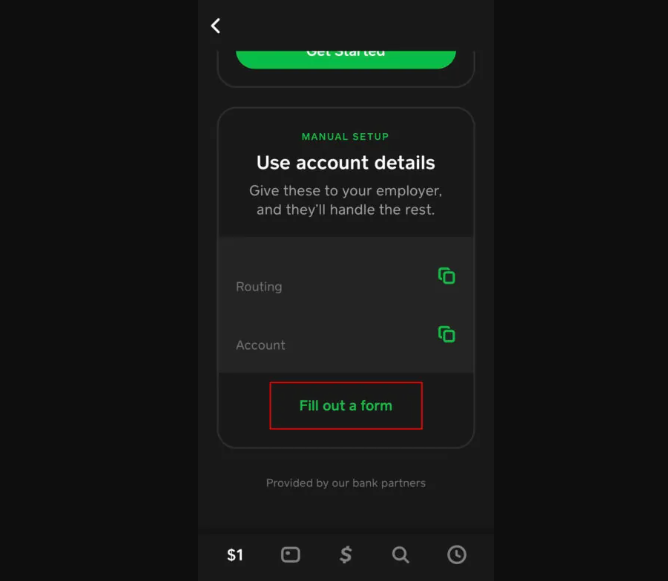
While Sutton Bank handles the debit card, Cash App often utilizes Lincoln Savings Bank for its direct deposit services. Lincoln Savings Bank, headquartered in Iowa, provides the routing and account numbers that allow users to receive paychecks, tax refunds, and other ACH (Automated Clearing House) transfers directly into their Cash App balance.
It is important to note that the specific bank assigned to your account can vary based on when your account was created and which services you have activated. Users can find their specific banking partner by tapping the “Banking” tab on their Cash App home screen and viewing their unique routing and account numbers.
How the Partnership Works: Banking-as-a-Service (BaaS)
The relationship between Cash App and its partner banks is a prime example of “Banking-as-a-Service” (BaaS). This model allows tech companies to offer financial products without having to navigate the complex and expensive process of obtaining a full banking charter.
The Role of Block, Inc.
Block, Inc. acts as the user interface and the technology layer. They design the app, manage customer support, and build features like the Lightning Network for Bitcoin or the stock trading interface. However, Block does not store the physical cash in its own vaults. When you deposit money into Cash App, that money is moved to the partner banks, which hold the funds in “omnibus” accounts.
Regulatory Compliance and Oversight
Because Cash App operates through Sutton and Lincoln Savings Bank, it must adhere to strict federal and state regulations. These banks ensure that Cash App complies with Anti-Money Laundering (AML) laws and Know Your Customer (KYC) requirements. This is why Cash App requires users to verify their identity with a Social Security number and government ID before they can access higher spending limits or certain banking features.
Security and FDIC Insurance: Is Your Money Safe?
One of the most critical questions in personal finance is whether your money is protected if a financial institution fails. In traditional banking, this protection is provided by the Federal Deposit Insurance Corporation (FDIC).

Understanding Pass-Through Insurance
Cash App offers FDIC insurance on a “pass-through” basis. This means that while Cash App itself is not an FDIC member, the funds you hold in your account are deposited into accounts at Sutton Bank or Lincoln Savings Bank, which are FDIC-insured.
As of current regulations, this coverage protects up to $250,000 of your balance against the failure of the partner bank. However, there are nuances to this coverage. To qualify for FDIC insurance through Cash App, a user typically must have a Cash Card. Without the card, the funds may not be eligible for pass-through insurance, as the account is viewed differently by regulatory standards.
Limitations of Coverage
It is vital for users to understand that FDIC insurance only covers the failure of the bank. It does not protect against unauthorized access to your account due to a compromised password or scams where you voluntarily send money to a fraudulent party. Furthermore, funds held in the form of Bitcoin or stocks within Cash App are not insured by the FDIC. Stocks are instead protected by the Securities Investor Protection Corporation (SIPC) through Cash App Investing LLC, while Bitcoin carries no government-backed insurance.
The Advantages of Using Cash App for Banking Needs
The rise of Cash App as a banking alternative is driven by its accessibility and the integration of multiple financial tools into a single interface. For many, the traditional banking system presents barriers such as high monthly fees, minimum balance requirements, and physical branch visits.
Speed and Accessibility
One of the primary benefits of using the routing numbers provided by Lincoln Savings Bank is the speed of direct deposits. Cash App often makes funds available up to two days earlier than traditional banks. This is particularly advantageous for hourly workers or those living paycheck to paycheck who need immediate access to their earnings.
Integrated Financial Ecosystem
Unlike a traditional bank account, Cash App allows for a seamless transition between spending, saving, and investing. Within the same app that receives your paycheck, you can set up “Satis” (automated savings), purchase fractional shares of publicly traded companies, or buy and sell Bitcoin. This consolidation of financial tools makes it a powerful platform for those looking to manage their entire financial life in one place.
Choosing the Right Financial Tool: Cash App vs. Traditional Banks
While knowing the name of the bank for Cash App is essential for logistical purposes, it also highlights the differences between FinTech and traditional banking. Deciding whether to use Cash App as your primary financial hub requires an analysis of your specific needs.
When Cash App is Sufficient
Cash App is an excellent tool for peer-to-peer (P2P) transfers, receiving side-hustle income, and managing daily discretionary spending. Its “Boost” feature, which offers instant discounts at various merchants when using the Cash Card, provides a level of immediate reward that many traditional debit cards lack. For individuals who primarily handle digital transactions and do not require complex banking services like wire transfers or safety deposit boxes, the Sutton and Lincoln Savings Bank partnership provides all the necessary utility.
When a Traditional Bank is Necessary
Despite its features, Cash App lacks certain protections and services offered by full-service banks. For example, Cash App does not offer joint accounts, which can be a dealbreaker for couples managing shared expenses. Additionally, while the app offers basic customer support, it does not have the physical presence of a traditional bank where you can speak to a manager in person to resolve complex disputes.
Furthermore, for those looking to build a long-term credit history or secure a mortgage, maintaining a relationship with a traditional bank or credit union is often beneficial. These institutions offer a wider array of lending products and personalized financial advice that FinTech platforms are not yet equipped to provide.

The Future of Cash App and Digital Banking
The partnership between Cash App and its partner banks is not static. As Block, Inc. continues to expand, we may see shifts in how these financial services are structured. The company recently integrated “Cash App Taxes” (formerly Credit Karma Tax), further entrenching itself in the financial lives of its users.
As the lines between technology companies and banks continue to blur, the importance of understanding the “plumbing” of our financial apps becomes even more critical. Knowing that Sutton Bank and Lincoln Savings Bank are the engines behind the Cash App interface allows users to navigate the world of digital finance with greater confidence and clarity. Whether you are filling out a direct deposit form or inquiring about the safety of your savings, understanding the role of these partner banks is the first step in mastering your personal finances in the digital age.
aViewFromTheCave is a participant in the Amazon Services LLC Associates Program, an affiliate advertising program designed to provide a means for sites to earn advertising fees by advertising and linking to Amazon.com. Amazon, the Amazon logo, AmazonSupply, and the AmazonSupply logo are trademarks of Amazon.com, Inc. or its affiliates. As an Amazon Associate we earn affiliate commissions from qualifying purchases.