
Navigating the complexities of payroll taxes is one of the most significant financial responsibilities a business owner faces. It is not merely an administrative task; it is a critical component of business finance that impacts cash flow, legal standing, and long-term viability. For many entrepreneurs, the shift from a solo operation to a team-based structure brings a steep learning curve regarding the Internal Revenue Service (IRS) and state taxing authorities.
Managing employee taxes requires precision, a deep understanding of federal and state mandates, and a disciplined approach to financial reporting. Failing to handle these obligations correctly can lead to severe penalties, interest charges, and even personal liability for business owners. This guide provides an in-depth exploration of how to effectively manage, calculate, and remit employee taxes to ensure your business remains compliant and financially sound.
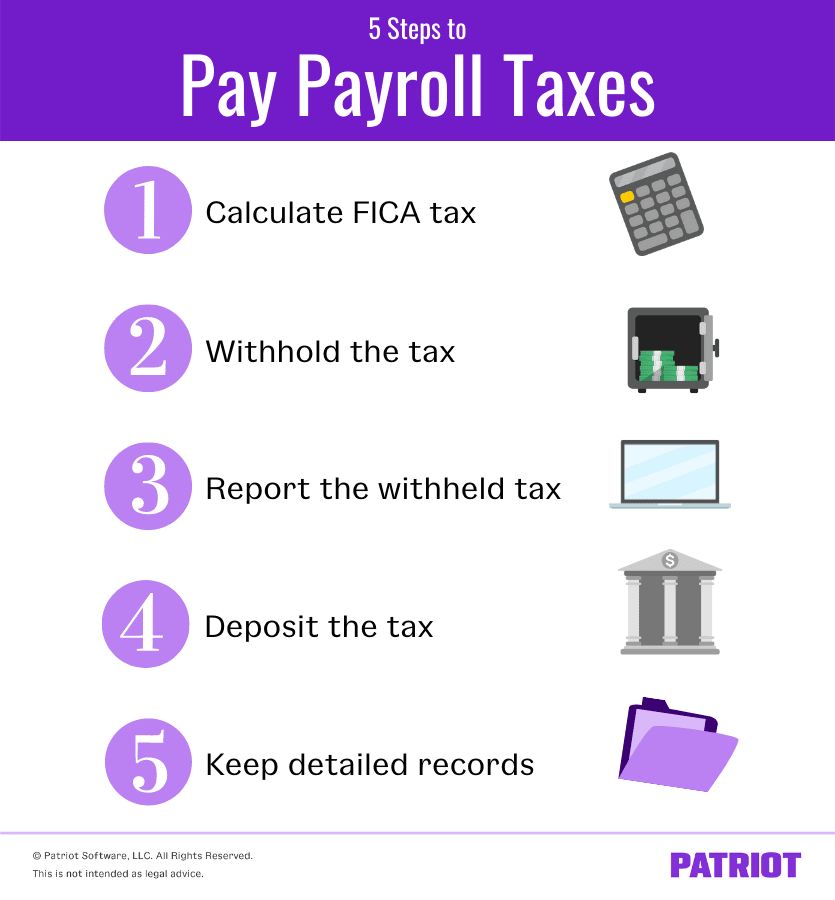
Demystifying the Tax Stack: Identifying Your Obligations
Before you can pay employee taxes, you must understand exactly what constitutes the “tax stack” for a modern business. Payroll taxes are generally divided into two categories: those withheld from the employee’s wages and those paid directly by the employer.
Federal Income Tax (FIT)
Federal income tax withholding is based on the information provided by the employee on Form W-4. As a business owner, you do not “pay” this tax out of your own pocket; rather, you act as a fiduciary agent for the government. You withhold a portion of the employee’s gross pay and hold it in trust until it is time to remit it to the IRS. The amount fluctuates based on the employee’s filing status, dependents, and other adjustments.
FICA: Social Security and Medicare
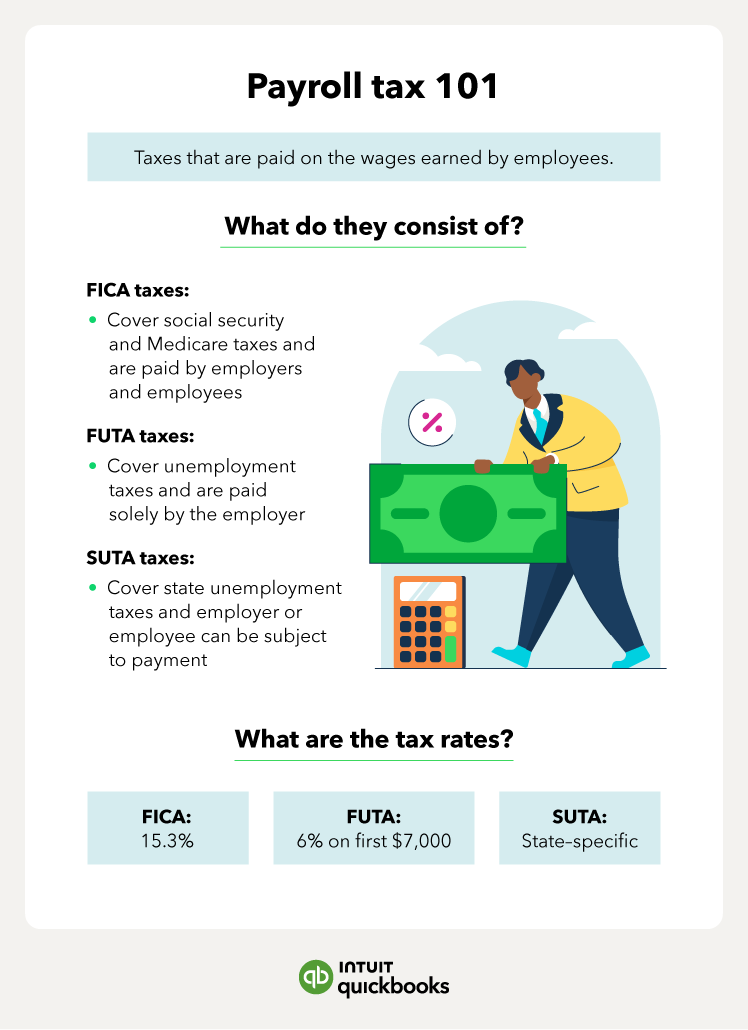
The Federal Insurance Contributions Act (FICA) governs the funding for Social Security and Medicare. Unlike federal income tax, FICA is a shared responsibility. Both the employer and the employee contribute 7.65% of the employee’s gross wages (6.2% for Social Security and 1.45% for Medicare). Managing this requires a keen eye on the “Social Security Wage Base,” which is an annual cap on the earnings subject to the Social Security portion of the tax.
FUTA: Federal Unemployment Tax
The Federal Unemployment Tax Act (FUTA) is an employer-only tax. Employees do not contribute to FUTA. This tax provides funds for paying unemployment compensation to workers who have lost their jobs. While the standard rate is 6.0% on the first $7,000 paid to each employee annually, most businesses receive a credit of up to 5.4% if they pay their state unemployment taxes on time, effectively reducing the FUTA rate to 0.6%.
State and Local Levies
In addition to federal requirements, most states impose their own income taxes and unemployment insurance (SUI) taxes. Some municipalities also require local income tax withholdings. Each jurisdiction has its own set of rules, rates, and filing frequencies, adding a layer of complexity to the financial management of a multi-state workforce.
The Mechanics of Withholding: Moving from Gross to Net
The process of paying employee taxes begins long before you send a check to the Treasury. It starts with the calculation of “Net Pay”—the amount the employee actually receives.
Setting the Foundation with Documentation
Every financial transaction regarding payroll must be backed by accurate documentation. For every new hire, you must collect a Form W-4 (for federal withholding) and the equivalent state form. Additionally, you must verify the employee’s eligibility to work in the United States using Form I-9. These documents dictate the mathematical logic of your tax calculations.
Calculating the Withholding
To determine how much to withhold, you must first calculate the gross pay for the period. This includes hourly wages, salaries, bonuses, and commissions. From this total, you subtract any “pre-tax” deductions, such as contributions to a 401(k) or certain health insurance premiums.
The remaining amount is the “taxable wage.” Using the IRS Publication 15 (Circular E), you determine the federal income tax to withhold. You then apply the 7.65% FICA rate to the taxable wages. It is essential to remember that as the employer, you must also set aside an equal 7.65% from your business funds to match the employee’s FICA contribution.
The Importance of the “Trust Fund” Mindset
In business finance, the money withheld from employees is often referred to as “trust fund taxes.” This terminology is crucial. The law views this money as belonging to the government from the moment it is withheld. Using these funds as temporary working capital for the business is a common, yet devastating, mistake. Maintaining a separate bank account specifically for payroll taxes is a best practice that prevents the accidental commingling of operating funds and tax liabilities.
The Compliance Calendar: Deposits and Filings
Paying employee taxes is not a one-time event; it is a recurring cycle of deposits and reports. The frequency of your payments is determined by the size of your payroll.
Determining Your Deposit Schedule
The IRS generally assigns businesses to one of two deposit schedules: monthly or semi-weekly. This is based on the total tax liability you reported during a “lookback period.”
-
Monthly Depositors: If you reported $50,000 or less in taxes during the lookback period, you must deposit taxes on the 15th day of the following month.
-
Semi-weekly Depositors: If your liability exceeded $50,000, your deposits are due on either Wednesday or Friday, depending on which day you processed your payroll.
All federal tax deposits must be made via the Electronic Federal Tax Payment System (EFTPS). Hard-copy checks are no longer accepted for these deposits.
Quarterly and Annual Reporting
Depositing the money is only half the battle; you must also report the figures to ensure they match the government’s records.
-
Form 941: This is the Employer’s Quarterly Federal Tax Return. It summarizes the wages paid, the taxes withheld, and the employer’s share of FICA.
-
Form 940: Filed annually, this form reports your FUTA tax liability.
-
Forms W-2 and W-3: At the end of the year, you must provide each employee with a W-2 showing their total earnings and taxes paid, while submitting the W-3 transmittal form to the Social Security Administration.
Failure to reconcile these forms with your actual deposits can trigger an automated “Notice of Proposed Assessment” from the IRS, leading to audits and fines.
Strategic Financial Management: Preventing Costly Errors
In the realm of business finance, errors in payroll taxes are significantly more expensive than errors in almost any other category. The IRS is particularly aggressive in this area because payroll taxes represent a massive portion of federal revenue.
Misclassification: The Contractor vs. Employee Trap
One of the most frequent mistakes business owners make is misclassifying workers as independent contractors (1099) instead of employees (W-2) to avoid paying payroll taxes. The IRS uses a “Common Law Rules” test focusing on behavioral control, financial control, and the relationship of the parties. If the IRS determines you have misclassified a worker, you may be held liable for all unpaid employer and employee taxes, plus interest and significant penalties.
The Risk of Personal Liability
Unlike most corporate debts, payroll tax liabilities can “pierce the corporate veil.” Under the Trust Fund Recovery Penalty (TFRP), the IRS can hold “responsible persons”—which often includes owners, officers, and even high-level accounting staff—personally liable for unpaid withholding taxes. This means your personal assets, including your home and savings, could be at risk if the business fails to pay its employee taxes.
Maintaining Robust Records
Detailed record-keeping is the best defense against financial scrutiny. You should retain all payroll records for at least four years. This includes time sheets, records of wages paid, tax returns filed, and proof of deposits. In the event of a state or federal audit, having a clean, organized paper trail can mean the difference between a quick resolution and a protracted legal battle.
Optimizing Payroll Workflows for Long-Term Growth
As a business scales, managing these financial obligations manually becomes nearly impossible. Integrating modern financial tools and professional expertise is essential for maintaining accuracy and allowing the leadership to focus on growth.
Leveraging Integrated Payroll Systems
Modern business finance relies heavily on automation. Integrated payroll software can automatically calculate withholdings, track changing tax rates across different jurisdictions, and facilitate electronic deposits. These systems reduce the risk of human error and ensure that deadlines are never missed. When choosing a tool, ensure it offers “full-service” capabilities, meaning the provider assumes responsibility for the accuracy and timeliness of the filings.
The Role of Professional Oversight
Even with sophisticated software, the insight of a Certified Public Accountant (CPA) or a dedicated payroll specialist is invaluable. A professional can help with complex scenarios, such as handling taxes for remote employees in different states, managing fringe benefits, or navigating the tax implications of employee stock options. They provide a layer of strategic financial planning that software alone cannot offer.

Building Tax Compliance into Your Cash Flow Projections
Finally, employee taxes must be a core component of your cash flow management strategy. When projecting expenses, many owners only look at the net wages. However, the true “cost of labor” includes the employer’s share of taxes and the administrative costs of compliance. By accurately forecasting these liabilities, you ensure that your business remains liquid and prepared to meet its obligations to both its employees and the government.
In conclusion, paying employee taxes is a rigorous discipline that demands constant attention. By understanding the various tax types, adhering to strict deposit schedules, and utilizing professional financial tools, you protect your business from the catastrophic risks of non-compliance. Effective tax management is not just a legal requirement; it is a hallmark of a mature, financially healthy enterprise.
aViewFromTheCave is a participant in the Amazon Services LLC Associates Program, an affiliate advertising program designed to provide a means for sites to earn advertising fees by advertising and linking to Amazon.com. Amazon, the Amazon logo, AmazonSupply, and the AmazonSupply logo are trademarks of Amazon.com, Inc. or its affiliates. As an Amazon Associate we earn affiliate commissions from qualifying purchases.