
When one asks, “What is the name of Chase Bank?”, the answer, while seemingly straightforward, unravels a complex tapestry of corporate identity, brand strategy, and historical legacy. It’s more than just a label; it’s a carefully constructed persona that represents one of the world’s most formidable financial institutions. Understanding the nuances of its name offers profound insights into how a brand communicates its heritage, trustworthiness, and distinct offerings to a diverse global audience. In the realm of branding, a name is the bedrock upon which reputation, recognition, and resonance are built, and Chase Bank stands as a prime example of this strategic imperative.
The Official Identity: JPMorgan Chase & Co.
To accurately answer the question, one must first distinguish between the widely recognized consumer-facing brand and the expansive legal corporate entity that encompasses it. “Chase Bank” is indeed the common parlance, but the full, legal, corporate name is JPMorgan Chase & Co. This distinction is not merely semantic; it is fundamental to understanding the breadth and strategic segmentation of its brand identity.
Unpacking the Corporate Moniker
The full legal name, JPMorgan Chase & Co., explicitly links two titans of American finance. The “JPMorgan” prefix honors J.P. Morgan & Co., an investment banking powerhouse with roots dating back to the mid-19th century, renowned for its role in industrial financing and financial market stability. It evokes a sense of tradition, high finance, and institutional strength.
Conversely, “Chase” refers to the Chase Manhattan Corporation, which, through a series of mergers and acquisitions, became a prominent name in retail and commercial banking. This part of the name is designed for accessibility, memorability, and direct engagement with the everyday consumer and mid-market businesses. It is concise, dynamic, and has become synonymous with checking accounts, credit cards, mortgages, and consumer loans. The strategic use of “Chase” as the primary public-facing brand for its consumer and commercial banking operations allows for a clear, relatable identity that resonates with millions, distinct from the more formal and institutionally oriented “JPMorgan.”
The Merger That Forged an Empire
The formation of JPMorgan Chase & Co. as we know it today is a testament to significant strategic consolidation within the financial sector. The pivotal event was the merger in 2000 between J.P. Morgan & Co. and Chase Manhattan Corporation. This was not just a financial transaction but a profound exercise in brand architecture.
Prior to the merger, Chase Manhattan was a dominant force in retail banking, with a ubiquitous presence across the United States. J.P. Morgan & Co. was an elite investment bank, serving corporations, governments, and wealthy individuals. The merger aimed to create a universal bank, combining the formidable strengths of both entities: the retail reach and consumer familiarity of Chase with the institutional gravitas and global prowess of J.P. Morgan. The decision to retain both names in the corporate moniker, and to strategically deploy them for different segments, was a brilliant stroke of brand strategy. It allowed the newly formed entity to leverage the existing brand equity of each name without diluting their individual strengths or confusing their respective target markets. This strategic nomenclature ensured continuity while signaling a new era of integrated financial services.
The Power of “Chase”: A Brand Legacy
The decision to primarily use “Chase” for its consumer and commercial banking operations highlights the immense power and strategic value embedded within this concise name. “Chase” isn’t just part of a longer corporate title; it’s a standalone brand powerhouse in its own right, carefully cultivated over decades.
Recognizability and Accessibility
The name “Chase” possesses an inherent recognizability and accessibility that is crucial for a retail financial institution. It’s short, easy to pronounce, and memorable, making it highly effective in advertising, digital interfaces, and everyday conversations. Unlike some banking names that might sound formal or intimidating, “Chase” has an approachable quality. This simplicity has been instrumental in making “Chase” synonymous with everyday banking services for millions of Americans. Its widespread branch network, extensive ATM presence, and aggressive marketing campaigns have further solidified this instant recognition, cementing its place in the public consciousness as a go-to bank. The ease with which consumers can recall and refer to “Chase” contributes significantly to its market penetration and customer acquisition efforts.
Brand Promise and Perception
Beyond mere memorability, the name “Chase” carries a significant brand promise and shapes consumer perception. For many, “Chase” signifies reliability, innovation, and convenience. The brand has consistently invested in technology, offering robust mobile banking apps, online services, and payment solutions that align with modern consumer expectations. This perception of innovation, coupled with its long-standing history, instills a sense of trust. The brand’s messaging often emphasizes security, personalized service, and a broad array of financial tools designed to meet diverse needs, from individual savings to business loans. The “Chase” brand, therefore, promises a comprehensive, secure, and user-friendly banking experience, a promise that is constantly reinforced through its products, services, and customer interactions.
Crafting a Corporate Identity: Visuals and Messaging
A brand’s name is inextricably linked to its visual identity and the messages it conveys. For Chase, this connection is meticulously managed to ensure consistency, impact, and a clear differentiation within a competitive market. The name provides the foundation, but visuals and messaging bring the brand to life.
Logo and Visual Elements
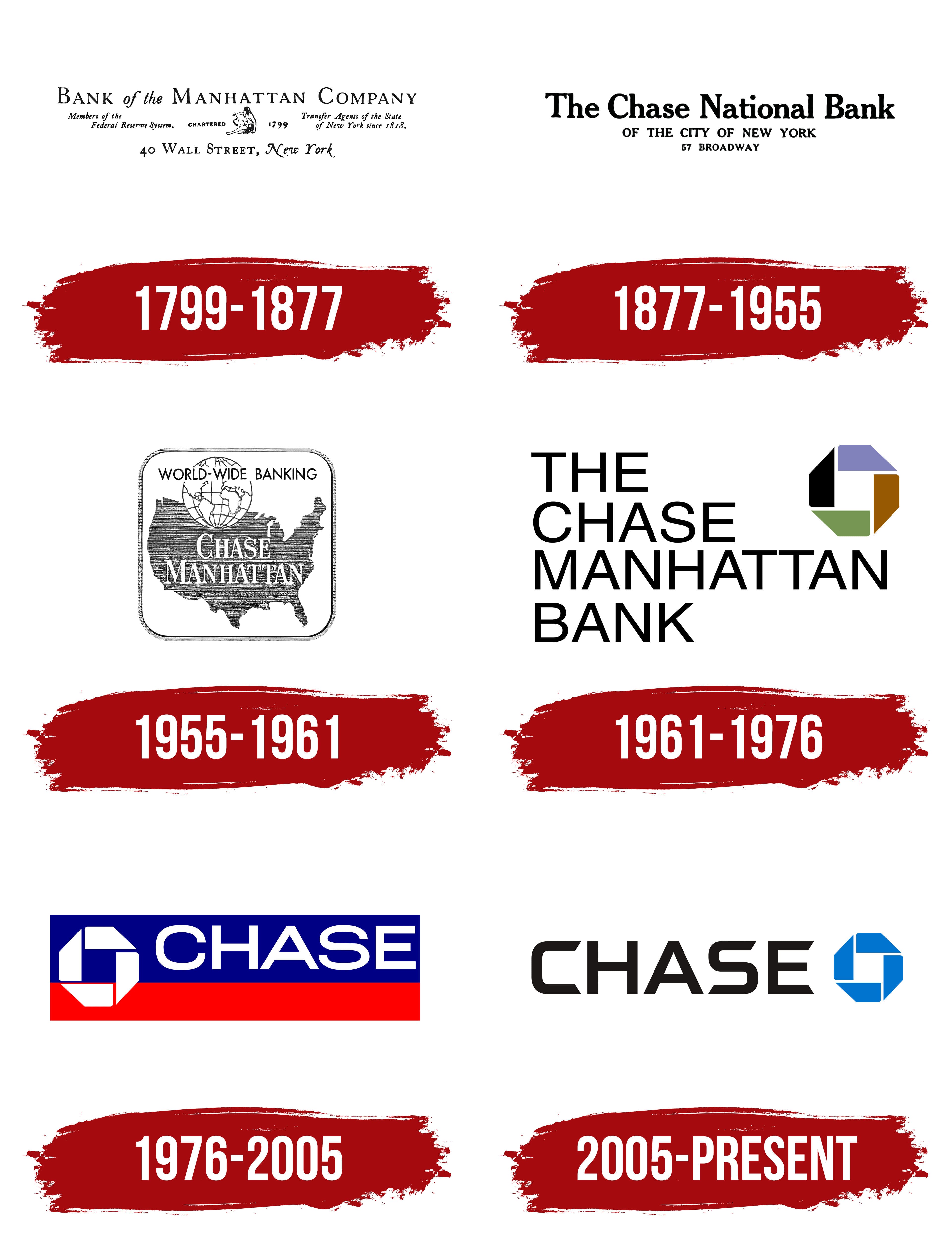
The iconic Chase octagonal logo is instantly recognizable and deeply integrated with the “Chase” brand name. Its distinctive shape and consistent use of a deep blue color palette evoke stability, professionalism, and trustworthiness. The octagon itself can symbolize multifaceted services or eight points of strength, subtly reinforcing the breadth of Chase’s offerings. Over the years, while the logo has undergone minor refinements to modernize its appearance, its core elements have remained consistent, a strategic choice that reinforces brand legacy and avoids consumer confusion. This visual continuity, combined with a clear, sans-serif typography for the word “Chase,” ensures that the brand presents a unified and confident front across all its touchpoints – from physical branches and credit cards to digital platforms and advertising.
Messaging and Brand Voice
The “Chase” brand voice is typically professional yet accessible, authoritative yet empathetic. Its messaging consistently reinforces key themes such as financial empowerment, security, and partnership. Advertising campaigns often feature diverse individuals and small businesses achieving their financial goals with the support of Chase products and services. The brand avoids overly complex financial jargon, opting instead for clear, benefit-driven communication that resonates with a broad consumer base. For example, campaigns promoting its credit card rewards often highlight experiences and lifestyle benefits rather than just interest rates. This strategic communication ensures that the brand name “Chase” is associated not just with transactions, but with enabling life’s ambitions and securing financial futures. The consistency in this voice across all platforms—social media, customer service, and marketing—is crucial for building a cohesive and trustworthy brand image.
The Brand’s Reach: Beyond Retail Banking
The strategic segmentation of the JPMorgan Chase & Co. umbrella is a masterclass in brand architecture, allowing the organization to cater to distinctly different markets while maintaining overall corporate coherence. The “Chase” brand serves a specific, vital function within this broader structure.
Differentiating Business Units
While “Chase” dominates the consumer and small business banking landscape, the “J.P. Morgan” brand is strategically reserved for the institution’s elite operations: investment banking, asset management, and private banking. This deliberate separation allows each brand to cultivate a distinct identity and appeal to its specific target audience without diluting the other’s focus. “J.P. Morgan” projects an image of global financial leadership, sophisticated advisory services, and institutional-grade expertise, catering to corporations, governments, and high-net-worth individuals. The blue and white palette is often reversed or subtly altered for J.P. Morgan, using white as the primary color with blue accents, to further differentiate it visually from the more consumer-centric Chase. This clear delineation ensures that a corporation seeking complex financing solutions encounters the appropriate “J.P. Morgan” brand, while an individual opening a checking account connects with the familiar “Chase.” It’s a highly effective way to manage a diverse portfolio of financial services under one corporate roof.
Global Presence and Brand Adaptation
While “Chase” primarily operates as a strong domestic brand within the United States for retail banking, the broader JPMorgan Chase & Co. entity has a significant global footprint. The “J.P. Morgan” brand is the primary vehicle for its international investment banking and asset management operations, enjoying widespread recognition and respect across major financial centers worldwide. This allows for a localized approach where necessary, with certain services or marketing efforts tailored to specific regional nuances, while the core brand identity remains steadfast. The challenge lies in maintaining brand consistency across diverse markets and regulatory environments, ensuring that the underlying values of integrity, expertise, and client focus are communicated effectively, irrespective of geographic boundaries or cultural specificities.
The Enduring Value of a Strong Brand Name
The name “Chase Bank,” and its larger corporate identity as JPMorgan Chase & Co., exemplifies the enduring value that a well-managed brand name brings to an organization. It’s an asset that appreciates over time, contributing significantly to market position, customer loyalty, and overall financial performance.
Building Trust and Loyalty
A strong brand name like “Chase” fosters deep trust and loyalty among its customer base. For many, choosing a bank is a decision based heavily on reputation and reliability. The consistent performance, accessible services, and ubiquitous presence associated with the “Chase” name create a sense of security and familiarity. This trust translates into long-term customer relationships, as individuals and businesses are more likely to stay with a bank they know and trust. This brand loyalty is invaluable, reducing customer acquisition costs and creating a stable revenue base. The economic value embedded in brand equity—the perceived value of a brand name—is substantial, influencing everything from stock prices to competitive advantage.
Navigating Market Changes
In an era of rapid technological advancement and evolving financial landscapes, a robust brand name acts as an anchor. When new fintech companies emerge, or traditional competitors introduce innovative services, the established trust and recognition of the “Chase” brand provide a powerful advantage. It allows the institution to introduce new products, services, and digital tools under a familiar and trusted umbrella, facilitating quicker adoption and greater acceptance among its existing customer base. The name enables Chase to adapt, innovate, and remain relevant in a dynamic market, demonstrating that while technologies and services may change, the fundamental promise and identity communicated by a strong brand name remain a constant source of strength.
In conclusion, “What is the name of Chase Bank?” is a question that opens the door to a fascinating exploration of corporate branding. It’s not just “Chase,” nor simply “JPMorgan Chase & Co.” It’s a dual identity strategically crafted to serve different markets, leveraging historical prestige and modern accessibility. The name, supported by its visual identity and consistent messaging, is the cornerstone of its brand equity, embodying trust, innovation, and reliability. It is a powerful example of how a well-managed name is more than a label—it is the very essence of a global financial institution’s identity and its enduring connection with millions worldwide.
aViewFromTheCave is a participant in the Amazon Services LLC Associates Program, an affiliate advertising program designed to provide a means for sites to earn advertising fees by advertising and linking to Amazon.com. Amazon, the Amazon logo, AmazonSupply, and the AmazonSupply logo are trademarks of Amazon.com, Inc. or its affiliates. As an Amazon Associate we earn affiliate commissions from qualifying purchases.