
The Multistage Fitness Test (MSFT), often known colloquially as the “Bleep Test” or “Shuttle Run Test,” is a widely recognized and utilized physiological assessment designed to estimate an individual’s maximal oxygen uptake (VO2 max). While its fundamental principles have remained constant since its inception in the late 1970s, the methods of its administration, the tools for data collection, and the strategies for preparation and analysis have undergone a significant technological transformation. Far from being a simple drill with cones and a stopwatch, the modern MSFT is increasingly integrated with and enhanced by a suite of digital innovations, positioning it firmly within the realm of tech-driven fitness assessment.
Understanding the Core: The Multistage Fitness Test Explained (Through a Tech Perspective)
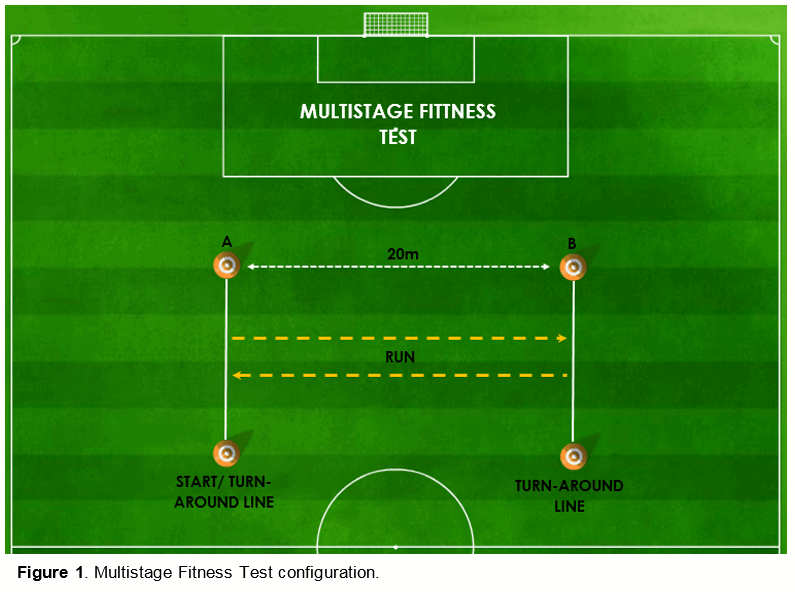
At its heart, the MSFT is an incremental test of aerobic endurance. Participants run continuously between two lines (typically 20 meters apart) following audio signals. The time allocated for each shuttle decreases progressively, requiring participants to increase their running speed until they can no longer keep pace with the signals. The level at which they drop out determines their score. While the core mechanics are straightforward, the precision and utility of the test are immensely amplified by technology.
The Basic Mechanics: A Digital Footprint
Traditionally, administering the MSFT involved a cassette tape or CD player for audio cues, manual timing, and pen-and-paper recording. Today, this analog setup is largely obsolete. The standard delivery method now leverages mobile applications or specialized software solutions running on tablets or laptops. These digital tools provide perfectly timed audio signals, often visually displaying the current level and shuttle number, thereby eliminating human error in timing and sequence. Participants’ scores (the last completed shuttle) are instantly recorded within these apps, sometimes linked to user profiles, providing an immediate digital footprint of their performance. This seamless digital administration ensures greater accuracy, standardization, and ease of use, fundamentally changing the logistical overhead associated with large-scale testing.
Why Aerobic Capacity Matters: Data-Driven Insights
The MSFT’s primary purpose is to estimate an individual’s VO2 max, a key indicator of cardiorespiratory fitness and overall athletic potential. In a tech-enabled world, this isn’t just about a raw score; it’s about data-driven insights. Modern fitness platforms and apps can convert MSFT scores into estimated VO2 max values using built-in algorithms, presenting the data in easily digestible formats like graphs and comparative charts. This digital analysis allows coaches, trainers, and individuals to track progress over time, identify strengths and weaknesses, and benchmark performance against normative data or peer groups. For instance, an athlete’s score can be instantly compared to national averages for their age and sport, or to their own historical data, all facilitated by robust data management systems that store and process these crucial metrics. The focus shifts from merely obtaining a score to understanding what that score means in a broader context of physical performance and health.
The Digital Evolution of Test Administration and Tracking
The integration of technology has not only streamlined the MSFT’s administration but has also expanded its capabilities for data collection and analysis, offering a richer, more comprehensive understanding of an individual’s fitness.
Mobile Applications and Software Solutions
The cornerstone of modern MSFT administration is sophisticated mobile applications and specialized software. A quick search in any app store reveals numerous options, from basic free apps that provide only the audio track to advanced platforms designed for professional coaches and organizations. These applications offer features such as:
- Automated Audio Cues: Precise timing for each shuttle and level increment.
- Visual Displays: Real-time feedback on current level, shuttle number, and remaining time.
- Participant Management: Ability to create and manage profiles for multiple individuals or teams, recording scores directly.
- Data Export: Options to export results in various formats (CSV, PDF) for further analysis or integration with other systems.
- VO2 Max Estimation: Built-in algorithms to automatically calculate estimated VO2 max from the test score.
For larger institutions, such as sports academies, military organizations, or schools, dedicated software suites offer centralized data management, allowing for large-scale testing, longitudinal tracking, and sophisticated report generation, moving far beyond the limitations of manual record-keeping.
Wearable Technology: Real-time Data and Enhanced Accuracy
The proliferation of wearable technology has added another layer of depth to fitness testing, including the MSFT. While not strictly required for the test, devices like smartwatches, fitness trackers, and dedicated heart rate monitors can collect valuable physiological data during the assessment. Integrating these wearables can provide:
- Heart Rate Monitoring: Real-time heart rate data allows for the analysis of cardiovascular response to increasing intensity, providing insights into an individual’s aerobic efficiency and recovery patterns.
- Pace and Distance Estimates: Although the MSFT dictates specific distances, wearables can track actual ground covered and pace, offering valuable data on running economy and potential inconsistencies.
- Effort Level Assessment: By combining heart rate zones with perceived exertion, wearables can help quantify the subjective feeling of effort, which is critical in a maximal effort test.
- GPS Tracking: For outdoor variations of shuttle run tests, GPS can confirm accuracy of distances covered.
This integration allows for a more holistic view of performance, moving beyond just the “bleep out” score to understand how the body responded throughout the test, offering insights for more targeted training interventions.
Data Management and Analytics Platforms
The true power of tech-enabled MSFT lies in its capacity for data management and analytics. Once scores and supplementary biometric data are collected, they are typically uploaded to centralized platforms, either cloud-based or local. These platforms enable:
- Longitudinal Tracking: Monitoring an individual’s progress over months or years, visualizing trends and identifying periods of improvement or decline.
- Comparative Benchmarking: Comparing individual or team performance against various cohorts (e.g., age-matched peers, specific sports teams, historical averages).
- Predictive Analytics: With enough historical data, certain platforms can begin to predict future performance trends or identify individuals at risk of overtraining based on their scores and other physiological markers.
- Customized Reporting: Generating professional, data-rich reports for athletes, coaches, medical professionals, or employers, translating raw scores into actionable insights.
This advanced analytical capability transforms the MSFT from a simple pass/fail assessment into a powerful tool for performance optimization and health monitoring.
Preparing for the Test: Tech-Enabled Training and Simulation
Technology extends beyond the test itself, offering sophisticated tools for preparation, helping individuals optimize their performance.
Virtual Coaches and Personalized Training Apps
The era of one-size-fits-all training is fading. AI-powered virtual coaches and personalized training apps leverage past MSFT results, alongside other user data (e.g., age, weight, other fitness activities), to design highly individualized training programs. These apps can:
- Adaptive Programming: Adjust training intensity and volume dynamically based on user feedback and progress.
- Specific Drills: Recommend specific running drills, interval training, and recovery protocols designed to improve aerobic capacity and shuttle run efficiency.
- Performance Prediction: Offer insights into potential MSFT scores based on current training data.
- Gamification: Use game-like elements to motivate users and make training more engaging.
By providing structured, data-informed guidance, these tools significantly enhance the effectiveness of MSFT preparation.

Simulation and Practice Tools
To alleviate pre-test anxiety and allow for familiarization, many apps offer simulation and practice modes. These tools allow users to:
- Replicate Test Conditions: Practice the MSFT in a controlled environment, running at the required speeds for each level.
- Adjust Parameters: Customize settings for different test variations (e.g., 15m vs. 20m shuttle, different starting levels).
- Mental Preparation: Develop pacing strategies and build mental resilience required for a maximal effort test.
These simulations are invaluable for both first-time participants and seasoned athletes looking to fine-tune their approach.
Performance Metrics and Biofeedback Tools
During training, performance metrics and biofeedback tools provide immediate, actionable insights. Wearables continuously monitor heart rate, pace, cadence, and even running form (via accelerometers and gyroscopes). Apps then analyze this data to:
- Optimize Pacing: Help runners understand their optimal pace for different levels of exertion, crucial for maintaining consistency during the MSFT.
- Improve Running Economy: Provide feedback on metrics like ground contact time, vertical oscillation, and stride length, helping athletes run more efficiently.
- Manage Effort: Use biofeedback (e.g., visual heart rate zones) to ensure training is within desired intensity levels, preventing overtraining or undertraining.
This constant stream of data empowers individuals to make real-time adjustments and long-term improvements in their fitness.
The Future of Fitness Testing: AI, VR, and Beyond
The trajectory of technology in fitness suggests that the MSFT, and fitness testing in general, will continue to evolve rapidly.
Artificial Intelligence for Predictive Analytics
The future will see Artificial Intelligence (AI) playing an even more profound role in predictive analytics related to the MSFT. Beyond simply estimating VO2 max, AI algorithms will analyze vast datasets encompassing MSFT scores, genetic predispositions, dietary habits, sleep patterns, injury history, and other physiological markers. This will enable:
- Hyper-Personalized Training: AI will generate highly nuanced, dynamic training programs that adapt daily, optimizing for peak performance on test day while minimizing injury risk.
- Talent Identification: For sports organizations, AI could identify potential athletes based on their MSFT performance combined with other metrics, streamlining scouting processes.
- Health Risk Assessment: AI could link declining MSFT scores to potential underlying health issues, prompting earlier intervention.
Virtual Reality and Immersive Testing Environments
Virtual Reality (VR) and augmented reality (AR) offer tantalizing possibilities for the MSFT. Imagine conducting the test in a VR environment, where the 20-meter shuttles are simulated perfectly, regardless of physical space. This could allow for:
- Remote, Standardized Testing: Individuals could take the test from anywhere, with VR ensuring consistent environmental factors and precise measurement.
- Reduced Logistical Overhead: Eliminating the need for large indoor spaces or specific markings, democratizing access to the test.
- Enhanced Engagement: Immersive environments could make the challenging test more engaging or provide specific visual cues beyond simple lines.
AR applications could overlay digital markers and instructions onto real-world environments, guiding participants with greater precision.
Integrated Health Ecosystems
Ultimately, MSFT data will integrate seamlessly into broader digital health ecosystems. This means:
- Centralized Health Records: MSFT scores, alongside other fitness and health data (from smart scales, continuous glucose monitors, sleep trackers), will contribute to a comprehensive, cloud-based health profile.
- Proactive Health Management: Healthcare providers could access this data to offer more personalized preventive care and interventions.
- Cross-Platform Accessibility: Data collected from one app or device will be accessible and interpretable across various platforms, creating a truly interconnected understanding of an individual’s health and fitness journey.
Challenges and Considerations in a Tech-Driven Test
While technology offers immense advantages, its integration into the MSFT also presents certain challenges that must be addressed.
Data Privacy and Security
The collection of vast amounts of personal fitness and physiological data raises significant concerns about data privacy and security. Robust encryption, secure data storage, and strict adherence to privacy regulations (like GDPR) are paramount. Users need assurance that their sensitive health information is protected from breaches and misuse. Developers and administrators of MSFT technologies must prioritize ethical data handling.
Accessibility and Digital Divide
The reliance on specific applications, wearables, and internet connectivity can create an accessibility barrier or digital divide. Not everyone has access to the latest smartphones, reliable internet, or expensive wearables. Ensuring that tech-driven MSFTs remain accessible and equitable for all populations, regardless of socioeconomic status or geographical location, requires thoughtful consideration and potentially low-tech alternatives or subsidized access programs.
Ensuring Accuracy and Standardization
With a multitude of apps and devices available, ensuring accuracy and standardization across different technological solutions is crucial. Variations in audio cue timing, GPS accuracy in wearables, or algorithmic calculations of VO2 max could lead to inconsistencies in results. Industry standards, certification processes, and regular calibration checks will be necessary to maintain the integrity and comparability of MSFT data generated through diverse technological means.
In conclusion, the Multistage Fitness Test has transcended its analog origins to become a prime example of how technology can enhance traditional fitness assessments. From digital administration and sophisticated data analytics to AI-driven training and future VR simulations, technology is not just facilitating the test but fundamentally reshaping how we understand, prepare for, and utilize this crucial measure of aerobic capacity. As the digital landscape continues to evolve, the MSFT will undoubtedly continue to integrate further, offering ever more precise, personalized, and insightful approaches to fitness evaluation.
aViewFromTheCave is a participant in the Amazon Services LLC Associates Program, an affiliate advertising program designed to provide a means for sites to earn advertising fees by advertising and linking to Amazon.com. Amazon, the Amazon logo, AmazonSupply, and the AmazonSupply logo are trademarks of Amazon.com, Inc. or its affiliates. As an Amazon Associate we earn affiliate commissions from qualifying purchases.