
In the landscape of modern business, communication is often viewed through the lens of external marketing—social media campaigns, high-budget advertisements, and public relations blitzes. However, the true strength of a brand is often forged within its own walls. Internal communication serves as the bedrock of corporate identity, and at the heart of this internal ecosystem lies the humble memorandum, or “memo.” While it may seem like a relic of 20th-century bureaucracy, the memo remains a vital instrument for brand strategy.
Understanding what memo format writing entails is not merely a lesson in administrative compliance; it is an exercise in brand consistency. When an organization masters the memo, it ensures that every strategic pivot, policy update, and project proposal is delivered with a voice that reflects the company’s core values. In this guide, we will explore how the structure, tone, and delivery of a memo contribute to a cohesive brand strategy and why every leader should view internal documentation as a extension of their corporate identity.

The Strategic Role of the Memo in Modern Brand Architecture
A brand is more than a logo or a color palette; it is the sum of the promises a company makes to its stakeholders. To fulfill those promises externally, a brand must first align its internal stakeholders. This is where the strategic memo becomes indispensable.
Beyond Simple Communication: Memos as Culture Carriers
In a high-performing corporate culture, every document should reinforce the brand’s mission. When a memo is written in a specific format, it creates a sense of predictability and professionalism. For a brand that prides itself on efficiency—like a fast-paced tech startup—a memo that is concise, bulleted, and results-oriented reinforces that “speed” is a core brand value. Conversely, a luxury brand might utilize memos that are more narrative and descriptive, reflecting an internal culture that values craftsmanship and attention to detail. By standardizing the memo format, a company signals to its employees that there is a “correct” way to communicate that aligns with the brand’s identity.
Consistency in Voice: The Verbal Identity of Internal Documents
Verbal identity is a critical component of brand strategy. Most companies spend thousands of dollars developing a “Brand Voice Guide” for their marketing teams but fail to apply those same principles to internal correspondence. If a brand’s external persona is “empowering and visionary,” yet its internal memos are “dry and authoritarian,” a disconnect occurs. This cognitive dissonance can erode employee trust and dilute the brand’s authenticity. Mastering memo format writing involves more than just placing text on a page; it involves translating the brand’s verbal identity into a functional, internal format that inspires and informs.
Anatomy of a Brand-Centric Memo: Structure and Format
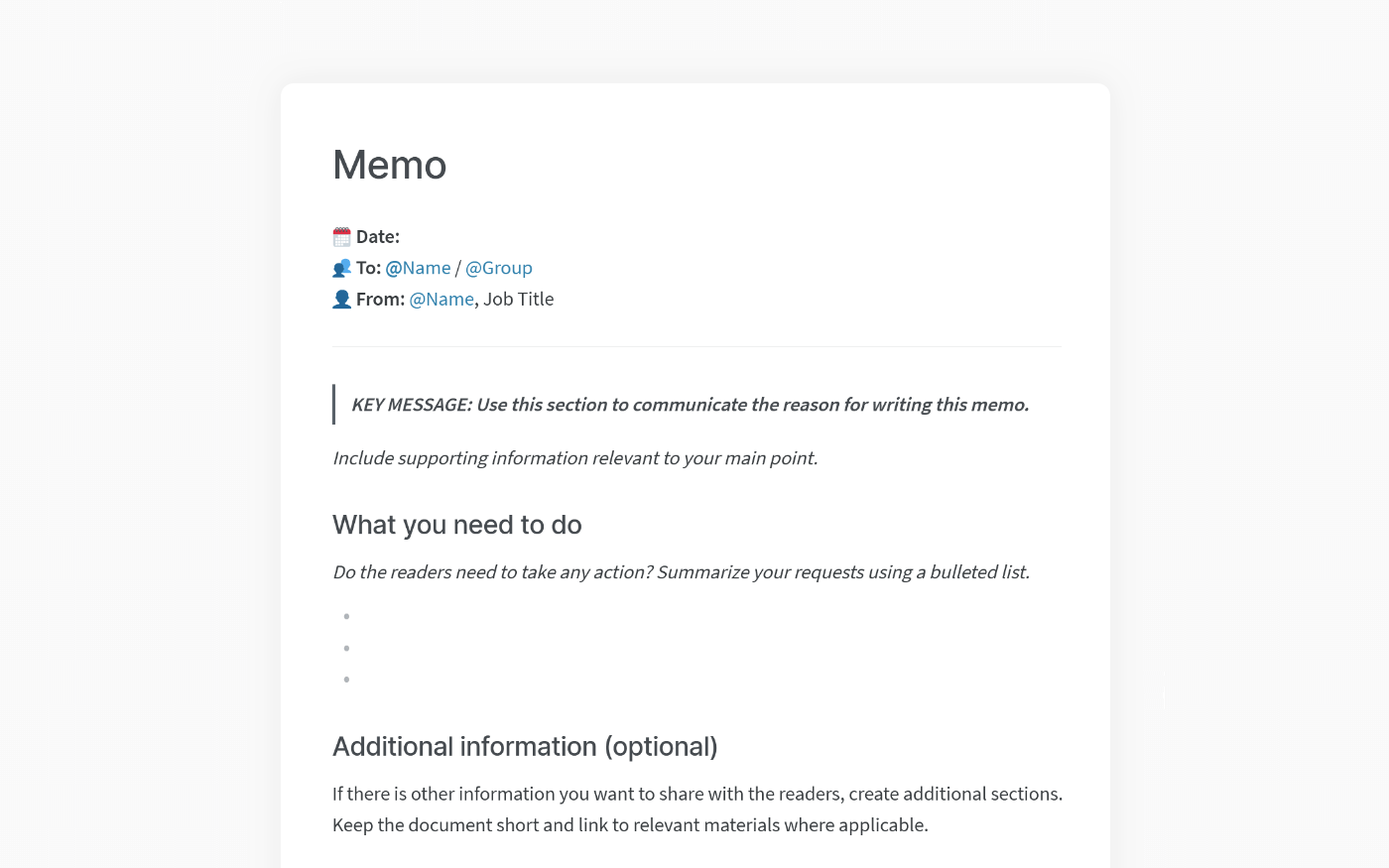
The standard memo format is designed for clarity and rapid information retrieval. In the context of brand strategy, this structure serves as a framework for disciplined thinking. A well-formatted memo respects the reader’s time—a hallmark of a brand that values its human capital.
The Standard Heading: Establishing Authority and Clarity
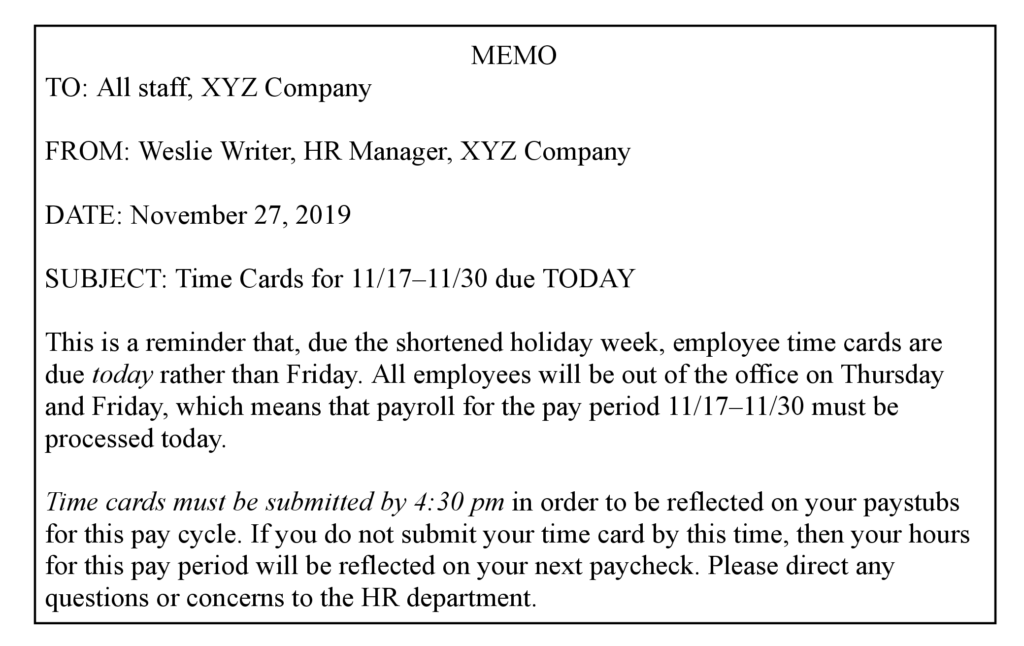
The heading of a memo is its first impression. It typically includes four key lines: TO, FROM, DATE, and SUBJECT. From a brand perspective, the “Subject” line is the most critical. It acts as the “headline” of the internal communication. A brand that values transparency will use direct, jargon-free subject lines. For example, instead of “Internal Update 402,” a brand-aligned subject line might read: “Strategic Shift: Moving Toward Carbon Neutrality by 2025.” This immediately frames the document within the company’s larger strategic goals.
The Executive Summary: Respecting the Stakeholder’s Time
Following the heading, the executive summary or “Opening Segment” provides a high-level overview of the issue at hand. In a brand-centric memo, this section is used to connect the specific topic to the broader corporate mission. If the memo is about a change in office policy, the summary should explain how this change helps the team better serve the brand’s customers. By consistently linking small updates to big-picture brand goals, leadership reinforces the company’s “Why” in every interaction.
The Call to Action: Driving Brand-Aligned Movement
The final section of a memo—the “Closing Segment” or “Action Items”—is where the brand’s strategy turns into execution. A memo that ends vaguely is a failure of brand leadership. To maintain a brand identity rooted in accountability, the memo must clearly outline who is doing what and by when. This clarity eliminates ambiguity, ensuring that every employee understands their role in upholding the brand’s reputation.
Designing the Narrative: Visual and Rhetorical Branding in Memos
While the content of a memo is paramount, its visual presentation and rhetorical style play a significant role in how the brand is perceived internally. A memo is a visual touchpoint of the corporate identity.
Typography and Layout: The Visual Language of Professionalism
The choice of typeface, margin width, and use of white space in a memo speaks volumes about a brand’s aesthetic. A brand like Apple, which prioritizes minimalism and design, would likely utilize a clean, sans-serif typeface and generous white space in its internal documents. This visual consistency ensures that even an internal policy update “feels” like the brand. Using a standardized template with the company’s official internal logo and typography prevents the “fragmented brand” syndrome, where different departments appear to be part of different companies.
Persuasive Storytelling within Corporate Constraints
Memos are often used to propose new ideas or request resources. This requires persuasive writing. Within the context of brand strategy, persuasion should be rooted in the brand’s core narrative. If a marketing manager is writing a memo to request a budget increase for a new campaign, the memo should frame the request not just in terms of ROI, but in terms of brand equity. How does this spend strengthen the brand’s position in the market? By using the memo as a vehicle for brand storytelling, employees learn to think and speak in the language of the brand.
Case Studies: How Global Brands Use Memos to Pivot Strategy
Some of the world’s most successful brands have used the memo as a primary tool for steering their corporate identity. Examining these examples reveals the power of a standardized format.
The Amazon Way: Narratives Over PowerPoints
One of the most famous examples of memo-driven brand culture is Amazon. Jeff Bezos famously banned PowerPoint presentations in leadership meetings, replacing them with “six-page narratives.” These memos are formatted to be read in silence at the start of every meeting. This specific format forces clarity of thought and ensures that the “Amazon Brand”—one of deep dive analytics and customer obsession—is baked into every decision. The format itself has become a legendary part of the Amazon brand identity, signaling to new hires and the public alike that this is a company that values rigorous thinking over flashy visuals.
Rebranding Through Internal Transparency
When Starbucks faced a crisis of identity in the late 2000s, Howard Schultz used internal memos to communicate a return to the company’s core values. These memos weren’t just instructions; they were manifestos. By using a format that was personal yet structured, Schultz was able to re-align thousands of store managers with the original brand vision. The memo served as a tool for “Brand Recovery,” proving that when a company’s identity is at stake, the most effective tool for correction is a clear, well-formatted piece of written communication.
Best Practices for Maintaining Brand Integrity in Internal Correspondence
To turn memo writing into a competitive advantage for your brand, certain best practices must be observed. These ensure that internal communication remains a professional reflection of the corporate identity.
Avoiding Corporate Jargon and Maintaining Authenticity
A common pitfall in memo writing is the use of “corporate speak”—words like “synergy,” “leverage,” and “holistic” used without context. A strong brand identity is built on authenticity and clarity. Memos should be written in plain English that reflects the brand’s human side. If a brand’s external identity is “approachable and friendly,” its internal memos should avoid cold, robotic language. Authentic communication builds a culture of trust, which is the foundation of any strong brand.
Scaling the Brand Voice Across Global Teams
For global brands, maintaining a consistent internal voice is a challenge. Regional offices may have different cultural norms, but the “Core Brand Voice” should remain constant. Providing templates and examples of “Brand-Aligned Memos” helps decentralized teams stay on track. This doesn’t mean suppressing local culture, but rather ensuring that the fundamental values of the brand—professionalism, innovation, or reliability—are present in every memo sent from Tokyo to New York.
In conclusion, memo format writing is far more than a technical skill. It is a strategic discipline that bridges the gap between high-level brand strategy and day-to-day operations. By treating every internal document as a reflection of the corporate identity, organizations can foster a more aligned, motivated, and brand-conscious workforce. Whether you are a startup founder or a seasoned executive, mastering the art of the memo is a vital step in building a brand that is as strong on the inside as it is on the outside.
aViewFromTheCave is a participant in the Amazon Services LLC Associates Program, an affiliate advertising program designed to provide a means for sites to earn advertising fees by advertising and linking to Amazon.com. Amazon, the Amazon logo, AmazonSupply, and the AmazonSupply logo are trademarks of Amazon.com, Inc. or its affiliates. As an Amazon Associate we earn affiliate commissions from qualifying purchases.