
In the landscape of modern digital marketing, few names carry the weight of Jimmy Donaldson, known globally as MrBeast. As the most-subscribed individual creator on YouTube, Donaldson has transitioned from a mere content creator into a multi-billion-dollar enterprise. However, recent allegations and internal leaks—collectively referred to as the “MrBeast drama”—have sent shockwaves through the creator economy. This is not merely a social media spat; it is a high-stakes crisis of brand integrity. For brand strategists and corporate identity experts, the situation serves as a critical case study on the risks of hyper-growth, the fragility of “philanthropic” branding, and the complexities of managing a personal brand that has become a global institution.

Understanding the Catalyst: When the “World’s Nicest Creator” Faces a Reputation Crisis
For years, the MrBeast brand was built on a foundation of radical generosity and high-octane entertainment. This “virtuous cycle” of spending millions to give away millions created a brand persona that was perceived as untouchable. However, the current drama emerged from a series of investigative reports and whistleblower accounts that challenged this core narrative.
The Shift from Content Creator to Global Enterprise
The fundamental tension in the MrBeast brand lies in its scale. What started as a teenager in North Carolina making videos has evolved into a massive operation involving hundreds of employees, a consumer packaged goods (CPG) empire with Feastables, and a massive production deal with Amazon MGM Studios for “Beast Games.” This transition from a “creator” to a “corporate entity” creates a vulnerability: the brand is expected to maintain the relatability of a solo YouTuber while operating with the logistical complexity of a major Hollywood studio. The recent drama highlights what happens when the “scrappy” culture of YouTube clashes with the professional and ethical standards of a global brand.
Key Allegations and Their Impact on Brand Perception
The controversy took a serious turn with allegations regarding workplace culture and the authenticity of his high-stakes contests. Allegations from former employees and participants suggested that some challenges were “rigged” or that safety protocols were ignored during the production of large-scale events. From a brand strategy perspective, this is a direct attack on the brand’s “Value Proposition.” If the value proposition of MrBeast is “authentic, life-changing opportunities,” any evidence of manipulation or negligence doesn’t just hurt a single video—it devalues the entire brand equity.
The Anatomy of Brand Trust: Why Authenticity is the Creator’s Only Currency
In traditional corporate branding, trust is built through product consistency and corporate social responsibility (CSR). In the creator economy, trust is built through perceived authenticity. The “MrBeast drama” is particularly damaging because it targets the “Trust Pillar” of the Donaldson brand.
The Perils of the “Philanthropy” Brand Pillar
MrBeast pioneered “Philanthropy-core” content. While this drove record-breaking engagement, it also tied his brand’s financial success to his moral standing. When allegations surfaced regarding the internal handling of certain charitable projects or the transparency of giveaway odds, it created a “Cognitive Dissonance” for the audience. A brand that markets itself as a moral beacon faces much harsher scrutiny than a brand that merely markets itself as entertainment. The drama underscores the risk of making “being good” your primary brand differentiator; if that goodness is questioned, you lose your competitive advantage entirely.
Transparency and the Ethics of High-Stakes Gamification
The controversy also touched upon the “dark side” of gamified content. Critics and former participants pointed to the psychological toll and physical conditions of his massive survival-style challenges. For a brand that targets a younger demographic, these allegations raise significant ethical questions. In brand management, “Duty of Care” is a legal and moral obligation. If the MrBeast brand is seen as prioritizing views over the well-being of its participants, it risks alienating not just viewers, but also the corporate sponsors and parents who facilitate the consumption of his content.
Corporate Identity vs. Personal Identity: The Institutionalization of MrBeast
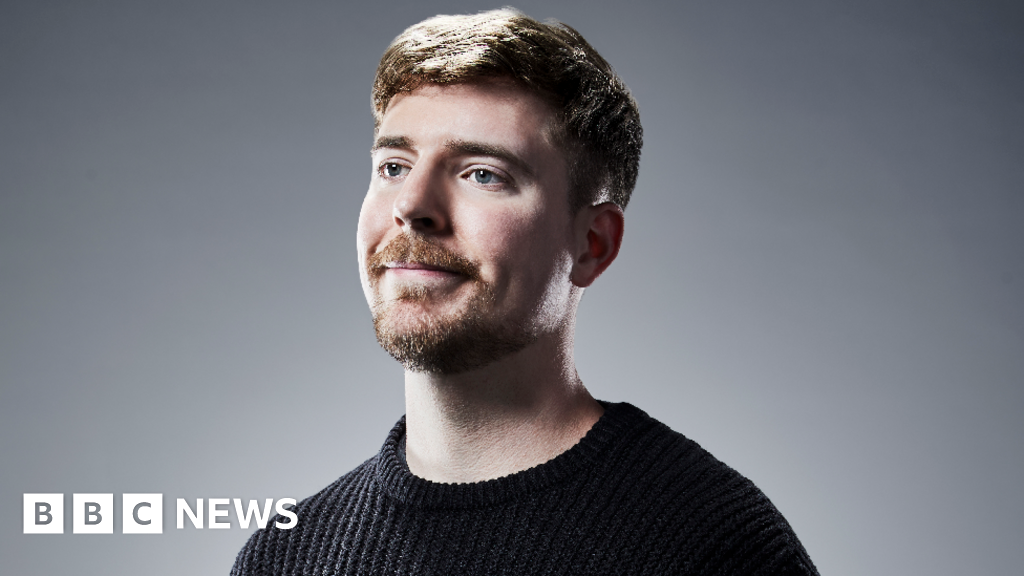
One of the most complex aspects of the MrBeast drama is the blurring of the line between Jimmy Donaldson the person and MrBeast the brand. This is a classic “Founder’s Trap.”
Navigating Workplace Culture in the Spotlight
As the drama unfolded, much of the focus shifted to the internal environment at MrBeast’s production facilities. Reports of a high-pressure, “churn and burn” culture emerged. For a brand that presents a fun, whimsical outward identity, a toxic internal culture represents a “Brand Disconnect.” In the modern era, internal culture is external brand. Employees are brand ambassadors, and in the age of Glassdoor and TikTok, internal friction eventually leaks into the public domain. The MrBeast drama shows that as a brand scales, HR and corporate governance are not just administrative tasks—they are essential components of brand protection.
The Risk of Over-Leveraging a Single Face
The current controversy also exposes the danger of “Key Person Risk.” Unlike a brand like Nike or Apple, which can survive a change in leadership, the MrBeast brand is inextricably linked to Donaldson’s face and personality. When the founder is embroiled in controversy, the entire business—from chocolate bars to mobile apps—suffers. This drama has likely prompted internal discussions about “brand de-risking” and how to diversify the brand’s identity so it can survive independent of Donaldson’s personal reputation.
Strategic Implications and the Path to Brand Recovery
In the wake of the drama, the MrBeast brand faces a pivotal moment. The way a brand handles a crisis often defines its long-term trajectory more than the crisis itself.
Navigating the Sponsor Ecosystem During Turbulent Times
MrBeast is not just a YouTuber; he is a platform for other brands. Companies like Shopify, Samsung, and Amazon have invested millions into the Beast ecosystem. During a brand crisis of this magnitude, the primary concern is “Brand Safety” for these partners. If the controversy continues to escalate, sponsors may undergo “silent distancing,” where they fulfill existing contracts but refrain from renewing. To maintain these B2B relationships, the MrBeast brand must move beyond apologies and demonstrate institutional changes, such as third-party audits of their contests and a complete overhaul of their production safety standards.
Rebuilding Equity through Radical Transparency
To survive this, the MrBeast brand must pivot from “defense” to “radical transparency.” In the world of branding, when trust is broken, you cannot simply ask for it back; you must show the “workings” of your organization. This might include:
- Independent Oversight: Appointing an external board to oversee the fairness and safety of all future challenges.
- Acknowledge and Adapt: Moving away from the “perfectionist” image and admitting to the growing pains of a rapidly scaling company.
- Humanizing the Institution: Shifting some of the brand’s focus toward the team and the processes, rather than just the “miraculous” results of the videos.
The Future of the Creator Brand Model
The MrBeast drama is a watershed moment for the creator economy. It marks the end of the “Wild West” era where large-scale creators could operate outside the scrutiny typically reserved for major media conglomerates.
The Professionalization of Creator Brands
Moving forward, we can expect “The MrBeast Effect” to lead to a more professionalized creator landscape. Brands of this size will likely adopt the same rigorous compliance and PR structures found in Fortune 500 companies. The “drama” has proven that being a “YouTuber” is no longer a shield against the corporate accountability expected of a global brand.

Conclusion: Can a Personal Brand Scale Infinitely?
The ultimate lesson of the MrBeast controversy is that brand scale has a ceiling if it is not supported by a robust ethical and operational framework. Jimmy Donaldson has built the most successful personal brand in history, but he is currently discovering that the bigger the brand, the harder it falls when its foundations are questioned. Whether the MrBeast brand can recover depends on its ability to evolve from a “personality-driven channel” into a “trust-driven institution.” The world of marketing and brand strategy is watching closely, as the outcome will set the blueprint for every creator-led brand for the next decade. Authenticity isn’t just about being “real” on camera; it’s about the integrity of the business that exists when the cameras are turned off.
aViewFromTheCave is a participant in the Amazon Services LLC Associates Program, an affiliate advertising program designed to provide a means for sites to earn advertising fees by advertising and linking to Amazon.com. Amazon, the Amazon logo, AmazonSupply, and the AmazonSupply logo are trademarks of Amazon.com, Inc. or its affiliates. As an Amazon Associate we earn affiliate commissions from qualifying purchases.