
The thrilling financial drama “Margin Call” captivated audiences with its intense depiction of a Wall Street firm on the brink of collapse during the 2008 financial crisis. While the film is a work of fiction, its narrative draws heavily on the real-world events, anxieties, and ethical quandaries that permeated the financial industry in the lead-up to and during the global economic meltdown. “Margin Call” isn’t a documentary, but it serves as a powerful allegorical exploration of the systemic risks inherent in complex financial instruments and the human decisions that can trigger widespread devastation.

The Shadow of the 2008 Financial Crisis
“Margin Call” masterfully distills the essence of the 2008 financial crisis into a single, claustrophobic night within a fictional investment bank, “TMD.” The film’s core premise revolves around the discovery of a catastrophic risk within the firm’s portfolio of mortgage-backed securities. This discovery ignites a desperate struggle for survival, forcing the characters to confront the morality and consequences of their actions.
The Subprime Mortgage Meltdown
At the heart of the crisis, and thus the film’s inspiration, was the widespread issuance of subprime mortgages. These were loans granted to borrowers with poor credit histories, often with adjustable interest rates that would eventually skyrocket. Lenders, eager to meet quotas and offload risk, bundled these risky mortgages into complex financial products known as Mortgage-Backed Securities (MBS) and Collateralized Debt Obligations (CDOs).
These complex instruments were then sliced and diced into tranches, with varying levels of risk and return. The idea was to diversify the risk, so that even if some subprime mortgages defaulted, the overall portfolio would remain stable. However, this diversification was largely an illusion. When housing prices began to decline and a significant number of subprime borrowers defaulted, the entire system began to unravel. The sheer volume of toxic assets held by financial institutions meant that the interconnectedness of the global financial system would soon come under immense pressure.
The Domino Effect and Systemic Risk
“Margin Call” brilliantly illustrates the concept of systemic risk – the danger that the failure of one financial institution could trigger a cascade of failures throughout the entire system. In the film, the discovery that TMD holds an unprecedented amount of “toxic assets” (mortgage-backed securities that are now virtually worthless) creates a palpable sense of panic. The firm’s survival hinges on its ability to sell these assets quickly, even at a massive loss, before the market completely collapses.
This mirrors the real-world situation where major financial institutions like Lehman Brothers, Bear Stearns, and AIG were deeply exposed to these toxic assets. The interconnectedness of these firms through lending, derivatives, and other financial instruments meant that the collapse of one would inevitably drag others down with it. The fear of this domino effect led to unprecedented government interventions, bailouts, and a near-total paralysis of the global credit markets. The film’s depiction of the frantic meetings, the urgent phone calls, and the desperate attempts to find a buyer for the toxic assets perfectly captures the atmosphere of desperation that pervaded Wall Street during that period.
Key Themes and Ethical Dilemmas Explored
Beyond the mechanics of the financial crisis, “Margin Call” delves into the profound ethical dilemmas faced by those at the top of the financial hierarchy. The film is less about the mechanics of trading and more about the human cost and moral compromises involved in high-stakes finance.
The Greed and Ambition of Wall Street
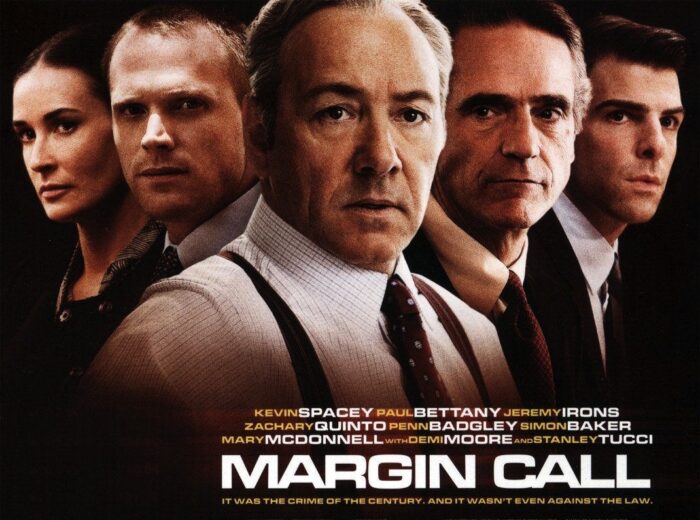
The film portrays a culture of immense pressure, where the pursuit of profit often overshadows ethical considerations. The characters, from junior analysts to senior executives, are driven by ambition and the relentless demand for ever-increasing returns. This insatiable appetite for profit, fueled by the easy availability of credit and the creation of ever more complex financial products, is presented as a primary driver of the crisis.
The film subtly critiques the incentive structures within investment banks, where compensation is often tied to short-term gains, encouraging risky behavior without adequate consideration for long-term consequences. The characters grapple with the knowledge that their actions, driven by the need to protect their bonuses and their firm’s reputation, will likely have devastating repercussions for millions of people. This internal conflict between personal gain and societal responsibility is a central theme.
The Moral Reckoning and Human Cost
“Margin Call” doesn’t shy away from the moral reckoning that comes with such a crisis. The characters are forced to make agonizing decisions, often involving actions that are technically legal but morally reprehensible. The film explores the psychological toll this takes, as individuals confront the potential ruin they are about to unleash.
The scene where the senior partners are presented with the stark reality of the situation and the choices before them is particularly potent. They must decide whether to sell their toxic assets to unsuspecting buyers, thus preserving their own wealth and the firm’s immediate future at the expense of others, or to hold onto them and face certain bankruptcy. The film forces the audience to consider questions of accountability, the role of individual responsibility in systemic failures, and the inherent flaws in a system that incentivizes such behavior. The conversations about “selling it to the little people” or making the “necessary evil” choices highlight the moral compromises that can be made when faced with overwhelming financial pressure.
The Fictionalized but Rooted Narrative
While “Margin Call” is a fictional story, its creators meticulously researched the events of the 2008 crisis to imbue the film with authenticity. The dialogue, the pacing, and the overall atmosphere are designed to reflect the intense, high-pressure environment of Wall Street during a crisis.
Inspired by Real-Life Events and Figures
The film’s screenwriter and director, J.C. Chandor, conducted extensive interviews with individuals who worked on Wall Street during the crisis. While no single individual or event directly inspired the film, it captures the spirit and the common experiences of those who lived through that tumultuous period. The characters, though fictional, represent archetypes of individuals in the financial industry – the ambitious young analyst, the seasoned risk manager, the cutthroat CEO.
The film’s authenticity comes from its ability to capture the jargon, the urgency, and the psychological pressure cooker that is high finance. The rapid-fire dialogue, the late-night meetings, and the constant sense of impending doom are all reflective of the real experiences of people working in these institutions during the crisis. The film’s creators aimed to portray the human element within a complex financial system, showcasing the personal stakes and the difficult choices that individuals had to make.
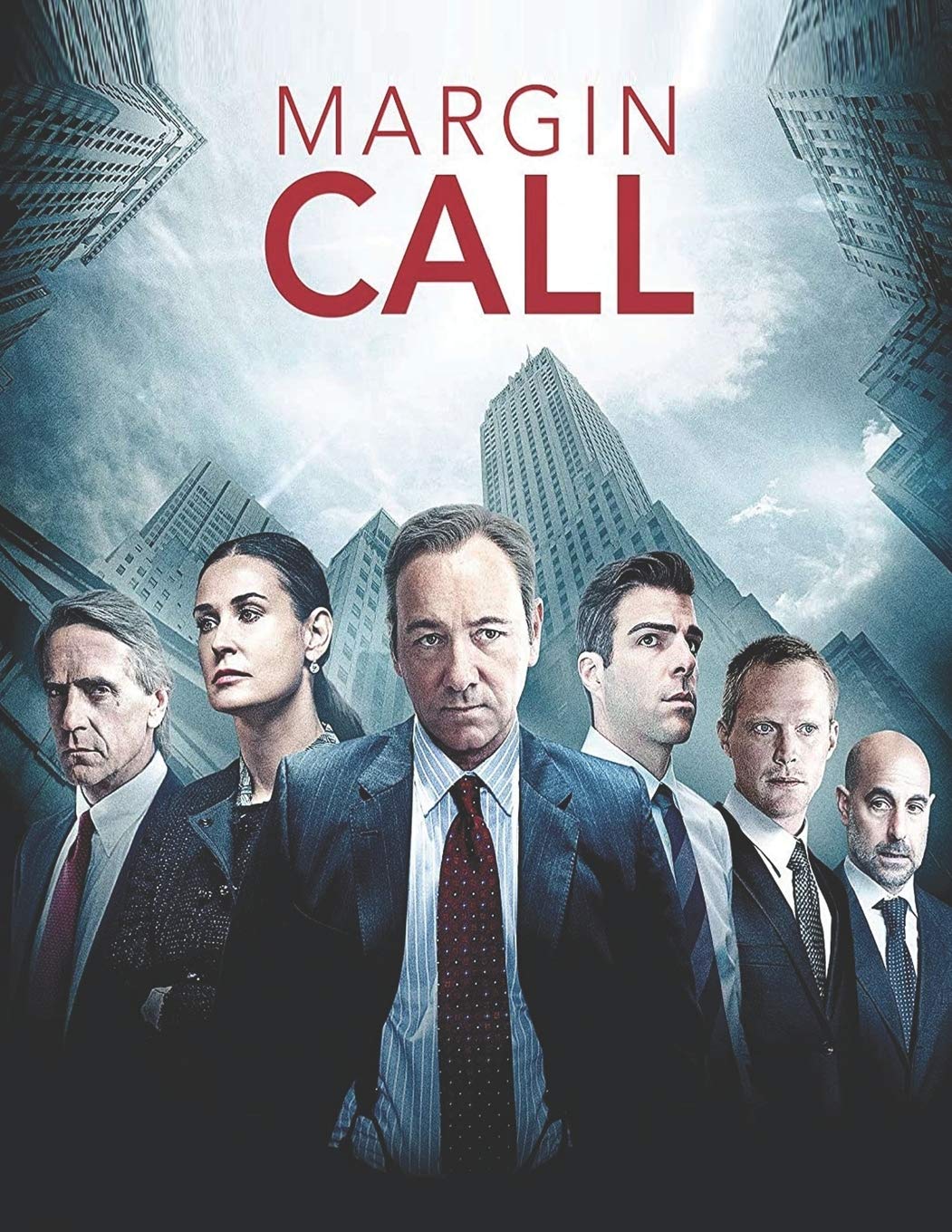
The Allegorical Power of Fiction
“Margin Call” uses its fictional framework to explore broader themes about the nature of capitalism, the perils of unchecked financial innovation, and the ethical responsibilities of those in power. The film serves as a cautionary tale, reminding audiences of the fragility of financial systems and the devastating consequences of when those systems are pushed to their breaking point.
By focusing on a single night, the film amplifies the tension and allows for an intimate examination of the decision-making process. It’s a testament to Chandor’s skill that he can translate the complexities of a global financial crisis into a gripping, character-driven narrative. The film’s enduring impact lies in its ability to humanize a largely abstract financial disaster, making it accessible and deeply resonant for a wider audience. It prompts reflection not just on the events of 2008, but on the ongoing dynamics of the financial world and the potential for future crises if the lessons learned are not heeded. The film’s strength lies in its exploration of the human element within the abstract world of finance, highlighting that behind the complex algorithms and vast sums of money are individuals making decisions with profound consequences.
aViewFromTheCave is a participant in the Amazon Services LLC Associates Program, an affiliate advertising program designed to provide a means for sites to earn advertising fees by advertising and linking to Amazon.com. Amazon, the Amazon logo, AmazonSupply, and the AmazonSupply logo are trademarks of Amazon.com, Inc. or its affiliates. As an Amazon Associate we earn affiliate commissions from qualifying purchases.