
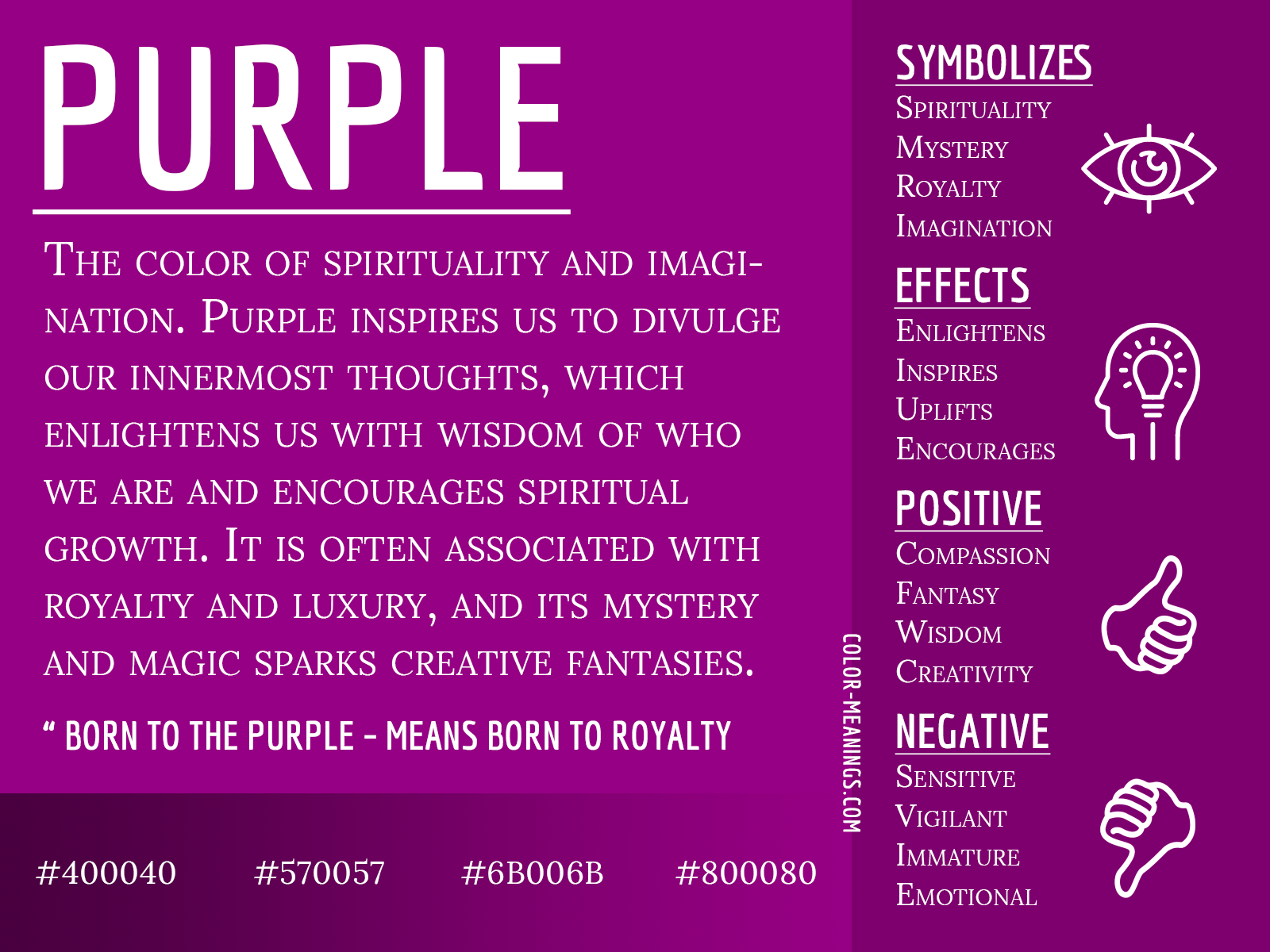
In the competitive landscape of modern commerce, a brand’s visual identity often serves as the first point of contact with a potential consumer. Among the various elements of design, color is perhaps the most visceral. It bypasses logical reasoning and speaks directly to the subconscious. When we ask, “What emotion is purple?” we are not merely discussing a wavelength of light; we are exploring a complex tapestry of historical significance, psychological triggers, and strategic branding choices.
For brand strategists and corporate identity designers, purple is a “high-risk, high-reward” tool. It is a color that occupies a unique space in the human psyche—balancing the fierce energy of red with the calm stability of blue. Understanding the emotional weight of purple is essential for any brand looking to project an image of luxury, creativity, or wisdom.

The Emotional Spectrum of Purple: Luxury, Mystery, and Ambition
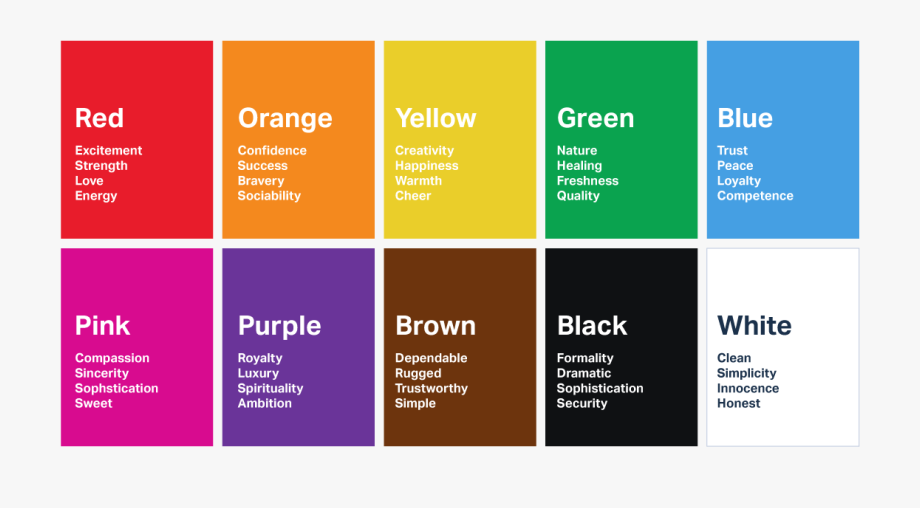
To understand how purple functions in a branding context, one must first dismantle the specific emotional responses it triggers. Unlike primary colors like blue (trust) or red (urgency), purple is nuanced and multifaceted.
The Royal Legacy and Perceptions of Wealth
Historically, purple was the most expensive dye to produce, derived from the secretions of sea snails in the Mediterranean. Because only the elite could afford it, the color became inextricably linked to royalty, nobility, and wealth. In contemporary branding, this historical baggage persists. When a brand utilizes deep shades of violet or plum, it evokes an immediate sense of “premium” status. This is why we see purple frequently used in the packaging of luxury chocolates, high-end cosmetics, and premium spirits. It signals to the consumer that the product is not a commodity, but an experience worth a higher price point.
The Intersection of Stability and Energy
Psychologically, purple is a hybrid. It contains the power of red and the serenity of blue. This duality allows it to represent “ambition” and “vision.” Brands that want to appear forward-thinking without being aggressive often lean into purple. It suggests a brand that is thoughtful but driven. This balance makes it a favorite for organizations that deal with “big ideas”—think of Hallmark, which focuses on emotional connection (blue) and celebration (red), or educational institutions that want to project both tradition and a future-focused vision.
Strategic Positioning: Why Brands Choose Purple to Stand Out
In a marketplace dominated by “Corporate Blue” and “Retail Red,” choosing purple is a deliberate move toward differentiation. It is a strategic statement of non-conformity.
Breaking the Red and Blue Binary
Most industries have a “safe” color. In finance and tech, it is blue; in fast food and clearance retail, it is red. By opting for purple, a brand immediately signals that it operates differently from its competitors. Take, for example, the telecommunications or courier industries. While competitors like UPS (brown/gold) or DHL (yellow/red) focused on tradition or speed, FedEx introduced purple into its palette to signify a premium, reliable service that bridges the gap between ground and air.
Case Study: Twitch and the Gaming Revolution
Perhaps the most modern masterclass in purple branding is the streaming platform Twitch. In the early 2010s, the gaming world was saturated with “gamer” aesthetics—mostly neon greens, harsh reds, and deep blacks. Twitch’s decision to own “Twitch Purple” was transformative. Emotionally, it tapped into the “creativity” and “community” aspects of the color. By deviating from the standard tech-blue, Twitch created a distinct “tribe” identity. Users don’t just use the platform; they exist within a “purple” ecosystem that feels imaginative, inclusive, and fundamentally different from a standard social media site.
Color Theory and Consumer Behavior: The Science of “Purple” Tones
Not all purples are created equal. The specific emotion a brand evokes depends heavily on the saturation and value of the hue chosen.
Lavender and the Wellness Movement
Lighter shades of purple, such as lavender and lilac, trigger vastly different emotional responses than their darker counterparts. These shades are associated with grace, elegance, and tranquility. In the health and wellness sector, lavender is used to signify relaxation and purity. Brands specializing in skincare, aromatherapy, or mental health apps use these soft tones to lower the consumer’s heart rate and build a sense of sanctuary. Here, the emotion is not “power,” but “peace.”
Deep Violet and Corporate Authority
On the other end of the spectrum, deep violet and midnight purple evoke mystery, depth, and authority. These shades are often used by brands that want to project a sense of “wisdom” or “secret knowledge.” This is why purple is frequently associated with the occult or the spiritual, but in a corporate context, it translates to “expertise.” Consulting firms or high-tech research groups might use dark purple to suggest they have the answers to complex, “hidden” problems that their competitors cannot solve.
Integrating Purple into Your Brand Identity
Adopting purple requires more than just picking a hex code; it requires a holistic approach to visual strategy and brand voice.
Consistency Across Touchpoints
Because purple is such a bold choice, consistency is paramount. If a brand uses a regal royal purple on its website but a washed-out mauve on its packaging, the emotional “promise” of the brand is broken. The “emotion” of purple is fragile; it relies on the perception of quality. Strategists must ensure that the color renders perfectly across digital displays and physical materials. A “cheap-looking” purple is worse than no purple at all, as it can inadvertently signal “artificiality” or “tackiness” rather than “luxury.”
The Importance of Color Contrast
Purple rarely works in isolation. To maximize its emotional impact, it must be paired strategically.
- Purple and Gold: The ultimate “Royal” combination, used to signify extreme luxury and heritage.
- Purple and White: Projects clarity, modernism, and premium simplicity.
- Purple and Green: Often used in organic or creative sectors to represent growth and imagination (think of various “Natural” food brands).
Choosing the secondary color is what “pins down” the specific emotion the purple is intended to convey.
The Future of Color Branding: Emotional Resonance in a Digital Age
As we move further into a digital-first economy, the “emotion” of purple is evolving. In the digital space, purple is increasingly associated with the “Creator Economy” and the “Metaverse.” It is seen as the color of the digital frontier—a place where the physical rules of color (like the cost of dye) no longer apply, but the psychological rules remain.
For a new brand, asking “What emotion is purple?” is the first step in a larger strategic journey. If your brand’s mission is to disrupt a boring market, to offer a premium version of a common service, or to foster a community of creative thinkers, purple is your most potent psychological ally. It is a color that demands attention, commands respect, and invites the consumer into a world that is slightly more magical, slightly more sophisticated, and infinitely more memorable than the world of red and blue.
In conclusion, purple is the emotion of possibility. It is the color of those who are not afraid to be different, those who value quality over quantity, and those who understand that in the world of branding, how a customer feels is just as important as what a customer buys. By strategically harnessing the history and psychology of this complex hue, a brand can carve out a unique space in the market that is as enduring as it is evocative.
aViewFromTheCave is a participant in the Amazon Services LLC Associates Program, an affiliate advertising program designed to provide a means for sites to earn advertising fees by advertising and linking to Amazon.com. Amazon, the Amazon logo, AmazonSupply, and the AmazonSupply logo are trademarks of Amazon.com, Inc. or its affiliates. As an Amazon Associate we earn affiliate commissions from qualifying purchases.