
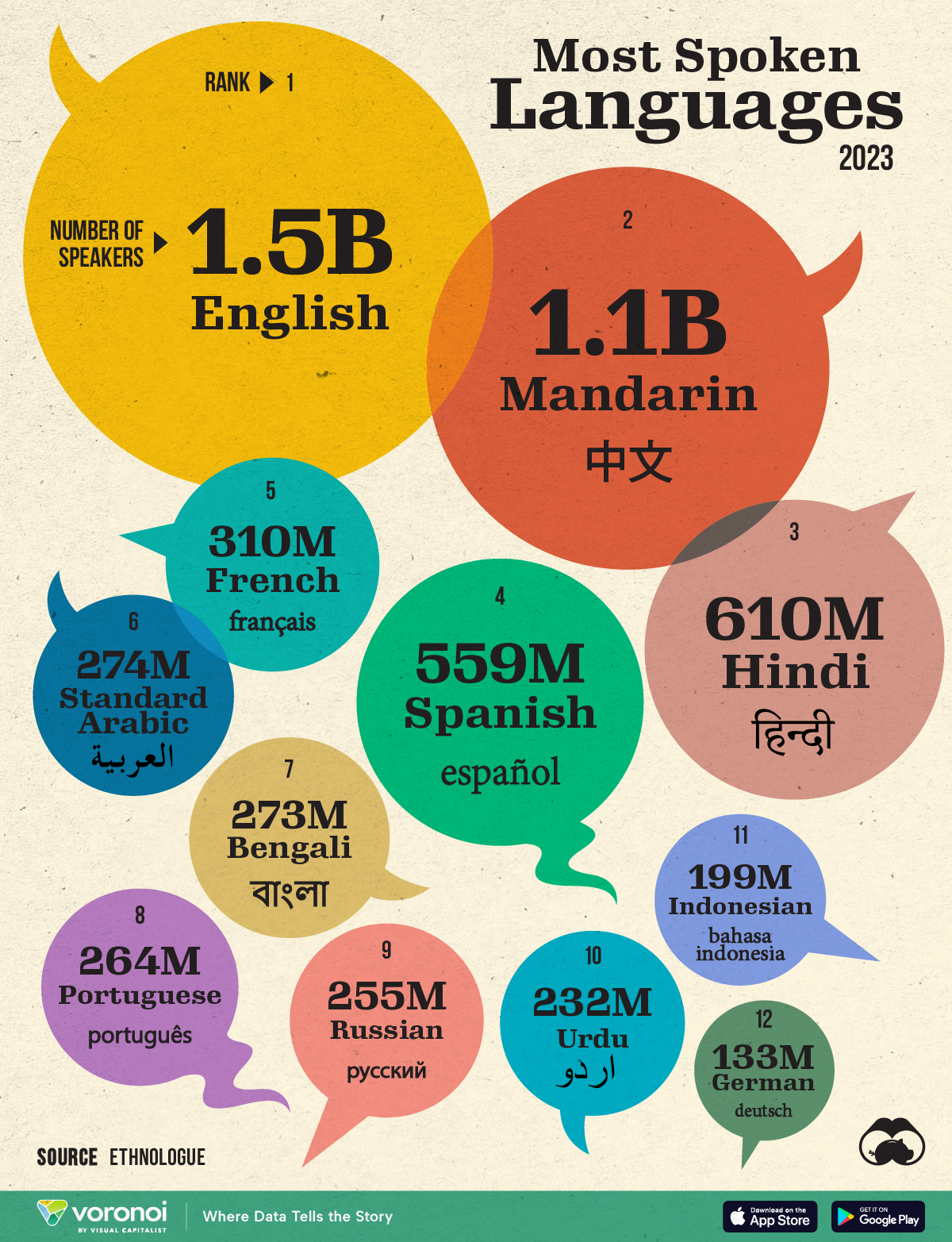
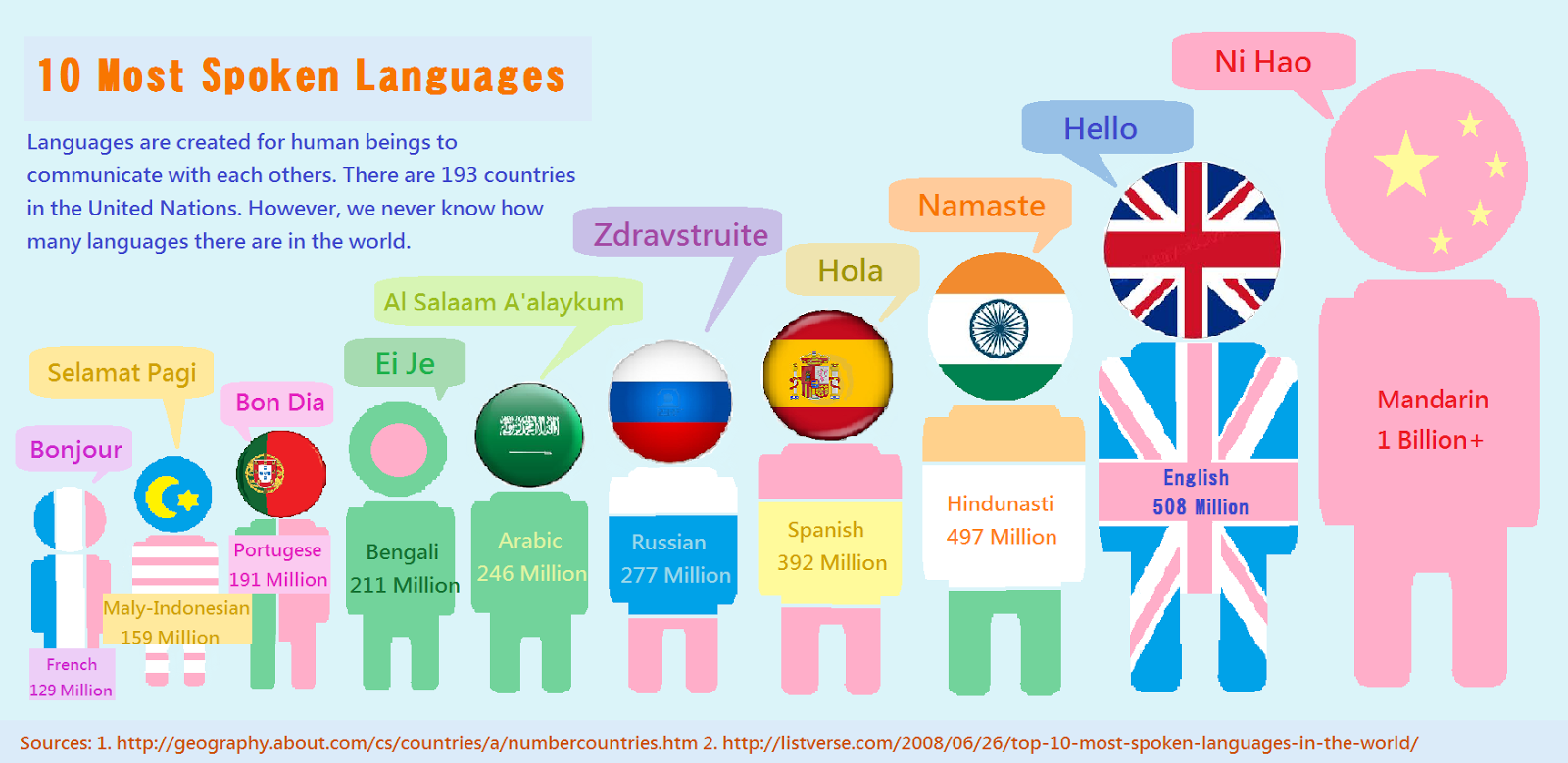
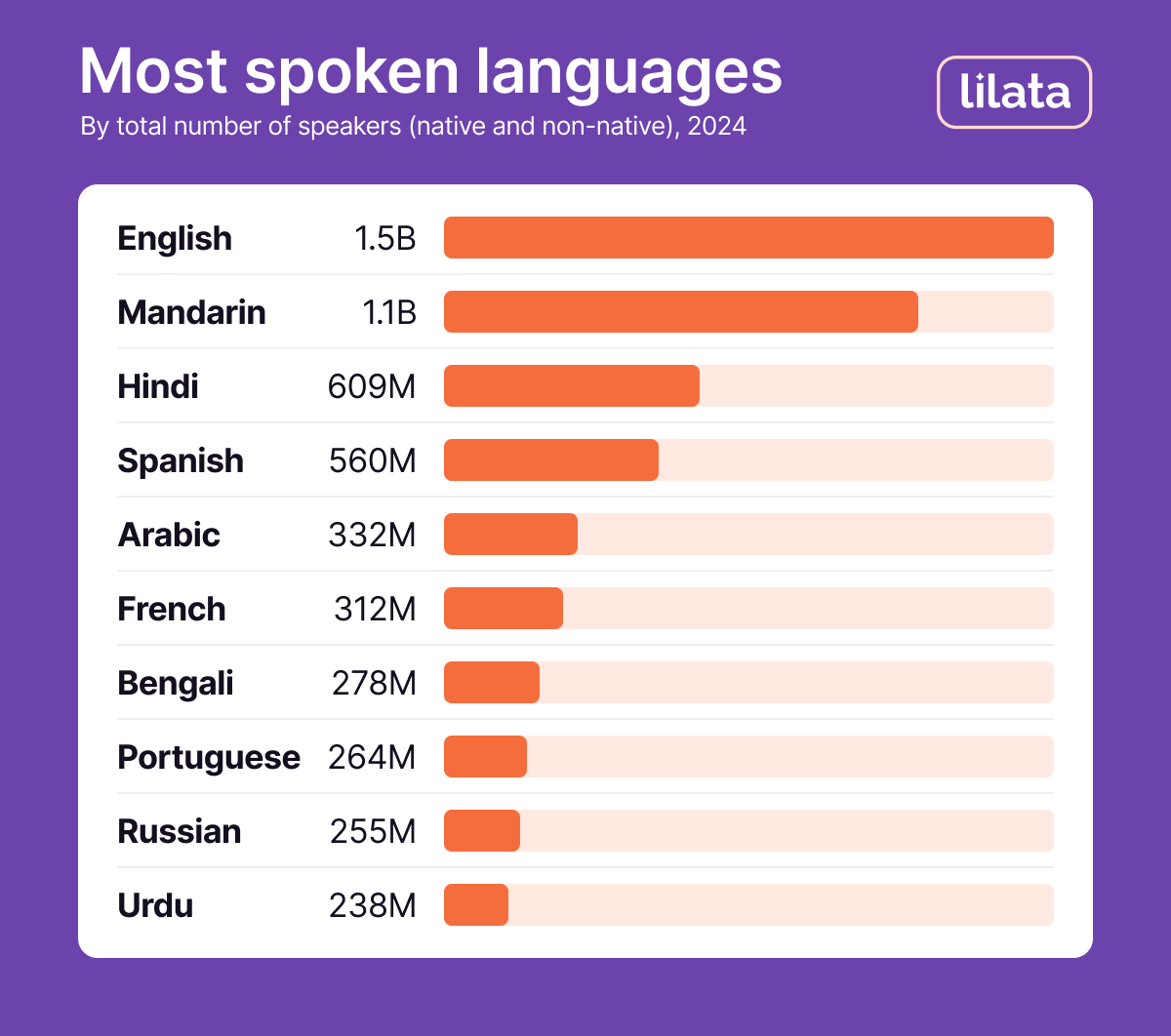
In the context of the twenty-first century, the question “what is the most widespread language” has evolved far beyond human linguistics. While Mandarin, Spanish, and English continue to dominate human conversation, the technological landscape defines “widespread” through a different lens: the lines of code that power our global infrastructure, the protocols that manage our data, and the logic that fuels artificial intelligence. When we analyze the reach, impact, and sheer volume of execution, the answer shifts from spoken words to programming syntax.
To understand which language is truly the most widespread, we must examine the layers of technology that define modern existence. From the web browsers on our smartphones to the massive server farms powering the cloud, specific technical languages have achieved a level of ubiquity that rivals any spoken tongue.
The Dominance of JavaScript and the Web’s Universal Syntax
If ubiquity is measured by the number of devices capable of executing a language, JavaScript stands as the undisputed champion. Born in 1995 as a simple scripting tool for Netscape, JavaScript has transformed into the most widespread language of the internet age.
From Scripting to Full-Stack Ubiquity
The unique advantage of JavaScript lies in its placement. It is the only language that runs natively in every modern web browser. Because the world has shifted toward a web-first model—where applications like Slack, Spotify, and even complex document editors run inside browser engines—JavaScript is executed billions of times per second across the globe.
With the advent of Node.js, JavaScript broke free from the confines of the browser. It migrated to the server-side, allowing developers to use a single language for both the front-end user interface and the back-end logic. This “full-stack” capability has made it the primary choice for startups and enterprises alike. Today, whether you are checking a social media feed or performing an online banking transaction, JavaScript is likely the engine facilitating the interaction.
The Ecosystem Effect: NPM and Beyond
The widespread nature of JavaScript is further cemented by its ecosystem. The Node Package Manager (NPM) is the world’s largest software registry, containing over two million packages. This modularity means that when a developer builds a new app, they aren’t starting from scratch; they are pulling from a global collective of shared code. This network effect ensures that JavaScript remains the most common language encountered by developers, with surveys consistently placing it at the top of active usage charts for over a decade.
Python: The Language of the AI Revolution and Data Science
While JavaScript dominates the interface of the digital world, Python has become the most widespread language for the “brain” of modern technology. Its ascent over the last ten years has been nothing short of meteoric, driven largely by the explosion of Big Data and Artificial Intelligence.
Why Simplicity Won the Machine Learning Race
Python’s popularity stems from its readability. Its syntax is remarkably close to English, which lowered the barrier to entry for scientists, mathematicians, and researchers who were not traditionally trained as software engineers. When the field of Machine Learning (ML) began to accelerate, Python became the “glue” that held complex mathematical libraries together.
Today, the most advanced AI models in the world—from GPT-4 to the recommendation algorithms used by Netflix and YouTube—are built using Python-based frameworks like TensorFlow and PyTorch. Because AI is being integrated into every sector, from healthcare diagnostics to financial forecasting, Python’s footprint is expanding into industries that were previously untouched by deep tech.
Automation and the Democratization of Coding
Beyond AI, Python is the language of automation. It is used by system administrators to manage cloud infrastructure and by digital marketers to scrape data for competitive analysis. This versatility makes it widespread not just among professional developers, but among “citizen developers”—professionals in non-tech roles who use code to optimize their workflows. This democratization of programming ensures that Python’s influence extends into the very fabric of corporate operations worldwide.
The Invisible Infrastructure: Why C and C++ Still Rule the Physical World
To find the most widespread language in terms of physical hardware, one must look beneath the surface of high-level applications. While users interact with JavaScript and Python, the hardware they hold in their hands speaks the language of C and C++.
Operating Systems and the Foundation of Hardware
The “spread” of C is invisible but total. The Linux kernel, which powers the vast majority of the world’s servers, the Android operating system, and the world’s fastest supercomputers, is written primarily in C. Similarly, the core of Windows and macOS relies heavily on C and C++.
If we consider “widespread” to mean “essential for the functioning of all other systems,” C is the clear winner. It provides the low-level memory management and high-performance execution required for operating systems to communicate with silicon. Every time a JavaScript function is called or a Python script is run, it is eventually translated down into instructions that the C-based foundations of the computer can understand.
Embedded Systems: The Silent Majority
The Internet of Things (IoT) has pushed C and C++ into even more corners of the globe. From the firmware in your microwave and the Engine Control Unit (ECU) in your car to the microcontrollers in smart lightbulbs, C is the standard. There are billions of microprocessors currently active in the world, and the overwhelming majority of them are running code compiled from C. In the realm of the “physical” digital world, no other language comes close to this level of saturation.
The Rise of Natural Language: Is English the New Coding Language?
A provocative new perspective in the tech industry suggests that the most widespread language for interacting with technology is no longer a programming language at all—it is natural human language, specifically English.
Prompt Engineering and the Shift in Interface
With the rise of Generative AI, the “interface” between humans and machines has shifted. Previously, to make a computer perform a task, one had to learn the specific syntax of a language like Java or Python. Today, through Large Language Models (LLMs), a user can describe a desired outcome in English, and the AI generates the corresponding code or action.
This has led industry leaders, including NVIDIA CEO Jensen Huang, to suggest that the most important programming language of the future is the language we speak. “Prompt engineering” is effectively a new form of high-level programming where the “compiler” is a neural network.
The Convergence of Logic and Linguistics
This shift represents the ultimate widespread reach. By removing the syntax barrier, technology has made human language the ultimate tool for creation. As AI becomes embedded in software development environments (IDEs), we are seeing a convergence where the logic of code and the nuance of human speech blend. However, while English might be the “interface,” it still relies on the underlying technical languages to execute the logic, creating a multi-layered hierarchy of languages working in tandem.
SQL: The Universal Language of Data
In the discussion of widespread languages, the “language of data” is often overlooked. Structured Query Language (SQL) is perhaps the most stable and pervasive language in the corporate world. Since the 1970s, SQL has been the standard for interacting with relational databases.
The Backbone of the Global Economy
Every financial institution, e-commerce platform, and government database relies on SQL to store, retrieve, and manage information. While programming languages like Ruby or PHP might go in and out of fashion, SQL remains constant. It is the language of the ledger, the inventory, and the user profile.
As businesses become increasingly data-driven, the ability to “speak” SQL has become a foundational skill in the modern workforce. Its widespread nature is not measured by “apps” but by “records.” With quintillions of bytes of data generated daily, the language used to organize that chaos is undeniably one of the most important in existence.
Conclusion: A Multi-Layered Definition of Ubiquity
In answering “what is the most widespread language,” we find that there is no single winner, but rather a hierarchy of dominance depending on how one defines the term:
- By Execution Environment: JavaScript is the most widespread because it lives on every screen and in every browser, serving as the bridge between humans and the internet.
- By Innovation and Growth: Python leads the way, acting as the primary vehicle for the AI revolution that is currently reshaping every industry.
- By Physical Presence: C and C++ are the most widespread, embedded in the billions of microchips and operating system kernels that allow modern civilization to function.
- By Data Integrity: SQL remains the universal standard for the world’s information, securing its place in the backend of every major enterprise.
Ultimately, the most widespread language is the one that facilitates the most connections. In our current era, that is a collaborative effort between the human languages we use to express our intent and the technical languages that translate that intent into digital reality. As we move further into the age of AI, the lines between these categories will continue to blur, creating a world where the “most widespread language” is simply the one that most effectively connects human thought to machine execution.
aViewFromTheCave is a participant in the Amazon Services LLC Associates Program, an affiliate advertising program designed to provide a means for sites to earn advertising fees by advertising and linking to Amazon.com. Amazon, the Amazon logo, AmazonSupply, and the AmazonSupply logo are trademarks of Amazon.com, Inc. or its affiliates. As an Amazon Associate we earn affiliate commissions from qualifying purchases.