
Texas, a state renowned for its vast landscapes, rich history, and vibrant culture, also harbors a lesser-known, yet equally compelling, identity: a hotbed of paranormal activity. From historic hotels to battlefields and forgotten towns, tales of the spectral abound, drawing curious visitors and dedicated ghost hunters alike. But what does it mean for a place to be “the most haunted”? Beyond the chills and folklore, this distinction represents a unique and powerful form of brand identity. In the world of place branding, where cities, regions, and landmarks strive to cultivate unique appeal, a reputation for being “haunted” can serve as an incredibly potent differentiator, shaping perceptions, driving tourism, and cementing a locale’s cultural footprint.
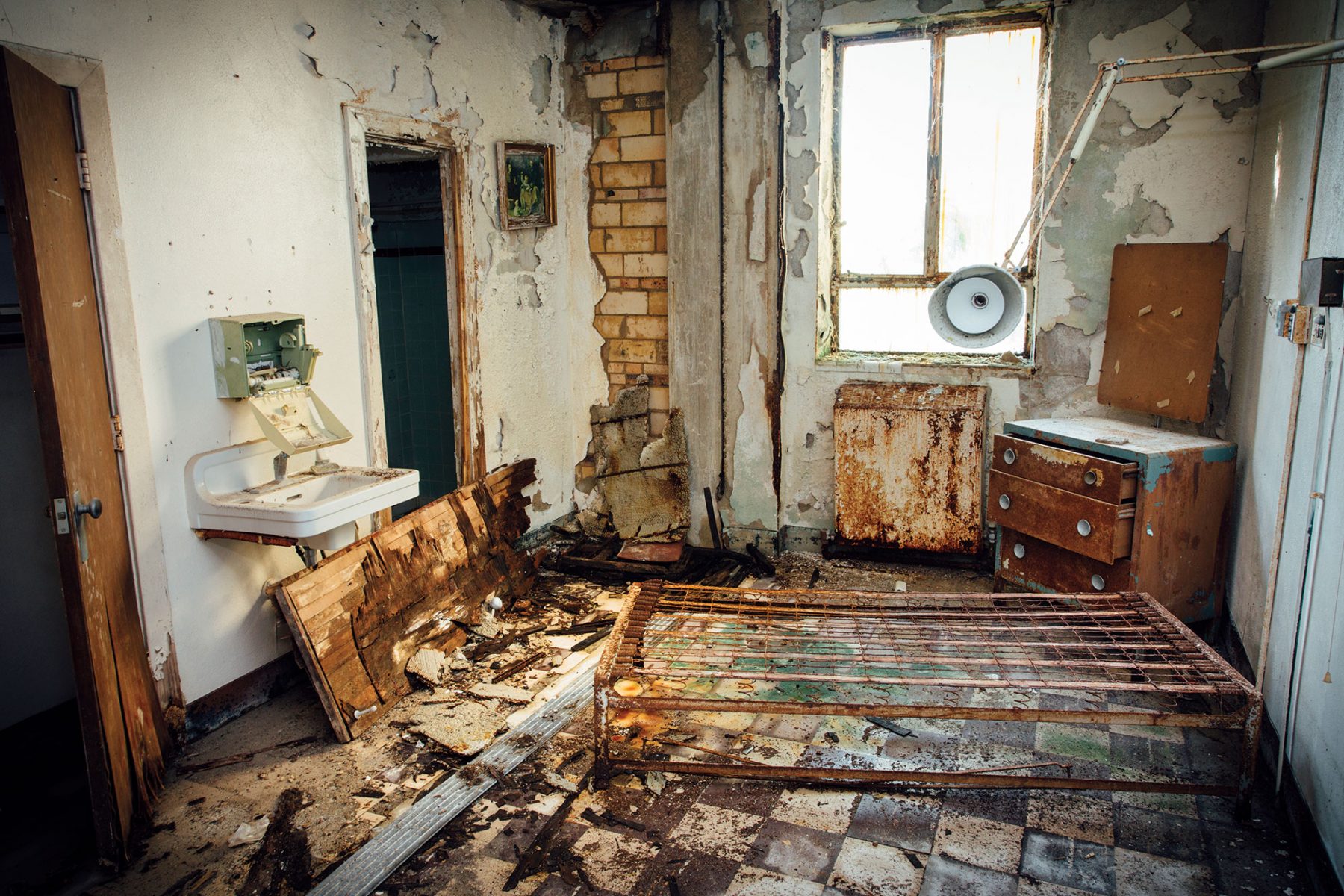
This article delves into the concept of a “haunted place” not merely as a repository of spooky stories, but as a meticulously (often organically) branded entity. We’ll explore how narratives, architecture, and collective belief converge to create a distinct supernatural identity, examining how several iconic Texan locations have leveraged their spectral reputations to carve out a unique space in the public imagination and the tourism market.
The Anatomy of a Haunted Brand: Identity Beyond the Veil
Every successful brand possesses a clear identity, a unique selling proposition, and a compelling narrative. For a haunted place, this “brand” is built on intangible assets: the whispers of the past, the unexplained phenomena, and the enduring human fascination with the unknown. Understanding this spectral branding requires looking at how stories are constructed and how atmosphere is cultivated.
Crafting the Spectral Narrative: Storytelling as Brand Foundation
At the heart of any haunted brand lies its story – or, more accurately, its collection of stories. These aren’t just random anecdotes; they are carefully preserved (and sometimes embellished) accounts of historical events, tragic deaths, unexplained occurrences, and recurring apparitions. For a place to be considered “most haunted,” it must possess a deep, consistent, and widely disseminated narrative. This narrative acts as the brand’s origin story, its mission statement, and its ongoing content strategy.
Consider the narrative elements:
- Historical Anchors: Ghosts are often tied to specific historical events – battles, murders, natural disasters, or significant personal tragedies. These anchors lend authenticity and depth to the stories, making them more believable and emotionally resonant.
- Personal Testimonies: Eyewitness accounts, whether from staff, residents, or visitors, add credibility and a human element. These “testimonials” function much like user-generated content, validating the brand’s claims and inviting others to seek their own experiences.
- Consistency and Repetition: The most enduring haunted brands feature recurring phenomena and consistent ghost stories told across generations. This repetition solidifies the brand’s core identity, making its supernatural attributes predictable and recognizable.
- Mythology and Folklore: Over time, these narratives transcend mere stories to become part of local mythology, passed down through oral tradition, local publications, and increasingly, digital platforms. This creates a cultural resonance that extends beyond mere curiosity.
This narrative framework transforms a simple building or location into a character, imbued with personality and a compelling backstory that draws people in. It’s the ultimate form of emotional branding, tapping into primal fears and fascinations.
Atmospheric & Experiential Branding: Engaging the Senses
Beyond the tales, the physical environment plays a critical role in reinforcing a haunted brand’s identity. This is where experiential branding comes into its own. A truly haunted place doesn’t just tell stories; it feels haunted.
Elements contributing to atmospheric branding include:
- Architecture and Age: Old, grand, or derelict buildings inherently possess an eerie quality. Their worn facades, creaking floors, and antiquated designs whisper of bygone eras, making them perfect canvases for spectral narratives.
- Location and Setting: Isolated locales, forgotten corners of bustling cities, or places with dramatic natural backdrops amplify the sense of mystery and unease.
- Sensory Details: The “brand experience” of a haunted place often involves subtle sensory cues: sudden drops in temperature, inexplicable smells (cigar smoke, perfume), disembodied sounds, or visual anomalies (shadows, reflections). These contribute directly to the feeling of being in a “haunted” space, transforming abstract stories into tangible, albeit unexplained, experiences.
- Curated Experiences: Ghost tours, overnight stays, and themed events are all ways the “haunted brand” actively manages and promotes its identity, offering immersive experiences that bring the narrative to life and reinforce its supernatural appeal.
By engaging multiple senses and offering an immersive experience, a haunted place transcends a mere location to become a multi-dimensional brand, capable of delivering consistent “spook factor” to its audience.
Iconic Texan Haunts: Case Studies in Supernatural Branding
Texas boasts numerous locations with robust supernatural reputations, each serving as a compelling case study in how a haunted identity can shape perception and appeal.
The Menger Hotel, San Antonio: Leveraging History and Hauntings for Timeless Appeal
Established in 1859, the Menger Hotel stands as one of Texas’s oldest and most prestigious hotels. Its grand architecture, historical significance (it hosted presidents, cattle barons, and military figures), and prime location next to the Alamo naturally contribute to its brand as a landmark of luxury and heritage. However, what truly elevates the Menger’s unique brand is its unparalleled reputation as “the most haunted hotel in Texas.”
The Menger’s spectral brand is built on:
- Prominent Historical Figures as “Ghosts”: The most famous alleged resident is the ghost of Teddy Roosevelt, who recruited his “Rough Riders” in the Menger Bar. Other reported apparitions include chambermaids, Confederate soldiers, and even the hotel’s original owner, William Menger. Attaching specific historical figures to the hauntings provides powerful brand ambassadors for the spectral narrative, lending celebrity status to the ghosts themselves.
- Consistent Activity: Reports of unexplained cold spots, disembodied voices, objects moving, and full-bodied apparitions have persisted for over a century, contributing to a consistent “brand experience” for guests.
- Integrated Branding: The Menger doesn’t shy away from its haunted reputation; it embraces it. Ghost tours often start or include the hotel, and its staff are well-versed in the legends. This integration ensures the paranormal aspect is not an anomaly but a core part of its luxurious, historic, and unique brand identity, attracting a niche market of paranormal enthusiasts alongside traditional tourists. This makes the hotel a destination, not just accommodation.
The Galveston Strand: Catastrophe, Legacy, and a Haunted Urban Brand
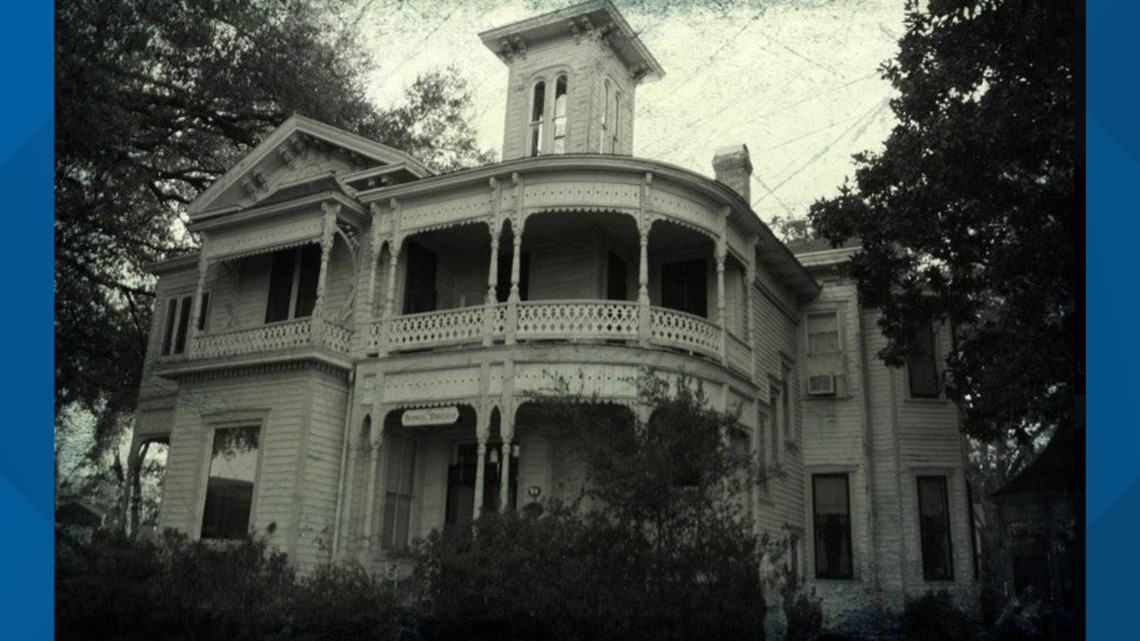
The historic Strand District in Galveston, with its Victorian-era architecture, is a thriving hub for shops, restaurants, and art galleries. Yet, beneath its charming facade lies a somber history, primarily shaped by the devastating 1900 hurricane – the deadliest natural disaster in U.S. history. This catastrophic event has indelibly marked the Strand, creating a powerful, collective “haunted brand” for an entire urban area.
The branding elements here are:
- Shared Trauma as a Brand Origin Story: The sheer scale of the 1900 hurricane and the loss of life provides a profound, collective trauma that serves as the genesis for countless ghost stories. The entire district is steeped in this shared history, making its hauntings less about individual spirits and more about a lingering presence of a tragic past.
- Diverse Spectral Manifestations: Rather than one iconic ghost, the Strand’s brand is defined by a multitude of reported phenomena across various buildings: disembodied voices in shops, figures glimpsed in windows, strange noises in alleys. This diffuse but pervasive activity contributes to a sense that the entire area is imbued with a supernatural energy.
- Tourism Leveraging: Ghost tours are a prominent feature of Galveston tourism, with the Strand being a central focus. These tours don’t just tell stories; they market the district’s unique, melancholic charm, turning historical tragedy into a compelling attraction. The “haunted” aspect adds a layer of depth and intrigue to the Strand’s overall brand as a historic and vibrant destination.
The Baker Hotel, Mineral Wells: Resurrecting a Brand with a Ghostly Past
The Baker Hotel in Mineral Wells is a grand, 14-story Spanish Colonial Revival hotel that opened in 1929. Once a premier destination famous for its “healing waters,” it closed its doors in 1972 and has stood abandoned for decades, a majestic ruin. Despite its derelict state, or perhaps because of it, the Baker has cultivated a formidable reputation as one of Texas’s most haunted locations.
The Baker’s “haunted brand” is instrumental in its ongoing narrative:
- Eerie Aesthetic as a Brand Asset: The hotel’s crumbling grandeur, broken windows, and overgrown surroundings create an inherently spooky and cinematic aesthetic. This visual brand identity is intrinsically linked to its paranormal reputation, making it a favorite for urban explorers and ghost hunters alike.
- Mythology of the Abandoned: The very act of abandonment creates a vacuum filled by speculation and ghost stories. Tales of former guests, a mistress jumping from the roof, and the tragic legacy of the mineral water craze all contribute to its rich, dark brand narrative.
- Catalyst for Redevelopment and Renewed Interest: Critically, the Baker’s haunted status has become a key part of its appeal in ongoing redevelopment efforts. The paranormal reputation attracts attention, documentary crews, and investors interested in preserving its unique character. Its ghostly past isn’t a detriment but a unique selling proposition, promising a distinctive experience for future guests who will be drawn by both its history and its hauntings. The “haunted” brand acts as a beacon, keeping the hotel in the public consciousness even in its dormant state.
The “Most Haunted” Distinction: A Powerful Brand Differentiator
In a crowded market of tourist attractions and historical sites, being recognized as “the most haunted” is a powerful brand differentiator. It elevates a location from merely interesting to uniquely captivating, creating a distinct niche that appeals to a specific, passionate audience.
Cultivating Premium Paranormal Identity: The Quest for Top-Tier Spook Factor
The designation “most haunted” isn’t merely an observation; it’s a coveted status that locations actively (or passively) compete for. It signifies a premium paranormal identity, suggesting a richer history, more intense activity, and a more profound connection to the spectral realm. This pursuit of the “top-tier spook factor” involves:
- Media Attention: Appearances on paranormal investigation shows, articles in travel blogs, and social media buzz all contribute to building a location’s haunted brand equity.
- Word-of-Mouth: The sharing of personal experiences and ghost stories among visitors acts as organic marketing, strengthening the brand’s reputation.
- Unique Selling Proposition: For many locations, “haunted” becomes the primary reason to visit, offering an experience that cannot be replicated by conventional attractions. It taps into a primal human desire for mystery and connection with the unknown.
Achieving this “most haunted” status grants a location an almost mythical aura, making it a pilgrimage site for those seeking the ultimate paranormal encounter.
Economic & Cultural Returns: Branding Beyond the Ghost Story
The brand of a haunted place extends far beyond mere reputation; it translates into tangible economic and cultural benefits.
- Tourism Boost: Haunted locations often become significant tourist draws, generating revenue through ghost tours, specialized accommodations, gift shops, and local businesses that cater to visitors. This creates a specialized form of niche tourism.
- Community Identity: For smaller towns or districts, a reputation for being haunted can become a central part of their identity, fostering a sense of pride and uniqueness among residents. It can inspire local festivals, historical preservation efforts, and even artistic creations.
- Historical Preservation: The allure of ghosts often drives interest in preserving the historic buildings and sites where they are believed to reside. This ensures the physical “brand assets” are maintained for future generations, regardless of their belief in the supernatural.
Ultimately, the “most haunted” brand cultivates a powerful synergy between history, mystery, and commerce, demonstrating how an intangible asset can yield very real-world returns.
Navigating the Ethics of Spectral Branding
While the allure of a haunted brand is undeniable, leveraging it requires careful consideration of ethical implications, particularly concerning authenticity, historical respect, and community engagement.
Authenticity vs. Allure: Balancing Heritage and Hype
The challenge for any haunted brand is to balance the natural desire to attract visitors with the responsibility of maintaining historical accuracy and respecting the stories and lives associated with the hauntings.
- Avoiding Exaggeration: While storytelling is key, fabricating or overly sensationalizing stories can dilute the brand’s authenticity and alienate serious enthusiasts or locals who know the history.
- Respectful Presentation: Hauntings often stem from tragic events. Presenting these stories respectfully, acknowledging the human element, is crucial. The goal is to inform and intrigue, not to exploit pain.
- Maintaining Integrity: For places with genuine historical significance, the “haunted” aspect should ideally complement, not overshadow, their broader heritage. The brand should be multifaceted, offering rich historical context alongside the paranormal.

Community & Stakeholder Branding: Collaborative Narrative Control
The narrative of a haunted place is rarely controlled by a single entity. It’s a collective construction, shaped by local historians, business owners, residents, paranormal investigators, and even the original families associated with the location.
- Involving Local Voices: Engaging the community in the development and promotion of a haunted brand ensures that local stories are accurately represented and that the branding efforts resonate culturally.
- Addressing Skepticism: While the brand thrives on mystery, it’s also important to acknowledge that not everyone believes in ghosts. A mature haunted brand can appeal to both believers and skeptics by focusing on compelling narratives, historical interest, and unique experiences.
- Protecting Legacy: Ultimately, a well-managed haunted brand seeks to preserve the legacy of a place, ensuring that its stories, whether supernatural or purely historical, continue to be told and valued.
In conclusion, “the most haunted place in Texas” is more than just a spooky locale; it’s a meticulously crafted, often organically evolved, brand identity. Through compelling narratives, atmospheric experiences, and strategic positioning, these sites transform their spectral reputations into powerful attractors. They demonstrate how unique cultural assets, even those rooted in the ethereal, can create distinct brands that captivate audiences, drive economic activity, and cement a lasting cultural legacy, proving that sometimes, the most enduring brands are those that transcend the tangible.
aViewFromTheCave is a participant in the Amazon Services LLC Associates Program, an affiliate advertising program designed to provide a means for sites to earn advertising fees by advertising and linking to Amazon.com. Amazon, the Amazon logo, AmazonSupply, and the AmazonSupply logo are trademarks of Amazon.com, Inc. or its affiliates. As an Amazon Associate we earn affiliate commissions from qualifying purchases.