
In the world of personal finance and large-scale investing, real estate stands as one of the most significant asset classes. Whether you are a first-time homebuyer looking to build equity or a seasoned investor seeking a diversified portfolio, the term “MLS” is one you will encounter repeatedly. Standing for “Multiple Listing Service,” the MLS is more than just a digital catalog of homes; it is a sophisticated financial network that facilitates the exchange of billions of dollars in assets every year.
To understand what an MLS is from a financial perspective, one must view it as the “stock exchange” for local property markets. It is the primary mechanism that ensures transparency, liquidity, and fair market valuation, making it an indispensable tool for anyone looking to manage their wealth through real estate.

The Economics of the Multiple Listing Service: Facilitating Global Transactions
At its core, the MLS is a cooperative financial agreement among brokerages. While many consumers interact with third-party sites like Zillow or Redfin, those platforms are merely the “display cases” for the underlying data stored within the MLS. From a money-focused perspective, the MLS serves as the definitive source of truth for property valuations and transaction histories.
The Contractual Offer of Compensation
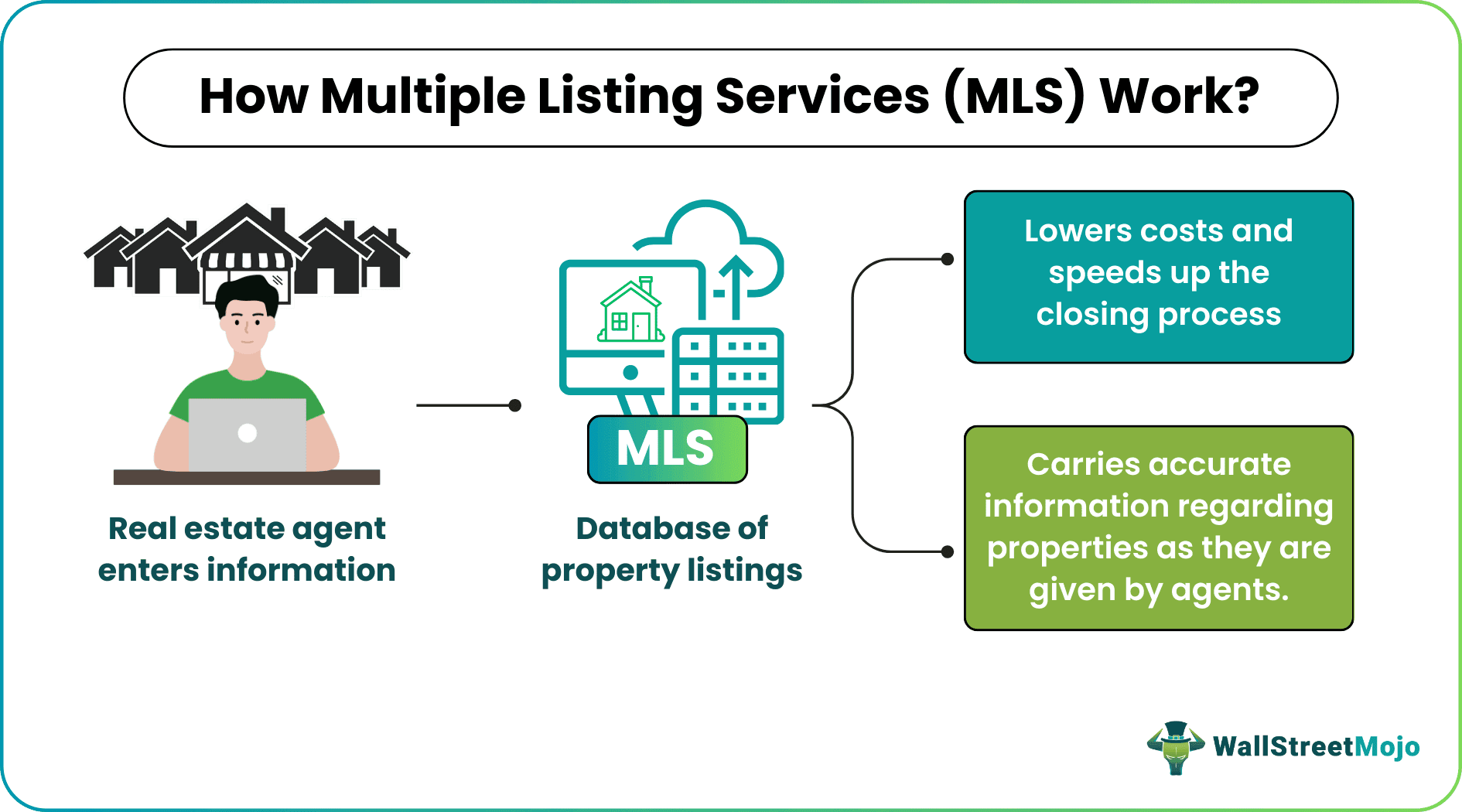
The most critical financial aspect of an MLS is the “offer of compensation.” When a listing broker places a property on the MLS, they are making a legally binding offer to pay a cooperating broker (the buyer’s agent) a portion of the total commission. This financial structure is what incentivizes brokers to work together rather than competing in silos. By centralizing these offers, the MLS creates a liquid market where buyers and sellers can find each other with minimal friction. This cooperation ensures that capital flows more efficiently through the housing market, preventing the stagnation of assets.
Liquidity and Market Speed
In finance, liquidity refers to how quickly an asset can be converted into cash without affecting its price. Real estate is notoriously illiquid compared to stocks or bonds. However, the MLS improves liquidity by maximizing exposure. When a property is listed, it is instantly broadcast to thousands of agents and millions of potential buyers. For a seller, this speed translates directly to “carrying costs”—the taxes, insurance, and mortgage interest paid while the property sits on the market. By reducing the time it takes to sell, the MLS saves the property owner thousands of dollars in potential lost capital.
Accuracy in Financial Data
Unlike crowdsourced data, the information on an MLS is strictly regulated. Brokers face significant financial penalties for entering inaccurate data regarding square footage, tax history, or zoning. For an investor, this data integrity is the bedrock of a “Due Diligence” process. Reliable data allows for more accurate Internal Rate of Return (IRR) projections and ensures that the financial risk associated with a property purchase is minimized.
How the MLS Protects Personal Wealth and Equity
For the average individual, their home is their largest financial asset. The MLS plays a silent but pivotal role in protecting the value of that asset through market stabilization and transparent pricing.
Establishing Fair Market Value
How do you know what a house is worth? In a “Money” context, value is determined by what a willing buyer will pay a willing seller. The MLS provides the historical data (commonly known as “Comps” or comparable sales) necessary to determine this price point. Without the centralized data of the MLS, appraisal values would be inconsistent, leading to “valuation bubbles” or “equity gaps.” By providing a history of closed sales, the MLS allows appraisers and banks to lend money with confidence, which in turn keeps mortgage interest rates more stable for the general public.
Equity Preservation for Sellers
When a homeowner decides to sell, their primary goal is to extract the maximum amount of equity. The competitive environment of an MLS ensures that multiple bids are more likely, driving the price toward the true market ceiling. From a personal finance standpoint, the “market exposure” provided by an MLS is often the difference between a break-even sale and a profitable one. This exposure prevents “off-market” sales where a seller might unknowingly leave tens of thousands of dollars on the table by not reaching the full pool of available capital.
Transparency for Homebuyers
For buyers, the MLS acts as a financial safeguard. It lists not only the price but also the history of price drops, previous sales, and property disclosures. This transparency prevents “asymmetric information,” a financial condition where one party has more information than the other, often leading to a bad deal for the uninformed party. By leveling the playing field, the MLS ensures that buyers are making informed decisions about their net worth and long-term debt obligations.
Investing and Income: Leveraging the MLS for Business Growth
For real estate professionals, property flippers, and “buy-and-hold” investors, the MLS is a specialized tool for generating income and identifying high-yield opportunities.
Identifying Undervalued Assets
Savvy investors use the MLS to track “Days on Market” (DOM). In financial terms, a high DOM often indicates a motivated seller or a property that may be open to a “low-ball” cash offer. By analyzing these metrics, investors can identify distressed assets that, when renovated, offer a high Return on Investment (ROI). The ability to filter listings by specific financial criteria—such as zoning for multi-family units or properties with existing rental income—allows for targeted capital allocation.
Maximizing Rental Income and Cap Rates
Investors focused on cash flow use MLS data to calculate “Capitalization Rates” (Cap Rates). By looking at the listing price against the projected rental income in a specific neighborhood (also tracked via the MLS in many regions), an investor can determine if a property meets their “Cash-on-Cash” return requirements. This data-driven approach removes the emotion from investing, treating the property as a financial instrument rather than just a building.
The Professional Revenue Model
For real estate agents, the MLS is the primary source of business income. Access to the MLS allows agents to provide a “fiduciary” level of service, justifying their commission. In the broader economy, the MLS supports a massive ecosystem of secondary businesses—inspectors, title companies, mortgage lenders, and contractors—all of whom rely on the deal flow initiated within the Multiple Listing Service. This “multiplier effect” makes the MLS a cornerstone of regional economic health.
The Financial Evolution of the MLS in a Changing Market
The real estate industry is currently undergoing a financial shift, particularly concerning commission structures and data accessibility. Understanding the future of the MLS is essential for anyone managing real estate assets.
Changing Commission Structures and ROI
Recent legal settlements regarding real estate commissions are changing how the “offer of compensation” works within the MLS. Moving forward, the financial negotiation between buyers and their agents may become more decoupled from the seller’s listing. From a money management perspective, this means both buyers and sellers will need to be more strategic about their transaction costs. The MLS remains the central hub for these negotiations, but the way “money changes hands” is becoming more transparent and competitive, potentially lowering the cost of entry for some participants.
The Rise of PropTech and Data Monetization
The data housed within the MLS is incredibly valuable. Financial institutions and hedge funds pay significant sums to analyze MLS trends to predict broader economic shifts. As we look forward, the “democratization” of this data through technology means that individual investors now have access to the same high-level financial analytics that were once reserved for institutional “whales.” This shift allows for more sophisticated personal finance strategies, such as “house hacking” or micro-investing in residential portfolios.
Global Capital and Local Markets
While the MLS is a local or regional tool, it is increasingly being used to attract international capital. For many foreign investors, the U.S. real estate market represents a “safe haven” for currency. The standardized format of the MLS provides these investors with a level of financial comfort, knowing that the data is regulated and the transaction process is transparent. This influx of global money helps maintain property values and provides the capital necessary for new developments and urban revitalization.

Conclusion: The Bottom Line on the MLS
In summary, when asking “what is a MLS real estate,” the answer is rooted firmly in finance. It is the infrastructure that supports the valuation, sale, and purchase of the world’s most significant asset class. For the homeowner, it is a guardian of equity; for the investor, it is a map to ROI; and for the market at large, it is the engine of liquidity and transparency.
Whether you are navigating the complexities of your personal net worth or looking to scale a business finance operation, understanding the MLS is non-negotiable. It remains the most powerful tool for ensuring that your real estate decisions are backed by data, protected by market cooperation, and positioned for long-term financial success. In a world where information is money, the Multiple Listing Service is the ultimate ledger of opportunity.
aViewFromTheCave is a participant in the Amazon Services LLC Associates Program, an affiliate advertising program designed to provide a means for sites to earn advertising fees by advertising and linking to Amazon.com. Amazon, the Amazon logo, AmazonSupply, and the AmazonSupply logo are trademarks of Amazon.com, Inc. or its affiliates. As an Amazon Associate we earn affiliate commissions from qualifying purchases.