
In the landscape of modern commerce, the intersection of psychology and brand strategy has become the ultimate frontier for growth. When market researchers and brand architects ask, “What is the most common personality type?” they are not merely seeking a demographic statistic. They are looking for the “Golden Thread”—the psychological baseline that connects the largest segment of the global population.
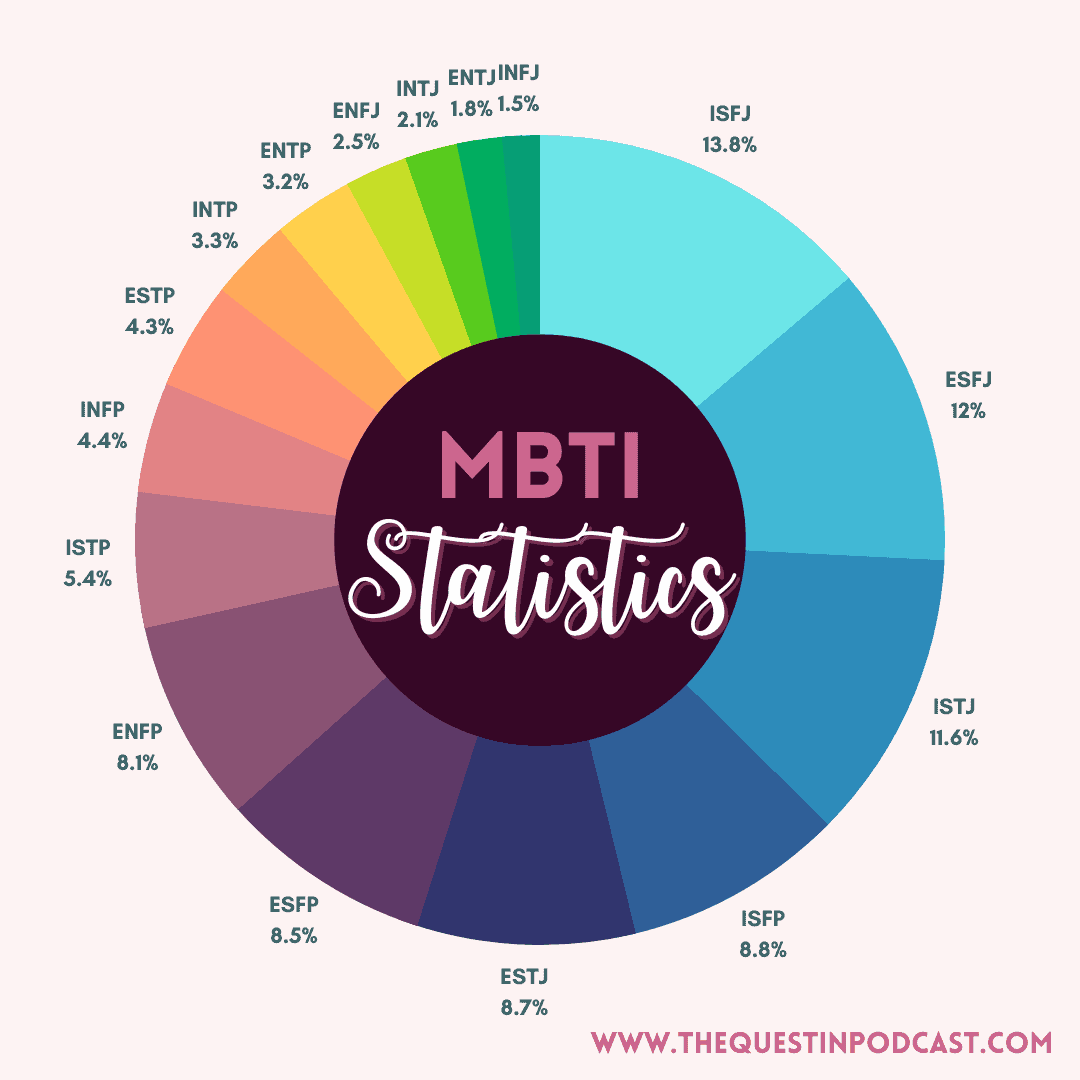
Understanding the most prevalent personality traits allows a brand to move beyond generic messaging and into the realm of deep resonance. In psychometric terms, particularly within the Myers-Briggs Type Indicator (MBTI) framework, the ISFJ (Introverted, Sensing, Feeling, Judging) is frequently cited as the most common personality type, making up approximately 13.8% of the population. From a brand strategy perspective, this insight is transformative. It suggests that the majority of consumers value reliability, practical utility, and emotional authenticity over flashiness or abstract innovation.
The Psychology of the “Everyman”: Why the Most Common Personality Type Drives Global Markets
To build a brand that resonates with the masses, one must understand the core motivations of the most common personality types. The prevalence of the “Defender” or “Protector” (ISFJ) and the “Consul” (ESFJ) suggests a global consumer base that prioritizes social harmony, tradition, and tangible results.
Defining the ISFJ and the Archetypal Consumer
The ISFJ personality type is characterized by a deep sense of responsibility and a desire to maintain stability. When we translate these traits into consumer behavior, we see a preference for brands that offer “peace of mind.” These consumers are not early adopters who chase the newest tech gadget for the sake of novelty; they are pragmatic shoppers who look for reviews, warranties, and proven track records. A brand strategy that targets this common type must emphasize heritage and reliability.
The Relatability Factor: Why Consistency Wins in Brand Strategy
Because the most common personality types lean toward “Sensing” (focusing on facts and immediate reality) rather than “Intuition” (focusing on possibilities and abstract theories), brands must be concrete. High-concept, avant-garde branding often fails to capture the largest market share because it feels inaccessible. Instead, the most successful global brands—such as Toyota or Coca-Cola—utilize “Everyman” branding. They position themselves as a reliable companion in the consumer’s daily life, mirroring the steady, hardworking nature of the most common personality profiles.
Psychographic Segmentation vs. Demographic Data
While age and income are important, psychographic segmentation allows a brand to speak directly to the “Feeling” and “Judging” aspects of the common personality. These consumers make decisions based on personal values and a desire for an organized, predictable experience. By aligning a brand’s corporate identity with these values, companies can foster a sense of belonging that transcends simple transactional relationships.
Mapping Personality Types to Brand Identity: A Strategic Framework
Effective brand strategy requires a mirror effect: the brand must reflect the personality of its target audience while maintaining a distinct corporate identity. If the most common personality type is grounded and altruistic, the brand’s “voice” must follow suit.
The Big Five and Consumer Motivation
Beyond MBTI, brand strategists often look at the “Big Five” personality traits: Openness, Conscientiousness, Extraversion, Agreeableness, and Neuroticism (OCEAN). Data suggests that the most common consumer segments score high on “Agreeableness” and “Conscientiousness.”
For a brand, this means that ethical sourcing, social responsibility, and meticulous attention to detail are not just “nice-to-haves”—they are foundational. A conscientious consumer expects a brand to be organized and efficient. An agreeable consumer expects the brand to be empathetic and community-focused. Mapping your brand strategy to these high-frequency traits ensures that your messaging lands on fertile ground.
Building Brand Trust through Stability-Oriented Personas
Since the most common personality types often value “Judging” (structure) over “Perceiving” (spontaneity), brand trust is built through consistency. This is why visual identity—logos, color palettes, and typography—must remain stable over long periods. Rebranding too frequently can alienate the most common personality types, who view radical change as a sign of instability or a loss of core values. Strategic brand evolution should be incremental, respecting the consumer’s need for a familiar emotional “home.”

The Role of Emotional Intelligence (EQ) in Marketing
Brands that successfully appeal to the “Feeling” component of the most common personality types utilize high-EQ marketing. This involves storytelling that highlights human connection, family, and tradition. It’s not about the product’s specs; it’s about how the product facilitates a moment of care or a sense of duty fulfilled.
Case Studies: Brands that Mastered the Common Personality Archetype
The most successful brands in history have intuitively (or through rigorous data) aligned themselves with the most common personality traits of the general public. They don’t try to be “cool” for a niche; they try to be “essential” for the majority.
IKEA: Functionalism for the Practical Majority
IKEA is a masterclass in appealing to the Sensing and Judging traits. Their brand identity is built on the “Democratic Design” philosophy—offering form, function, quality, and sustainability at a low price. This appeals directly to the ISFJ’s need for practical, organized, and value-driven solutions. IKEA doesn’t sell “furniture”; they sell a “better everyday life,” tapping into the common desire for a harmonious and well-ordered home environment.
Dove: Emotional Intelligence and the Search for Authenticity
In the beauty industry, Dove shifted the narrative from aspirational perfection to “Real Beauty.” This was a strategic pivot to appeal to the “Agreeableness” and “Feeling” traits prevalent in the most common personality types. By celebrating authenticity and diversity, Dove built a personal brand relationship with millions of women who felt alienated by the high-neuroticism, high-pressure marketing of luxury brands.
Amazon: The Perfection of Conscientiousness
Amazon’s brand strategy is centered on being “Earth’s most customer-centric company.” This mission statement is a direct appeal to the Conscientious consumer. The speed of delivery, the ease of returns, and the reliability of the star-rating system provide the structure and predictability that the most common personality types crave. Amazon’s brand identity isn’t about the “magic” of e-commerce; it’s about the “efficiency” of it.
Personal Branding: Navigating a World of Common Traits
In the age of the creator economy, personal branding has become a necessity for executives and entrepreneurs. The question of the most common personality type is equally relevant here: Should you try to be unique, or should you try to be relatable?
Standing Out Without Alienating the Majority
The challenge of personal branding is balancing “differentiation” with “relatability.” While you want your personal brand to be unique, if you stray too far from the traits of the most common personality types (reliability, empathy, practicality), you may find it difficult to scale your influence. The most successful personal brands—think Oprah Winfrey or Warren Buffett—leverage traits like “Common Sense” and “Authenticity,” which are highly valued by the majority of the population.
The Role of Empathy in Executive Leadership Branding
For corporate leaders, a personal brand built on the “Protector” or “Consul” archetype can be incredibly effective. By positioning oneself as a leader who cares about the team’s well-being and the company’s long-term stability, an executive can win the loyalty of the largest segment of their workforce. Branding yourself as a “Disruptor” might attract media attention, but branding yourself as a “Steward” often builds more sustainable corporate value.
Content Strategy for the Pragmatic Audience
If your personal brand aims to reach a wide audience, your content strategy should favor “Sensory” information—case studies, “how-to” guides, and tangible results—over abstract philosophy. The most common personality types want to know how something works and why it matters to their daily lives. High-level theory is for the few; practical wisdom is for the many.

Conclusion: The Strategic Advantage of the “Common”
In the world of brand strategy, being “common” is not a critique; it is a competitive advantage. By identifying that the most common personality type—the ISFJ—and its related clusters value stability, practicality, and emotional resonance, brands can move away from guesswork and toward psychological precision.
The goal of a sophisticated brand identity is to create a “Psychological Bridge.” On one side is the brand’s unique value proposition; on the other is the deeply ingrained personality traits of the global majority. When a brand speaks the language of the “Everyman,” it doesn’t just sell a product—it becomes a part of the consumer’s identity. In an era of fleeting digital trends, the brands that anchor themselves in the enduring traits of the most common personality types are the ones that will achieve true longevity and market dominance.
aViewFromTheCave is a participant in the Amazon Services LLC Associates Program, an affiliate advertising program designed to provide a means for sites to earn advertising fees by advertising and linking to Amazon.com. Amazon, the Amazon logo, AmazonSupply, and the AmazonSupply logo are trademarks of Amazon.com, Inc. or its affiliates. As an Amazon Associate we earn affiliate commissions from qualifying purchases.