
The word “chorus” is one of those musical terms that seems instantly familiar, yet its precise definition can be surprisingly elusive. We encounter it everywhere – in pop songs, classical compositions, even in casual conversations about music. But what is a chorus in music? And why is it so crucial to the structure and impact of a song? While the fundamental concept is simple, exploring its nuances reveals how this element has evolved and how it intersects with various facets of the modern world, from technology to brand building and even financial strategy.
The Core of the Song: Understanding the Musical Chorus
At its heart, a musical chorus is the repeated section of a song. It’s typically the part that sticks with you long after the music stops playing, the melodic and lyrical core that listeners anticipate and often sing along to. Think of it as the song’s main message, its emotional peak, or its most memorable hook.

The Anatomy of a Chorus
While the defining characteristic of a chorus is its repetition, it’s more than just a recurring musical phrase. Several elements contribute to its effectiveness:
- Memorability: A great chorus is designed to be catchy and easy to remember. This is achieved through a combination of factors:
- Melody: Often, the chorus features a more energetic, uplifting, or anthemic melody than the verses. It might rise in pitch or have a more expansive contour.
- Rhythm: The rhythmic patterns in a chorus are frequently simpler and more direct, making them easier to tap your foot to or clap along with.
- Lyrics: The lyrical content of a chorus usually encapsulates the song’s central theme or emotional narrative. These are the lines that tell you what the song is about, often expressed in a clear, concise, and impactful way.
- Harmony: The chord progressions in a chorus are often more consonant and satisfying, creating a sense of resolution and emotional fulfillment.
- Contrast with Verses: The effectiveness of a chorus is amplified by the contrast it provides with the verses. Verses typically tell the story, introduce details, and build towards the emotional release of the chorus. They might have a more conversational tone, a more complex lyrical structure, or a less prominent melody, setting the stage for the chorus to shine.
- Repetition for Impact: The repetition of the chorus isn’t just for memorability; it’s a deliberate structural choice. Each time the chorus returns, it reinforces the song’s main idea, builds emotional momentum, and provides a sense of familiarity and comfort for the listener. This repeated exposure is what allows a song to truly burrow into our consciousness.
The Role of the Chorus in Song Structure
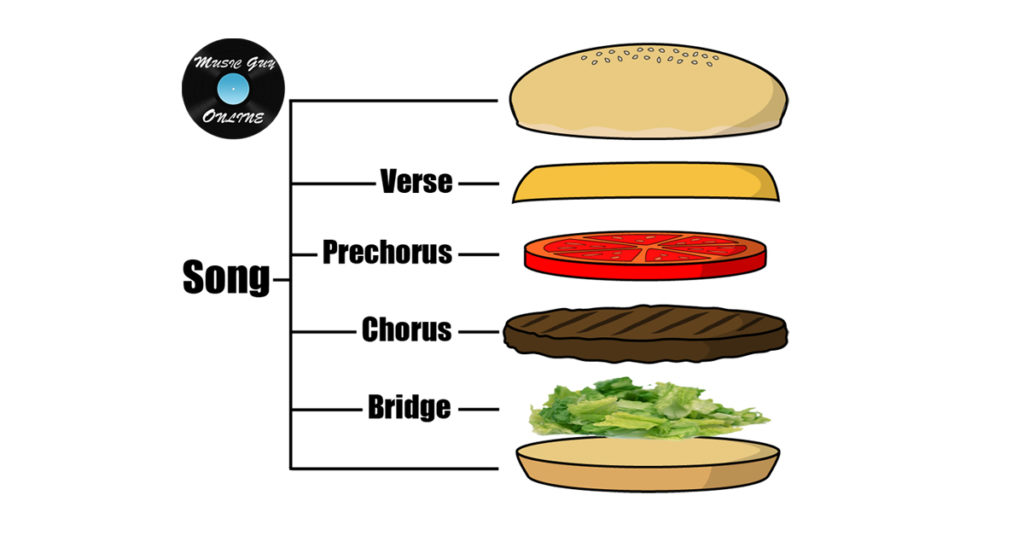
The chorus is a foundational element in most popular music song structures. While there are variations, a common arrangement looks like this:
- Intro: The beginning of the song, setting the mood and instrumentation.
- Verse 1: Introduces the narrative, characters, or situation.
- Pre-Chorus (Optional but Common): A section that builds tension and leads into the chorus, often increasing in intensity or anticipation.
- Chorus: The main, repeated hook of the song.
- Verse 2: Continues the narrative, offering more details or a different perspective.
- Pre-Chorus (Optional)
- Chorus: The repetition reinforces the central theme.
- Bridge: A contrasting section that offers a change in melody, rhythm, or lyrical perspective, often providing a new insight or emotional shift before returning to the chorus.
- Chorus: Often repeated multiple times here, sometimes with increased energy or variations.
- Outro: The conclusion of the song, fading out or ending abruptly.
The chorus acts as the anchor of this structure, providing a consistent point of reference and emotional resonance throughout the song. Without it, a song would lack direction and memorability.
Beyond the Melody: The Strategic Power of the Chorus
The impact of a chorus extends far beyond its musical qualities. Its repetitive nature and emotional resonance make it a powerful tool that can be understood and leveraged through the lenses of technology, brand strategy, and even financial planning.
The Chorus in the Digital Age: Tech and Distribution
In today’s technologically driven music industry, the concept of the chorus has taken on new dimensions.
- Streaming Algorithms and Virality: Streaming platforms and social media have become dominant forces in music discovery. The catchiness and memorability of a chorus are paramount for a song to gain traction and become “viral.” Algorithms are designed to identify songs that engage listeners, and a strong, repeatable chorus is a key indicator of such engagement. Short-form video platforms, in particular, rely on instantly recognizable musical hooks – and the chorus is often that hook.
- AI in Songwriting and Production: Artificial intelligence is increasingly being used in music creation. AI tools can analyze vast datasets of popular songs to identify patterns that contribute to hit choruses. They can suggest melodic ideas, lyrical phrases, and even chord progressions that are likely to resonate with audiences. While AI won’t replace human creativity entirely, it can serve as a powerful assistant in crafting memorable and effective choruses, optimizing them for maximum impact in the digital landscape.
- The “Earworm” Phenomenon: A well-crafted chorus often becomes an “earworm” – a song that gets stuck in your head. This is a testament to its inherent memorability. Understanding the psychological principles behind earworms can inform not only songwriting but also how marketing messages are constructed, aiming for that same level of subconscious recall.
The Chorus as Brand Identity: Marketing and Recognition
Just as a chorus is the most recognizable part of a song, it serves as a parallel to a strong brand identity.
- The “Hook” of a Brand: In marketing and branding, the equivalent of a musical chorus is often the core message, the unique selling proposition, or the memorable tagline that defines a brand. This is the element that consumers readily identify and associate with the company.
- Consistency and Repetition: The repeated delivery of a brand’s core message, much like the repetition of a chorus, is essential for building brand recognition and reinforcing brand values. Think of iconic advertising jingles or slogans – they function as the chorus of a brand’s communication.
- Emotional Resonance: A powerful chorus connects with listeners on an emotional level. Similarly, successful brands aim to evoke specific emotions and create a connection with their audience. This emotional resonance is what transforms a product or service into something more meaningful.
- Building Brand Loyalty: When consumers consistently engage with and appreciate a brand’s core message (its “chorus”), it fosters loyalty. They know what to expect and what the brand stands for, creating a sense of trust and familiarity.
The Chorus of Financial Strategy: Long-Term Stability and Growth
While seemingly distant, the principles behind a strong musical chorus can even offer insights into sound financial strategies.
- The Core Investment Principle: For an individual investor, the “chorus” of their financial strategy might be their core investment principle – for example, a long-term, diversified approach. This core principle is what they return to repeatedly, through market fluctuations and changing economic conditions.
- Repetitive Savings and Investment: Just as a chorus is repeated in a song, consistent and regular savings and investments (“dollar-cost averaging”) are the repeating actions that drive wealth accumulation. These repeated efforts, even if seemingly small individually, build significant financial momentum over time.
- The “Hook” of Financial Goals: A clear and compelling financial goal – whether it’s retirement, buying a home, or funding education – acts as the “chorus” of a financial plan. It’s the recurring theme that motivates consistent action and provides a sense of purpose.
- Financial Resilience and Adaptation: While the chorus is the stable, repeated element, a successful song also incorporates variations and bridges. Similarly, a robust financial strategy needs to be adaptable. While the core principles remain, there’s room for adjustments based on market changes, personal circumstances, and new opportunities, much like a bridge offers a new perspective before returning to the familiar chorus.

The Enduring Power of the Chorus
From its humble beginnings as a simple repeated section, the chorus has evolved into a sophisticated tool with far-reaching implications. It’s the heartbeat of a song, the element that lodges itself in our minds and hearts. But its power is not confined to the realm of music. The principles of memorability, repetition, emotional resonance, and structural importance that define a great chorus are echoed in the strategic thinking behind successful technology, impactful branding, and sound financial planning. Understanding what a chorus is, in all its facets, allows us to appreciate not only the art of music but also the underlying patterns of influence and connection that shape our modern world.
aViewFromTheCave is a participant in the Amazon Services LLC Associates Program, an affiliate advertising program designed to provide a means for sites to earn advertising fees by advertising and linking to Amazon.com. Amazon, the Amazon logo, AmazonSupply, and the AmazonSupply logo are trademarks of Amazon.com, Inc. or its affiliates. As an Amazon Associate we earn affiliate commissions from qualifying purchases.