
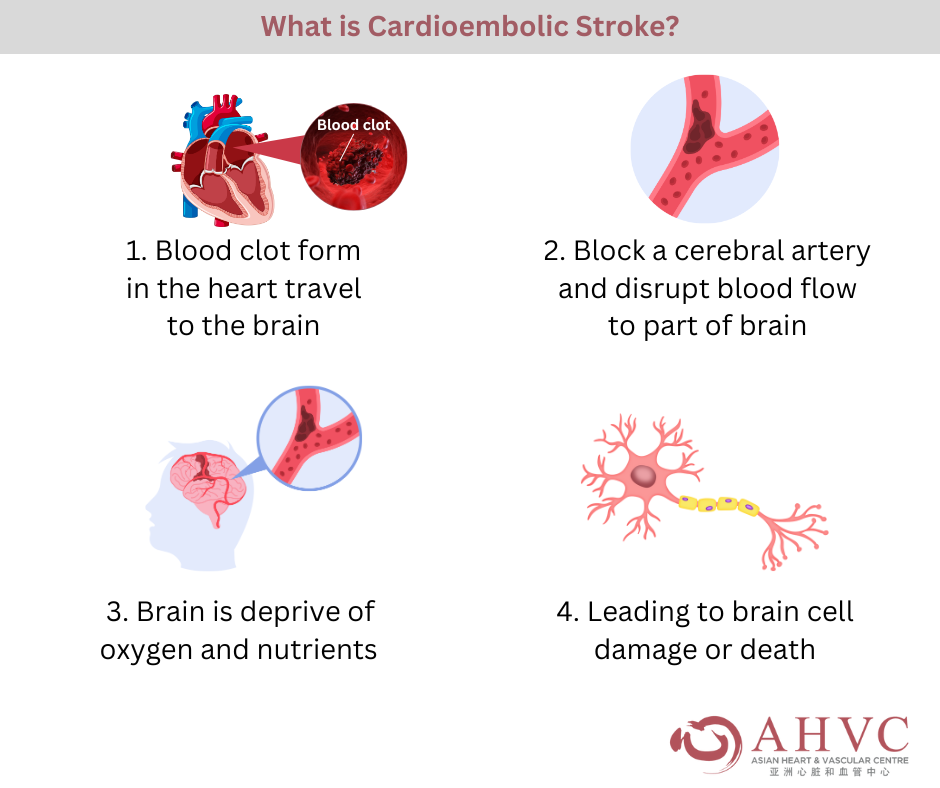
The landscape of modern medicine is being fundamentally reshaped by the rapid integration of advanced technology. When we examine the intersection of cardiovascular health and neurological safety, one specific medical challenge stands out: the cardioembolic stroke. This specific type of stroke occurs when a blood clot forms in the heart, travels through the bloodstream, and lodges in an artery supplying the brain. While the medical community has long understood the mechanics of this event, the tech sector is now taking center stage in identifying its most common cause—Atrial Fibrillation (AFib).
By leveraging Artificial Intelligence (AI), sophisticated software algorithms, and cutting-edge wearable hardware, the tech industry is providing clinicians and patients with tools that were unimaginable a decade ago. This article explores how technology is identifying, monitoring, and ultimately mitigating the risks associated with the primary drivers of cardioembolic stroke.
The Digital Frontier in Identifying Atrial Fibrillation
To understand the technological intervention, one must first identify the primary target. Atrial Fibrillation is a quivering or irregular heartbeat (arrhythmia) that can lead to blood clots, stroke, heart failure, and other heart-related complications. It is widely recognized as the most common cause of cardioembolic stroke. The challenge for traditional medicine has been that AFib is often “paroxysmal,” meaning it comes and goes, making it difficult to catch during a brief doctor’s office visit.
The Role of AI-Powered Electrocardiograms (ECGs)
Artificial Intelligence has proven to be a game-changer in reading ECG signals. Traditional ECG analysis required a human specialist to identify minute irregularities in a waveform. Today, AI models trained on millions of heartbeats can detect the “signature” of AFib even when a patient is currently in a normal rhythm (sinus rhythm). By analyzing subtle patterns in the electrical activity of the heart that are invisible to the human eye, these software tools can predict a patient’s risk of developing AFib in the future. This predictive capability allows for early intervention, often involving anticoagulant software-monitored therapies, before a stroke ever occurs.
Smart Wearables: Beyond Step Counting
The democratization of cardiac monitoring is perhaps the most visible tech trend in this space. Gadgets such as the Apple Watch, Fitbit, and Oura Ring have transitioned from fitness trackers to FDA-cleared medical devices. These wearables utilize photoplethysmography (PPG) technology—using light to measure blood flow at the wrist—to monitor for irregular heart rhythms 24/7. When the software detects a pattern suggestive of AFib, it prompts the user to take a mobile ECG or consult a physician. This constant surveillance is the first line of defense against the silent progression of the most common cause of stroke.
Predictive Analytics and Machine Learning in Stroke Prevention
The power of technology in this field extends beyond simple detection; it lies in the ability to process vast amounts of data to predict outcomes. Machine learning (ML) models are now being integrated into hospital systems to identify high-risk patients long before they present symptoms of a cardioembolic event.
Algorithmic Risk Stratification
HealthTech companies are developing software that aggregates data from Electronic Health Records (EHRs), including age, blood pressure, and previous cardiac history, to create a “risk score.” These algorithms use deep learning to identify non-linear relationships between different health markers. For instance, a slight increase in heart rate variability combined with a specific blood pressure trend might trigger an automated alert for the physician. This shifting of the paradigm from reactive to proactive care is entirely driven by the evolution of data analytics.
Remote Patient Monitoring (RPM) Ecosystems
The rise of the Internet of Medical Things (IoMT) has birthed Remote Patient Monitoring ecosystems. For patients who have already experienced a minor cardiac event or show signs of arrhythmia, tech companies provide a suite of connected gadgets—blood pressure cuffs, smart scales, and wearable patches—that feed real-time data into a centralized cloud platform. Software dashboards then use AI to filter this data, highlighting only the “red flag” events for medical staff. This prevents data fatigue among clinicians while ensuring that the most common causes of stroke are monitored with precision.
The Evolution of Diagnostic Hardware

While software and AI provide the brains, new hardware provides the eyes and ears for stroke prevention. The physical tools used to monitor the heart have undergone a radical transformation, becoming smaller, more powerful, and more connected.
Implantable Loop Recorders and IoT Connectivity
For high-risk patients, the tech industry has developed Implantable Loop Recorders (ILRs). These are tiny devices, no larger than a AAA battery, inserted under the skin. Unlike wearable watches which can be taken off, ILRs provide continuous cardiac monitoring for up to three years. These devices are now part of the broader IoT ecosystem, automatically transmitting data to a patient’s smartphone and then to a hospital’s server. This ensures that even the most fleeting episodes of AFib—the primary cause of cardioembolic stroke—are captured and logged.
Mobile Health (mHealth) and the Democratization of Cardiac Data
The “mHealth” movement has turned the smartphone into a powerful diagnostic hub. Attachments like the KardiaMobile allow users to record a medical-grade ECG by simply placing their fingers on a small pad connected to their phone. This hardware, combined with a proprietary app, uses AI to give an instant analysis. This level of accessibility means that individuals in remote areas or those who cannot afford frequent specialist visits can still monitor for the most common cause of cardioembolic stroke with professional-grade accuracy.
Data Security and Interoperability in Cardiac Tech
As we lean more heavily on digital tools to manage life-threatening conditions, the focus inevitably shifts to the infrastructure supporting this data. The tech industry is currently grappling with how to keep this sensitive biometric information secure while ensuring it remains accessible to those who need it.
Protecting Sensitive Biometric Information
With the rise of wearables and connected medical devices, cybersecurity has become a cornerstone of cardiac health tech. A breach in a system monitoring thousands of AFib patients could be catastrophic. Consequently, digital security firms are implementing end-to-end encryption and multi-factor authentication for health apps. Ensuring that the data regarding a patient’s stroke risk is both private and immutable is a top priority for software developers in the medical space.
The Future of Blockchain in Medical Record Integrity
One emerging trend is the use of blockchain technology to manage medical data. By creating a decentralized and transparent ledger of a patient’s cardiac history, blockchain can ensure that ECG readings, AI assessments, and medication logs are consistent across different healthcare providers. This interoperability is crucial; if a patient moves from one hospital system to another, their data regarding AFib detection and stroke risk needs to follow them seamlessly to prevent a lapse in preventative care.
The Roadmap for AI-Driven Cardiovascular Care
Looking forward, the tech industry is not slowing down. The goal is to move from detecting the most common cause of cardioembolic stroke to virtually eliminating it through personalized, tech-driven intervention.
Personalized Medicine and Genomic Tech
The next frontier involves combining cardiac monitoring tech with genomic data. Software is being developed that can analyze a patient’s DNA to determine their genetic predisposition to Atrial Fibrillation. When combined with real-time data from wearables, this allows for “hyper-personalized” medicine. If a patient’s genetic profile suggests they are at high risk, AI-driven monitoring can be more aggressive, potentially identifying the need for treatment years before a traditional diagnosis would have occurred.

Ethical Considerations in Automated Diagnostics
As we delegate more diagnostic responsibility to AI, the tech community is also focusing on the ethics of automated healthcare. Developers are working to ensure that algorithms are free from bias and that the human element of medicine—the clinician’s intuition—is supported rather than replaced by the machine. The goal is a “Centaur” model of care, where the speed and data-processing power of AI assist the nuanced decision-making of a cardiologist to provide the best defense against stroke.
In conclusion, while Atrial Fibrillation remains the most common cause of cardioembolic stroke, the technology industry has risen to the challenge. Through a combination of AI, sophisticated wearables, secure data ecosystems, and predictive software, we are entering an era where the prevention of stroke is becoming a data-driven science. As these tools become more integrated into our daily lives, the gap between detecting a heart irregularity and preventing a life-altering stroke continues to shrink, promising a future of proactive and personalized cardiovascular health.
aViewFromTheCave is a participant in the Amazon Services LLC Associates Program, an affiliate advertising program designed to provide a means for sites to earn advertising fees by advertising and linking to Amazon.com. Amazon, the Amazon logo, AmazonSupply, and the AmazonSupply logo are trademarks of Amazon.com, Inc. or its affiliates. As an Amazon Associate we earn affiliate commissions from qualifying purchases.