
For most individuals, the purchase of a home is the most significant financial commitment they will ever make. At the heart of this transaction lies a single percentage point that dictates the long-term cost of shelter: the mortgage rate. While it may appear as a simple number on a bank’s website, the mortgage rate is a complex financial instrument influenced by global economics, central bank policies, and individual financial health. Understanding what a mortgage rate is—and how it is determined—is essential for anyone looking to build wealth through real estate or manage their personal finances effectively.
The Anatomy of a Mortgage Rate: Mechanics and Variations
At its most basic level, a mortgage rate is the interest charged on a loan used to purchase property. It represents the cost of borrowing capital from a lender, expressed as an annual percentage of the total loan amount. However, to truly understand the “rate,” one must look beyond the surface-level interest to the structural differences in how these loans are built.
The Difference Between Interest Rate and APR
When shopping for a mortgage, borrowers often encounter two different numbers: the interest rate and the Annual Percentage Rate (APR). The interest rate is the narrow cost of borrowing the principal balance. The APR, however, is a broader measure. it includes the interest rate plus other costs such as lender fees, closing costs, and mortgage insurance. In the world of personal finance, the APR is the more “honest” number, as it reflects the true yearly cost of the loan.
Fixed-Rate vs. Adjustable-Rate Mortgages (ARMs)
Mortgage rates generally fall into two categories. A fixed-rate mortgage locks in a specific interest rate for the entire life of the loan (commonly 15 or 30 years). This provides the borrower with predictability; the monthly principal and interest payment will never change.
Conversely, an Adjustable-Rate Mortgage (ARM) typically offers a lower “teaser” rate for an initial period (e.g., five or seven years), after which the rate adjusts periodically based on market indices. While ARMs can save money in the short term, they carry the risk of significantly higher payments if market rates rise in the future. Choosing between these involves a deep dive into one’s risk tolerance and long-term financial goals.
Macroeconomic Drivers: Why Rates Move
Mortgage rates are not set in a vacuum. They are deeply sensitive to the ebb and flow of the broader economy. Many people mistakenly believe the Federal Reserve sets mortgage rates directly. While the Fed’s actions certainly influence them, the reality is more nuanced, involving the bond market and inflationary expectations.
The Role of the 10-Year Treasury Yield
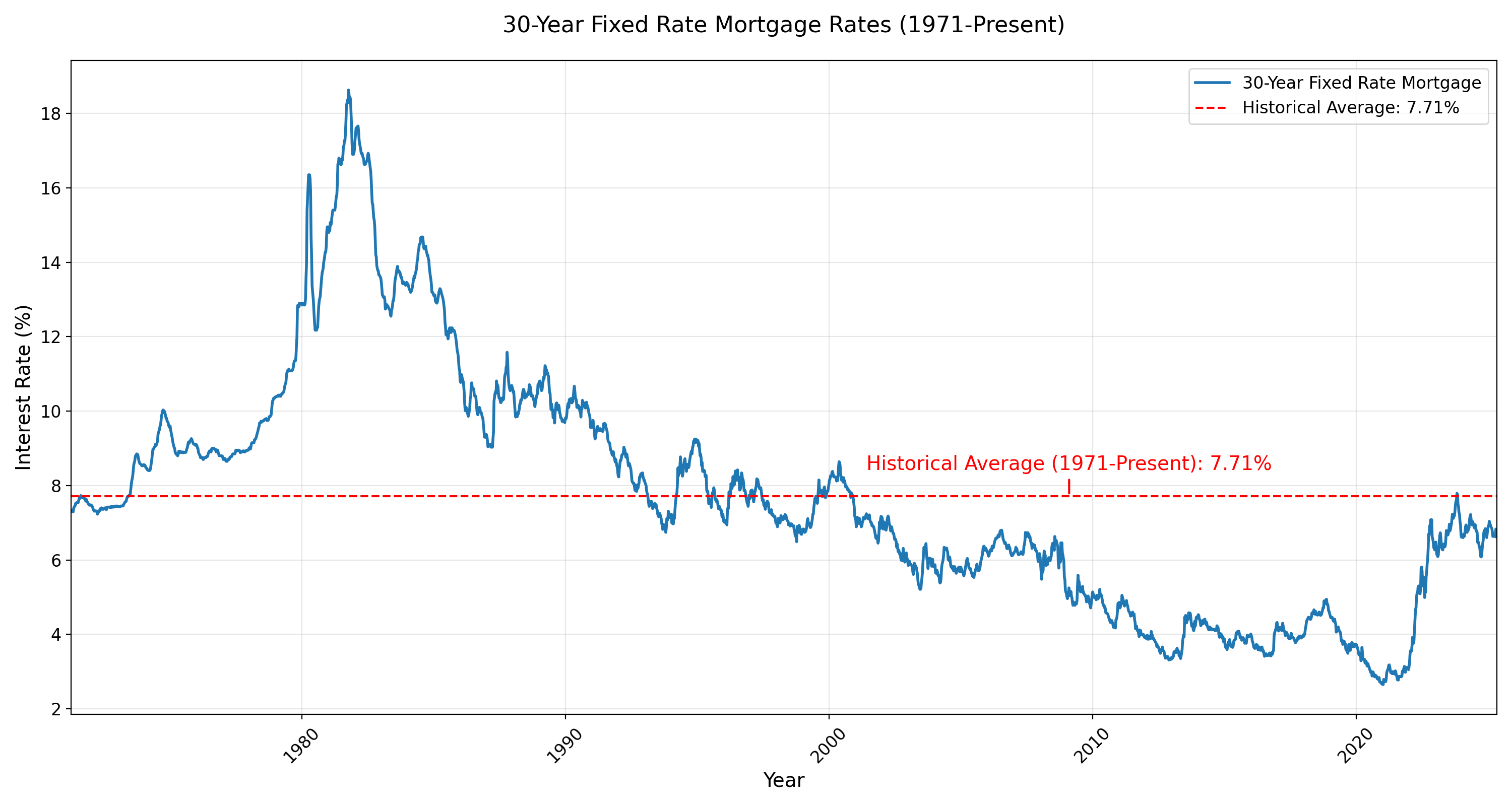
Mortgage rates are most closely tied to the yield on the 10-year U.S. Treasury note. Investors view mortgages as long-term debt products, similar to government bonds. When the yield on the 10-year Treasury rises, mortgage rates typically follow suit to remain competitive for investors. This relationship exists because mortgage-backed securities (MBS)—bundles of home loans sold to investors—must offer a higher return than “risk-free” government bonds to justify the additional risk of prepayment or default.
Inflation and Federal Reserve Policy
Inflation is the “arch-nemesis” of fixed-income investments. Because a mortgage pays a fixed amount of interest over decades, high inflation erodes the purchasing power of those future payments. Consequently, when inflation rises, lenders demand higher mortgage rates to compensate for the loss of value.
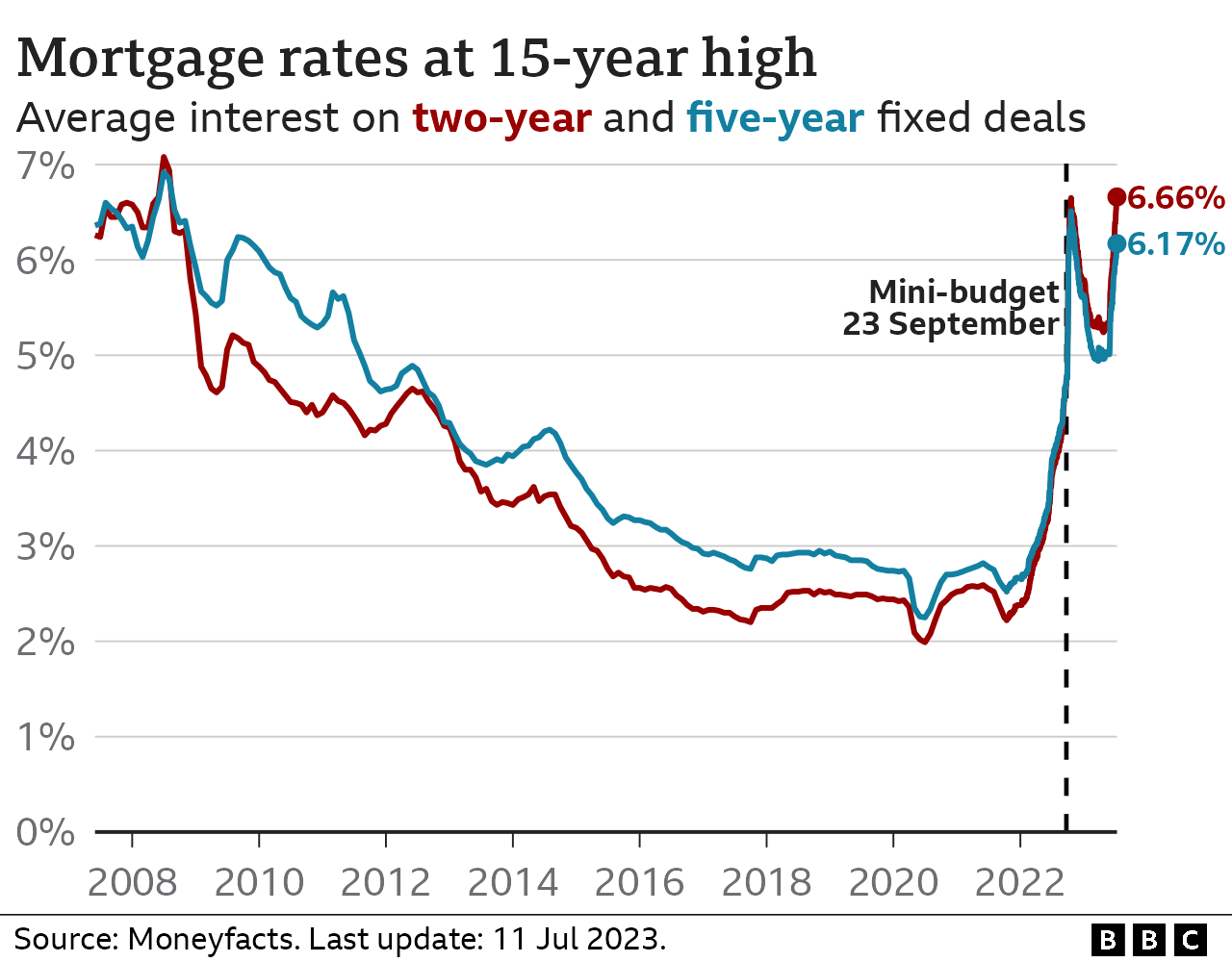
The Federal Reserve influences this through its management of the federal funds rate. When the Fed raises rates to combat inflation, it increases the cost of borrowing across the entire economy. This ripple effect eventually reaches the mortgage market, driving up the cost for consumers to finance a home.
Personal Financial Factors: The Borrower’s Influence
While the global economy sets the “floor” for mortgage rates, the specific rate a borrower receives is highly personalized. Lenders use a process called “risk-based pricing” to determine how much interest to charge an individual based on the perceived likelihood that they will repay the loan.
Credit Scores and Debt-to-Income Ratios
The most significant factor an individual can control is their credit score. A high score (typically 760 or above) signals to the lender that the borrower is low-risk, qualifying them for the lowest available market rates. Even a 50-point difference in a credit score can result in a 0.5% to 1% difference in the mortgage rate, which translates to tens of thousands of dollars over the life of a 30-year loan. Similarly, a low debt-to-income (DTI) ratio suggests that the borrower has sufficient cash flow to manage their mortgage payments alongside other obligations.
Loan-to-Value (LTV) and Down Payments
The amount of “skin in the game” a borrower has also impacts the rate. The Loan-to-Value ratio measures the loan amount against the appraised value of the home. A borrower who puts down 20% (an LTV of 80%) is considered less risky than a borrower who puts down 3.5%. Higher down payments often unlock lower interest rates because the lender’s potential loss is mitigated by the equity already present in the property.
The Long-Term Financial Impact of Interest Rates
In the realm of personal finance and investing, the mortgage rate is the primary lever of affordability. Small fluctuations in rates have a disproportionate impact on a household’s monthly budget and total interest paid over time.
The Power of Amortization
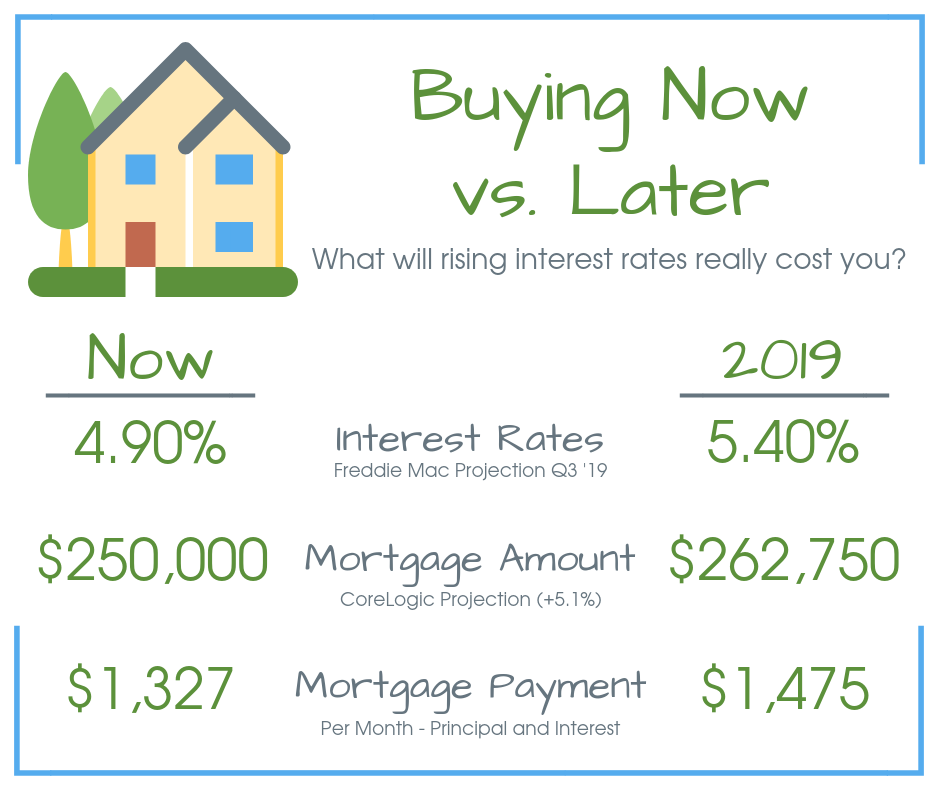
Mortgages are amortized loans, meaning the payment is structured so that the borrower pays more interest at the beginning of the term and more principal toward the end. Because interest is calculated based on the remaining balance, a higher mortgage rate causes the “interest heavy” portion of the loan to last much longer. For example, on a $400,000 loan, the difference between a 4% rate and a 7% rate is not just a 3% increase; it is a nearly $800 difference in the monthly payment and over $300,000 in additional interest over 30 years.
Strategic Refinancing and Wealth Building
For savvy investors and homeowners, the mortgage rate is a tool to be managed, not just a static obligation. When market rates drop significantly below a borrower’s current rate, “rate-and-term” refinancing allows the borrower to replace their old loan with a new one at the lower rate. This can reduce monthly expenses or shorten the loan term, accelerating the path to debt-free homeownership. Alternatively, “cash-out” refinancing allows homeowners to tap into their home’s equity at a rate that is often much lower than credit cards or personal loans, providing capital for further investments or business ventures.
Navigating the Market: Strategies for Modern Borrowers
In a volatile economic climate, securing a favorable mortgage rate requires more than just good credit. It requires a strategic approach to the lending landscape and an understanding of the tools available to lower borrowing costs.
Comparison Shopping and Discount Points
Many borrowers make the mistake of accepting the first quote they receive from their primary bank. However, mortgage rates can vary significantly between retail banks, credit unions, and independent mortgage brokers. Furthermore, borrowers can “buy down” their interest rate through discount points. One point typically costs 1% of the loan amount and reduces the interest rate by approximately 0.25%. For those planning to stay in their home for a long time, paying points upfront can result in significant long-term savings.
Rate Locks and Timing the Market
Because mortgage rates can change multiple times in a single day, “locking” a rate is a critical step in the home-buying process. A rate lock guarantees the lender’s quoted interest rate for a specific period (usually 30 to 60 days) while the loan is being processed. This protects the borrower from sudden market spikes. While “timing the market” is notoriously difficult, staying informed about economic reports—such as the Consumer Price Index (CPI) or monthly jobs reports—can help borrowers decide when to lock in their rate to maximize their financial advantage.
Conclusion
The mortgage rate is far more than a simple percentage; it is the pulse of the real estate market and a primary determinant of an individual’s financial trajectory. By understanding the interplay between macroeconomic forces like inflation and personal factors like credit health, borrowers can demystify the lending process. Whether you are a first-time homebuyer or a seasoned real estate investor, mastering the mechanics of the mortgage rate is a fundamental pillar of sound financial management. In the long run, the ability to secure, manage, and optimize this rate can be the difference between mere homeownership and true financial independence.
aViewFromTheCave is a participant in the Amazon Services LLC Associates Program, an affiliate advertising program designed to provide a means for sites to earn advertising fees by advertising and linking to Amazon.com. Amazon, the Amazon logo, AmazonSupply, and the AmazonSupply logo are trademarks of Amazon.com, Inc. or its affiliates. As an Amazon Associate we earn affiliate commissions from qualifying purchases.