
Understanding today’s mortgage interest rates is crucial for anyone looking to buy a home, refinance an existing loan, or simply assess their financial standing. Unlike a fixed price tag, mortgage rates are dynamic, fluctuating daily and influenced by a complex interplay of global economic forces, domestic financial policies, and individual borrower characteristics. Pinpointing a single “today’s rate” is misleading, as rates vary significantly based on numerous factors. Instead, it’s more productive to understand the landscape and the mechanisms that shape these critical financial benchmarks.
Understanding Today’s Mortgage Rate Landscape
The mortgage market is a complex ecosystem where rates are continuously adjusting. While financial news outlets often quote an average 30-year fixed-rate mortgage rate, this figure represents a broad average and may not reflect the specific rate available to any individual borrower. Today’s rates are generally higher than the historic lows seen during the pandemic, a reflection of tighter monetary policy and inflationary pressures. However, even within this higher-rate environment, there is constant volatility, with rates potentially shifting several basis points within a single day.
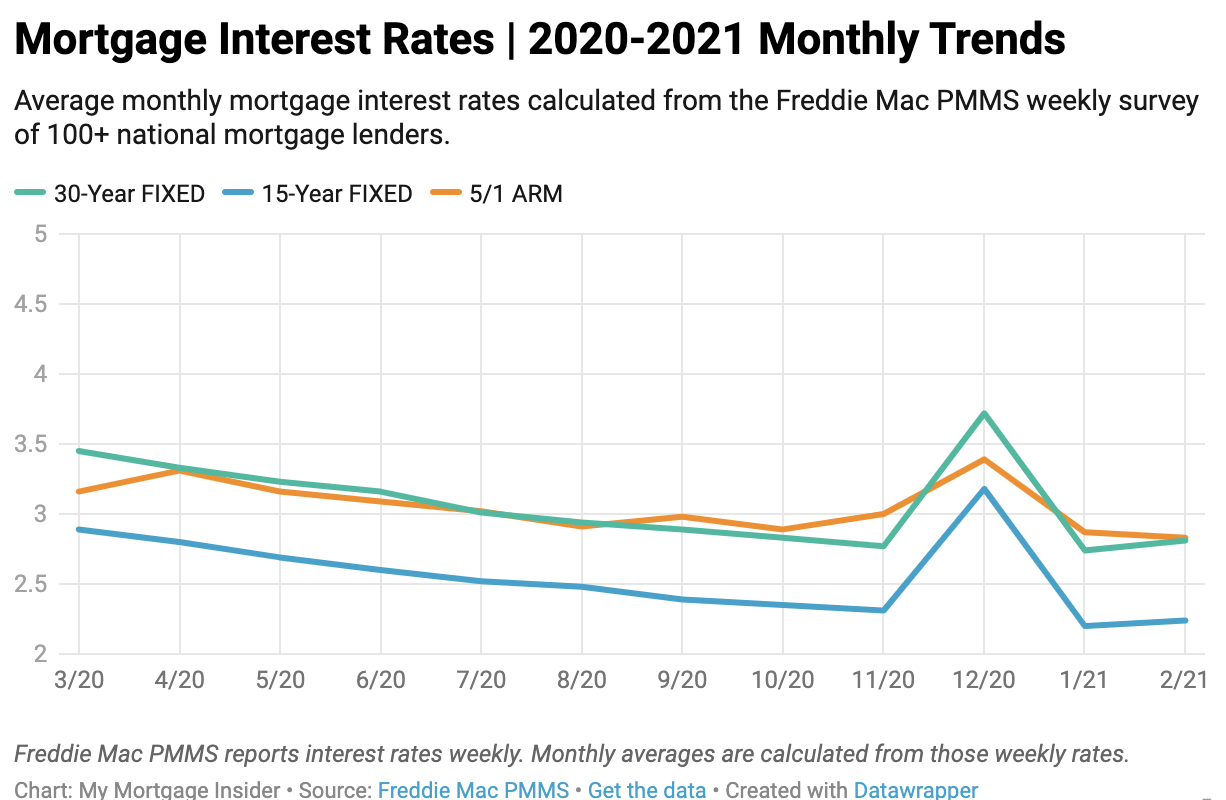
The perceived “today’s rate” for a prospective borrower is a personalized figure, a snapshot of market conditions combined with their unique financial profile. It’s essential to look beyond the headlines and delve into the underlying components that determine what you, as a borrower, will actually pay.
Key Factors Influencing Mortgage Rates
Mortgage rates are a product of macroeconomic forces and the specific lender’s assessment of risk and market positioning. These factors include:
- Federal Reserve Policy: While the Federal Reserve directly controls the federal funds rate – an overnight rate for banks – its actions significantly influence longer-term rates like mortgages. When the Fed raises its benchmark rate to combat inflation, it typically signals an environment of higher borrowing costs across the economy, pushing mortgage rates upward. Conversely, easing monetary policy can lead to lower rates.
- Inflation Expectations: Lenders price in the anticipated erosion of money’s purchasing power over time. If inflation is expected to rise, lenders demand a higher interest rate to ensure their return on investment isn’t devalued by future price increases. Consequently, strong inflation data or forecasts tend to push mortgage rates higher.
- Economic Data: Key economic indicators provide insights into the health of the economy. Robust job growth, strong Gross Domestic Product (GDP) figures, and optimistic consumer sentiment can signal a stronger economy, which might lead the Fed to continue tightening or maintain higher rates, or suggest that inflation might persist, thereby increasing mortgage rates. Conversely, signs of economic slowdown or recession can sometimes lead to lower rates as investors seek safer assets like bonds, which in turn influences mortgage rates.
- Bond Market Activity: Mortgage rates are closely tied to the yield on the 10-year Treasury bond. Mortgage-backed securities (MBS), which are packaged loans bought and sold by investors, compete with Treasury bonds for investment capital. When Treasury yields rise, MBS yields must also rise to remain competitive, pushing mortgage rates higher. Therefore, monitoring the bond market offers a strong indicator of the general direction of mortgage rates.
- Geopolitical Events: Global instability, conflicts, or significant international policy shifts can drive investors towards safe-haven assets, including U.S. Treasury bonds. This increased demand can lower bond yields, potentially translating to lower mortgage rates. Conversely, events that inject uncertainty into global markets can lead to volatility.
- Lender Competition and Profit Margins: Individual lenders set their rates based on their cost of funds, operational expenses, desired profit margins, and competitive landscape. A lender looking to increase market share might offer slightly lower rates than a competitor, creating a narrow window of opportunity for savvy borrowers.
How Mortgage Rates Impact Your Finances
The interest rate on your mortgage is arguably the single most critical factor determining the total cost of your homeownership and your monthly financial obligations. Even small fluctuations can have substantial long-term financial implications.
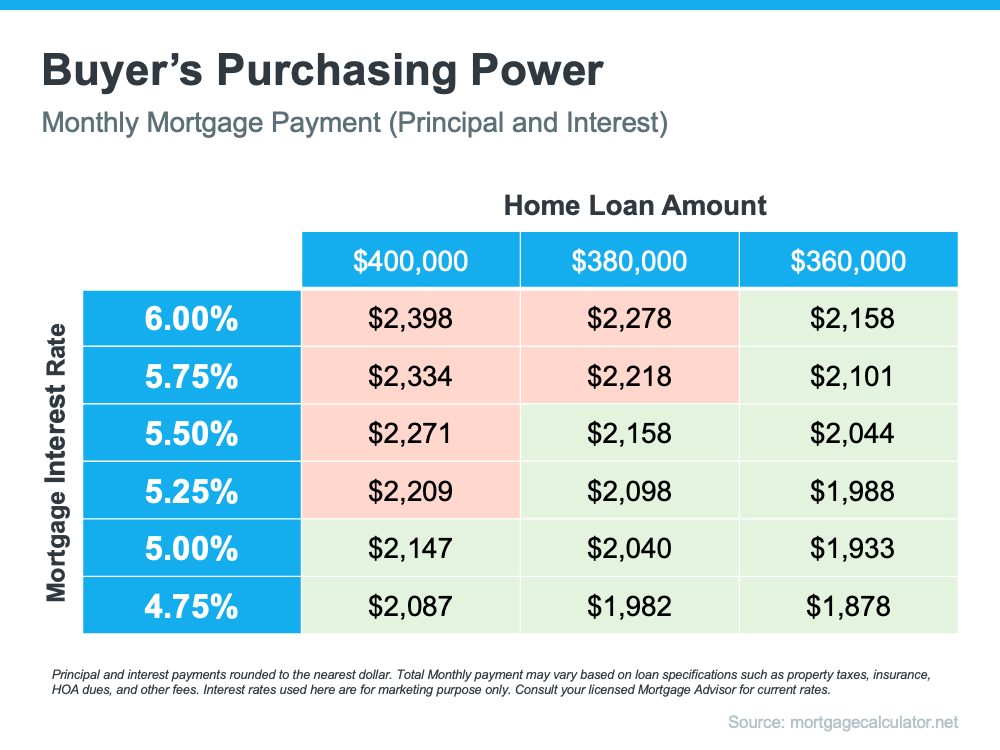
- Affordability: A higher interest rate directly translates to a higher monthly payment for the same loan amount. This reduces your effective purchasing power, meaning you might have to settle for a smaller or less expensive home, or extend your budget, which could strain your overall finances. For example, a difference of just one percentage point on a $300,000, 30-year fixed loan can increase your monthly payment by hundreds of dollars and add tens of thousands to the total cost over the life of the loan.
- Buying Power: To maintain a consistent monthly payment, a higher interest rate forces you to borrow a smaller principal amount. This directly impacts how much home you can afford. Understanding this relationship is crucial for setting realistic expectations in a rising rate environment.
- Refinancing Decisions: For current homeowners, changes in mortgage rates are central to refinancing decisions. If rates drop significantly below your current loan’s rate, refinancing could lead to lower monthly payments, a shorter loan term, or the ability to tap into home equity at a more favorable cost. Conversely, in a rising rate environment, refinancing to a lower rate becomes less likely, and other financial strategies may need to be considered.
- Investment Opportunities: The prevailing mortgage rate also impacts the opportunity cost of how you deploy your capital. If mortgage rates are very low, paying off your mortgage early might be less attractive than investing that extra capital in assets with potentially higher returns. When mortgage rates are high, however, paying down the principal might offer a guaranteed “return” equivalent to your mortgage interest rate, which could be more appealing than other investment options, depending on your risk tolerance and financial goals.

Deconstructing Your Personalized Mortgage Rate
Beyond the macroeconomic forces, your individual financial profile plays a substantial role in determining the actual rate you are offered. Lenders assess risk, and a stronger borrower profile typically qualifies for more favorable terms.
- Credit Score: Your credit score is a numerical representation of your creditworthiness. Borrowers with excellent credit scores (generally 740 and above) are considered lower risk and typically qualify for the lowest available interest rates. A lower credit score can lead to a significantly higher rate, impacting affordability.
- Down Payment: The size of your down payment directly affects your loan-to-value (LTV) ratio. A larger down payment (e.g., 20% or more) means you’re borrowing less relative to the home’s value, reducing the lender’s risk and often leading to a better interest rate. It also often helps avoid private mortgage insurance (PMI).
- Loan-to-Value (LTV) Ratio: This is the ratio of your loan amount compared to the home’s appraised value. A lower LTV signifies less risk for the lender, which can translate into a more attractive interest rate.
- Loan Type: The type of mortgage you choose significantly impacts your rate:
- Fixed-Rate Mortgages (FRM): The interest rate remains constant for the entire loan term (e.g., 15-year or 30-year). This provides payment predictability and stability. Rates are generally higher than initial ARM rates but offer long-term security.
- Adjustable-Rate Mortgages (ARM): These loans feature an initial fixed-rate period (e.g., 3/1, 5/1, 7/1, 10/1) followed by an adjustable rate that fluctuates based on a market index. ARMs typically offer lower initial rates but introduce payment uncertainty after the fixed period.
- Government-Backed Loans (FHA, VA, USDA): These loans are insured or guaranteed by federal agencies, making them more accessible to borrowers with lower credit scores, smaller down payments, or specific eligibility (e.g., veterans). Their rates can be competitive, and the terms differ from conventional loans.
- Loan Term: Shorter loan terms, such as a 15-year fixed mortgage, usually come with a slightly lower interest rate than longer terms like a 30-year fixed mortgage. While the monthly payments are higher for a 15-year loan, you pay significantly less interest over the life of the loan.
- Points vs. No-Points: “Buying down” your interest rate by paying discount points at closing is an option. One point typically equals 1% of the loan amount and reduces your interest rate. Deciding whether to pay points depends on how long you plan to stay in the home and your financial capacity.
- Closing Costs: Beyond the interest rate, various closing costs (origination fees, appraisal fees, title insurance, etc.) contribute to the overall cost of borrowing. A lower interest rate might sometimes come with higher upfront fees, so it’s essential to compare the Annual Percentage Rate (APR), which reflects the total cost of the loan including some fees, for a true comparison.
Strategies for Securing the Best Mortgage Rate
Given the personalized nature of mortgage rates, proactive steps can significantly influence the rate you ultimately receive.
- Credit Score Optimization: Begin by pulling your credit reports from all three major bureaus (Experian, Equifax, TransUnion) to check for errors and understand your current score. Pay down high-interest debt, avoid opening new lines of credit, and ensure all payments are made on time. A higher credit score is your most powerful tool for securing a lower rate.
- Saving for a Larger Down Payment: Aim for at least 20% if possible to avoid PMI and potentially qualify for better rates. Even an extra few percentage points can make a difference in your LTV and the lender’s risk assessment.
- Shopping Around Extensively: Do not accept the first offer you receive. Contact multiple lenders—including large national banks, local credit unions, and independent mortgage brokers—to compare loan estimates. Each lender has different pricing models, and comparison shopping can save you thousands over the life of the loan.
- Rate Lock Strategies: Once you’ve chosen a lender and are moving forward with your application, discuss rate lock options. A rate lock guarantees your interest rate for a specific period (e.g., 30, 45, or 60 days) while your loan processes. This protects you if rates rise during this period. Understand any associated fees or conditions for locking a rate.
- Understanding Loan Estimates: When you apply for a mortgage, lenders are required to provide a Loan Estimate form. This standardized document allows for easy comparison of interest rates, fees, and other loan terms across different lenders. Pay close attention to the APR, which gives a more comprehensive picture of the loan’s cost.
- Considering a Mortgage Broker: Mortgage brokers act as intermediaries, working with multiple lenders to find you the best rates and terms that fit your specific situation. They can often access wholesale rates that might not be available directly to consumers and can streamline the comparison process.
Navigating the Future: Rate Predictions and Long-Term Planning
Predicting the precise movement of mortgage interest rates is notoriously difficult, even for seasoned economists. Market conditions are in constant flux, influenced by global events, domestic policy shifts, and countless other variables. While financial analysts often offer forecasts based on current trends and economic indicators, these are best viewed as informed guesses rather than guarantees. The general consensus often points towards potential stabilization or minor fluctuations in the near term, but significant shifts remain a possibility.
For borrowers, the focus should less be on perfectly timing the market and more on robust long-term financial planning. This involves:
- Focusing on Overall Financial Health: Prioritize building a strong credit profile, maintaining a healthy debt-to-income ratio, and accumulating a substantial emergency fund. These fundamentals will position you to secure the best possible rate whenever you decide to enter the market, regardless of the prevailing conditions.
- Regular Review of Your Situation: Periodically assess your current mortgage against prevailing market rates. If you have an adjustable-rate mortgage, understand when your rate is scheduled to adjust and monitor market trends leading up to that point.
- Considering Your Personal Goals: Whether your goal is to pay off your mortgage early, invest more aggressively, or secure long-term payment stability, align your mortgage strategy with your broader financial objectives. Sometimes, a slightly higher rate might be acceptable for the predictability of a fixed loan, or an ARM might make sense if you plan to move within a few years.
Ultimately, “what are the mortgage interest rates today” is a question with a multi-faceted answer that requires diligence, comparison, and a solid understanding of both macroeconomics and your personal financial standing. By equipping yourself with this knowledge and employing smart strategies, you can navigate the mortgage market effectively and secure a financial arrangement that supports your homeownership dreams.
aViewFromTheCave is a participant in the Amazon Services LLC Associates Program, an affiliate advertising program designed to provide a means for sites to earn advertising fees by advertising and linking to Amazon.com. Amazon, the Amazon logo, AmazonSupply, and the AmazonSupply logo are trademarks of Amazon.com, Inc. or its affiliates. As an Amazon Associate we earn affiliate commissions from qualifying purchases.