
Navigating the housing market requires a keen eye on the fluctuating landscape of interest rates. For potential homeowners, current owners looking to refinance, and real estate investors, the question “what is the mortgage interest rate today?” is more than a simple inquiry—it is the pivot point upon which massive financial decisions turn. In the current economic climate, mortgage rates have become a central topic of conversation, influenced by global shifts, central bank policies, and the lingering effects of inflationary pressures.
Understanding today’s rates involves looking beyond a single percentage. It requires an analysis of why rates move, how they are calculated for the individual, and what strategies can be employed to secure a favorable deal in a high-interest environment. This guide explores the multifaceted world of mortgage finance to provide a clear picture of the current state of the market.
Understanding the Current Mortgage Rate Landscape
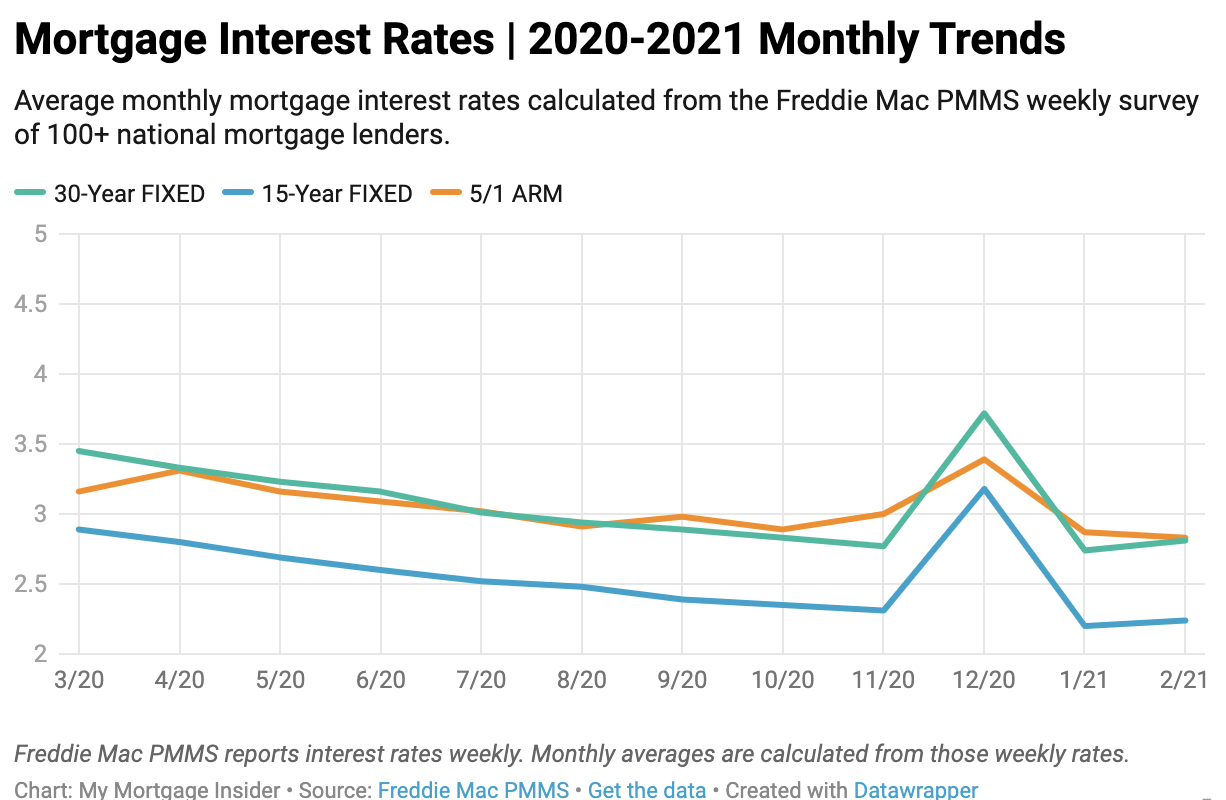
The mortgage market does not operate in a vacuum. Instead, it is a reflection of the broader health of the national and global economy. When you see a daily update on mortgage rates, you are seeing the result of complex interactions between government policy and investor sentiment.
The Influence of the Federal Reserve
While the Federal Reserve does not directly set mortgage interest rates, its actions regarding the federal funds rate have a profound “ripple effect.” When the Fed raises rates to combat inflation, the cost of borrowing increases across the board. Banks and lenders respond by raising the rates on products like 30-year fixed mortgages to maintain their profit margins and account for the increased cost of capital. Conversely, when the Fed signals a “dovish” or cooling stance, the market often anticipates lower rates, leading to a dip in mortgage pricing.
Inflation and the 10-Year Treasury Yield
A crucial indicator for mortgage rates is the yield on the 10-year Treasury note. Investors often view mortgages as long-term debt securities similar to government bonds. When inflation is high, the purchasing power of future interest payments is eroded, leading investors to demand higher yields. Consequently, when Treasury yields rise, mortgage rates almost always follow. Monitoring the “spread”—the difference between the 10-year Treasury yield and the average 30-year mortgage rate—is essential for understanding whether the market is experiencing unusual volatility.
Global Economic Stability
In times of international geopolitical tension or economic instability abroad, investors often flock to the safety of U.S. Treasury bonds. This “flight to quality” increases demand for bonds, which can drive down yields and, by extension, provide temporary downward pressure on mortgage rates. In today’s interconnected world, an event in a foreign market can influence what a borrower pays for a home in a local suburb.
Factors That Determine Your Personal Interest Rate
The “headline rate” you see in the news is often an average for prime borrowers. However, the specific rate offered to an individual is highly personalized. Lenders use a process called “risk-based pricing” to determine how much interest they need to charge to offset the risk of a borrower defaulting.
Credit Score and Financial History
Your credit score is perhaps the most significant lever in determining your interest rate. Lenders generally offer the most competitive rates to those with scores above 740. Even a 20-point difference in a credit score can result in a 0.25% to 0.50% difference in the interest rate. Over a 30-year loan, this seemingly small gap can translate into tens of thousands of dollars in extra interest payments. Maintaining a low debt-to-income (DTI) ratio and a clean payment history is vital for securing the “today’s rate” advertised in the media.
Loan-to-Value Ratio and Down Payments
The amount of equity you have in a property—or the size of your down payment—directly impacts your rate. A higher down payment reduces the lender’s risk. If a borrower provides a 20% down payment, they achieve an 80% Loan-to-Value (LTV) ratio, which is often the threshold for the best available rates and the avoidance of Private Mortgage Insurance (PMI). Those with lower down payments may face “pricing adjustments” that increase their interest rate to compensate for the higher risk of loss in the event of a foreclosure.
Property Type and Occupancy
Lenders also look at how the property will be used. Primary residences typically receive the lowest rates because borrowers are statistically less likely to default on the home they live in. In contrast, investment properties and second homes carry higher interest rates—often 0.50% to 1.00% higher—because these are viewed as more discretionary assets during financial hardship.
Types of Mortgages and Their Rate Structures
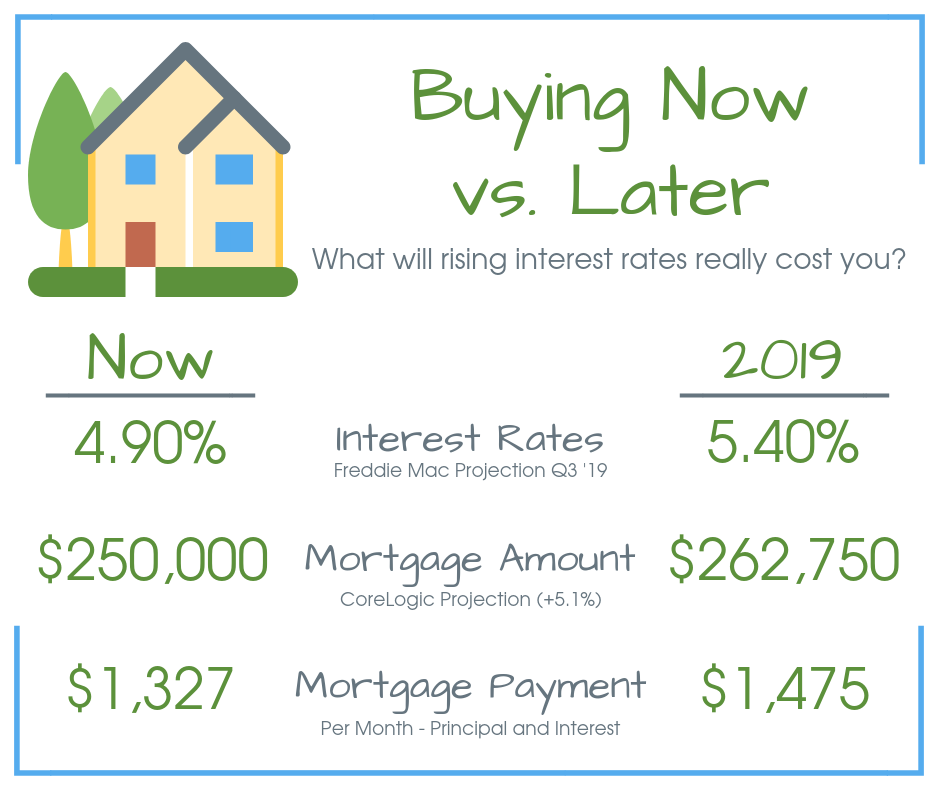
When asking what the rate is today, one must specify the type of loan product. Different financial vehicles carry different levels of risk and reward for both the lender and the borrower.
Fixed-Rate vs. Adjustable-Rate Mortgages (ARMs)
The 30-year fixed-rate mortgage remains the gold standard for American homeowners, offering stability and predictable monthly payments. However, in high-rate environments, many borrowers turn to Adjustable-Rate Mortgages (ARMs). An ARM typically offers a lower “introductory” rate for a set period (such as 5, 7, or 10 years). After that, the rate adjusts periodically based on market indices. While ARMs can offer initial savings, they carry the risk of significantly higher payments in the future if market rates rise.
Government-Backed Loans: FHA, VA, and USDA
For those who may not qualify for conventional financing, government-backed loans offer an alternative. FHA loans, insured by the Federal Housing Administration, often have lower interest rates than conventional loans for borrowers with lower credit scores. VA loans, available to veterans and active-duty service members, frequently offer the most competitive rates in the market with the added benefit of no down payment. USDA loans provide similar benefits for rural properties. It is important to note that while the base rates may be lower, these loans often come with specific insurance premiums that affect the total Annual Percentage Rate (APR).
Jumbo Loans for High-Value Properties
In high-cost real estate markets, borrowers may need a “Jumbo” loan—a mortgage that exceeds the conforming loan limits set by the Federal Housing Finance Agency (FHFA). Interestingly, Jumbo loan rates do not always track with conventional rates. Because Jumbo loans are held by lenders on their own books or sold to private investors rather than backed by Fannie Mae or Freddie Mac, their rates are subject to different liquidity and competitive pressures.
Strategies to Secure the Lowest Possible Rate Today
Even when market rates are high, savvy borrowers can take proactive steps to minimize their borrowing costs. Finance is not a static field; it is a negotiation and a comparison.
Shopping Around and Comparing Lenders
One of the most common mistakes borrowers make is accepting the first quote they receive. Rates can vary significantly between big banks, credit unions, and independent mortgage brokers. By obtaining at least three “Loan Estimates,” a borrower can leverage competing offers. It is also essential to look at the APR, which includes the interest rate plus fees and points, providing a more accurate “apples-to-apples” comparison of the total cost of the loan.
The Pros and Cons of Paying Points
Discount points allow borrowers to “buy down” their interest rate by paying an upfront fee at closing. One point typically costs 1% of the total loan amount and reduces the interest rate by approximately 0.25%. This strategy is highly effective for those who plan to stay in their home for a long time, as the monthly savings will eventually exceed the initial cost (the “break-even point”). However, for those who plan to move or refinance within a few years, paying points may result in a net financial loss.
Locking Your Rate
Because mortgage rates can change multiple times in a single day, “locking” a rate is a critical step in the home-buying process. Once you have a signed purchase agreement, most lenders allow you to lock in a rate for 30, 45, or 60 days. This protects you from market volatility while your loan is being processed. Some lenders even offer a “float-down” option, which allows you to take advantage of a lower rate if the market improves before your closing date.
Long-term Financial Planning in a High-Rate Environment
The mortgage rate you secure today is not necessarily the rate you will have for the life of the loan. In personal finance, agility is a virtue.
The Strategic Refinance
The mantra “marry the house, date the rate” has gained popularity in recent years. This philosophy suggests that if you find the right home, you should purchase it even if rates are high, with the intention of refinancing when rates eventually drop. While this strategy carries the risk that rates may stay high for longer than expected, it allows buyers to enter the market and begin building equity rather than waiting on the sidelines for a “perfect” rate that may never return.
Impact on Home Equity and Net Worth
Despite higher interest rates, homeownership remains a primary driver of wealth for most families. As you pay down the principal of your mortgage and the property appreciates, you build equity. In a high-rate environment, the pace of appreciation might slow, but the forced savings mechanism of a monthly mortgage payment remains a powerful tool for long-term financial stability. Understanding the amortization schedule is key; in the early years of a mortgage, most of your payment goes toward interest. Strategic extra payments toward the principal can significantly reduce the total interest paid over time, effectively lowering your “internal” interest rate.
Conclusion: Navigating Tomorrow’s Market
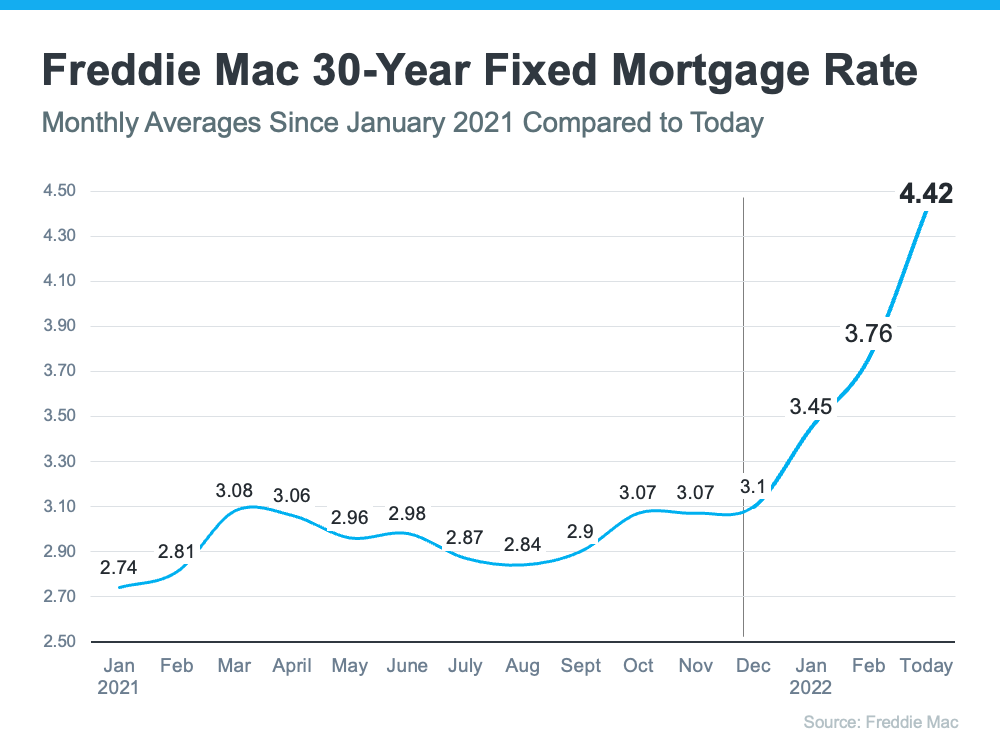
“What is the mortgage interest rate today?” is a question that serves as a snapshot of the current economic pulse. While the numbers on the screen may seem daunting compared to the historic lows of the past decade, they must be viewed through the lens of long-term financial strategy. By understanding the macroeconomic drivers, optimizing personal credit, choosing the right loan product, and shopping aggressively, borrowers can navigate the complexities of today’s market. In the world of money and finance, knowledge is the most effective hedge against volatility. Staying informed ensures that when the right opportunity arises, you are prepared to make a move that aligns with your broader financial goals.
aViewFromTheCave is a participant in the Amazon Services LLC Associates Program, an affiliate advertising program designed to provide a means for sites to earn advertising fees by advertising and linking to Amazon.com. Amazon, the Amazon logo, AmazonSupply, and the AmazonSupply logo are trademarks of Amazon.com, Inc. or its affiliates. As an Amazon Associate we earn affiliate commissions from qualifying purchases.