
Navigating the housing market requires a keen understanding of many variables, but perhaps none is as pivotal as the mortgage interest rate. For potential homebuyers, the rate dictates the affordability of their dream home and the size of their monthly payments. For existing homeowners, it influences decisions around refinancing, renovation, or even selling. Unlike fixed prices on consumer goods, mortgage interest rates are dynamic, fluctuating daily, even hourly, in response to a complex interplay of economic forces. Understanding these forces, knowing where to find current rates, and strategizing to secure the best possible terms are crucial steps for anyone engaging with the real estate market. This article delves into the current mortgage landscape, dissects the factors that drive interest rates, explores different mortgage types, and offers actionable strategies to empower your financial decisions.
Understanding the Current Mortgage Landscape
The question, “what is the mortgage interest rate right now?” is deceptively simple. The answer is never a single, static number but rather a range influenced by market conditions, economic indicators, and individual borrower profiles. Mortgage rates are a living barometer of the economy, constantly adjusting to perceived risks and opportunities.
The Dynamic Nature of Interest Rates
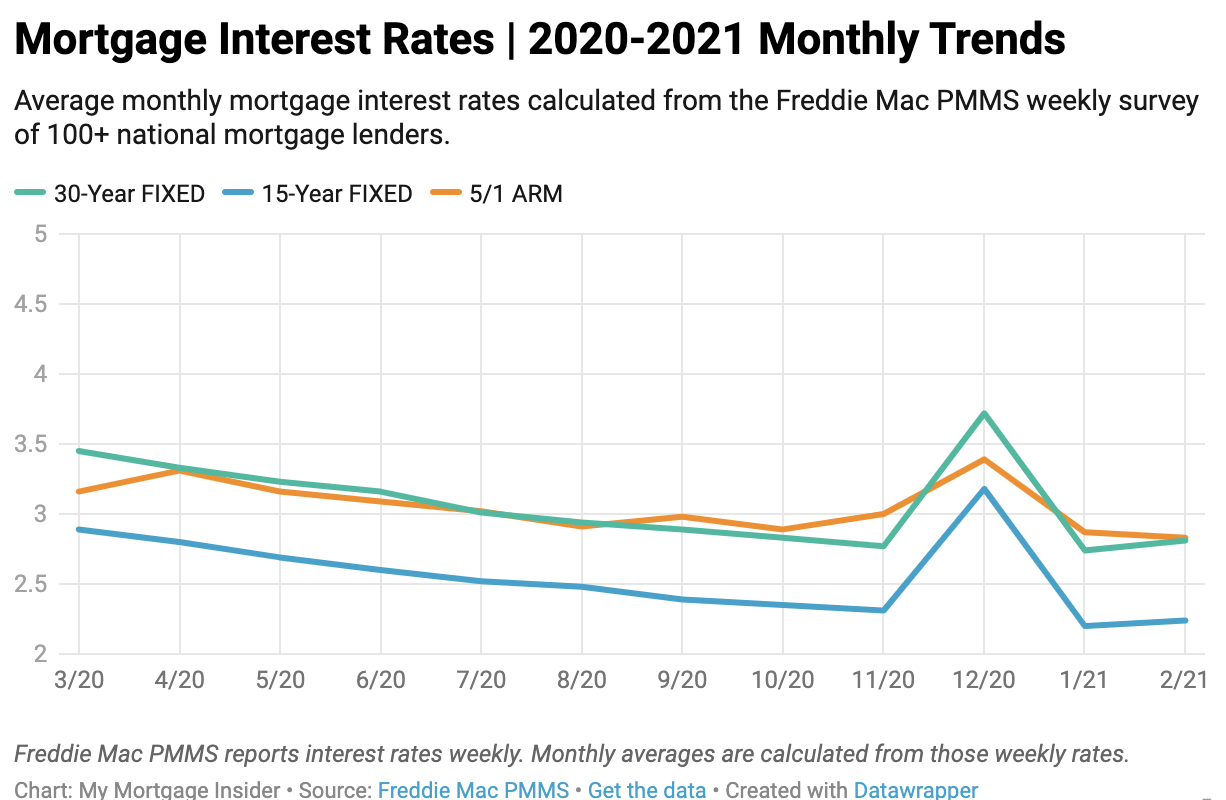
Mortgage rates are in a perpetual state of flux, reflecting the broader economic climate. They can swing based on inflation reports, employment figures, geopolitical events, and even the sentiment of financial markets. In periods of economic uncertainty, investors often flock to safer assets like bonds, which can push bond yields down and, consequently, mortgage rates lower. Conversely, strong economic growth and rising inflation can lead to expectations of higher interest rates from central banks, causing mortgage rates to tick upwards.
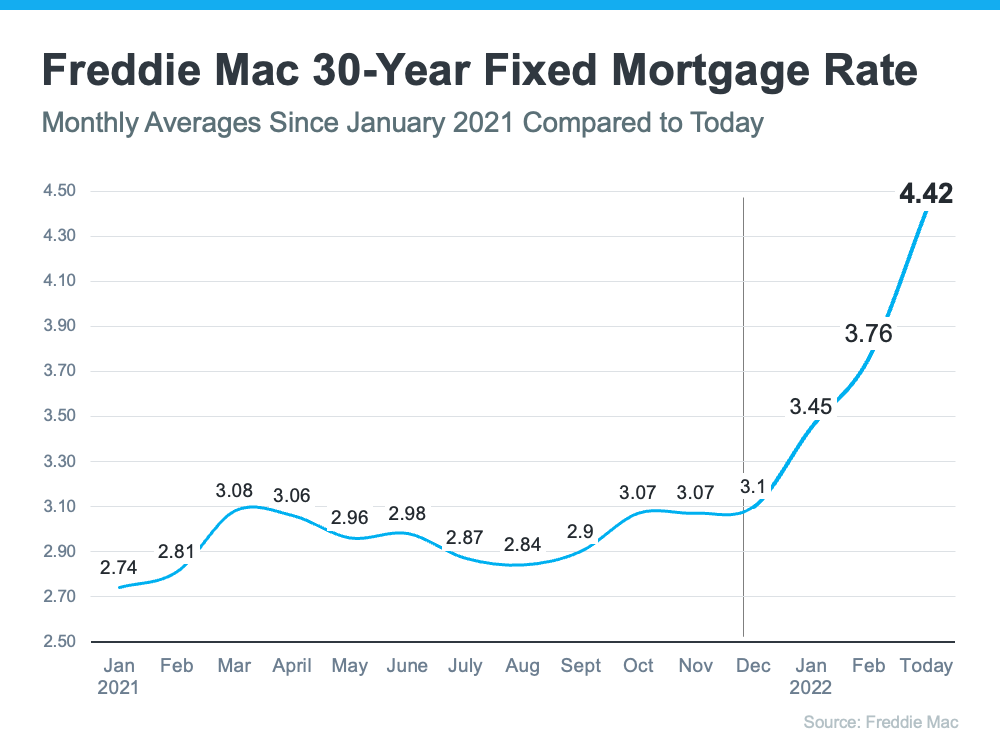
Recently, we’ve witnessed significant volatility in the mortgage market. Following years of historically low rates, a period of rapid increases challenged affordability for many. More recently, rates have shown periods of stabilization and even slight declines, offering some reprieve, but the underlying trend remains sensitive to ongoing economic data. Borrowers must understand that the rate quoted today might be different tomorrow, making timely decision-making and rate locking critical components of the mortgage process.
Where to Find Real-Time Rates
Given their dynamic nature, knowing where to access accurate, real-time mortgage rates is essential. While a quick online search can provide general averages, specific rates vary widely between lenders and depend heavily on individual circumstances.
- Financial News Outlets and Websites: Reputable financial news sources (e.g., Bloomberg, Wall Street Journal, Reuters, CNBC) and dedicated financial websites (e.g., Bankrate, NerdWallet, LendingTree) regularly publish national average mortgage rates. These sites often aggregate data from numerous lenders and provide daily updates for various loan types (e.g., 30-year fixed, 15-year fixed, 5/1 ARM). While useful for general trends, these are typically averages and not necessarily the rate you would qualify for.
- Lender Websites: Directly visiting the websites of major banks, credit unions, and online mortgage lenders will provide their specific rates for different loan products. Many offer online tools where you can input basic information (location, loan amount, credit score range) to get a more personalized rate quote.
- Mortgage Brokers: A mortgage broker works with multiple lenders and can provide a comparison of rates available to you based on your financial profile. They often have access to wholesale rates that might not be available directly to consumers. This can be an efficient way to shop around without contacting each lender individually.
- Direct Lender Consultation: For the most accurate and personalized rate, a direct consultation with a loan officer is indispensable. They will perform a credit check and gather detailed financial information to provide a precise rate quote, along with an Annual Percentage Rate (APR) which includes fees and other costs.
Key Factors Influencing Mortgage Rates
Understanding the current rate is one thing; comprehending why it is at that level and what might cause it to shift is another. Mortgage rates are not set in a vacuum but are the result of a complex interplay of macroeconomic forces and individual borrower characteristics.
Federal Reserve Policy and Benchmark Rates
While the Federal Reserve (the Fed) does not directly set mortgage rates, its monetary policy decisions have a profound indirect impact. The Fed sets the federal funds rate, which is the target rate for overnight lending between banks. Changes to this benchmark rate influence other short-term interest rates throughout the economy. When the Fed raises the federal funds rate, it generally signals a tightening of monetary policy, which can lead to higher borrowing costs across the board, including those for mortgages. Conversely, a cut in the federal funds rate indicates an easing of policy, potentially leading to lower rates. While the federal funds rate directly impacts short-term borrowing, it indirectly influences long-term rates like fixed-rate mortgages by signaling the Fed’s outlook on inflation and economic growth.
Economic Indicators
A host of economic data points are closely watched by bond investors and lenders, as they offer clues about the health and direction of the economy, which in turn affects interest rates.
- Inflation: Perhaps the most significant driver. If inflation is rising, lenders demand higher interest rates to compensate for the reduced purchasing power of future repayment dollars. The Consumer Price Index (CPI) and Producer Price Index (PPI) are key inflation gauges.
- Employment Data: Strong job growth and low unemployment often signal a robust economy, which can lead to inflationary pressures and higher rates. Key reports include the monthly Non-Farm Payrolls and the unemployment rate.
- Gross Domestic Product (GDP): A measure of economic output. Strong GDP growth can lead to higher rates, while a slowdown might suggest rates will hold steady or fall.
- Consumer Confidence: High consumer confidence can translate into increased spending and economic activity, potentially pushing rates up.
Bond Market Performance (Treasury Yields)
The performance of the bond market, particularly the yield on the 10-year U.S. Treasury note, is a critical bellwether for fixed-rate mortgages. Mortgage-backed securities (MBS) – investments composed of bundled mortgage loans – often compete with Treasury bonds for investor attention. When Treasury yields rise, MBS must offer higher yields (and thus higher mortgage rates) to remain competitive and attract investors. Conversely, when Treasury yields fall, so too do mortgage rates. This close correlation makes monitoring the 10-year Treasury yield an excellent way to anticipate movements in fixed mortgage rates.
Lender-Specific Factors
Beyond the broader economic landscape, individual borrower characteristics play a crucial role in the specific rate you are offered.
- Credit Score: A higher credit score (typically 740 and above) signals lower risk to lenders, qualifying you for better interest rates. Lower scores typically result in higher rates.
- Down Payment: A larger down payment reduces the loan-to-value (LTV) ratio, making the loan less risky for the lender and potentially securing a lower rate.
- Debt-to-Income (DTI) Ratio: Lenders assess your ability to manage monthly payments. A lower DTI ratio indicates you have more disposable income to cover your mortgage.
- Loan Type and Term: Different mortgage products (e.g., 30-year fixed vs. 15-year fixed, ARM vs. fixed) carry different risk profiles and, therefore, different rates. Shorter-term loans often have lower interest rates.
- Loan Amount: Very small or very large (jumbo) loan amounts can sometimes have slightly different pricing structures.
Types of Mortgage Rates and Their Implications
The mortgage market offers a variety of products, each with its own rate structure, advantages, and disadvantages. Choosing the right one depends on your financial stability, risk tolerance, and long-term housing goals.
Fixed-Rate Mortgages (FRM)
The most popular type of mortgage, a fixed-rate mortgage, offers an interest rate that remains constant for the entire life of the loan. This provides predictable monthly principal and interest payments, making budgeting straightforward and shielding borrowers from potential rate increases.
- Pros: Stability and predictability. Your payment won’t change even if market rates skyrocket, offering peace of mind.
- Cons: You won’t benefit if market rates fall significantly unless you refinance, which involves new closing costs. Initial rates might be slightly higher than initial ARM rates during certain market conditions.
- Common Terms: 30-year fixed (most common), 15-year fixed (often has a lower interest rate, but higher monthly payments due to shorter term), 20-year fixed.
Adjustable-Rate Mortgages (ARM)
An adjustable-rate mortgage (ARM) starts with an initial fixed-rate period, after which the interest rate adjusts periodically based on a predetermined index (e.g., the Secured Overnight Financing Rate – SOFR, formerly LIBOR) plus a margin. ARMs are typically expressed as X/Y, where X is the initial fixed period in years, and Y is how often the rate adjusts thereafter (e.g., 5/1 ARM means fixed for 5 years, then adjusts annually).
- Pros: Often offer a lower initial interest rate than fixed-rate mortgages, making them attractive for borrowers who plan to sell or refinance before the fixed period ends, or who anticipate their income increasing substantially.
- Cons: Rate uncertainty. Payments can increase significantly when the rate adjusts, potentially straining your budget. While ARMs usually have caps on how much the rate can adjust per period and over the life of the loan, the unpredictability is a major risk.
- Ideal for: Borrowers with short-term housing plans or those who are comfortable with potential payment fluctuations and understand the risks.
Hybrid Options and Other Loan Types
Beyond the fundamental fixed and adjustable rates, there are other loan types with specific characteristics and rate implications.
- FHA Loans: Backed by the Federal Housing Administration, these loans are designed to help low-to-moderate-income borrowers and typically require lower down payments and have more lenient credit requirements. Rates are generally competitive but come with mandatory mortgage insurance premiums (MIP).
- VA Loans: Guaranteed by the U.S. Department of Veterans Affairs, these loans offer favorable terms for eligible service members, veterans, and surviving spouses, including no down payment requirement and typically lower interest rates compared to conventional loans. There’s usually a funding fee, but no ongoing mortgage insurance.
- USDA Loans: Backed by the U.S. Department of Agriculture, these loans help low-to-moderate-income individuals purchase homes in eligible rural areas. They also offer no down payment options and competitive rates, with a guarantee fee.
- Jumbo Loans: For loan amounts exceeding the conforming loan limits set by Fannie Mae and Freddie Mac, jumbo loans finance luxury homes or properties in high-cost areas. Rates for jumbo loans can sometimes be slightly higher or lower than conforming loans, depending on market conditions and the borrower’s financial strength.
Strategies for Securing the Best Mortgage Rate
While macroeconomic forces are beyond individual control, borrowers can proactively implement strategies to improve their financial profile and secure the most favorable mortgage interest rate possible.
Optimizing Your Financial Profile
Lenders assess your creditworthiness and ability to repay. A strong financial profile translates directly into lower perceived risk and, consequently, better rates.
- Improve Your Credit Score: This is paramount. Pay all bills on time, keep credit card balances low (below 30% utilization), avoid opening too many new credit accounts, and review your credit report for errors. A FICO score of 740 or higher generally unlocks the best rates.
- Reduce Debt: A high debt-to-income (DTI) ratio can signal financial strain. Pay down existing debts, especially high-interest credit card debt, to lower your DTI. Lenders typically prefer a DTI below 43%, though lower is always better.
- Increase Your Down Payment: A larger down payment reduces the loan-to-value (LTV) ratio, which is attractive to lenders. Putting down 20% or more often eliminates the need for private mortgage insurance (PMI) on conventional loans and can sometimes qualify you for a slightly better rate.
- Build Savings/Emergency Fund: Lenders like to see that you have reserves. A healthy savings account indicates financial stability and an ability to weather unexpected expenses without defaulting on your mortgage.
Shopping Around and Comparing Lenders
One of the biggest mistakes borrowers make is accepting the first rate they’re offered. Mortgage rates vary significantly between lenders, even for the same borrower profile on the same day.
- Get Multiple Quotes: Contact at least three to five different lenders (banks, credit unions, online lenders, mortgage brokers). This provides a competitive landscape and helps you understand the true market rate for your specific situation.
- Compare APR vs. Interest Rate: Don’t just look at the advertised interest rate. The Annual Percentage Rate (APR) provides a more comprehensive measure of the total cost of the loan, including interest, points, and other fees. A lower interest rate with high fees might result in a higher APR than a slightly higher interest rate with fewer fees.
- Consider Lender Fees: Beyond the interest rate, compare origination fees, application fees, appraisal fees, and other closing costs. These can add thousands to your upfront expenses.
Understanding Rate Locks
A rate lock is a guarantee from a lender that they will honor a specific interest rate for a set period, typically 30 to 60 days, while your loan is being processed. This protects you if market rates rise before your closing.
- When to Lock: If you find a rate you’re comfortable with and believe rates might increase, a rate lock is a wise decision. However, if you anticipate rates falling, you might choose to float your rate, but this carries risk.
- Lock Duration: Choose a lock period that aligns with your anticipated closing date. Longer lock periods (e.g., 90 days) might come with a slightly higher fee or interest rate.
- Float-Down Options: Some lenders offer “float-down” options, allowing you to lock in a rate but potentially secure a lower one if market rates drop significantly before closing. These usually come with a fee.
Considering a Mortgage Broker vs. Direct Lender
Both mortgage brokers and direct lenders (banks, credit unions) have advantages.
- Mortgage Broker: Acts as an intermediary, shopping your application to multiple wholesale lenders to find the best rate and terms. They can be very helpful for complex situations or if you want to streamline the comparison process. Their compensation often comes from the lender or as an origination fee.
- Direct Lender: You work directly with a bank or credit union. This can sometimes lead to streamlined communication and potentially better rates if you have an existing relationship with the institution. However, you’re only seeing the rates offered by that specific lender.
The Long-Term Impact of Mortgage Rates
The interest rate you secure today will resonate throughout the entire lifespan of your mortgage, significantly impacting your financial well-being, monthly budget, and wealth accumulation.
Affordability and Monthly Payments
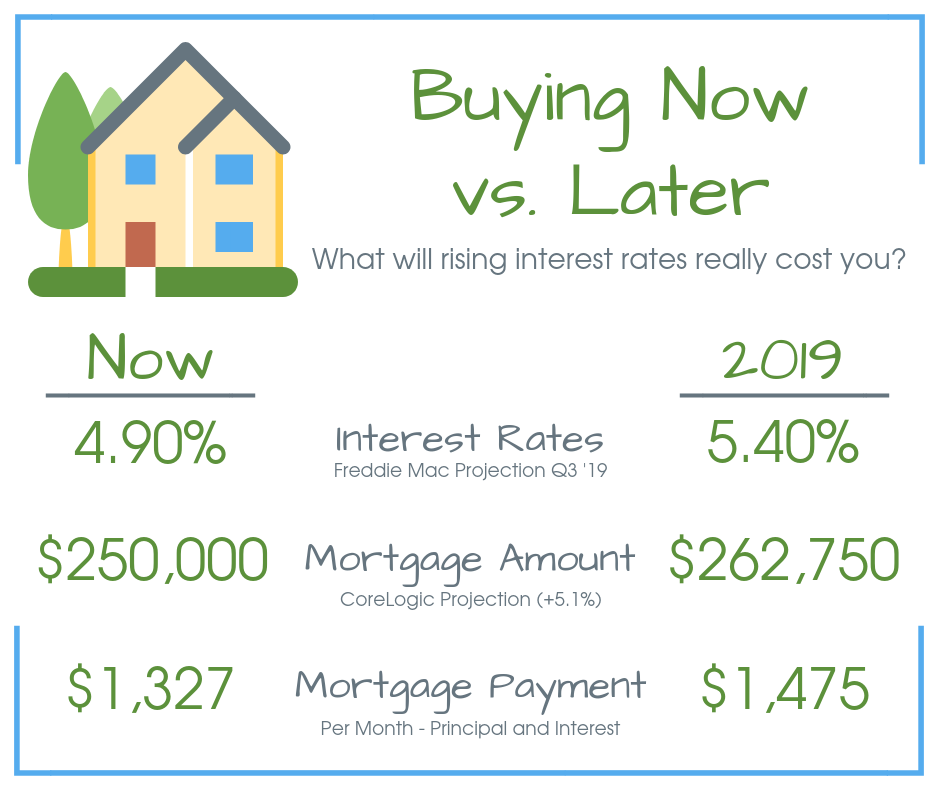
Even a seemingly small difference in the interest rate can translate into a substantial variation in your monthly mortgage payment and the total amount of interest paid over the life of the loan. For example, on a $300,000 30-year fixed mortgage, a 0.5% difference in interest rate (e.g., 6.5% vs. 6.0%) can change your monthly payment by over $100 and the total interest paid by tens of thousands of dollars over three decades. This directly affects your cash flow, your ability to save, and your overall financial flexibility.
Refinancing Opportunities
A mortgage is not necessarily a “set it and forget it” commitment for 30 years. If interest rates drop significantly after you’ve secured your initial mortgage, refinancing becomes a viable strategy. Refinancing involves taking out a new loan to pay off your existing mortgage, often at a lower interest rate, which can reduce your monthly payments or shorten your loan term. It can also be used for cash-out refinancing, where you borrow more than you owe on your current mortgage and take the difference in cash, typically for home improvements or debt consolidation. Staying informed about current rates allows you to seize these opportunities when they arise, potentially saving you a substantial amount of money.
Equity Building and Wealth Creation
The interest rate also plays a role in how quickly you build equity in your home. With a lower interest rate, a larger portion of your early monthly payments goes towards reducing the principal balance, rather than just covering interest. This accelerates equity accumulation, which is a significant component of wealth building for many homeowners. Your home’s equity can be a valuable asset, providing a source of funds for future needs through home equity loans or lines of credit, or contributing to your net worth when you eventually sell the property. Understanding the long-term implications of your mortgage rate helps you make a choice that aligns with your broader financial goals, whether that’s minimizing monthly costs, building equity rapidly, or maintaining flexibility for future financial maneuvers.
In conclusion, the question of “what is the mortgage interest rate right now” opens the door to a complex yet critical area of personal finance. Mortgage rates are not static figures but dynamic reflections of a vibrant global economy, influenced by everything from Federal Reserve policy to individual credit scores. By staying informed, understanding the factors at play, exploring various loan products, and employing smart financial strategies, both prospective and current homeowners can navigate the market effectively, secure favorable terms, and make decisions that support their long-term financial prosperity. The journey to homeownership and financial stability is a marathon, not a sprint, and knowledge of mortgage rates is a powerful tool in your financial arsenal.
aViewFromTheCave is a participant in the Amazon Services LLC Associates Program, an affiliate advertising program designed to provide a means for sites to earn advertising fees by advertising and linking to Amazon.com. Amazon, the Amazon logo, AmazonSupply, and the AmazonSupply logo are trademarks of Amazon.com, Inc. or its affiliates. As an Amazon Associate we earn affiliate commissions from qualifying purchases.