
In the modern digital landscape, few industries have been as profoundly reshaped by data management systems as real estate. At the heart of this transformation lies the Multiple Listing Service, commonly known as the MLS. While the average consumer may interact with the MLS through front-facing websites like Zillow or Realtor.com, the actual MLS is a sophisticated, private technological infrastructure that serves as the primary “source of truth” for property data. Understanding what the MLS is from a technological perspective requires looking beyond the property photos and deep into the architecture of data syndication, standardized software protocols, and the evolution of PropTech (Property Technology).
The Architecture of the MLS: From Index Cards to Cloud Computing
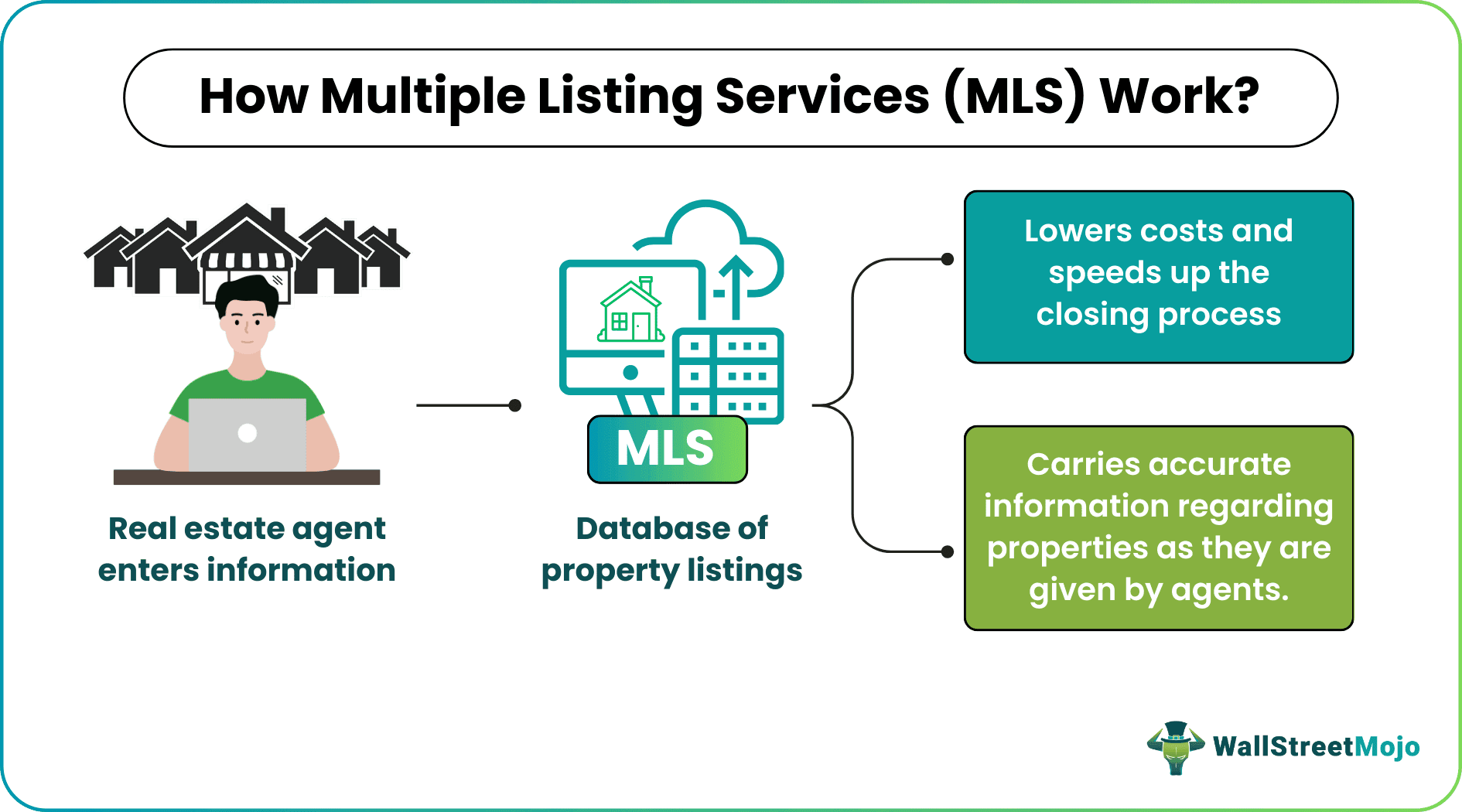
The MLS is not a single, global website. Instead, it is a suite of approximately 600 regional databases in the United States alone, each acting as a localized hub for real estate information. To understand its technical significance, one must view it as one of the earliest and most successful examples of a “cooperative digital ecosystem.”
The Evolution of Data Sharing
The concept of the MLS predates the internet. In the late 19th century, brokers gathered at local offices to exchange information about the properties they were trying to sell. This manual exchange evolved into physical binders and index cards. However, the digital revolution of the 1990s transformed these local agreements into robust database management systems (DBMS). Today, these systems are hosted on sophisticated cloud infrastructures, allowing for real-time updates and instantaneous synchronization across vast networks of participants.
The Power of a Centralized B2B Database
From a software perspective, the MLS is a Business-to-Business (B2B) platform. It functions as a secure repository where listing agents input granular data points—ranging from square footage and HVAC types to complex zoning codes and historical tax data. Because this data is entered directly by licensed professionals under strict regulatory guidelines, the MLS maintains a level of data integrity that decentralized or “scraped” websites cannot match. It serves as the primary node in a massive network of information distribution.
Data Syndication and the Role of IDX and APIs
One of the most impressive technical feats of the MLS is its ability to distribute data across the internet while maintaining accuracy. This is achieved through a combination of standardized protocols and advanced APIs (Application Programming Interfaces).
Understanding IDX (Internet Data Exchange)
The Internet Data Exchange, or IDX, is the software standard that allows real estate agents to display MLS listings on their own private websites. Without IDX, an agent would have to manually upload every listing in their region to their site—a task that would be impossible to keep updated. Technically, IDX acts as a “handshake” between the MLS database and a third-party website, ensuring that when a house is marked “Pending” in the MLS, it is updated across thousands of websites within minutes.
The Move Toward Web API and RESO Standards
Historically, data was transferred through a process called RETS (Real Estate Transaction Standard), which relied on heavy, periodic downloads of entire databases. This was inefficient and taxing on server resources. The industry has since migrated toward the RESO (Real Estate Standards Organization) Web API. This modern approach allows for “on-demand” data fetching. Instead of downloading a million records to find one house, a website can query the MLS server for specific data points using Restful API architecture. This shift has drastically reduced latency, improved mobile app performance, and allowed developers to build more responsive real estate tools.
The Intersection of Big Data and Artificial Intelligence
As the volume of data stored within MLS systems grows, the technology has moved beyond simple record-keeping into the realm of predictive analytics and machine learning. The MLS is no longer just a list of what is for sale; it is a massive dataset used to train AI models.
Predictive Analytics and Market Trends
Modern MLS platforms utilize big data tools to analyze market velocity. By processing millions of data points regarding “Days on Market” (DOM), price fluctuations, and seasonal trends, the software can provide real-time dashboards for brokerage firms. These tools use regression analysis to predict future market shifts, helping professionals understand where the market is heading weeks before the public sees the trend.
Automated Valuation Models (AVMs) and Image Recognition
The rich data within the MLS is a goldmine for AI. Computer vision technology is now being integrated into MLS workflows to analyze property photos automatically. If an agent uploads a photo of a kitchen, AI can identify the brand of appliances, the type of countertop (e.g., Carrara marble vs. granite), and the overall “condition score” of the home. This data feeds into Automated Valuation Models (AVMs), which provide instant estimates of a property’s value based on highly specific, verified technical data rather than just general neighborhood averages.
Digital Security and Data Integrity Protocols
Because the MLS contains sensitive information—including showing instructions, security codes for properties, and proprietary contract details—security is a paramount technical concern. The MLS is a “walled garden” that requires multi-layered authentication to access.
Protecting the “Source of Truth”
Data scraping is a significant threat to the real estate industry. Unscrupulous entities often attempt to “crawl” MLS-powered sites to steal lead information or re-list properties fraudulently. To combat this, MLS providers employ advanced firewalls and bot-detection software. Many systems now use “watermarking” technology on images and encrypted data strings to ensure that if information is leaked or misused, it can be traced back to the point of origin.
Cybersecurity and Access Control
Access to the MLS is typically restricted through Single Sign-On (SSO) systems and Multi-Factor Authentication (MFA). Since the MLS is the nexus for billions of dollars in transactions, ensuring that only licensed and vetted professionals can alter data is critical. Software updates are frequent, focusing on patching vulnerabilities that could allow unauthorized access to the underlying SQL databases or cloud storage buckets where sensitive documents are stored.
The Future of PropTech: Blockchain and Decentralization
As we look toward the future of the MLS, the conversation is increasingly dominated by the potential for further decentralization and the integration of blockchain technology. While the current system is efficient, it remains fragmented across hundreds of regional providers.
The Unified Data Record
One of the biggest technological hurdles in real estate is the lack of a single, national MLS database. Currently, a developer looking to build a national real estate app must negotiate API access with hundreds of different entities. Technology advocates are pushing for a “Unified Data Record,” where blockchain could potentially serve as a decentralized ledger. In this scenario, every property would have a permanent, immutable digital “twin” on a blockchain, containing its entire history—from construction permits to previous sale prices—accessible via a single, secure protocol.
Smart Contracts and Transaction Management
The next evolution of the MLS involves moving beyond the “listing” and into the “transaction.” We are seeing the integration of Transaction Management Systems (TMS) directly into the MLS software stack. This allows for the use of smart contracts—self-executing contracts with the terms of the agreement between buyer and seller being directly written into lines of code. When the MLS status changes to “Closed,” the software could theoretically trigger the release of funds and the digital transfer of the title, reducing the need for manual administrative work and decreasing the window for human error.

Conclusion: The MLS as a Tech Catalyst
The Multiple Listing Service is far more than a digital catalog of homes. It is a complex, high-stakes technological ecosystem that balances the needs of data transparency with the requirements of digital security. Through the adoption of APIs, the implementation of AI-driven analytics, and a relentless focus on data standardization via RESO, the MLS has become the backbone of the modern PropTech movement.
As the industry continues to evolve, the MLS will likely shift from being a reactive database to a proactive, intelligent platform. Whether through the integration of 3D digital twins or the adoption of blockchain-based ledgers, the technological foundation of the MLS will continue to dictate the speed, transparency, and efficiency of the global real estate market. For tech professionals and real estate practitioners alike, staying ahead of these digital shifts is not just an advantage—it is a necessity in an increasingly data-driven world.
aViewFromTheCave is a participant in the Amazon Services LLC Associates Program, an affiliate advertising program designed to provide a means for sites to earn advertising fees by advertising and linking to Amazon.com. Amazon, the Amazon logo, AmazonSupply, and the AmazonSupply logo are trademarks of Amazon.com, Inc. or its affiliates. As an Amazon Associate we earn affiliate commissions from qualifying purchases.