
For employees and employers operating within the city limits of Philadelphia, understanding the nuances of wage legislation is not merely a matter of compliance—it is a fundamental aspect of financial planning and business sustainability. As the economic landscape of Pennsylvania shifts, the regulatory framework governing compensation has become increasingly complex. Navigating these requirements requires a clear distinction between state mandates and municipal-specific policies.
The Current Minimum Wage Landscape in Pennsylvania
To understand the minimum wage in Philadelphia, one must first look at the foundation set by the Commonwealth of Pennsylvania. For years, the state has adhered to the federal minimum wage standard established by the Fair Labor Standards Act (FLSA).
The Federal and State Baseline
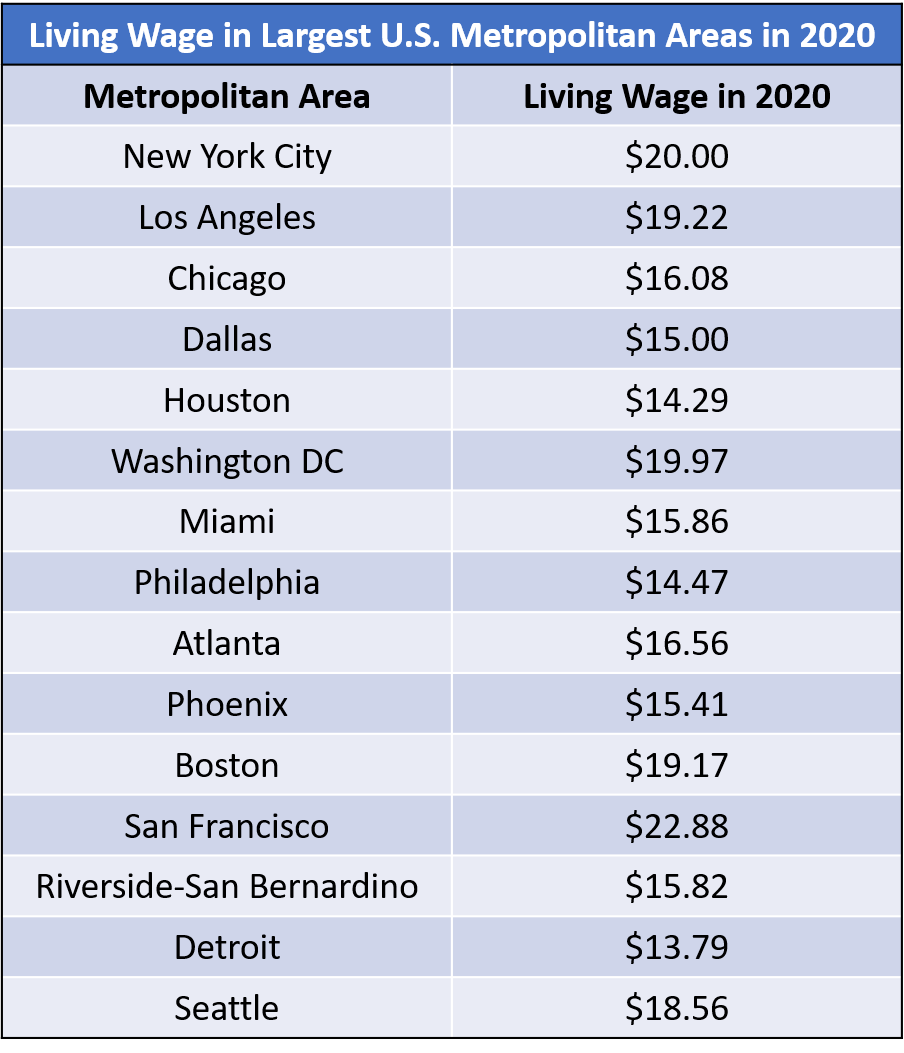
Since July 24, 2009, the federal minimum wage has remained stagnant at $7.25 per hour. Despite repeated legislative attempts at the state level to increase this floor, Pennsylvania has maintained the $7.25 rate for the vast majority of non-exempt employees. While many surrounding states—such as New Jersey, New York, and Delaware—have aggressively increased their minimum wage rates to combat inflation and rising costs of living, Pennsylvania remains one of the few states tied strictly to the federal baseline.
The Conflict of Jurisdictional Authority
A persistent point of confusion for small business owners and workers alike is whether a city like Philadelphia has the legal authority to mandate a higher local minimum wage. Under current Pennsylvania law, the state operates under a “preemption” model. This legal doctrine generally prevents individual municipalities from enacting labor laws that exceed the requirements set by the state legislature. Consequently, Philadelphia does not currently have the legal authority to set a municipal minimum wage that is higher than the state-mandated $7.25.
Philadelphia’s Approach to Fair Compensation and Prevailing Wage
While the city cannot legally set a private-sector minimum wage, Philadelphia has utilized other mechanisms to influence compensation standards within the city. The most significant of these is the “Prevailing Wage” ordinance, which impacts government-funded projects.
The Prevailing Wage Requirement
Philadelphia requires that contractors and subcontractors working on city-funded contracts pay their employees a “prevailing wage.” This is not a flat minimum wage; rather, it is a localized rate that reflects the average compensation for specific job classifications within the region. These rates are determined by the Philadelphia Department of Labor and are designed to ensure that taxpayer-funded projects do not undercut the regional labor market.
Living Wage Ordinances for City Contractors
Beyond the prevailing wage for construction or specialized services, Philadelphia maintains a “Living Wage” requirement for certain service contracts entered into by the city. This ordinance mandates that companies providing services to the city must pay their employees a higher hourly rate than the standard $7.25 state minimum. This ensures that those benefiting from municipal contracts contribute to a higher standard of living for their workforce, effectively bypassing the state-level stagnation for a specific subset of the local labor pool.
The Impact of Economic Realities on Local Pay Scales
Although the legal minimum wage in Philadelphia remains at the $7.25 floor for private employers, the market reality is significantly different. Economic pressure, talent competition, and the rising cost of living have forced the hand of employers across the city.
Market-Driven Wage Increases
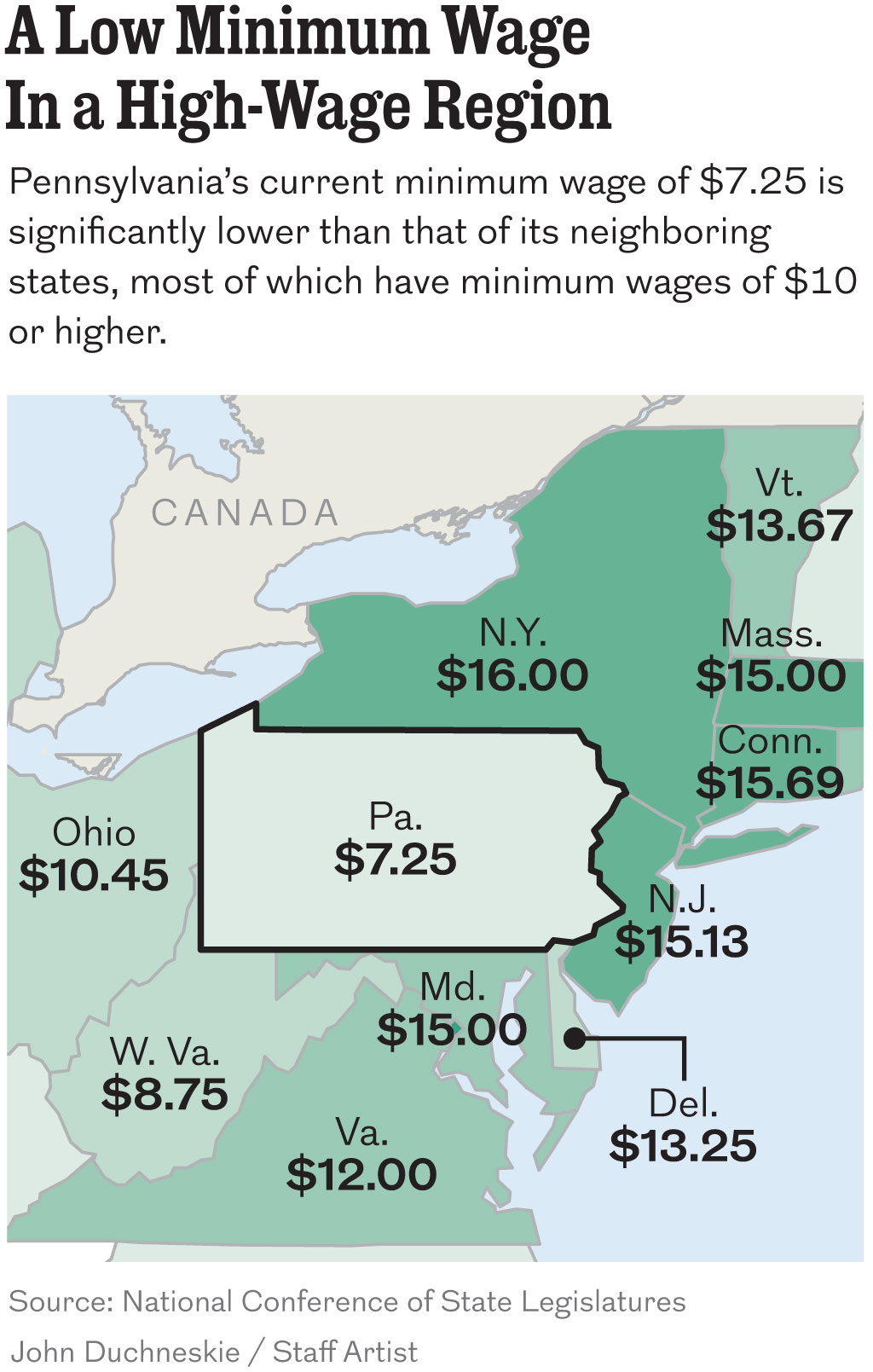
In practice, very few employers in Philadelphia currently pay the $7.25 minimum wage. The intense competition for talent in sectors like retail, hospitality, and warehouse logistics has pushed entry-level pay well above the statutory floor. Most employers find that to attract and retain reliable staff in a metropolitan area with Philadelphia’s cost of living, they must offer hourly rates ranging from $15.00 to $20.00.
For a business owner, failing to acknowledge this gap between the legal minimum and the market-clearing wage can result in high turnover rates and the hidden costs of constant recruitment and training. Savvy financial planning in Philadelphia now assumes a “real-world” minimum wage that is far higher than the legislative one.
Inflation and the Purchasing Power Dilemma
The stagnation of the state minimum wage has created a disconnect between statutory requirements and the actual purchasing power of workers. As the cost of housing, utilities, and groceries in Philadelphia has climbed, the $7.25 wage has become effectively obsolete for anyone trying to sustain a household. This disparity has led to increased reliance on social safety nets and has spurred ongoing local activism aimed at lobbying Harrisburg for a state-wide increase. For business owners, this climate requires a proactive approach to compensation strategy that prioritizes worker retention and morale over mere legal compliance.
Compliance and Financial Best Practices for Philadelphia Employers
For business owners and payroll managers, maintaining compliance while navigating the gap between the state minimum and market reality is essential. Proper management of labor costs is the bedrock of a healthy balance sheet.
Accurate Payroll Classification
Whether paying the $7.25 minimum wage or a market-competitive rate, accuracy in payroll is non-negotiable. Employers must ensure that all workers are correctly classified as either hourly (non-exempt) or salaried (exempt). Misclassification, particularly regarding overtime pay, is a common source of litigation. In Philadelphia, where labor regulations are closely monitored, keeping meticulous records of hours worked and gross pay is the primary defense against potential wage theft audits or legal claims.
Tracking Local and State Legislative Changes
Business finance is not static. Because there is a constant movement toward increasing the minimum wage at the state level in Pennsylvania, business owners should maintain a “wait-and-see” reserve in their annual budgets. Financial planning should involve stress-testing the business model against potential hourly rate increases. If the state were to pass a bill raising the minimum wage to $15.00, what would the impact be on margins, pricing, and staffing levels? By conducting this analysis now, companies can avoid sudden financial shocks.
Total Compensation Strategy
When the minimum wage is legally low, it is easy to view compensation solely through the hourly rate. However, a professional approach to financial management suggests looking at the “Total Compensation” package. This includes:
- Paid Time Off (PTO): Offering competitive leave benefits often matters more to long-term employees than a small increase in the hourly wage.
- Healthcare Subsidies: With healthcare costs rising, providing a pathway to coverage can be a significant differentiator in the job market.
- Skill Development: Providing training and upward mobility paths effectively increases an employee’s value, justifying higher pay and increasing the business’s internal efficiency.

Conclusion: Looking Ahead
The question “what is the minimum wage in Philadelphia” yields a simple answer on paper—$7.25—but a complex reality in practice. While the state-wide legislative floor has not moved in over a decade, the economic environment of Philadelphia has effectively forced a higher baseline.
For employees, understanding your rights regarding prevailing wages and local city contracts is vital. For employers, the focus must shift from “What is the absolute minimum I am legally allowed to pay?” to “What wage is necessary to remain competitive and fiscally responsible in the current market?”
As Philadelphia continues to grow as an economic hub, the gap between the statutory minimum and the living wage will likely remain a focal point of debate. Until legislative changes catch up to economic realities, the smartest path forward for business owners is to align their compensation strategies with market demands, ensuring that their financial operations remain robust, compliant, and supportive of the talent that drives their success. By treating labor as a strategic investment rather than a fixed cost to be minimized, Philadelphia businesses can maintain stability in an ever-shifting economic landscape.
aViewFromTheCave is a participant in the Amazon Services LLC Associates Program, an affiliate advertising program designed to provide a means for sites to earn advertising fees by advertising and linking to Amazon.com. Amazon, the Amazon logo, AmazonSupply, and the AmazonSupply logo are trademarks of Amazon.com, Inc. or its affiliates. As an Amazon Associate we earn affiliate commissions from qualifying purchases.