
In the dynamic world of branding, the concept of a “developed character” transcends mere aesthetics or a catchy slogan. It represents the deeply ingrained, authentic, and consistent essence that defines a brand, whether personal or corporate. A developed character is the soul of a brand, a multifaceted persona that resonates with an audience, builds trust, and fosters lasting relationships. It’s not simply a facade presented to the public, but a holistic identity built from core values, distinct voice, and unwavering purpose, meticulously cultivated and expressed across every touchpoint. This intricate construction allows a brand to move beyond being just a product or service provider to becoming a trusted entity with whom consumers can identify and connect on a deeper, more emotional level.
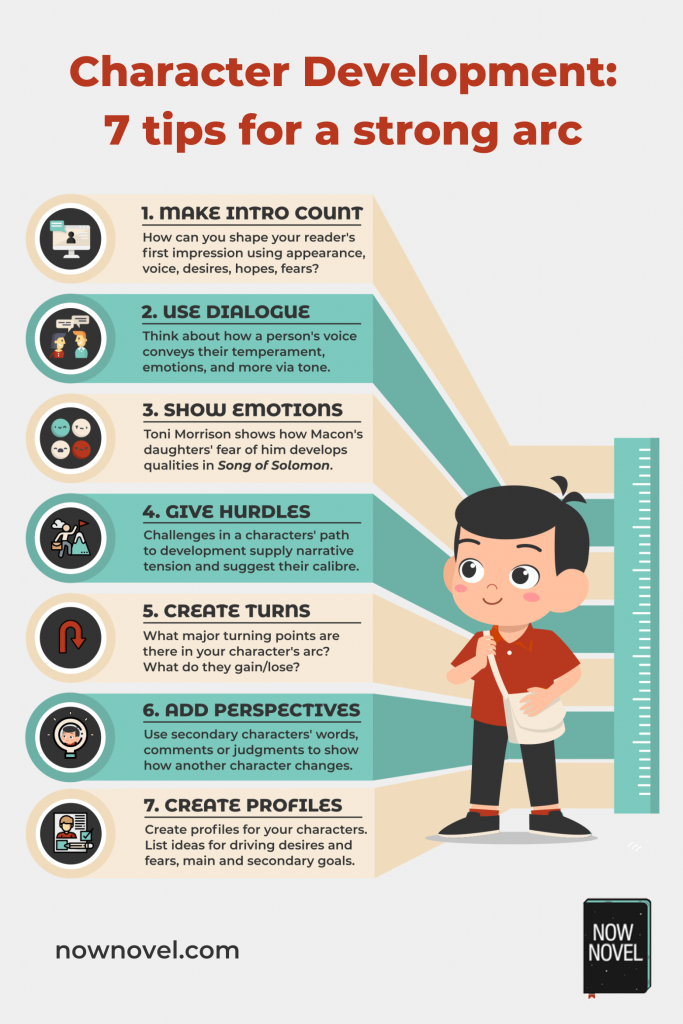
The Core Elements of a Developed Brand Character
A truly developed brand character is a robust construct, built upon several foundational pillars that work in concert to create a cohesive and compelling identity. These elements ensure that the brand’s essence is not only understood but also felt by its target audience.
Authenticity and Voice
At the heart of any developed character lies authenticity. This means that the brand’s actions, messages, and overall presence must be genuine and reflective of its true nature and values. An authentic brand doesn’t try to be something it’s not; it embraces its unique perspective and communicates it transparently. Hand-in-hand with authenticity is a distinct voice—the specific tone, style, and language a brand uses to communicate. Whether it’s authoritative and informative, playful and whimsical, or empathetic and supportive, this voice should be consistent and recognizable. A well-defined voice allows the brand to speak directly to its audience, building trust and relatability by fostering a sense of familiarity and genuine connection that superficial branding efforts cannot achieve. This consistency in voice across all platforms—from social media posts to customer service interactions—reinforces the brand’s character and strengthens its identity in the minds of consumers.
Consistency Across Touchpoints
Consistency is the bedrock upon which a developed character is recognized and internalized by the audience. Every interaction a consumer has with a brand is a “touchpoint,” and each one must reflect the brand’s established character seamlessly. This includes visual elements like logos, color palettes, and typography, but extends far beyond to the language used in marketing materials, the design of product packaging, the user experience of a website, and even the demeanor of customer service representatives. A brand that projects one image online but delivers a different experience in-store, or shifts its messaging from one campaign to the next, creates confusion and erodes trust. Inconsistency dilutes the brand’s character, making it appear unreliable or uncommitted to its own identity. Conversely, unwavering consistency across all these touchpoints reinforces the brand’s personality, making it predictable in a positive sense and strengthening its memorability and perceived reliability.
Purpose and Values
A developed character is underpinned by a clear sense of purpose and a defined set of values. Beyond the pursuit of profit, what does the brand fundamentally stand for? What problem does it aim to solve for its customers or the wider world? These questions inform the brand’s mission and vision, giving it direction and meaning. Values are the guiding principles that dictate the brand’s behavior, decisions, and interactions. They define its moral compass and influence everything from product development to marketing ethics and corporate social responsibility. Consumers today are increasingly discerning, seeking brands that align with their own values and contribute positively to society. A brand with a clearly articulated purpose and deeply integrated values builds a powerful emotional connection, fostering loyalty that goes beyond transactional relationships. It transforms the brand from a mere vendor into a kindred spirit, a partner in shared beliefs and aspirations.
The Strategic Importance of Character Development
Cultivating a developed character is not merely an aesthetic exercise; it is a critical strategic imperative that offers profound competitive advantages in an increasingly crowded and noisy marketplace.
Differentiation in a Crowded Market
In an era saturated with choices, features, and benefits alone often fail to distinguish one offering from another. A developed brand character provides a unique personality that sets a brand apart, enabling it to cut through the noise. Rather than competing solely on price or specifications, a brand with a strong character creates an emotional resonance that is difficult for competitors to replicate. It moves beyond the tangible aspects of a product or service to tap into the intangible, creating a unique space in the consumer’s mind and heart. This distinctiveness allows a brand to tell a compelling story that transcends its offerings, forging a unique identity that stands out and remains memorable amidst a sea of generic alternatives. It transforms a commodity into a preference, driven by emotional connection rather than just rational choice.
Building Stronger Connections and Loyalty
People naturally gravitate towards personalities they understand, trust, and feel a connection with. The same principle applies to brands. A developed character humanizes the brand, transforming it from an impersonal entity into a relatable persona with whom customers can form a genuine bond. This emotional connection fosters deeper engagement and significantly enhances customer loyalty. When customers feel understood, valued, and aligned with a brand’s character, they become more than just purchasers; they become advocates, defending the brand, sharing its story, and recommending it to others. This level of loyalty is invaluable, translating into repeat business, resilience during challenging times, and organic growth through word-of-mouth marketing, creating a virtuous cycle of engagement and commitment.
Resilience and Adaptability
A strong, developed brand character provides a stable anchor in a world of constant change. While markets shift, technologies evolve, and consumer preferences change, a brand with a well-defined character can adapt and pivot without losing its core identity. Its values and purpose act as a compass, guiding strategic decisions and ensuring that even as offerings or campaigns change, the brand’s fundamental essence remains intact. This resilience is crucial in navigating crises, as a brand with a trusted character can leverage its established goodwill to communicate transparently, acknowledge missteps, and rebuild trust more effectively. Moreover, it enables a brand to innovate and expand into new areas, as long as these ventures remain consistent with its core character, allowing for growth without dilution or confusion.

Practical Steps to Cultivate a Developed Character
Building a developed brand character requires deliberate effort and strategic planning, moving beyond superficial branding to embed personality and purpose deeply within the organization.
Define Your Archetype and Persona
A powerful starting point for character development is to define a brand archetype or persona. Archetypes, like Jungian archetypes (e.g., The Innocent, The Sage, The Rebel), offer a universal framework for understanding personalities and motivations, providing a foundational narrative. Alternatively, creating a detailed brand persona—a fictional representation complete with demographics, psychographics, motivations, and even a “personality description”—can help visualize and humanize the brand. This exercise clarifies who the brand is, what it believes in, and how it behaves, serving as a blueprint for all future communications and actions. By giving the brand a human face and a discernible personality, it becomes easier for both internal teams and external audiences to understand and relate to it.
Craft Your Narrative and Storytelling
Every developed character has a compelling story. This narrative should encompass the brand’s origin, its mission, the challenges it has overcome, and its vision for the future. Storytelling is a powerful tool for conveying purpose and values in an engaging, memorable way. It allows the brand to communicate its character not just through explicit statements, but through evocative tales that resonate emotionally. Integrate this narrative across all marketing channels—from website “About Us” pages and blog posts to video campaigns and social media content. Use emotional hooks, relatable scenarios, and compelling characters (including the brand itself) to draw your audience into your world, making them active participants in your ongoing story rather than passive recipients of information.
Engage and Interact Authentically
A brand’s character is truly revealed and reinforced through its interactions. This means engaging with your audience authentically across all platforms, from social media comments and direct messages to customer service calls and in-person events. Active listening is key: pay attention to customer feedback, sentiments, and questions. Respond thoughtfully and consistently with your established brand voice. Encourage dialogue rather than one-way communication, fostering a sense of community and making customers feel heard and valued. Transparent and empathetic interaction not only resolves issues but also strengthens the emotional bond, demonstrating that the brand genuinely cares and acts in alignment with its proclaimed character. This builds a reputation for trustworthiness and responsiveness, key attributes of a well-developed brand.
Monitor, Measure, and Evolve
Character development is not a one-time task but an ongoing process. It requires continuous monitoring of brand perception through surveys, sentiment analysis, and social media listening tools. Track how your audience perceives your brand’s personality, consistency, and alignment with its stated values. Gather feedback to identify areas where the brand character might be misunderstood or inconsistently applied. While the core essence should remain steadfast, a developed character is also dynamic, open to subtle evolution to stay relevant in a changing world. Be prepared to refine messaging, adjust communication strategies, or even introduce new elements that enhance the brand’s personality, ensuring it remains fresh, relevant, and resonant without straying from its foundational identity.
Common Pitfalls in Character Development
While the benefits of a developed brand character are immense, there are several common traps that brands can fall into, undermining their efforts and potentially damaging their reputation.
Inauthenticity and Forced Personas
One of the most damaging mistakes is to project an inauthentic or forced persona. This occurs when a brand tries to mimic a trend, adopt a personality that doesn’t align with its internal culture or values, or simply isn’t genuine in its communications. Consumers are increasingly adept at detecting insincerity, and a lack of authenticity can quickly lead to cynicism and distrust. If a brand’s external messaging doesn’t match its internal operations, employee behavior, or product quality, the disconnect will be exposed, leading to a significant loss of credibility. Building a character based on what you think your audience wants to see, rather than what you authentically are, is a recipe for disaster, as it breeds resentment and a sense of betrayal when the truth inevitably emerges.
Inconsistency and Mixed Signals
Even with a well-defined character, inconsistency in its application can severely dilute its impact. This pitfall manifests when different departments or marketing campaigns present varied aspects of the brand’s personality, or when the visual identity clashes with the verbal messaging. For instance, a brand aiming for a sophisticated, luxury character might use informal, overly casual language in its social media, confusing its audience and undermining its premium positioning. Such mixed signals create cognitive dissonance for consumers, making it difficult for them to form a clear and stable perception of the brand. This erosion of clarity inevitably leads to reduced recognition, weakened trust, and a diminished ability to connect meaningfully with the target audience, negating all efforts made in defining the character.
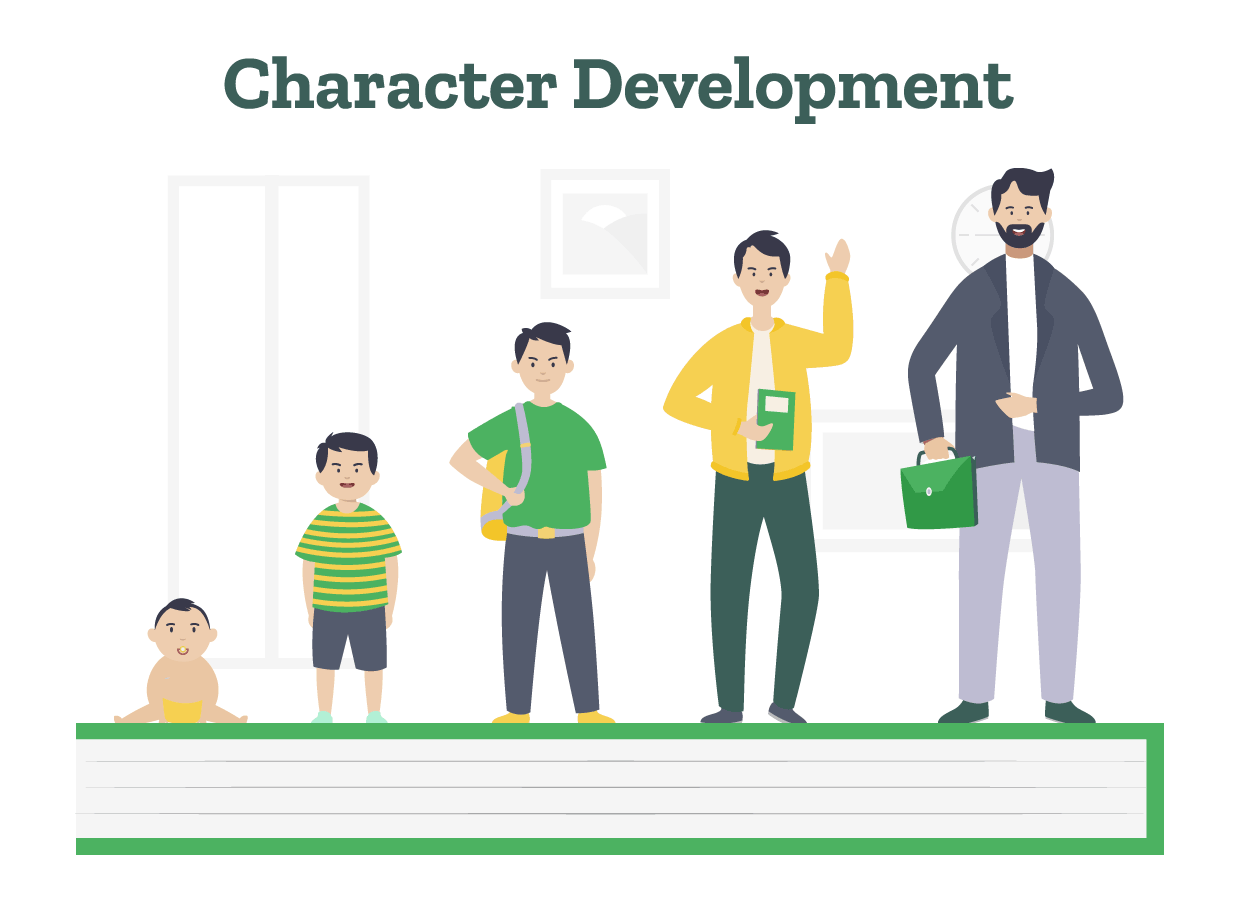
Stagnation and Refusal to Evolve
While consistency is vital, stagnation can be equally detrimental. A brand character, no matter how well-developed, cannot remain static in a dynamic world. Refusing to evolve with changing market trends, technological advancements, or shifting consumer expectations can render a brand irrelevant. Brands must strike a delicate balance between maintaining their core identity and adapting to external forces. An unwillingness to refresh messaging, update visual elements, or explore new communication channels, even subtly, can make a brand appear outdated or out of touch. The challenge lies in evolving the brand’s expression and touchpoints while steadfastly adhering to its fundamental values and purpose, ensuring that the character remains vibrant and relatable to contemporary audiences without losing its foundational essence.
aViewFromTheCave is a participant in the Amazon Services LLC Associates Program, an affiliate advertising program designed to provide a means for sites to earn advertising fees by advertising and linking to Amazon.com. Amazon, the Amazon logo, AmazonSupply, and the AmazonSupply logo are trademarks of Amazon.com, Inc. or its affiliates. As an Amazon Associate we earn affiliate commissions from qualifying purchases.