
Understanding the minimum wage in Great Britain is a fundamental requirement for both employees and business owners. Managed by the government and reviewed annually based on recommendations from the Low Pay Commission, the minimum wage structure serves as the baseline for personal finance and corporate budgeting across England, Scotland, and Wales. In recent years, Great Britain has seen some of the most significant jumps in statutory pay in its history, reflecting a volatile economic climate characterized by high inflation and a tightening labor market.
Whether you are an entrepreneur looking to scale your workforce or an individual calculating your monthly take-home pay, navigating the nuances of the National Living Wage (NLW) and the National Minimum Wage (NMW) is essential. This guide breaks down the current rates, the legal obligations of employers, and the broader financial implications of these figures in the current fiscal year.
Understanding the Structure of the UK Minimum Wage System
The minimum wage in Great Britain is not a single flat rate. Instead, it is a tiered system designed to balance the earning potential of workers with the economic reality of different age groups and training levels.
The National Living Wage vs. The National Minimum Wage
There is often confusion between these two terms, but the distinction is primarily based on age. The National Living Wage (NLW) is the higher rate that applies to workers who are 21 years of age and older. Prior to April 2024, the threshold for the NLW was 23, but the government lowered this age to include more young professionals in the top-tier pay bracket.
The National Minimum Wage (NMW), meanwhile, applies to those of at least school-leaving age but under the age of 21. This category is further subdivided to account for the perceived “training” phase of early careers. While some critics argue that lower rates for younger workers are discriminatory, the statutory logic is that lower entry-level costs encourage businesses to take a chance on inexperienced talent.
Eligibility and Scope
Almost all workers in Great Britain are entitled to the minimum wage. This includes part-time workers, casual laborers, agency workers, and even apprentices. However, there are a few notable exceptions. For instance, those who are self-employed, voluntary workers, and company directors do not fall under the statutory minimum wage legislation. Understanding your employment status is therefore the first step in determining your financial rights.
Current Rates and Recent Increases
As of April 2024, the United Kingdom implemented a substantial increase in minimum pay rates. This move was largely intended to mitigate the “cost of living crisis” that has gripped the country, ensuring that the lowest-paid workers see their earnings stay somewhat in line with the rising costs of housing, energy, and groceries.
Breakdown of Rates for 2024/2025
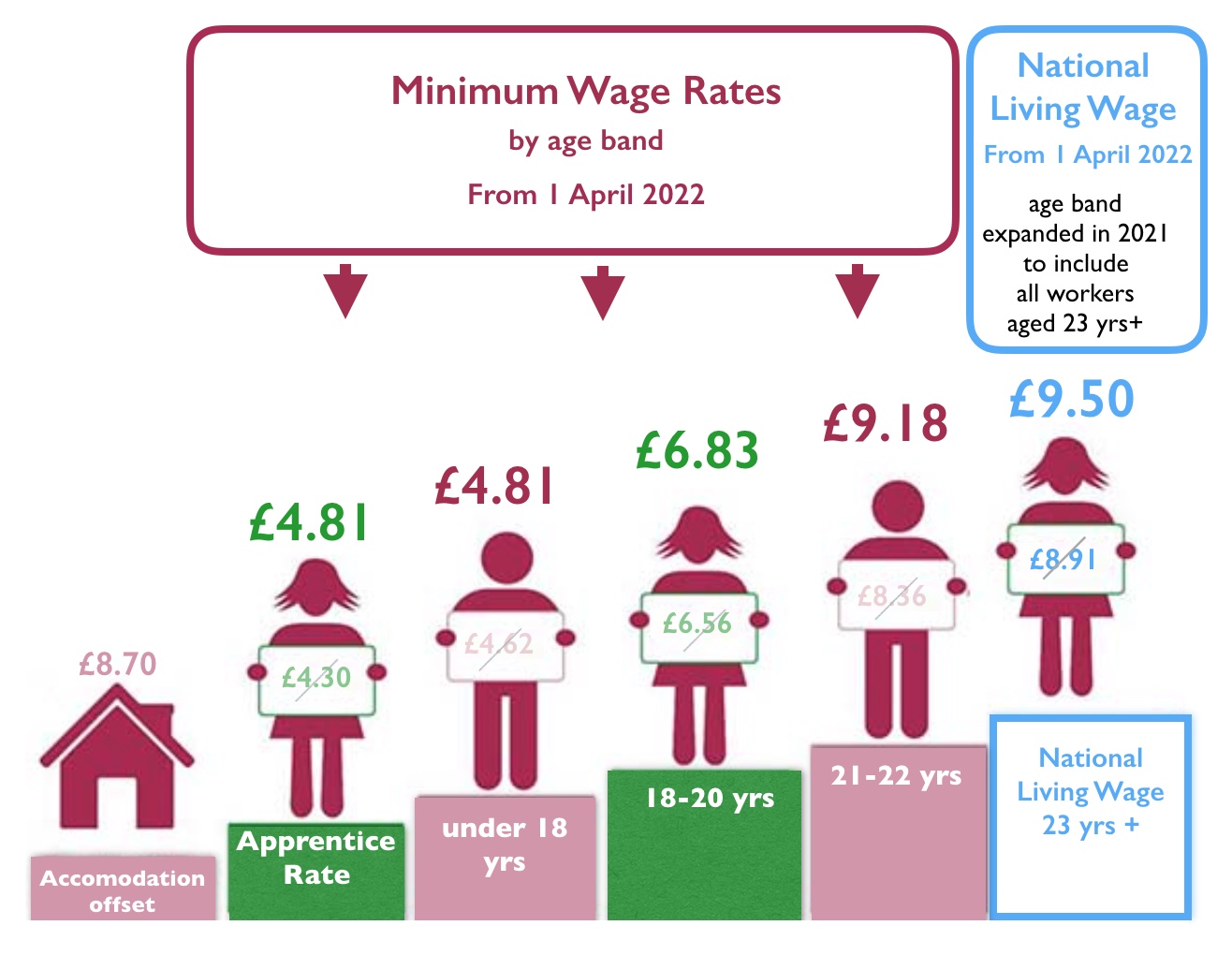
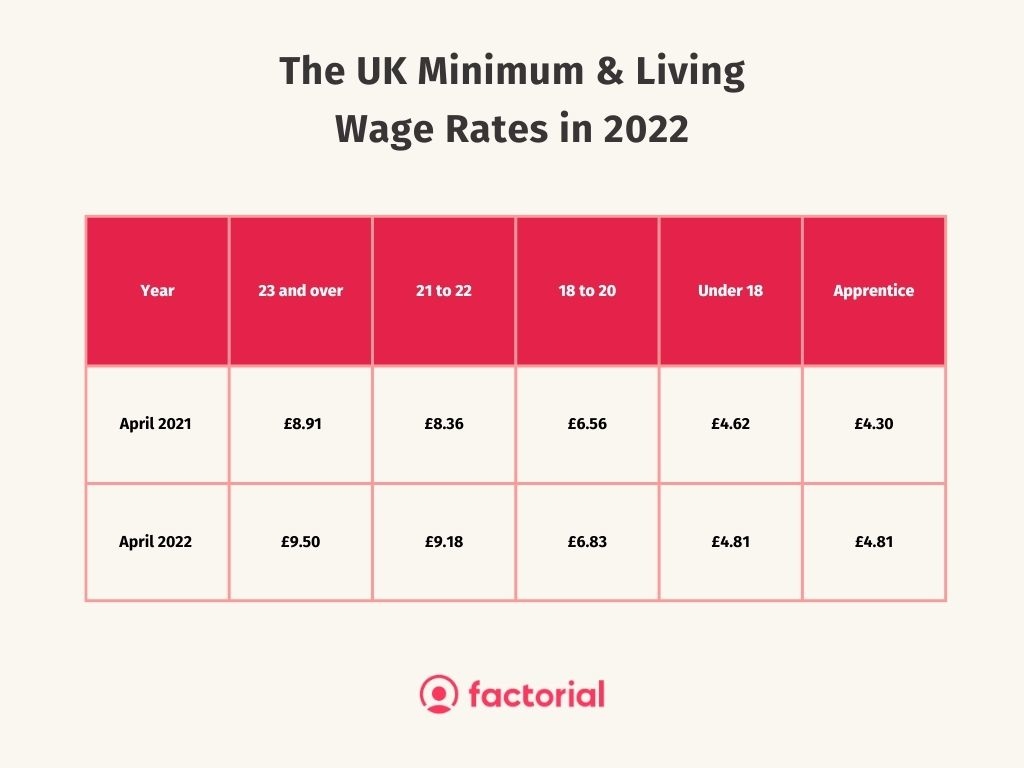
The current statutory rates are as follows:
- National Living Wage (21 and over): £11.44 per hour
- 18 to 20 Year Old Rate: £8.60 per hour
- Under 18 Rate: £6.40 per hour
- Apprentice Rate: £6.40 per hour
The jump to £11.44 for those aged 21 and over represents a significant percentage increase from previous years. For a full-time worker on a 37.5-hour week, this equates to an annual gross salary of approximately £22,308. While this is a milestone for low-income earners, it places a new set of pressures on the financial health of small-to-medium enterprises (SMEs).
The Apprentice Rate Nuance
The apprentice rate applies to those aged 19 or under, or those 19 and over who are in the first year of their apprenticeship. Once an apprentice completes their first year and is aged 19 or older, they are entitled to the full minimum wage for their specific age group. This structure is designed to support the vocational education system by making it financially viable for companies to invest in the long-term development of skilled tradespeople.
The Impact on Small Businesses and Corporate Finance
For business owners, the minimum wage is not just a social policy; it is a major line item in the profit and loss statement. When the government increases the NLW, it triggers a ripple effect throughout the entire corporate hierarchy.
Budgeting for Increased Payroll Costs
When the statutory floor rises, businesses must account for more than just the raw hourly increase. Employers must also factor in higher National Insurance contributions and increased pension auto-enrolment costs. For a service-based business—such as a café, a retail shop, or a cleaning company—labor is often the highest overhead. A 10% increase in the minimum wage can significantly erode profit margins if it is not countered by price increases or operational efficiencies.
Furthermore, many businesses face the challenge of “wage compression.” If the minimum wage rises but the pay for supervisors and managers remains stagnant, the pay gap between entry-level and mid-level roles narrows. This can lead to decreased morale among experienced staff, often forcing companies to raise salaries across the board to maintain a logical internal pay structure.
Compliance and Penalties for Underpayment
The HM Revenue & Customs (HMRC) is the body responsible for enforcing minimum wage laws. Compliance is not optional, and the penalties for “naming and shaming” are severe. Employers who fail to pay the correct rate can be fined up to 200% of the arrears (up to a maximum of £20,000 per worker).
Beyond the financial fines, the reputational damage of being labeled a non-compliant employer can be catastrophic. In an era of social media and transparent brand identities, being flagged for underpaying staff can lead to consumer boycotts and difficulty in recruiting future talent. Modern financial tools and automated payroll software are now essential for ensuring that every hour worked, including overtime and travel time, is correctly compensated according to the worker’s age and status.
Personal Finance and the Cost of Living
From the perspective of the employee, the minimum wage is the primary tool for financial survival. However, the “headline” figure of £11.44 per hour does not tell the full story of a worker’s purchasing power.
Purchasing Power in a High-Inflation Environment
While the minimum wage has risen, the real-world value of that money is dictated by inflation. When the price of basic commodities increases faster than the statutory wage, workers experience “real wage stagnation.” Personal finance management becomes a game of margins. For many workers in Great Britain, the increase in the NLW is immediately absorbed by rising rents and utility bills, leaving little room for discretionary spending or long-term investing.
The Tax and Benefit Interaction
The interaction between the minimum wage and the tax system is a critical area of personal finance. In the UK, the Personal Allowance—the amount you can earn before paying Income Tax—is currently frozen at £12,570. As the minimum wage rises, more of a low-income worker’s earnings fall into the 20% tax bracket.
Additionally, many minimum-wage earners rely on Universal Credit to supplement their income. The UK’s “taper rate” means that as an individual earns more from their job, their benefit payments are reduced. This can create a “hidden tax” effect where a worker only keeps a small fraction of every extra pound earned. For those looking to optimize their personal finances, understanding these thresholds is vital for deciding whether to take on extra shifts or seek promotions.
Future Outlook and Economic Implications
The debate over the minimum wage in Great Britain is far from over. Economists and policymakers are constantly weighing the benefits of higher wages against the risks of fueling inflation or increasing unemployment.
The Role of the Low Pay Commission
The Low Pay Commission (LPC) is an independent body that advises the government on where the wage floor should be set. Their goal is to reach a “leading” rate that is high enough to eliminate low pay without causing significant job losses. The current government target is for the National Living Wage to equal two-thirds of median earnings. As we approach this target, the LPC’s research becomes increasingly granular, looking at how different sectors—such as social care and hospitality—are coping with the upward pressure on costs.
Shifts Toward a “Real Living Wage”
It is important to note the difference between the statutory minimum and the voluntary “Real Living Wage.” The Real Living Wage is a rate calculated by the Living Wage Foundation based on what people actually need to live. It is usually higher than the government’s NLW and varies between London and the rest of the UK.
Many high-profile brands and corporations are now choosing to pay the Real Living Wage as a part of their Corporate Social Responsibility (CSR) strategy. From a brand strategy perspective, this positions the company as an ethical employer, which can improve staff retention and attract a more conscientious customer base. For the worker, the difference between the statutory £11.44 and a Real Living Wage of £12.00 or £13.15 (in London) can amount to thousands of pounds over a year, drastically altering their financial trajectory.
As Great Britain continues to navigate its post-Brexit economic landscape, the minimum wage will remain a central pillar of its financial policy. For the individual, it defines the baseline of their economic value. For the business, it represents a commitment to the workforce that must be balanced with fiscal sustainability. Staying informed about these changes is not just a matter of legal compliance; it is the foundation of sound financial planning in the modern British economy.# What is the Minimum Wage in Great Britain: A Comprehensive Guide to Rates, Compliance, and Economic Impact
Understanding the minimum wage in Great Britain is a fundamental requirement for both employees and business owners. Managed by the government and reviewed annually based on recommendations from the Low Pay Commission, the minimum wage structure serves as the baseline for personal finance and corporate budgeting across England, Scotland, and Wales. In recent years, Great Britain has seen some of the most significant jumps in statutory pay in its history, reflecting a volatile economic climate characterized by high inflation and a tightening labor market.
Whether you are an entrepreneur looking to scale your workforce or an individual calculating your monthly take-home pay, navigating the nuances of the National Living Wage (NLW) and the National Minimum Wage (NMW) is essential. This guide breaks down the current rates, the legal obligations of employers, and the broader financial implications of these figures in the current fiscal year.
Understanding the Structure of the UK Minimum Wage System
The minimum wage in Great Britain is not a single flat rate. Instead, it is a tiered system designed to balance the earning potential of workers with the economic reality of different age groups and training levels.
The National Living Wage vs. The National Minimum Wage
There is often confusion between these two terms, but the distinction is primarily based on age. The National Living Wage (NLW) is the higher rate that applies to workers who are 21 years of age and older. Prior to April 2024, the threshold for the NLW was 23, but the government lowered this age to include more young professionals in the top-tier pay bracket.
The National Minimum Wage (NMW), meanwhile, applies to those of at least school-leaving age but under the age of 21. This category is further subdivided to account for the perceived “training” phase of early careers. While some critics argue that lower rates for younger workers are discriminatory, the statutory logic is that lower entry-level costs encourage businesses to take a chance on inexperienced talent.
Eligibility and Scope
Almost all workers in Great Britain are entitled to the minimum wage. This includes part-time workers, casual laborers, agency workers, and even apprentices. However, there are a few notable exceptions. For instance, those who are self-employed, voluntary workers, and company directors do not fall under the statutory minimum wage legislation. Understanding your employment status is therefore the first step in determining your financial rights.
Current Rates and Recent Increases
As of April 2024, the United Kingdom implemented a substantial increase in minimum pay rates. This move was largely intended to mitigate the “cost of living crisis” that has gripped the country, ensuring that the lowest-paid workers see their earnings stay somewhat in line with the rising costs of housing, energy, and groceries.
Breakdown of Rates for 2024/2025
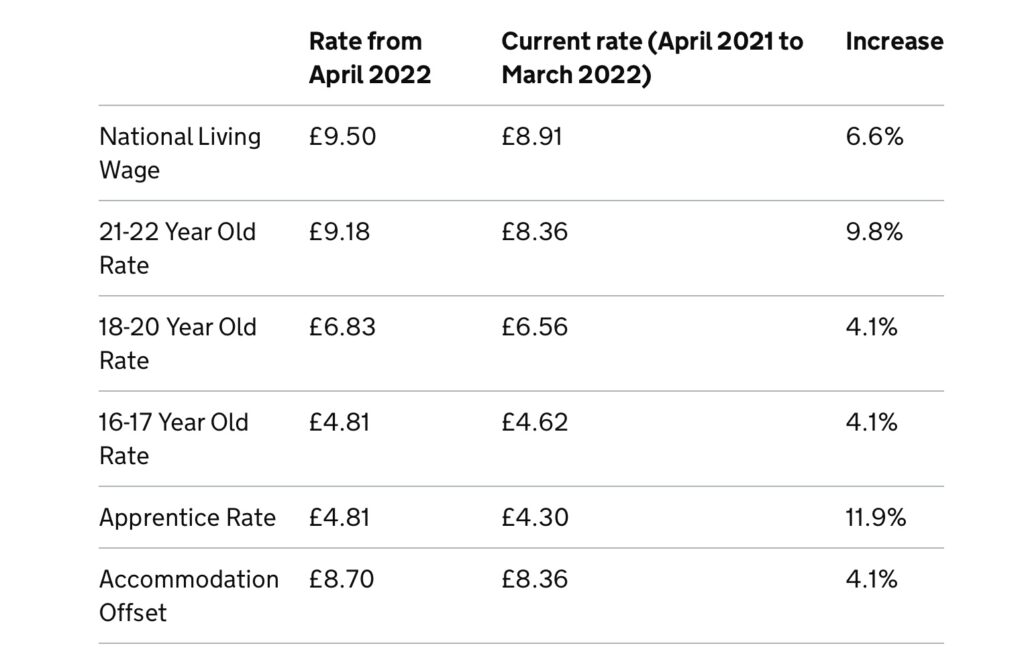
The current statutory rates are as follows:
- National Living Wage (21 and over): £11.44 per hour
- 18 to 20 Year Old Rate: £8.60 per hour
- Under 18 Rate: £6.40 per hour
- Apprentice Rate: £6.40 per hour
The jump to £11.44 for those aged 21 and over represents a significant percentage increase from previous years. For a full-time worker on a 37.5-hour week, this equates to an annual gross salary of approximately £22,308. While this is a milestone for low-income earners, it places a new set of pressures on the financial health of small-to-medium enterprises (SMEs).
The Apprentice Rate Nuance
The apprentice rate applies to those aged 19 or under, or those 19 and over who are in the first year of their apprenticeship. Once an apprentice completes their first year and is aged 19 or older, they are entitled to the full minimum wage for their specific age group. This structure is designed to support the vocational education system by making it financially viable for companies to invest in the long-term development of skilled tradespeople.
The Impact on Small Businesses and Corporate Finance
For business owners, the minimum wage is not just a social policy; it is a major line item in the profit and loss statement. When the government increases the NLW, it triggers a ripple effect throughout the entire corporate hierarchy.
Budgeting for Increased Payroll Costs
When the statutory floor rises, businesses must account for more than just the raw hourly increase. Employers must also factor in higher National Insurance contributions and increased pension auto-enrolment costs. For a service-based business—such as a café, a retail shop, or a cleaning company—labor is often the highest overhead. A 10% increase in the minimum wage can significantly erode profit margins if it is not countered by price increases or operational efficiencies.
Furthermore, many businesses face the challenge of “wage compression.” If the minimum wage rises but the pay for supervisors and managers remains stagnant, the pay gap between entry-level and mid-level roles narrows. This can lead to decreased morale among experienced staff, often forcing companies to raise salaries across the board to maintain a logical internal pay structure.
Compliance and Penalties for Underpayment
The HM Revenue & Customs (HMRC) is the body responsible for enforcing minimum wage laws. Compliance is not optional, and the penalties for “naming and shaming” are severe. Employers who fail to pay the correct rate can be fined up to 200% of the arrears (up to a maximum of £20,000 per worker).
Beyond the financial fines, the reputational damage of being labeled a non-compliant employer can be catastrophic. In an era of social media and transparent brand identities, being flagged for underpaying staff can lead to consumer boycotts and difficulty in recruiting future talent. Modern financial tools and automated payroll software are now essential for ensuring that every hour worked, including overtime and travel time, is correctly compensated according to the worker’s age and status.
Personal Finance and the Cost of Living
From the perspective of the employee, the minimum wage is the primary tool for financial survival. However, the “headline” figure of £11.44 per hour does not tell the full story of a worker’s purchasing power.
Purchasing Power in a High-Inflation Environment
While the minimum wage has risen, the real-world value of that money is dictated by inflation. When the price of basic commodities increases faster than the statutory wage, workers experience “real wage stagnation.” Personal finance management becomes a game of margins. For many workers in Great Britain, the increase in the NLW is immediately absorbed by rising rents and utility bills, leaving little room for discretionary spending or long-term investing.
The Tax and Benefit Interaction
The interaction between the minimum wage and the tax system is a critical area of personal finance. In the UK, the Personal Allowance—the amount you can earn before paying Income Tax—is currently frozen at £12,570. As the minimum wage rises, more of a low-income worker’s earnings fall into the 20% tax bracket.
Additionally, many minimum-wage earners rely on Universal Credit to supplement their income. The UK’s “taper rate” means that as an individual earns more from their job, their benefit payments are reduced. This can create a “hidden tax” effect where a worker only keeps a small fraction of every extra pound earned. For those looking to optimize their personal finances, understanding these thresholds is vital for deciding whether to take on extra shifts or seek promotions.
Future Outlook and Economic Implications
The debate over the minimum wage in Great Britain is far from over. Economists and policymakers are constantly weighing the benefits of higher wages against the risks of fueling inflation or increasing unemployment.
The Role of the Low Pay Commission
The Low Pay Commission (LPC) is an independent body that advises the government on where the wage floor should be set. Their goal is to reach a “leading” rate that is high enough to eliminate low pay without causing significant job losses. The current government target is for the National Living Wage to equal two-thirds of median earnings. As we approach this target, the LPC’s research becomes increasingly granular, looking at how different sectors—such as social care and hospitality—are coping with the upward pressure on costs.
Shifts Toward a “Real Living Wage”
It is important to note the difference between the statutory minimum and the voluntary “Real Living Wage.” The Real Living Wage is a rate calculated by the Living Wage Foundation based on what people actually need to live. It is usually higher than the government’s NLW and varies between London and the rest of the UK.
Many high-profile brands and corporations are now choosing to pay the Real Living Wage as a part of their Corporate Social Responsibility (CSR) strategy. From a brand strategy perspective, this positions the company as an ethical employer, which can improve staff retention and attract a more conscientious customer base. For the worker, the difference between the statutory £11.44 and a Real Living Wage of £12.00 or £13.15 (in London) can amount to thousands of pounds over a year, drastically altering their financial trajectory.
As Great Britain continues to navigate its post-Brexit economic landscape, the minimum wage will remain a central pillar of its financial policy. For the individual, it defines the baseline of their economic value. For the business, it represents a commitment to the workforce that must be balanced with fiscal sustainability. Staying informed about these changes is not just a matter of legal compliance; it is the foundation of sound financial planning in the modern British economy.
aViewFromTheCave is a participant in the Amazon Services LLC Associates Program, an affiliate advertising program designed to provide a means for sites to earn advertising fees by advertising and linking to Amazon.com. Amazon, the Amazon logo, AmazonSupply, and the AmazonSupply logo are trademarks of Amazon.com, Inc. or its affiliates. As an Amazon Associate we earn affiliate commissions from qualifying purchases.