
In an increasingly digital world, subscription services have become a ubiquitous part of our financial landscape. From streaming entertainment to productivity tools, consumers are constantly evaluating the utility and cost of these recurring expenses. Among the most prominent of these is Amazon Prime, a membership program that has redefined online shopping and digital convenience for millions worldwide. But amidst the myriad benefits and evolving features, a fundamental question remains for many: exactly “what is the membership fee for Amazon Prime,” and perhaps more importantly, is it truly worth the investment?
Understanding the Amazon Prime membership fee goes beyond simply knowing a number. It involves a deeper dive into its pricing structure, the array of benefits it unlocks, and a personal financial assessment of its value proposition against individual spending habits and needs. This article aims to provide a comprehensive financial guide to Amazon Prime, helping consumers make an informed decision about whether this subscription aligns with their personal finance goals.
Unpacking the Current Amazon Prime Membership Costs
Amazon Prime’s pricing structure is designed to offer flexibility, catering to different financial preferences and circumstances. However, like many long-standing subscription services, its cost has evolved over the years, reflecting market dynamics, inflation, and the continuous expansion of its service offerings.
Annual vs. Monthly Payment Options
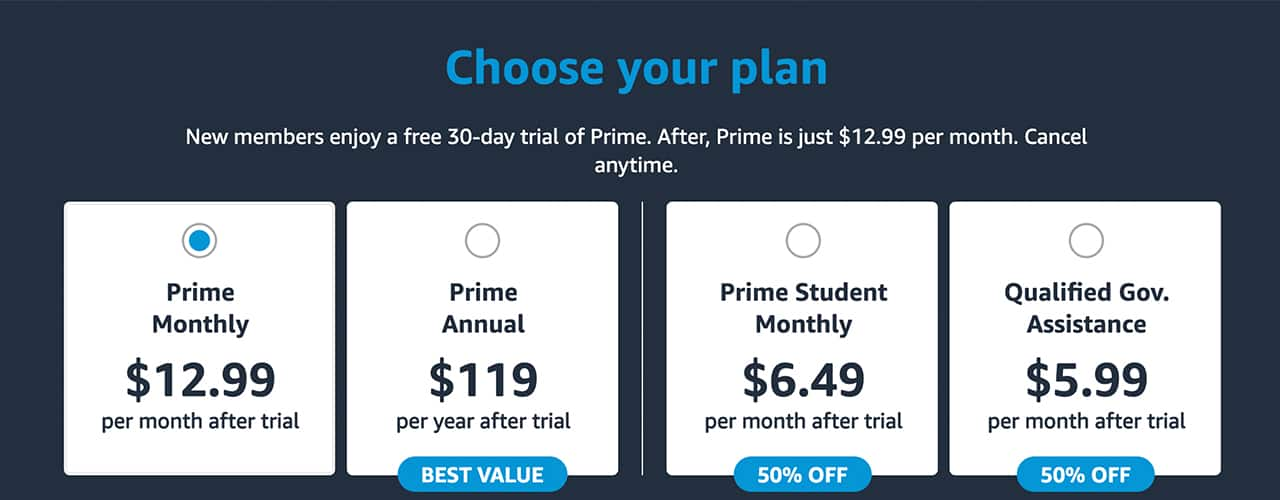
The primary choice for most potential and existing Prime members lies between an annual lump-sum payment and a recurring monthly fee. As of the most recent updates, the standard pricing typically stands as follows:
-
Annual Membership: This is often the most cost-effective option for long-term users. Paying annually offers a significant discount compared to paying month-to-month over a year. Historically, this has been the preferred method for Amazon to encourage commitment and reduce administrative overhead associated with monthly billing. For example, if the monthly fee is $14.99, the annual fee might be around $139, representing a saving of over $40 per year. This structure is a classic financial incentive: pay more upfront, save in the long run.
-
Monthly Membership: For those who prefer greater flexibility, or who are unsure about their long-term usage, the monthly option allows members to subscribe and cancel without being tied down by an annual commitment. While this provides budgetary agility, it comes at a higher cumulative cost over a year. It’s an excellent choice for individuals who might only need Prime for specific periods, such as during holiday shopping seasons or for a particular streaming series. From a personal finance perspective, it helps manage cash flow for those on tight budgets, even if the total cost is higher.
It’s crucial for consumers to compare these two options directly with their anticipated usage. If you find yourself consistently using Prime services for nine months or more out of the year, the annual plan almost always presents a superior financial return.
Student and Qualifying Government Assistance Discounts
Amazon recognizes the varying financial capacities of different demographics and offers discounted rates to make Prime more accessible. These programs are not just goodwill gestures; they are strategic moves to capture market share among younger generations and provide essential services to those who might benefit most from the cost savings Prime offers.
-
Prime Student: For eligible college students, Amazon provides a significantly reduced membership fee, often at half the standard annual price. This discount typically includes a generous free trial period, allowing students to experience the benefits without immediate financial commitment. This initiative is a smart long-term investment for Amazon, as it cultivates brand loyalty among a demographic that will soon enter the workforce with greater disposable income. From a student’s financial perspective, this is an invaluable saving, making express shipping, study-break entertainment, and exclusive deals more affordable. Verification of student status, usually through an academic email address, is required.
-
Qualifying Government Assistance: Amazon also extends a reduced monthly Prime membership fee to individuals who receive qualifying government assistance, such as EBT or Medicaid. This program aims to bridge the digital divide and provide essential services, including free shipping on everyday necessities, to underserved communities. This not only offers significant savings for these households but also enhances access to goods and services that might otherwise be difficult to obtain due to transportation barriers or geographical limitations. The financial impact here is substantial, turning what could be a luxury into a tool for economic access and efficiency.
These discounted programs underscore the importance of exploring all available options before committing to a standard membership. A quick check of eligibility could lead to substantial annual savings.
The Cost Evolution of Amazon Prime
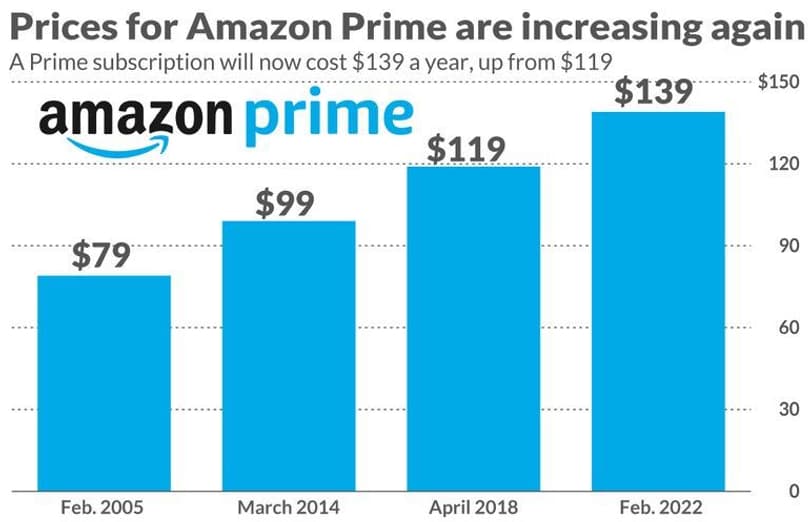
The price of Amazon Prime has not been static. Since its inception in 2005 at $79 per year, the fee has seen several increases, most notably to $99, then $119, and currently to $139 for the annual plan in the US. These increases are generally attributed to the escalating costs of operating Amazon’s vast logistics network, the expansion of its digital content library (Prime Video, Music, Reading), and investment in new member benefits. For a financially savvy consumer, understanding this history is key. It indicates that the price is subject to change, and future increases are always a possibility. This necessitates a periodic re-evaluation of the membership’s value, ensuring it continues to align with personal financial strategies.
Beyond the Fee: Understanding the Value Proposition
Simply knowing the fee tells only half the story. The true financial assessment of Amazon Prime lies in understanding the immense bundle of services it provides and evaluating whether these services genuinely offer monetary value that offsets or surpasses the membership cost for you.
Core Benefits and Their Monetary Equivalents
Amazon Prime is not just about free two-day shipping; it’s an ecosystem of benefits, each of which could, in theory, be purchased separately.
-
Expedited Shipping: This is arguably Prime’s flagship benefit. The ability to receive millions of items with free two-day, one-day, or even same-day shipping is a significant convenience. If you frequently order online, the shipping costs quickly add up. A single two-day delivery often costs $5-$10 for non-Prime members. If you place more than 10-15 orders a year, the shipping savings alone could easily cover a substantial portion of the annual membership fee. For small businesses or individuals who rely on frequent online purchases, the efficiency and cost avoidance are paramount.
-
Prime Video: Included with membership, Prime Video offers a vast library of movies, TV shows, and Amazon Originals. A standalone streaming service of this caliber typically costs anywhere from $7 to $15 per month. If Prime Video replaces another streaming subscription in your household, it represents a direct saving. Even if it supplements another, its entertainment value contributes significantly to the overall perceived worth.
-
Amazon Music Prime: This service provides ad-free access to millions of songs and thousands of stations and playlists. While not as extensive as Amazon Music Unlimited or Spotify Premium, a basic ad-free music subscription usually costs around $10 per month. For casual listeners, this is a tangible benefit that offsets costs.
-
Prime Reading: Access to a rotating selection of ebooks, magazines, and comics. While not a full replacement for Kindle Unlimited ($9.99/month), it offers enough content to satisfy many readers and provides value for those who enjoy digital reading.
-
Amazon Photos: Unlimited full-resolution photo storage and 5 GB of video storage. Cloud storage services can range from a few dollars to tens of dollars per month depending on capacity. For anyone concerned about photo backup, this is a valuable inclusion.
-
Prime Gaming (formerly Twitch Prime): Free games, exclusive in-game content, and a free monthly Twitch channel subscription. For avid gamers, this can easily equate to $5-$15 in monthly value.
By assigning a rough monetary equivalent to each of these services that you would otherwise pay for or forgo, you can begin to quantify the true financial benefit of Prime.
Hidden Perks and Exclusive Deals
Beyond the core services, Prime members gain access to several less-advertised but potentially valuable perks:
-
Prime Day: An annual shopping event exclusively for Prime members, offering deep discounts across various product categories. For those who time their larger purchases, the savings on Prime Day alone could potentially offset the annual fee. It’s a strategic opportunity for budgeting and planned expenditures.
-
Whole Foods Market Discounts: Prime members receive exclusive savings and 5% back on select items at Whole Foods Market, a significant benefit for regular shoppers at this grocery chain. These recurring savings can add up substantially over a year.
-
Prescription Savings: Amazon Pharmacy offers exclusive discounts for Prime members on generic and brand-name medications, which can lead to substantial savings for individuals with regular prescription needs.
-
Prime Try Before You Buy: Allows members to try on clothes at home before purchasing, reducing the risk of buying ill-fitting items and the hassle of returns. While not a direct monetary saving, it saves time and frustration, which has an indirect financial value.
These “hidden” benefits require active engagement and awareness but can significantly enhance the overall financial return on a Prime membership.
Assessing Personal Value: Is Prime Worth It for You?
The ultimate question of “worth” is subjective and tied directly to individual consumption patterns. A person who orders online frequently, streams movies regularly, and uses Amazon Music will likely find Prime an indispensable and cost-effective service. Conversely, someone who rarely shops online, uses other streaming services, and isn’t interested in the ancillary benefits might find the fee an unnecessary expenditure.
To assess personal value, consider:
-
Your typical annual online spending and shipping frequency.
-
How many of Prime’s digital services (Video, Music, Reading, Photos) you would genuinely use and if they replace other paid subscriptions.
-
Your interest in exclusive deals like Prime Day or Whole Foods discounts.
A simple tally of estimated savings from shipping and the “replacement value” of digital services can provide a clear financial picture.
Strategic Financial Considerations Before Subscribing
Before clicking “subscribe,” a financially prudent individual considers the bigger picture. A subscription service, no matter how feature-rich, is still an outgoing expense that needs to be factored into a personal budget.
Budgeting for Digital Subscriptions
In an era saturated with subscription models, “subscription creep” is a real phenomenon where numerous small monthly fees accumulate into a significant drain on finances. When considering Amazon Prime, it’s essential to view it within the context of all your digital subscriptions.
-
Audit Your Subscriptions: Regularly review all your recurring monthly and annual charges. Are you paying for streaming services you rarely watch? Gym memberships you don’t use? Identifying and eliminating redundant or unused subscriptions can free up funds for more valuable ones like Prime, or simply reduce overall expenses.
-
Allocate a “Digital Entertainment/Convenience” Budget: Set a specific monthly or annual budget for all your digital services. This helps in making conscious choices about which subscriptions truly add value and which can be cut. Amazon Prime, given its comprehensive nature, often becomes a cornerstone of this budget.
Maximizing Your Prime Membership to Offset Costs
Once subscribed, the goal should be to extract maximum value. This means actively using the benefits to reduce other expenditures.
-
Consolidate Shopping: If you frequently buy items from various online retailers, consider if Amazon can meet those needs with Prime shipping. The convenience and cost-savings on shipping can be significant.
-
Utilize Prime Video/Music First: Before subscribing to another streaming or music service, check if Prime Video or Music Prime already offers what you’re looking for. This prevents redundant spending.
-
Take Advantage of Member-Exclusive Deals: Keep an eye out for Prime-exclusive sales, especially around events like Prime Day, Black Friday, and Cyber Monday. Strategic purchasing during these times can lead to substantial savings on items you would have bought anyway.
-
Share Benefits (where applicable): Amazon allows household members to share some Prime benefits, such as shipping and streaming, at no extra cost. This multiplies the value for a multi-person household without increasing the fee.
Alternative Savings Without Prime
For those who decide Prime isn’t a good fit, there are still ways to save on Amazon and elsewhere:
-
Free Shipping Thresholds: Amazon offers free standard shipping on eligible orders above a certain amount for non-Prime members. Consolidating purchases to meet this threshold can eliminate shipping fees without a subscription.
-
Amazon Day Delivery: For non-urgent items, choosing “Amazon Day” delivery (delivering all your items on a specific day of the week) can sometimes offer promotional credits even for Prime members, and it often comes with free shipping for non-Prime members on eligible orders.
-
CamelCamelCamel/Keepa: Utilize price tracking websites to monitor Amazon product prices and buy when they are at their lowest, regardless of Prime status.
-
Local Shopping & Other Retailers: Explore local stores or other online retailers that offer competitive pricing and free shipping options that don’t require a subscription.
Making an Informed Decision: A Financial Checklist
Ultimately, the decision to subscribe to Amazon Prime is a personal financial one. It requires careful consideration of your spending habits, needs, and the overall financial picture.
Calculating Your Potential Savings
Before committing, take a few minutes to perform a simple calculation:
-
Estimate Annual Shipping Costs: How much would you typically pay in shipping fees if you ordered the same number of items from Amazon without Prime?
-
Value of Replaced Services: If Prime Video replaces a $10/month streaming service, that’s $120 saved annually. If Prime Music replaces a $5/month music service, that’s another $60.
-
Anticipated Discounts: How much do you realistically expect to save from Prime Day or Whole Foods discounts?
-
Compare to Fee: Sum up your estimated savings and compare it directly to the annual Prime membership fee. If your estimated savings significantly outweigh the fee, Prime is likely a financially sound choice.
The Opportunity Cost of Subscription Services
Every dollar spent on a subscription service is a dollar that cannot be spent or saved elsewhere. Consider the opportunity cost. Could that $139 annual fee be better spent on:
-
Contributing to an emergency fund?
-
Investing in a retirement account?
-
Paying down high-interest debt?
-
Funding a personal development course?
For some, the convenience and entertainment value of Prime might outweigh these alternatives. For others, particularly those on a tight budget or aggressively pursuing financial goals, the opportunity cost might be too high.

Trial Periods and Cancellation Policies
Amazon offers a 30-day free trial for new Prime members. This is an invaluable financial tool. Use the trial period to:
-
Actively test all the services: Order items, stream videos, use Prime Music.
-
Monitor your usage: Keep a mental (or actual) tally of how often you use each benefit.
-
Evaluate the convenience: Does the faster shipping truly make a difference in your life?
If, by the end of the trial, you find yourself underutilizing the services, remember Amazon’s cancellation policy. It’s generally straightforward to cancel, ensuring you don’t incur charges for a service you don’t value. Even if you’ve paid for a full year, Amazon may offer a pro-rata refund for the unused portion of your membership if you haven’t used many benefits. Always check the specific terms at the time of cancellation.
In conclusion, the Amazon Prime membership fee, while a tangible expense, opens the door to a vast ecosystem of convenience and entertainment. The question isn’t just “what is the fee,” but “what financial value does it provide to me?” By thoroughly understanding its pricing, comprehensively evaluating its benefits against your lifestyle, and applying sound personal finance principles, you can confidently decide whether Amazon Prime is a wise financial investment for your household.
aViewFromTheCave is a participant in the Amazon Services LLC Associates Program, an affiliate advertising program designed to provide a means for sites to earn advertising fees by advertising and linking to Amazon.com. Amazon, the Amazon logo, AmazonSupply, and the AmazonSupply logo are trademarks of Amazon.com, Inc. or its affiliates. As an Amazon Associate we earn affiliate commissions from qualifying purchases.