
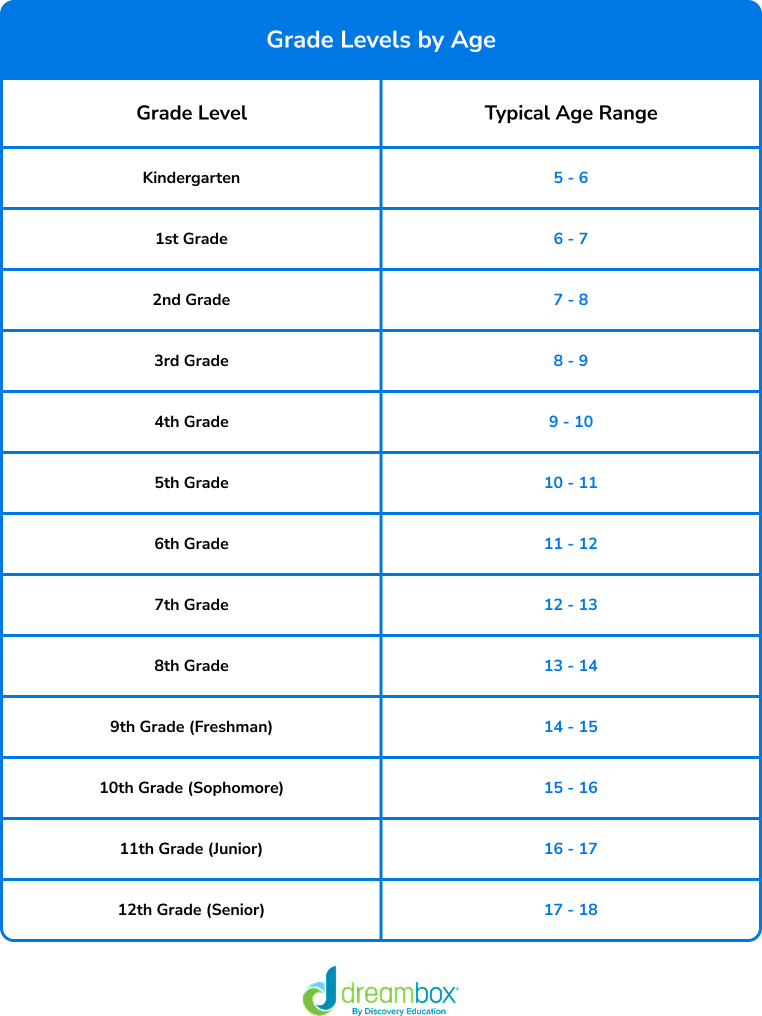
Understanding the demographic makeup of different age groups is far more than a simple statistical exercise; it holds profound financial implications across personal budgeting, investment strategies, market analysis, and even long-term economic forecasting. The question “what age are 6th graders” might seem straightforward, but delving into this specific cohort reveals a wealth of financial considerations for families navigating the complexities of adolescence, businesses aiming to capture an evolving market, and investors seeking insights into future trends. Typically, 6th graders fall within the 11 to 12-year-old age bracket, a pivotal period marked by significant developmental shifts, emerging independence, and increasing influence on household spending, all of which resonate deeply within the realm of money.
This article will explore the financial dimensions associated with this age group, from the immediate challenges and opportunities for families to the broader economic impacts that shape markets and inform strategic financial decisions.
The Core Demographic: Defining the 6th Grade Window
To fully grasp the financial reverberations of this age group, it’s essential to precisely define who 6th graders are and what developmental stage they represent. This foundational understanding allows for a more nuanced application of financial principles.
Typical Age Range and Grade Level Progression
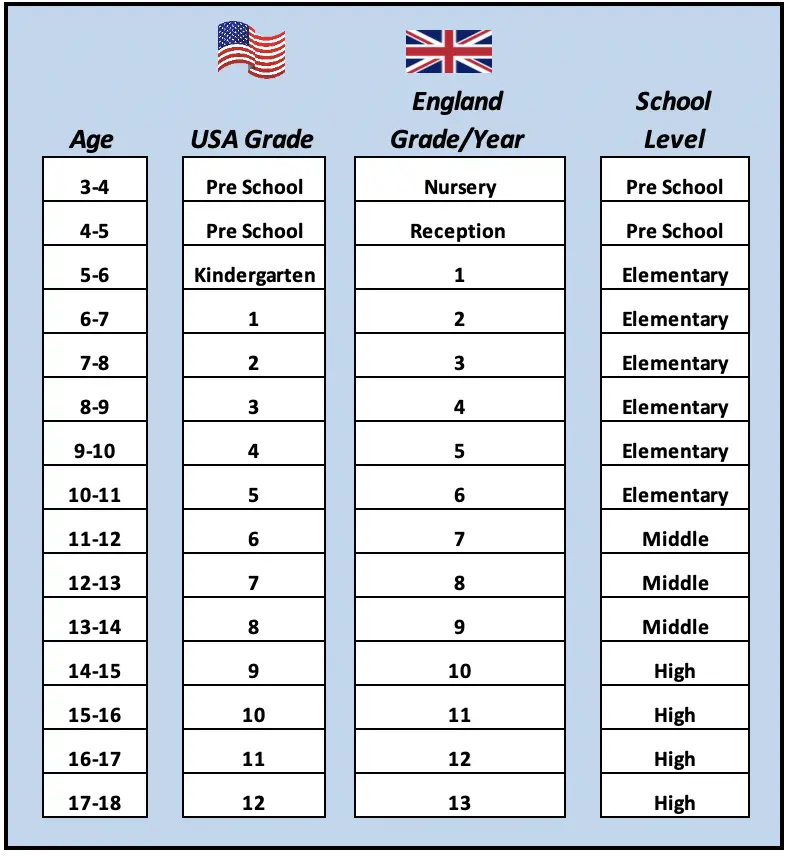
In most educational systems in the United States and many other Western countries, students entering 6th grade are typically between 11 and 12 years old. This age range usually signifies their transition from elementary school into middle school, a period of heightened social, emotional, and cognitive development. While minor variations exist based on birthdate cutoffs and individual advancement, this 11-12 year-old window serves as a reliable benchmark for demographic analysis. The shift to middle school often means new routines, increased academic demands, and exposure to a wider array of extracurricular activities, each carrying its own financial implications.
Beyond the Numbers: Developmental Milestones and Consumer Behavior Potential
Beyond merely knowing their age, understanding the developmental stage of 6th graders is crucial for financial analysis. At this age, children are moving beyond concrete thinking towards more abstract reasoning, developing a stronger sense of self, and becoming more peer-influenced. They begin to form their own opinions on brands, fashion, technology, and entertainment. This burgeoning independence translates into a more active role in consumer choices. While parents remain the primary decision-makers and financial gatekeepers, 6th graders increasingly express preferences for specific clothing, gadgets, games, and social experiences. This influence, though indirect for many purchases, is a significant factor for families’ discretionary spending and a key consideration for businesses targeting this demographic or their parents.
Navigating Family Finances: Planning for the Pre-Teen Years and Beyond
For families, having a 6th grader signals a distinct phase in their financial journey. This age group presents both immediate budgeting considerations and long-term planning challenges, requiring a flexible yet strategic approach to managing household resources.
Budgeting for the Evolving Needs of 6th Graders
The transition into middle school brings a wave of new expenses that can significantly impact a family’s budget. School supplies become more specialized and often more expensive (e.g., graphing calculators, specific art materials). Extracurricular activities, from competitive sports leagues to advanced music lessons or specialized clubs, often involve higher fees, equipment costs, and transportation expenses. Social activities, too, begin to demand a share of the budget, as 6th graders desire to participate in outings with friends, attend events, or purchase items seen as status symbols among their peers. Furthermore, clothing preferences shift dramatically from practical children’s wear to more trend-driven, branded apparel, often at higher price points. Parents must re-evaluate and adjust their budget allocations to accommodate these evolving needs, distinguishing between essential expenditures and discretionary spending, and engaging their children in these discussions.
The Long View: Education Savings and Future Financial Milestones
While 6th grade might seem a long way from college, this age is a critical juncture for reinforcing long-term financial planning, particularly regarding education savings. With approximately six years remaining until potential college enrollment, families should be actively reviewing and bolstering their 529 plans or other education savings vehicles. Understanding the current pace of savings relative to projected future costs becomes paramount. This period is also ideal for discussing broader financial milestones with children, such as the concept of higher education costs, career aspirations, and the financial implications of those choices. It’s a crucial window to solidify a financial strategy that encompasses not just immediate needs but also aspirations for future academic and professional development.
Balancing Wants vs. Needs: Teaching Fiscal Responsibility
The 11-12 age range is an opportune time to introduce and reinforce fundamental financial literacy concepts. As 6th graders become more aware of money and express more “wants,” parents have a unique opportunity to teach the difference between needs and wants, the value of money, and the principles of budgeting and saving. Providing an allowance, tied perhaps to chores or responsibilities, can serve as a practical tool for learning. This allows children to experience managing their own small budget, making choices about spending versus saving, and understanding the consequences of their financial decisions. Discussions about family budgeting, comparison shopping, and the true cost of items (including opportunity cost) can instill valuable financial habits that will serve them well into adulthood. This proactive education is an investment in their future financial well-being.
The 6th Grader Market: Opportunities for Businesses and Investors
For businesses and investors, understanding the 6th grade demographic is key to unlocking potential growth areas. This age group, and by extension their parents, represents a dynamic market segment with evolving preferences and significant purchasing power.
EdTech and Educational Services: Targeting a Growing Niche
The move to middle school often coincides with a greater demand for supplemental educational resources, making the EdTech sector particularly relevant. Companies developing educational apps, online tutoring services, coding bootcamps, or specialized learning tools for 11-12 year olds find a ready market in parents seeking to support their child’s academic success and skill development. Investors keen on the education market must analyze platforms and services that effectively cater to the learning styles and curriculum requirements of this specific age group, assessing their scalability and market penetration. The investment in academic enrichment for this age group often signifies a parent’s longer-term commitment to their child’s educational future.
Consumer Goods and Lifestyle Brands: Tapping into Emerging Preferences
Sixth graders are at an age where their personal identity begins to solidify, heavily influenced by media, peers, and popular culture. This makes them, or more accurately, their parents, a target for various consumer goods and lifestyle brands. Fashion, gaming, electronics (e.g., first smartphones, tablets), books, streaming services, and experiential products (e.g., themed parties, trips) all find a receptive audience. Businesses must develop marketing strategies that resonate with both the child’s evolving desires for individuality and social acceptance, and the parent’s concerns about value, safety, and appropriateness. Investors monitor trends in these sectors, looking for companies that demonstrate an acute understanding of this demographic’s wants, while also appreciating the purchasing power and decision-making role of the parent.
Strategic Marketing to Parents: The Gatekeepers of Family Spending
While 6th graders have increasing influence, parents remain the ultimate financial decision-makers. Therefore, businesses marketing to this demographic must employ dual-pronged strategies: creating products and experiences appealing to the child, and messaging that assures parents of value, safety, educational benefit, or social advantage. This often involves highlighting durability, educational content, positive social impact, or financial prudence. Brands that understand the parental mindset – their desire to provide opportunities, ensure safety, and manage budgets – are more likely to succeed. Investors evaluate companies not only on their product innovation but also on their ability to effectively communicate value and build trust with the gatekeepers of household finance.
Laying the Foundation: Financial Literacy Education for Middle Schoolers
Beyond personal family budgeting, the 6th grade period is increasingly recognized as a vital time for formal financial literacy education, yielding significant long-term societal and economic benefits.
Why 6th Grade is a Pivotal Age for Money Lessons
The cognitive development of 11-12 year olds makes them particularly receptive to learning about financial concepts. They are capable of understanding cause and effect, basic economic principles, and future planning in a more sophisticated way than younger children. Introducing concepts like saving, budgeting, credit (in a simplified context), and the difference between assets and liabilities at this age can lay a strong foundation for responsible financial behavior in adolescence and adulthood. Waiting until high school might be too late for some, as habits are often formed earlier. Equipping 6th graders with these tools empowers them to make smarter choices as they gain more independence and encounter more complex financial decisions.
Practical Approaches to Teaching Financial Concepts
Effective financial literacy for 6th graders extends beyond theoretical classroom lessons. It thrives through practical, hands-on experiences. This can include using real-world examples in math classes, participating in school-based enterprises, engaging in community service projects with fundraising components, or utilizing interactive online games and simulations. Schools and educational institutions, sometimes with corporate sponsorship, are increasingly integrating programs that teach about earning, spending, saving, investing, and giving. The focus is on relatable scenarios that connect financial decisions to immediate outcomes, making the lessons tangible and impactful for young minds.
Empowering Future Generations: The Societal and Economic Impact
Investing in financial literacy for 6th graders is an investment in the economic future of a nation. Individuals who are financially literate are more likely to save for retirement, avoid crippling debt, make informed investment decisions, and contribute positively to the economy. By empowering this generation with strong financial skills, society cultivates a more financially stable populace, reducing reliance on social safety nets and fostering greater economic participation. From a broader economic perspective, a financially savvy populace fuels a more robust consumer market, supports responsible lending, and drives sustainable economic growth.
Broader Economic Implications: Policy, Investment, and Future Workforce
The demographic profile of 6th graders also casts a long shadow over broader economic policies, investment strategies, and the shape of the future workforce. Understanding the current population of 11-12 year olds provides valuable insights for long-range planning.
Government Spending and Educational Funding Models
Government entities at local, state, and federal levels heavily rely on demographic data, including the number of 6th graders, to project future needs for educational funding. School infrastructure, teacher recruitment, curriculum development, and special programs are all influenced by the size of this cohort. Financial policy decisions, such as bond issues for school construction or adjustments to per-pupil funding formulas, are directly tied to these demographic projections. Investors in municipal bonds or educational infrastructure projects will closely monitor these trends, as they directly impact the viability and repayment schedules of their investments.
Workforce Development and Long-Term Economic Outlook
Today’s 6th graders are tomorrow’s workforce. Projecting the size and educational needs of this cohort helps economists and policymakers anticipate future labor market trends, skill gaps, and social security demands. A large cohort of 6th graders suggests a potentially larger future workforce, but also a greater need for investment in education and vocational training to ensure they are adequately prepared for the jobs of the future. Conversely, a smaller cohort might signal future labor shortages and a greater dependency ratio, influencing immigration policies, retirement planning, and economic growth forecasts decades down the line. These long-term analyses are crucial for shaping macroeconomic strategies and allocating national resources effectively.

Identifying Investment Trends Linked to Demographic Shifts
Savvy investors look beyond current market fads, often focusing on long-term demographic shifts to identify enduring investment opportunities. The “age of 6th graders” serves as a bellwether for industries that cater to the next wave of consumers, homeowners, and retirees. For instance, a growing cohort of 6th graders could signal future demand for housing (in 10-15 years), for specific types of consumer goods (as they enter their peak earning years), or for retirement planning services (in 50-60 years). Capital markets are constantly re-evaluating sectors like real estate, healthcare, education, and consumer discretionary goods based on these population dynamics, making demographic analysis a cornerstone of sophisticated investment strategies.
In conclusion, the seemingly simple question of “what age are 6th graders” unlocks a multifaceted exploration of financial dynamics. From guiding family budgeting and savings plans to informing strategic business investments, shaping educational policy, and forecasting long-term economic trends, the 11-12 year-old demographic is a crucial piece of the financial puzzle. Understanding and strategically responding to the unique financial implications of this age group is not just prudent; it’s essential for sustainable personal prosperity, business growth, and national economic health.
aViewFromTheCave is a participant in the Amazon Services LLC Associates Program, an affiliate advertising program designed to provide a means for sites to earn advertising fees by advertising and linking to Amazon.com. Amazon, the Amazon logo, AmazonSupply, and the AmazonSupply logo are trademarks of Amazon.com, Inc. or its affiliates. As an Amazon Associate we earn affiliate commissions from qualifying purchases.