
Understanding the specifications of audio equipment is crucial for anyone looking to build, upgrade, or simply appreciate a sound system. Among the myriad of terms and acronyms, “RMS” stands out as one of the most significant, particularly when discussing speakers and amplifiers. Far from being a mere technical detail, RMS power is the most reliable indicator of a speaker’s continuous power handling capability and an amplifier’s continuous power output. Grasping its meaning is fundamental to achieving optimal sound quality, ensuring equipment longevity, and making informed purchasing decisions in the vast world of audio technology.
Demystifying Speaker Power Ratings
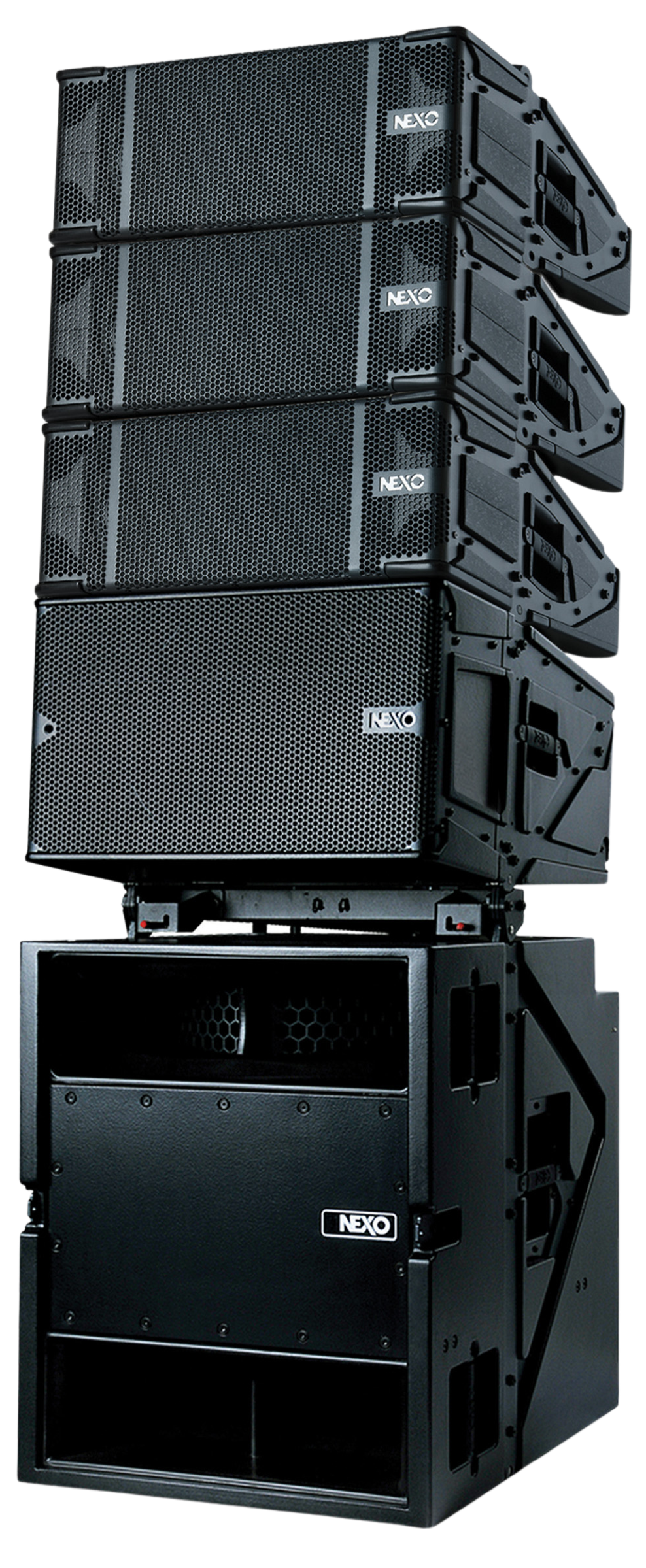
The world of speaker specifications can often seem deliberately confusing, with various power ratings thrown around. However, one term unequivocally reigns supreme for its practical significance: RMS. To truly appreciate RMS, it’s essential to understand it in contrast to other, less reliable figures.
Peak Power vs. RMS Power
Many speaker and amplifier manufacturers advertise “peak power” or “PMPO” (Peak Music Power Output) figures, which are often considerably higher than RMS ratings. Peak power refers to the maximum power a speaker can handle for an extremely brief instant, often milliseconds, without suffering immediate damage. It represents a momentary surge capability rather than a sustained performance metric. PMPO, on the other hand, is an even more ambiguous and often misleading term, frequently derived from highly unrealistic test conditions and offering little to no practical value for understanding a component’s real-world performance. These figures are primarily marketing tools, designed to make a product appear more powerful than it genuinely is.
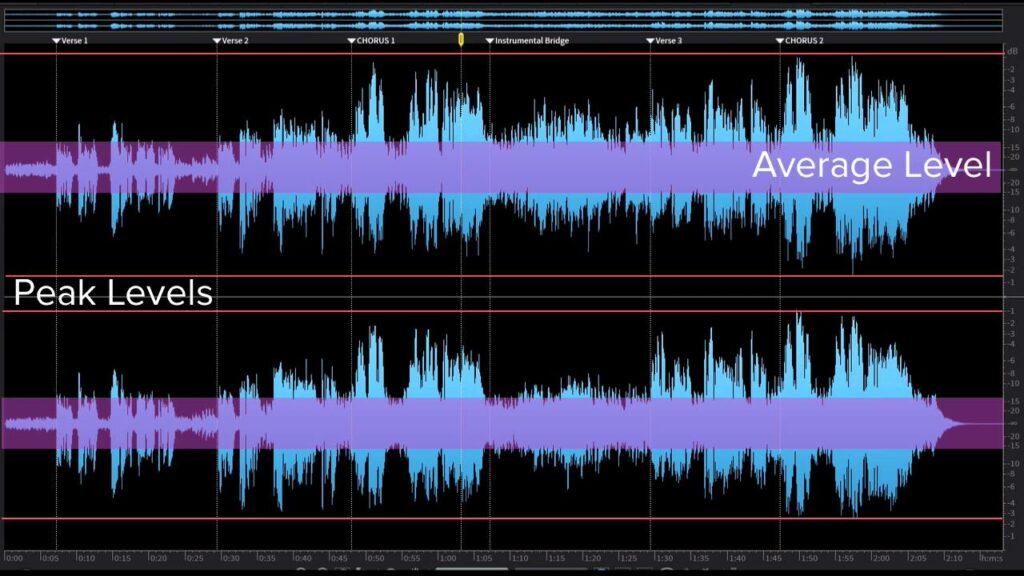
In stark contrast, RMS, which stands for Root Mean Square, provides a measurement of the continuous power that a speaker can handle or an amplifier can produce over an extended period without distortion or damage. It’s a calculation that reflects the average power dissipation, accounting for the varying nature of an audio signal. While music signals are dynamic and fluctuate, the RMS rating effectively translates this variability into an equivalent continuous DC power that would produce the same heating effect in a resistive load. This makes RMS the gold standard for evaluating real-world performance and durability.
Why RMS is the Critical Metric
The reason RMS is the critical metric boils down to physics and practical application. Speakers convert electrical energy into mechanical energy (sound waves) and, inevitably, a significant portion of this energy is dissipated as heat. If a speaker is consistently fed more power than its RMS rating, its voice coil will overheat. This can lead to various forms of damage, including melting the voice coil adhesive, deforming the voice coil former, or even physically burning out the coil itself.
An amplifier’s RMS power output tells you how much continuous power it can deliver into a specified load (impedance). Matching an amplifier’s RMS output to a speaker’s RMS power handling capability is paramount. An amplifier with an RMS output significantly lower than a speaker’s RMS handling might lead to underpowering, which can cause clipping (distortion) in the amplifier, sending harmful square waves to the speaker. Conversely, an amplifier with a much higher RMS output than the speaker’s handling capacity risks overdriving the speaker and causing thermal or mechanical failure. Therefore, RMS provides the critical bridge between these two components, ensuring compatibility, reliability, and optimal sound reproduction.
The Technical Heart of RMS
To truly appreciate the significance of RMS in audio, it’s beneficial to delve into its mathematical and electrical underpinnings. It’s not just a number; it’s a representation rooted in fundamental principles of alternating current (AC) power.
Root Mean Square: A Mathematical Overview
RMS is a statistical measure of the magnitude of a varying quantity. For an electrical current or voltage, the RMS value is equivalent to the DC current or voltage that would produce the same heating effect in a resistive load. Since audio signals are alternating currents that constantly change in magnitude and direction, a simple average would yield zero over a full cycle. RMS elegantly overcomes this by first squaring the values (making them all positive), then averaging these squared values (the ‘mean’ part), and finally taking the square root of that average (the ‘root’ part). This mathematical process provides a meaningful, non-zero average that accurately reflects the signal’s power delivery capability.
Mathematically, for a continuous function $f(t)$ over a period $T$, the RMS value is defined as:
$V{RMS} = sqrt{frac{1}{T} int{0}^{T} [f(t)]^2 dt}$
For a sinusoidal waveform, which is a common simplification in AC circuit analysis (though music is far more complex), the RMS value is equal to the peak value divided by $sqrt{2}$ (approximately 0.707). This formula, while often applied to idealized sine waves, helps to illustrate the relationship between peak and effective continuous values.
How AC Power Relates to RMS
In AC circuits, power is not simply voltage times current as in DC circuits because voltage and current can be out of phase. Furthermore, the instantaneous power is constantly fluctuating. RMS values for voltage and current allow engineers to calculate average power in AC circuits using the familiar DC power formulas. Specifically, average power ($P{avg}$) can be calculated as $P{avg} = V{RMS} times I{RMS} times cos(phi)$, where $cos(phi)$ is the power factor, accounting for the phase difference between voltage and current. For purely resistive loads like an ideal speaker (which in reality also has reactive components), the power factor is 1, simplifying the equation to $P{avg} = V{RMS} times I{RMS}$. Ohm’s law can then be applied, yielding $P{avg} = I{RMS}^2 times R$ or $P{avg} = V_{RMS}^2 / R$, where R is the speaker’s impedance.
This foundational relationship underscores why RMS is paramount: it enables engineers and users alike to quantify the actual, usable continuous power that drives a speaker and, critically, the power it can safely dissipate as heat.
The Importance of Continuous Power Handling
Continuous power handling is the practical manifestation of RMS in speaker design. When a manufacturer rates a speaker with an RMS power handling, they are certifying that the speaker’s components, particularly the voice coil, can withstand and dissipate the heat generated by that level of continuous electrical input without failing. This isn’t just about playing music loudly for a few seconds; it’s about the speaker’s ability to perform reliably for hours at high volumes, managing the thermal stress effectively.
Factors influencing a speaker’s continuous power handling include the voice coil’s material and winding density, the magnet structure’s ability to dissipate heat, the effectiveness of the cone and spider materials, and even the cabinet design for ventilation. A higher RMS rating typically indicates a more robust speaker capable of handling significant thermal and mechanical stress over time. Ignoring this rating and consistently overdriving a speaker can lead to premature failure, ranging from minor distortion to complete voice coil burnout.
Matching Speakers and Amplifiers: The RMS Connection
The most critical application of RMS understanding is in pairing an amplifier with speakers. This synergy is fundamental to both sound quality and equipment longevity. A mismatch can lead to anything from suboptimal performance to catastrophic failure.
Preventing Damage: Underrating vs. Overrating
The common misconception is that an amplifier with significantly more power than the speaker’s RMS rating is inherently dangerous. While possible, underpowering is often a more insidious threat.
-
Underrating (Amplifier RMS < Speaker RMS): When an amplifier is rated significantly lower than the speaker’s RMS handling, users often push the amplifier to its limits to achieve desired volume levels. This causes the amplifier to “clip” its output signal. Clipping occurs when the amplifier attempts to produce a voltage swing beyond its power supply’s capabilities, flattening the peaks of the waveform into square waves. These square waves contain significant amounts of high-frequency harmonics, and more importantly, they deliver sustained DC-like power to the speaker’s voice coil for longer durations than a clean sinusoidal signal. This prolonged, unmodulated power is highly destructive, generating excessive heat and quickly leading to voice coil burnout, even if the RMS average power might seem within the speaker’s limits. It’s often the sudden burst of DC content in a clipped signal that causes the damage, not merely the average power.
-
Overrating (Amplifier RMS > Speaker RMS): Using an amplifier with an RMS output significantly higher than the speaker’s RMS handling can be dangerous if not managed carefully. The risk here is simply providing too much clean, continuous power to the speaker. If the user turns the volume up too high, the amplifier can easily overwhelm the speaker’s thermal and mechanical limits, leading to voice coil burnout or mechanical damage (e.g., tearing the cone or breaking the surround). However, a powerful amplifier with a responsible user can be beneficial, providing ample headroom. Headroom means the amplifier has reserves of power to handle dynamic peaks in music without clipping. This results in cleaner, more impactful sound reproduction. The key is to exercise caution with the volume control and listen for signs of speaker distress.
The ideal scenario is to match the amplifier’s RMS output to the speaker’s RMS power handling as closely as possible, or to use an amplifier with a moderately higher RMS output (e.g., 1.5 to 2 times the speaker’s RMS) to provide headroom, while exercising caution.
Achieving Optimal Audio Performance
Beyond preventing damage, correct RMS matching is vital for optimal audio performance. An amplifier with sufficient RMS power can drive speakers efficiently, allowing them to reproduce the full dynamic range of music with clarity and impact. When an amplifier has adequate headroom, it can effortlessly handle sudden transients – the sharp, impactful sounds like a drum hit or a sudden crescendo – without distortion. This translates to a more dynamic, lifelike, and engaging listening experience.
When the RMS values are well-matched, the system operates within its comfortable limits. The amplifier is not struggling to deliver power, and the speakers are not being overstressed. This harmonious operation results in lower distortion, better bass response, clearer mid-range, and crisper highs, creating a more detailed and immersive soundstage.
The Role of Impedance in the Equation
Impedance, measured in ohms ($Omega$), is another crucial factor that ties into RMS calculations. A speaker’s impedance represents its resistance to the flow of alternating current at a specific frequency (though it varies across the frequency spectrum, a nominal impedance is usually given). Amplifiers are designed to deliver a certain RMS power into a specific impedance load (e.g., “100W RMS into 8 ohms” or “150W RMS into 4 ohms”).
Lower impedance loads draw more current from the amplifier for a given voltage, meaning an amplifier typically delivers more power into a lower impedance. It’s critical that the amplifier is “stable” into the speaker’s impedance. Using an amplifier with speakers that have a lower impedance than the amplifier is rated for can cause the amplifier to overheat, go into protection mode, or even fail, as it struggles to supply the excessive current demanded. Therefore, when matching an amplifier and speakers, always consider both the RMS power ratings and the nominal impedance to ensure compatibility and safe operation.
Beyond the Numbers: Real-World Implications for Audio Enthusiasts
Understanding RMS extends beyond theoretical concepts and significantly impacts practical audio system design and usage across various applications.
Choosing Speakers for Home Theater Systems
For home theater enthusiasts, RMS is pivotal. A multi-channel receiver’s RMS rating per channel directly influences its ability to drive surround sound speakers with authority. Subwoofers, in particular, require substantial RMS power handling due to the significant energy required to reproduce low frequencies. When selecting a home theater receiver and speaker package, pay close attention to the RMS ratings for each channel and ensure they are appropriately matched. A common mistake is to select a high-wattage speaker and pair it with an underpowered receiver, leading to distorted dialogue and weak bass during action sequences. Conversely, powerful speakers coupled with a robust amplifier can bring cinematic soundscapes to life with dynamic realism.
Car Audio Systems and RMS
Car audio is another domain where RMS is paramount, perhaps even more so than in home audio, due to the challenging electrical environment and confined spaces. Car amplifiers are often rated with exaggerated peak power figures. Savvy car audio enthusiasts know to look for the “CEA-2006 compliant” certification or, more generally, focus solely on the amplifier’s RMS power output at the specified impedance (e.g., 4 ohms or 2 ohms).
The small cabin of a car means that speakers are often pushed harder to overcome road noise and engine hum. Consequently, robust RMS power handling for car speakers (especially subwoofers) and a matching amplifier are essential for clear, loud, and reliable performance. Overpowering with a clipped signal in a car audio setup is a leading cause of blown speakers and subwoofers. Investing in components with genuine, higher RMS ratings ensures longevity and superior sound quality in the demanding automotive environment.
Professional Audio and Live Sound
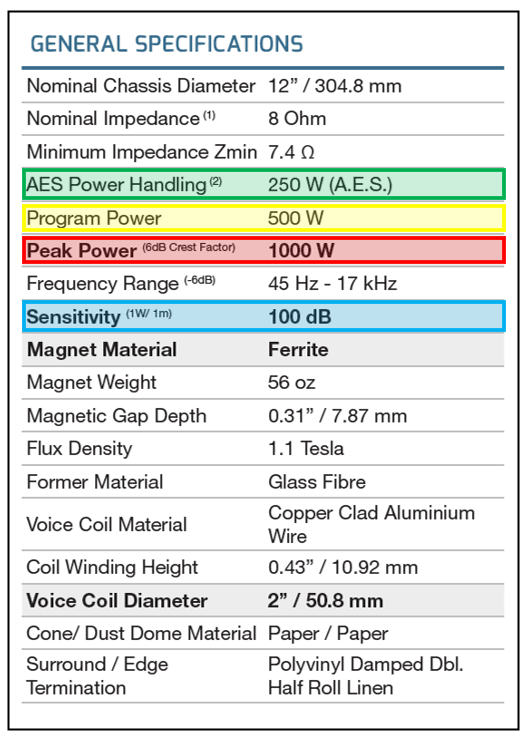
In professional audio settings, such as live concerts, recording studios, or installed sound systems, RMS is non-negotiable. Pro audio gear is designed for continuous, high-output operation, often for extended periods. Power amplifier specifications for professional use are almost exclusively given in RMS Watts into specific load impedances (e.g., 8 ohms, 4 ohms, 2 ohms). Professional speakers, too, have clearly defined RMS power handling ratings, often accompanied by “program power” and “peak power” figures. Program power is typically double the RMS rating and represents the power level a speaker can handle for program material, while peak power is often four times the RMS, indicating the absolute maximum momentary capability.
Sound engineers and system designers meticulously match amplifier RMS output to speaker RMS handling, often ensuring the amplifier has a comfortable amount of headroom (e.g., an amplifier with 1.5-2 times the speaker’s RMS power handling) to avoid clipping and maintain pristine audio quality, even during the loudest passages of a live performance. Failure to correctly match RMS ratings in a professional environment can lead to equipment failure in the middle of a show, causing significant disruption and cost.
Misconceptions and Marketing Gimmicks
Despite its clear definition and importance, RMS is often obscured by marketing jargon and consumer misunderstanding. Awareness of these pitfalls is crucial for making informed choices.
The Lure of “PMPO” and Other Inflated Figures
The most prevalent marketing gimmick is the use of “PMPO” (Peak Music Power Output) or similar terms like “Max Power” or “Dynamic Power.” These figures can be outrageously high, often tens or even hundreds of times greater than the actual RMS rating. For instance, a small desktop speaker system might boast “2000W PMPO,” but its true RMS power might be a mere 20-30 watts. These numbers are derived from highly artificial and transient test conditions, measuring the absolute maximum, instantaneous power an amplifier can theoretically deliver for an incredibly short duration, or what a speaker can survive for a microsecond. They do not reflect continuous performance or practical output. Always disregard PMPO figures; they are irrelevant for comparing product performance or ensuring compatibility.
Understanding Manufacturer Specifications
Reputable manufacturers will always prominently feature RMS power ratings in their specifications, both for amplifiers and speakers. These figures should ideally be accompanied by the impedance at which the power was measured (e.g., “100W RMS @ 8 ohms”). If a specification sheet for an amplifier only lists a single, high wattage figure without mentioning RMS or impedance, it’s a strong indication that the manufacturer is attempting to inflate the perception of power.
When comparing products, always ensure you are comparing like-for-like: RMS watts to RMS watts, at the same impedance. Be wary of generic “Watts” ratings without the “RMS” qualifier. While some high-end amplifiers may not explicitly state “RMS” if it’s implied by industry standards (especially for professional gear), for consumer-grade electronics, the explicit “RMS” designation is a mark of transparency and reliability.
In conclusion, RMS is not just another acronym; it is the cornerstone of understanding and optimizing audio system performance. It represents the true, usable power capacity of speakers and amplifiers, guiding everything from component matching to ensuring longevity and delivering superior sound quality. For any serious audio enthusiast, recognizing and prioritizing RMS ratings is an indispensable skill.
aViewFromTheCave is a participant in the Amazon Services LLC Associates Program, an affiliate advertising program designed to provide a means for sites to earn advertising fees by advertising and linking to Amazon.com. Amazon, the Amazon logo, AmazonSupply, and the AmazonSupply logo are trademarks of Amazon.com, Inc. or its affiliates. As an Amazon Associate we earn affiliate commissions from qualifying purchases.