
In the contemporary marketplace, the term “mythology” has migrated from the dusty shelves of classical literature into the high-stakes boardrooms of global brand strategy. While traditionally defined as a collection of stories belonging to a particular religious or cultural tradition, mythology in a professional branding context represents the foundational narrative that gives a company its soul, its purpose, and its enduring resonance. It is the psychological architecture that transforms a mere commodity into a cultural icon.
Understanding the meaning of mythology is no longer a pursuit reserved for historians; it is a critical competency for brand architects, marketers, and executive leaders. In an era where functional advantages are rapidly replicated and price wars erode margins, mythology serves as the ultimate differentiator. It provides the “why” behind the “what,” creating a bridge between a product’s utility and the consumer’s identity.

The Core Definition of Mythology in a Commercial Context
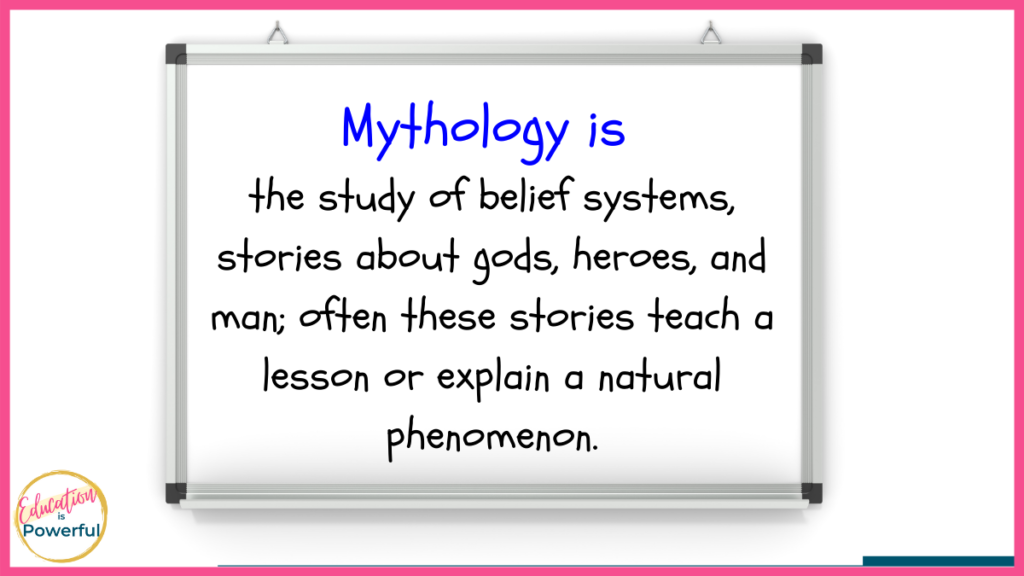
To understand mythology within brand strategy, one must first dismantle the misconception that myth is synonymous with “falsehood.” In branding, a myth is a profound truth expressed through narrative. It is a framework that helps consumers organize their reality and find meaning in their choices. When we talk about the meaning of mythology today, we are referring to the symbolic language used to communicate a brand’s values, heritage, and vision.
From Ancient Lore to Corporate Identity
Ancient myths served to explain the inexplicable and provide a moral compass for society. Modern brand mythology serves a strikingly similar purpose within the ecosystem of consumerism. It explains why a brand exists beyond the pursuit of profit and provides a set of values that followers can align with.
A brand without a mythology is merely a vendor. It competes on features, specifications, and logistics. A brand with a robust mythology, however, operates on the level of belief. When a consumer chooses a brand like Patagonia or Harley-Davidson, they are not just buying a jacket or a motorcycle; they are participating in a story. They are adopting a piece of a carefully constructed mythos that aligns with their own self-perception.
The Function of Myth: Belonging and Belief
The primary function of brand mythology is the creation of community. Humans are inherently tribal, and myths act as the social glue that binds these tribes together. In a fragmented digital world, brands often fill the void left by traditional institutions, offering a sense of belonging.
The mythology of a brand creates an “in-group” and an “out-group.” It establishes a shared language, common enemies (often in the form of outdated ways of thinking), and a vision for the future. By internalizing the brand’s myth, the consumer transitions from a passive buyer to an active protagonist within the narrative.
Archetypes: The DNA of Brand Mythology
At the heart of every enduring brand mythology lies the archetype. Derived from the psychological theories of Carl Jung, archetypes are universal, inborn models of people, behaviors, or personalities that play a role in influencing human behavior. In brand strategy, these archetypes serve as the character templates that make a brand instantly recognizable and relatable.
Jungian Frameworks in Marketing
Brand strategists utilize twelve primary archetypes—such as the Hero, the Outlaw, the Sage, and the Innocent—to anchor their mythology. By selecting a dominant archetype, a brand ensures that its messaging remains consistent and resonant across all touchpoints. This consistency is what allows a brand to “feel” like a person, making it easier for consumers to form an emotional attachment.
The meaning of mythology in this context is the strategic application of these universal patterns. If a brand shifts its archetype too frequently, it loses its mythological standing; it becomes confusing and untrustworthy. Success lies in the disciplined adherence to the chosen character, ensuring that every advertisement, product design, and customer service interaction reinforces the central myth.
The Hero, The Rebel, and The Sage
Consider how different brands utilize these archetypal pillars to build their mythology. Nike is the quintessential “Hero.” Its mythology is built on the struggle against internal and external limitations (“Just Do It”). The protagonist of the Nike myth is the consumer, and the brand acts as the supernatural aid that empowers the hero to achieve greatness.
In contrast, Apple has long utilized the “Creator” and “Rebel” archetypes. Its mythology is centered on the democratization of creativity and the subversion of the “status quo.” This narrative attracts those who see themselves as “The Crazy Ones”—the misfits and the rebels. Meanwhile, a brand like Google often leans into the “Sage” archetype, positioning its mythology around the quest for knowledge and the organization of the world’s information.
Crafting the Origin Myth: Why History Matters
Every great mythology has an origin story—a “genesis” moment that defines its purpose. In brand strategy, the origin myth is the narrative of the company’s founding, often mythologized to emphasize the founder’s vision, the obstacles overcome, and the “Eureka” moment that started it all.

The Garage Startup Narrative
The “garage startup” is perhaps the most potent origin myth of the Silicon Valley era. Whether it is Hewlett-Packard, Apple, or Amazon, the story of humble beginnings in a suburban garage serves a specific mythological purpose: it emphasizes innovation, grit, and the triumph of ideas over capital. Even as these companies grow into multi-billion-dollar conglomerates, they cling to their garage myths because it humanizes them and keeps the spirit of the “Underdog” or “Creator” alive.
This narrative is not about historical accuracy in the strictest sense; it is about the meaning derived from that history. It tells the consumer that the brand hasn’t forgotten its roots and that its core values remain unchanged despite its scale.
Ancestry and Heritage as Value Drivers
For luxury and heritage brands, the origin myth focuses on craftsmanship, lineage, and time-honored traditions. A brand like Hermès or Rolex doesn’t just sell a product; it sells a connection to a specific moment in time and a lineage of excellence. Their mythology is one of “The Ruler” or “The Magician,” where the mastery of a craft is presented as something nearly sacred.
In these cases, the meaning of mythology is found in the “halo effect” of the past. By anchoring the brand in a rich, storied history, the company creates a sense of permanence and reliability that a new competitor simply cannot replicate.
Rituals and Symbols: Bringing the Myth to Life
A mythology is not just a story told; it is a story lived. For a brand’s mythology to take hold, it must be supported by symbols and rituals that make the narrative tangible for the consumer.
Visual Semiotics and the Sacred Logo
In branding, logos and visual identifiers act as the modern equivalent of religious icons or heraldic shields. They are symbols that encapsulate the entire mythology of the brand in a single mark. When a person wears a “Swoosh” or displays an “Apple” on their laptop, they are displaying a totem of their tribal affiliation.
The meaning of mythology here is communicated through semiotics—the study of signs and symbols. The colors, typography, and iconography are never accidental; they are designed to evoke specific psychological responses that align with the brand’s core myth. A silver star on a Mercedes-Benz isn’t just an ornament; it is a symbol of land, sea, and air dominance—a myth of engineering supremacy.
Consumer Rituals and Community Building
Rituals are the repetitive actions that reinforce the brand myth. This can range from the specific “unboxing” experience of a high-end tech product to the “Jeep Wave” shared between owners of the iconic off-road vehicle. These rituals serve to validate the consumer’s membership in the brand’s mythological world.
Starbucks, for example, transformed the simple act of buying coffee into a ritualized experience involving specific terminology (Grande, Venti), a “Third Place” environment, and a personalized interaction. This ritualized the brand’s mythology of being an accessible luxury and a community hub, moving it far beyond the functional utility of caffeine delivery.
The Strategic Advantage of Mythological Branding
In a marketplace defined by hyper-competition and digital noise, the strategic application of mythology provides several key business advantages.
Moving Beyond Functional Utility
When a brand successfully builds a mythology, it escapes the “commodity trap.” Functional benefits can be matched; prices can be undercut. However, a mythology is unique and proprietary. It creates a psychological barrier to entry for competitors. If a consumer believes in the “myth” of a brand, they become less price-sensitive and more loyal, because switching brands would mean abandoning a piece of their own identity.
Building Longevity in a Saturated Market
Trends are fleeting, but myths are enduring. Brands that rely solely on being “trendy” often find themselves obsolete within a few years. Brands that build their identity on mythological foundations, however, can navigate cultural shifts while remaining relevant. They do this by evolving their “story” while keeping their “myth” intact.
By understanding the meaning of mythology, brand leaders can create organizations that do more than just sell products. They create cultural forces that inspire loyalty, drive innovation, and command premium positions in the market. In the final analysis, a brand’s mythology is its most valuable intangible asset—it is the narrative heart that ensures the brand lives on in the minds of consumers long after the product has been consumed.
aViewFromTheCave is a participant in the Amazon Services LLC Associates Program, an affiliate advertising program designed to provide a means for sites to earn advertising fees by advertising and linking to Amazon.com. Amazon, the Amazon logo, AmazonSupply, and the AmazonSupply logo are trademarks of Amazon.com, Inc. or its affiliates. As an Amazon Associate we earn affiliate commissions from qualifying purchases.