
Navigating the internal systems of the Internal Revenue Service (IRS) can often feel like deciphering a complex, ancient language. For the millions of Americans who eagerly await their tax refunds each year, the “Where’s My Refund?” portal is the primary touchpoint. However, for those seeking a more granular look at their financial status with the government, the IRS Tax Transcript is the ultimate source of truth. Within these transcripts lies a series of numerical identifiers known as transaction codes. Among the most common—and most misunderstood—is Code 766.
Understanding IRS Code 766 is essential for anyone trying to track their refund, verify their eligibility for specific credits, or simply gain a clearer picture of their personal finances. In the world of tax accounting, this code represents a pivotal moment in the processing of a return, signaling that a specific type of financial benefit has been applied to the taxpayer’s account.
Decoding the IRS Transcript: The Significance of Transaction Codes
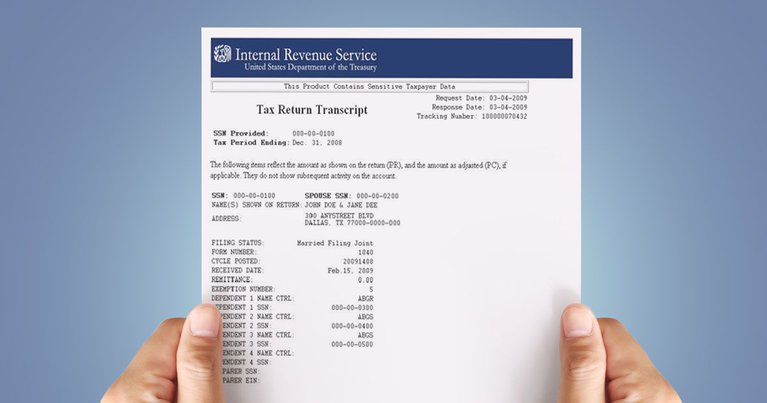
Before diving into the specifics of Code 766, it is important to understand the role of the IRS transcript itself. While a tax return is what you file, a tax transcript is a summary of the IRS’s internal records regarding your account. It tracks every action taken by the agency, from the moment a return is received to the final issuance of a check or direct deposit.
Why Transcripts Matter More Than Refund Trackers
The “Where’s My Refund?” tool is a simplified interface designed for the general public. It provides a progress bar but offers very little detail regarding the underlying mechanics of the return. In contrast, a transcript provides a line-by-line audit trail. For taxpayers dealing with delays, audits, or complex credit claims, the transcript is the only way to see exactly where the bottleneck occurs. Transaction codes are the vocabulary of this trail. Each code corresponds to an action, a credit, or a debit, allowing the taxpayer to see the “math” the IRS is using to arrive at the final refund amount.
The Basic Anatomy of an IRS Transcript
An IRS transcript is divided into several sections, including account balance, return totals, and the transaction list. The transaction list is where codes like 766 appear. Each entry usually includes a transaction code, a description, a date, and an amount. Understanding how to read these columns is the first step toward financial literacy regarding federal obligations. When you see a code, the IRS is essentially telling you, “We have performed this specific accounting maneuver on your account.”
Understanding IRS Code 766: Credit to Your Account
In the simplest terms, IRS Code 766 stands for “Credit to your account.” Specifically, it refers to a refundable credit that has been applied to your tax liability. Unlike non-refundable credits, which can only reduce the amount of tax you owe to zero, refundable credits can result in a payment to the taxpayer even if they have no tax liability at all.
The “Negative” Number Paradox
One of the most confusing aspects of seeing Code 766 on a transcript is the way the amount is formatted. In IRS accounting, a credit is often displayed as a negative number (e.g., -$1,200.00). To the average person, a negative sign suggests a debt or a loss. In the context of an IRS transcript, however, a negative number represents money that is “in your favor.” It is a credit sitting on your ledger that the government owes to you. When you see Code 766 followed by a negative amount, it means the IRS has acknowledged that you are entitled to that specific sum.
Common Credits Associated with Code 766
Code 766 is a “catch-all” for several different types of refundable credits. While it doesn’t always specify the exact credit on the line item, it is frequently triggered by the following:
- The Child Tax Credit (CTC): Specifically the refundable portion, often referred to as the Additional Child Tax Credit (ACTC). This has been one of the most common drivers of Code 766 in recent years.
- The Earned Income Tax Credit (EITC): A credit for low-to-moderate-income working individuals and couples, particularly those with children.
- Recovery Rebate Credits: During the COVID-19 pandemic, stimulus payments that were not received in advance were claimed as Recovery Rebate Credits on tax returns, appearing as Code 766.
- Credit for Federal Tax on Fuels: Less common for the average household, but frequent for certain businesses.
When the IRS processes your return and determines you are eligible for these amounts, Code 766 acts as the placeholder indicating the money has been successfully credited to your tax year account.

Code 766 vs. Other Common IRS Codes
To understand the full story of your refund, you cannot look at Code 766 in isolation. It is part of a sequence of events. Understanding how it interacts with other codes provides a timeline for when you might actually see the money in your bank account.
Code 846: The Refund Issued Milestone
If Code 766 is the “approval” of a credit, Code 846 is the “execution” of the payment. Code 846 stands for “Refund Issued.” You will typically see several 766 codes (if you have multiple credits) followed eventually by a single 846 code. The 846 code will show the total sum of your credits and overpayments, minus any taxes owed. This is the most sought-after code on any transcript, as it usually includes a “Refund Sent” date.
Code 767: When a Credit is Reversed
Financial management requires an awareness of potential reversals. Code 767 is the direct opposite of 766. It represents a “Reduced Credit to your account.” If the IRS discovers an error in your filing—perhaps a child was claimed by two different parents or income was underreported—they may issue a Code 767 to claw back a previously applied Code 766 credit. Monitoring for 767 is crucial if your refund amount suddenly changes.
Code 570 and 971: Potential Delays and Notices
Sometimes, a Code 766 will appear, but it is immediately followed by Code 570 (“Account Hold”). This means that while the IRS agrees you have a credit, they are pausing the issuance of the refund for further review. This is often accompanied by Code 971 (“Notice Issued”), indicating that a letter is being mailed to you to explain the delay. This sequence is common for returns flagged for identity verification or those falling under the PATH Act.
Managing Your Expectations: Timeline and Refund Processing
Seeing Code 766 on your transcript is a positive sign, but it does not mean your money is arriving tomorrow. Taxpayers must navigate the reality of IRS processing windows and legislative mandates.
From Code 766 to Cash in Hand
Typically, after a Code 766 appears, the IRS system performs a final “offset” check. They verify if you owe past-due child support, student loans, or state taxes. If the path is clear, the system will generate the Code 846. For many, this transition happens within a few days. However, if you file early in the season and claim the EITC or ACTC, the PATH Act (Protecting Americans from Tax Hikes Act) mandates that the IRS cannot issue these refunds before mid-February. In these cases, you may see Code 766 on your transcript in January, but Code 846 will not appear until the legal hold is lifted.
What to Do If Your Transcript Is Stuck
If Code 766 appears but several weeks pass without a Code 846 or any other update, it may indicate a “systemic glitch” or a manual review. In the realm of personal finance, this is where patience and proactive communication meet. While the IRS recommends waiting 21 days for e-filed returns, a transcript that remains unchanged for more than two cycles (usually two weeks) might warrant a call to the IRS or a check of the “Taxpayer Assistance Center” for any required documentation.
Proactive Financial Planning Using IRS Data
Beyond the immediate gratification of a refund, understanding transcript codes like 766 is a powerful tool for long-term financial health. It shifts the taxpayer from a passive participant to an informed manager of their capital.
Leveraging Credits for Year-Round Financial Health
By identifying which credits trigger Code 766 on your transcript, you can adjust your financial strategy for the coming year. For example, if you consistently receive a large refund due to the Child Tax Credit, you might choose to adjust your W-4 withholdings at work. By doing so, you can receive more of that money in your monthly paycheck rather than giving the government an interest-free loan until tax season. Code 766 is effectively a report card showing you which government incentives you are successfully utilizing.

Security and Privacy When Checking Transcripts
In an era of increasing digital fraud, accessing your IRS transcript is also a security measure. Regularly checking your account via the IRS.gov “Identity Assurance” portal allows you to see if any unauthorized returns have been filed in your name. If you see codes appearing that don’t match your financial reality, it is an early warning system for identity theft.
Ultimately, Code 766 is more than just a line on a government form. It is a confirmation of eligibility and a harbinger of liquidity. By understanding that it represents a refundable credit applied to your account, and by recognizing its place within the broader sequence of IRS transaction codes, you can navigate the tax season with confidence. You move away from the frustration of “Where is my money?” toward an analytical understanding of “How is my money being processed?” This level of financial literacy is the hallmark of an empowered taxpayer.
aViewFromTheCave is a participant in the Amazon Services LLC Associates Program, an affiliate advertising program designed to provide a means for sites to earn advertising fees by advertising and linking to Amazon.com. Amazon, the Amazon logo, AmazonSupply, and the AmazonSupply logo are trademarks of Amazon.com, Inc. or its affiliates. As an Amazon Associate we earn affiliate commissions from qualifying purchases.