
In a world perpetually in motion, understanding the ebb and flow of financial markets is not merely an academic exercise but a critical imperative for investors, businesses, and policymakers alike. The question, “What is the market doing?” resonates with a unique urgency, reflecting a collective desire to decipher current trends, anticipate future movements, and strategically position oneself amidst a landscape of constant change. From the dizzying heights of bull runs to the challenging troughs of bear markets, each period offers distinct lessons and demands a nuanced approach. This article delves into the current state of financial markets, exploring the multifaceted forces at play, the implications for various stakeholders, and the strategies necessary to navigate an increasingly complex economic environment. We will unpack the indicators that tell the story of market performance, examine the underlying drivers of volatility, and discuss pragmatic approaches for investment and financial planning in these dynamic times.
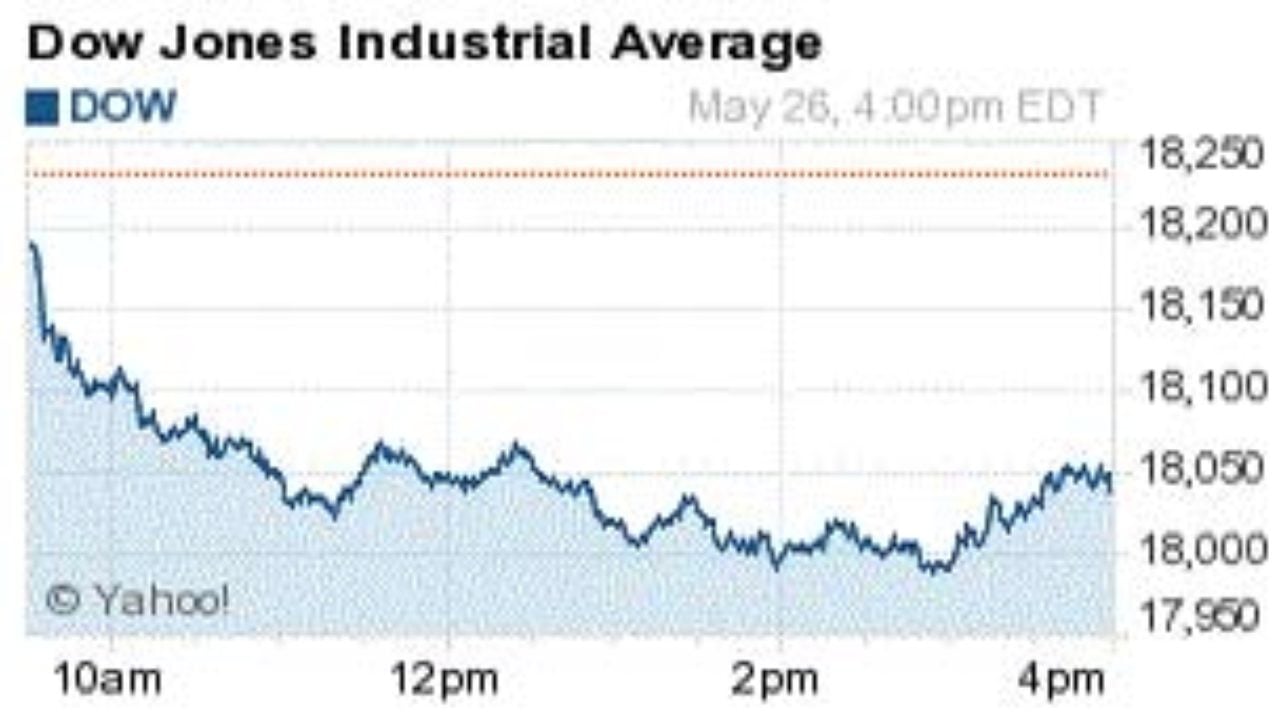
Current Market Dynamics: A Snapshot
To understand “what the market is doing,” we must first take a precise snapshot of its current pulse. The global financial landscape is a tapestry woven from countless individual decisions, geopolitical events, technological advancements, and economic policies. Observing these threads helps us discern the larger patterns emerging in equity, bond, commodity, and currency markets.
Key Economic Indicators
The health of the market is inextricably linked to the broader economy, and several key economic indicators serve as vital barometers.
- Inflation Rates: Persistent inflation has been a dominant theme in recent times, influencing central bank policies and consumer purchasing power. High inflation typically erodes the value of fixed-income investments and can compress corporate profit margins, even as it sometimes signals robust demand. Understanding whether inflation is transitory or structural is paramount for market participants.
- Interest Rates: In response to inflation, central banks globally have embarked on aggressive interest rate hiking cycles. Higher interest rates increase borrowing costs for businesses and consumers, potentially slowing economic growth but also offering more attractive returns on savings and certain fixed-income instruments. The trajectory of future rate hikes and cuts heavily sways market sentiment and asset valuations.
- GDP Growth: Gross Domestic Product (GDP) growth provides a broad measure of economic activity. Strong GDP figures often correlate with positive corporate earnings and investor confidence, while slowing growth can signal an impending downturn or recession. Monitoring leading and lagging indicators of GDP helps anticipate shifts.
- Employment Data: Robust employment figures, characterized by low unemployment rates and strong wage growth, indicate a healthy labor market, which in turn supports consumer spending—a major driver of economic expansion. Conversely, rising unemployment can signal economic contraction and reduced consumer confidence.
- Consumer Confidence: How consumers feel about the economy impacts their spending habits. High consumer confidence often translates to increased consumption, bolstering corporate revenues. Declining confidence can lead to reduced spending and investment.
Sectoral Performance and Trends
While overall market indices provide a headline view, dissecting performance at the sectoral level reveals more granular insights.
- Technology Sector: Often a bellwether for innovation and future growth, the tech sector’s performance can be highly sensitive to interest rates (due to valuation models relying on future earnings) and investor sentiment regarding disruptive technologies like AI and cloud computing. Recent periods have seen both significant booms and sharp corrections, highlighting its inherent volatility.
- Energy and Commodities: Geopolitical events and global supply chain dynamics heavily influence commodity prices, particularly oil and gas. This sector’s performance often acts as an inflation hedge and can outperform during periods of high commodity demand or supply disruption.
- Financials: Banks, investment firms, and insurance companies are directly impacted by interest rate environments. Rising rates typically benefit net interest margins for banks, while economic uncertainty can affect credit quality and investment banking activity.
- Healthcare: Generally considered a defensive sector, healthcare often exhibits stability due to non-discretionary demand. However, it is also subject to regulatory changes, pharmaceutical innovation cycles, and demographic shifts.
- Consumer Discretionary vs. Staples: Discretionary spending ebbs and flows with economic confidence, while consumer staples (essential goods) tend to be more resilient during downturns. Their relative performance offers clues about the consumer’s financial health and outlook.
Navigating Volatility: Understanding the Drivers
Market volatility is not a deviation from the norm; it is an intrinsic characteristic of financial markets. Understanding the primary drivers behind these fluctuations is crucial for crafting resilient investment strategies and making informed decisions.
Inflation and Interest Rates
As discussed, inflation and interest rates are perhaps the most significant levers currently influencing market dynamics.
- Impact on Valuations: Higher interest rates increase the discount rate used in valuing future earnings, making growth stocks (which derive more of their value from future potential) particularly vulnerable. Conversely, value stocks, with more immediate earnings, may hold up better.
- Bond Market Sensitivity: Bond prices move inversely to interest rates. A rising rate environment means existing bonds with lower yields become less attractive, leading to price declines. This has significant implications for diversified portfolios, as bonds often act as a cushion during equity downturns.
- Corporate Borrowing Costs: Businesses face higher costs for debt financing, which can dampen investment, reduce profit margins, and slow expansion plans. This tightening of financial conditions can ripple through the entire economy.
Geopolitical Factors and Supply Chains
Global events frequently inject uncertainty into markets, causing swift and sometimes dramatic shifts.
- International Conflicts and Tensions: Wars, trade disputes, and diplomatic spats can disrupt global trade routes, trigger sanctions, and increase commodity prices, particularly energy and food. These events can lead to risk-off sentiment, prompting investors to seek safe-haven assets.
- Supply Chain Resilience: The recent pandemic exposed fragilities in global supply chains, leading to shortages and contributing to inflation. Companies are now re-evaluating their sourcing strategies, with potential shifts towards regionalization or diversification, impacting costs and operational efficiencies.
- Energy Security: The pursuit of energy security and the transition to renewable sources are ongoing geopolitical themes that profoundly affect energy markets and the industries reliant on them.
Technological Advancements and Disruption
Technology is a perennial force of change, creating new industries while disrupting old ones, constantly redefining economic landscapes.
- Artificial Intelligence (AI): The rapid advancement of AI is poised to revolutionize numerous sectors, from healthcare and finance to manufacturing and retail. Companies at the forefront of AI development and adoption are attracting significant investment, while others face the imperative to adapt or risk obsolescence.
- Digital Transformation: Beyond AI, broader digital transformation continues to reshape how businesses operate, interact with customers, and manage data. This creates investment opportunities in software, cybersecurity, and cloud infrastructure.
- Automation and Robotics: Increased automation across industries can boost productivity and efficiency but also raises questions about labor displacement and the need for workforce reskilling. These trends have long-term implications for employment and economic structure.
Investment Strategies in a Shifting Landscape
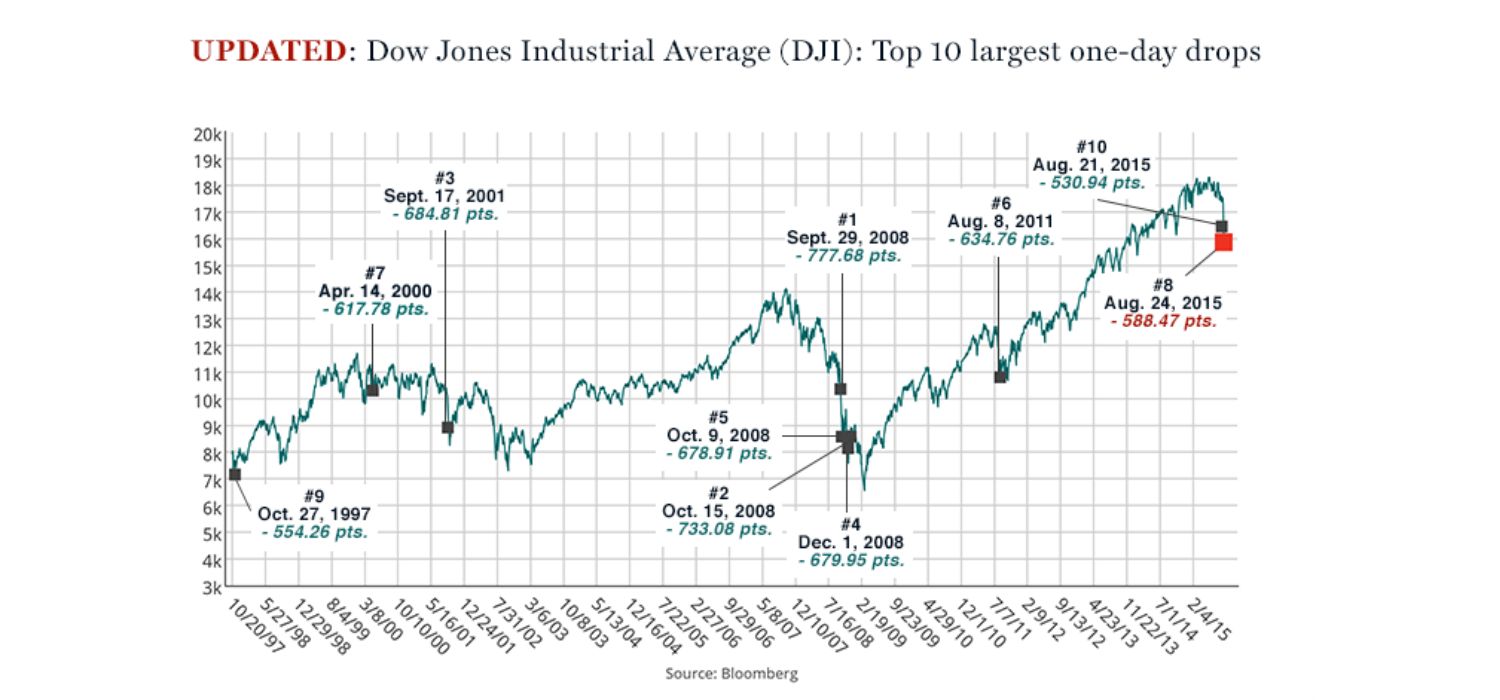
Given the dynamic nature of markets, a static investment approach is rarely optimal. Adapting strategies to prevailing conditions, while remaining anchored to long-term goals, is key to navigating volatility and achieving financial objectives.
Diversification and Risk Management
These evergreen principles become even more critical during periods of uncertainty.
- Asset Allocation: Beyond simply diversifying across equities and fixed income, considering exposure to commodities, real estate, and alternative assets can further mitigate risk. The “perfect” asset allocation is dynamic and should align with an investor’s risk tolerance, time horizon, and financial goals.
- Geographic Diversification: Spreading investments across different countries and regions can reduce concentration risk associated with a single economy’s performance or political instability.
- Sectoral Diversification: Avoiding overconcentration in a single industry can protect against sector-specific downturns. A balanced portfolio includes exposure to growth-oriented sectors and more defensive plays.
- Regular Rebalancing: Periodically adjusting portfolio weights back to target allocations ensures that risk levels remain consistent with the investor’s profile and prevents overexposure to assets that have performed exceptionally well.
Long-Term vs. Short-Term Approaches
Investors often grapple with the tension between reacting to immediate market movements and adhering to a long-term plan.
- Long-Term Investing (Buy and Hold): For most individual investors, a long-term perspective—focusing on compounding returns over decades—often proves superior. This approach encourages weathering short-term market fluctuations and benefits from the power of time and consistent contributions.
- Dollar-Cost Averaging: Investing a fixed amount regularly, regardless of market highs or lows, can mitigate the risk of timing the market incorrectly. This strategy helps average out the purchase price over time.
- Tactical Allocation (Short-Term Adjustments): More sophisticated investors or those with specific short-term goals might employ tactical allocation, making modest, temporary shifts in asset allocation to capitalize on anticipated market trends or mitigate perceived risks. This requires keen market insight and a disciplined approach.
The Role of Alternative Investments
As traditional asset classes face headwinds, investors are increasingly looking towards alternatives.
- Private Equity and Venture Capital: Investing in privately held companies offers potential for higher returns, albeit with greater illiquidity and risk. These investments often provide exposure to growth opportunities not available in public markets.
- Real Estate: Both direct property ownership and real estate investment trusts (REITs) can offer income generation and capital appreciation, often with a lower correlation to public equities. However, real estate is sensitive to interest rates and local economic conditions.
- Hedge Funds: These funds employ a variety of complex strategies, aiming to generate returns in both rising and falling markets. They typically cater to accredited investors due to their high fees and complexity.
- Digital Assets (e.g., Cryptocurrencies): While highly volatile and speculative, cryptocurrencies and blockchain-related assets have emerged as a distinct, albeit high-risk, asset class. They are increasingly being considered for a small portion of diversified portfolios by some investors.
Future Outlook and Expert Perspectives
Predicting the future of the market with certainty is impossible, yet analyzing potential scenarios and expert consensus can provide valuable guidance. The current confluence of economic, geopolitical, and technological forces suggests a landscape marked by both opportunities and significant challenges.
Potential Headwinds and Tailwinds
- Headwinds: Persistent inflation, the risk of recession in major economies, continued geopolitical instability, and the tightening of financial conditions pose significant challenges. Corporate earnings might face pressure from higher input costs and slowing consumer demand.
- Tailwinds: Innovation, particularly in AI and renewable energy, continues to drive growth in specific sectors. Emerging markets may offer diversification and higher growth potential. Furthermore, eventually, central banks might pivot to rate cuts once inflation is demonstrably under control, potentially stimulating economic activity and market recovery. Demographics and the ongoing digitalization of global economies also represent long-term tailwinds.
Adapting to the New Normal
The concept of a “new normal” implies that the market environment of the past decade (characterized by low interest rates and readily available capital) may not return in the near future.
- Higher-for-Longer Rates: Investors may need to prepare for a sustained period of higher interest rates than previously experienced, re-evaluating the valuation metrics for various asset classes.
- Increased Volatility: Geopolitical fragmentation and the ongoing energy transition could contribute to greater market volatility, necessitating more robust risk management frameworks.
- Focus on Fundamentals: In an environment where easy gains are harder to come by, a renewed emphasis on fundamental analysis—identifying companies with strong balance sheets, sustainable earnings, and competitive advantages—becomes paramount.
- ESG Integration: Environmental, Social, and Governance (ESG) factors are increasingly being integrated into investment decisions, not just as an ethical consideration but as a proxy for long-term business resilience and risk management.
Empowering Individual Investors
For individual investors, understanding “what the market is doing” is only the first step. The true power lies in translating this knowledge into actionable strategies that align with personal financial goals.
Education and Continuous Learning
The financial world is constantly evolving, making continuous education vital.
- Financial Literacy: Building a strong foundation in personal finance, understanding investment vehicles, and comprehending economic principles empowers individuals to make independent and informed decisions.
- Staying Informed: Regularly consuming reputable financial news, analysis, and expert commentary helps keep investors abreast of market developments and emerging trends.
- Understanding Behavioral Finance: Recognizing cognitive biases (e.g., herd mentality, loss aversion) that can lead to irrational investment decisions is crucial for maintaining discipline during volatile periods.
Leveraging Financial Tools and Advice
No investor needs to navigate the complexities of the market alone.
- Robo-Advisors: For those seeking low-cost, automated portfolio management, robo-advisors offer diversified portfolios tailored to individual risk profiles.
- Financial Advisors: Engaging with a qualified financial advisor can provide personalized guidance, help set realistic goals, and construct a comprehensive financial plan that accounts for specific circumstances, risk tolerance, and time horizon.
- Online Investment Platforms: Accessible platforms empower individuals to manage their investments directly, offering a range of tools, research capabilities, and educational resources.
The question “What is the market doing?” does not have a simple, singular answer. It demands ongoing inquiry, critical analysis, and a willingness to adapt. The financial markets are a complex, interconnected ecosystem, influenced by a myriad of forces that are constantly in flux. By understanding these dynamics, embracing diversified and disciplined investment strategies, and committing to continuous learning, investors can navigate the currents of volatility and position themselves for long-term success. The current market environment calls for prudence, resilience, and a strategic outlook, ensuring that one’s financial journey remains on course regardless of the prevailing winds.
aViewFromTheCave is a participant in the Amazon Services LLC Associates Program, an affiliate advertising program designed to provide a means for sites to earn advertising fees by advertising and linking to Amazon.com. Amazon, the Amazon logo, AmazonSupply, and the AmazonSupply logo are trademarks of Amazon.com, Inc. or its affiliates. As an Amazon Associate we earn affiliate commissions from qualifying purchases.