
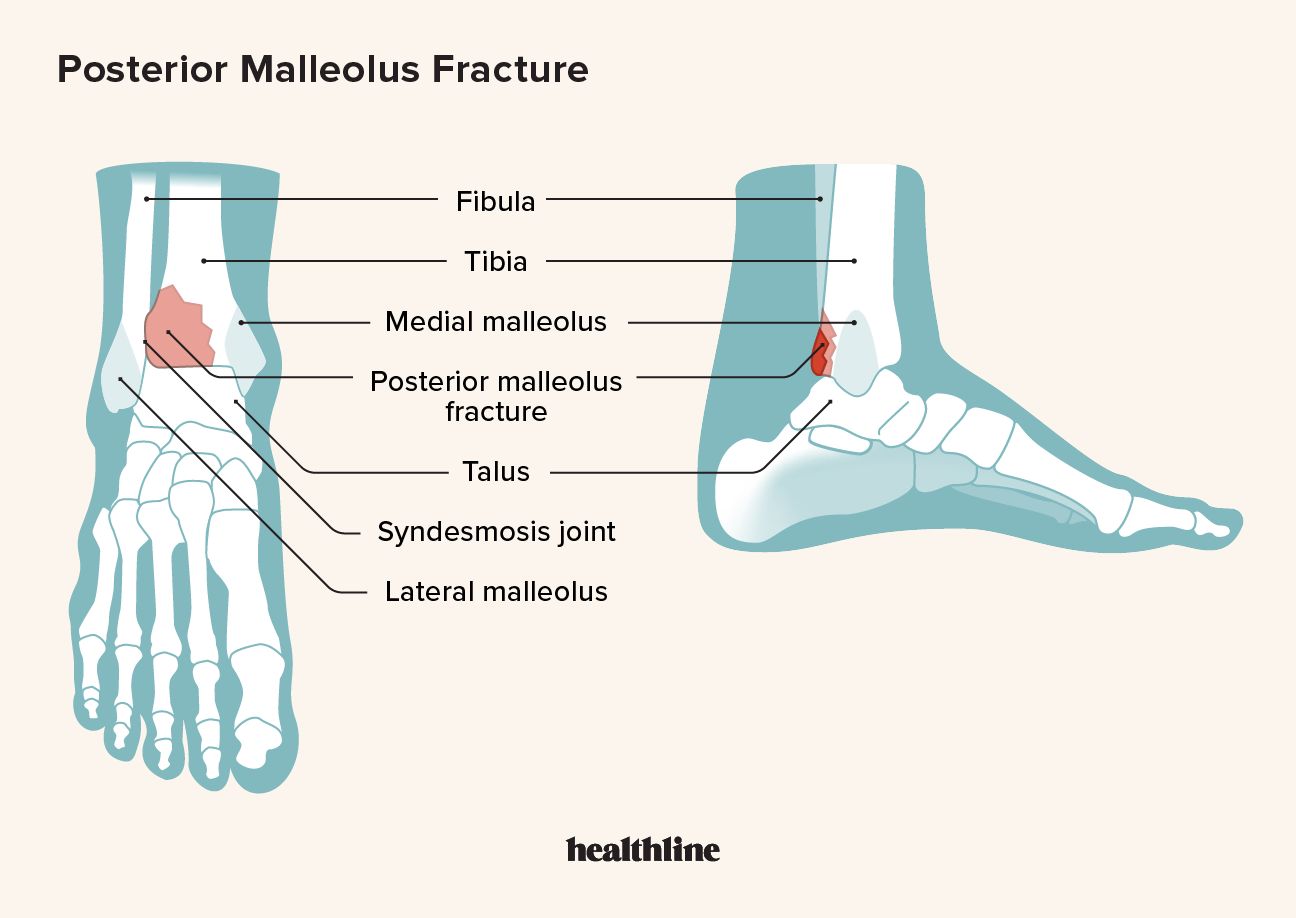
The malleolus, often colloquially referred to as the ankle bone, represents a critical anatomical structure at the distal end of the tibia and fibula, forming the medial and lateral prominences of the ankle joint. While traditionally understood through biological study, modern technology has profoundly reshaped our definition, understanding, and interaction with this complex anatomical region. From advanced imaging and biometric monitoring to AI-driven diagnostics and robotic surgical interventions, the malleolus is no longer just a skeletal landmark but a focal point for groundbreaking technological innovation aimed at enhancing human performance, predicting injury, and revolutionizing patient care. This article explores the malleolus through the lens of cutting-edge technology, examining how digital tools and smart systems are redefining our approach to musculoskeletal health.
Understanding the Malleolus Through a Technological Lens
In an era dominated by digital transformation, our comprehension of anatomical structures like the malleolus has evolved beyond traditional cadaveric studies and textbooks. Technology now offers unprecedented granularity in visualizing, simulating, and analyzing this crucial joint component, allowing for deeper insights into its biomechanics, pathology, and potential for injury or repair. This digital revolution extends from foundational educational tools to sophisticated clinical applications, fundamentally altering how medical professionals and patients alike engage with anatomical knowledge.
Digital Anatomy and 3D Modeling
The advent of advanced imaging techniques combined with sophisticated software has enabled the creation of highly detailed 3D models of the malleolus and the entire ankle complex. Computed tomography (CT) scans, magnetic resonance imaging (MRI), and even high-resolution ultrasound data are fed into specialized rendering engines to construct lifelike digital replicas. These models allow for virtual dissection, simulating movements, and stress analyses that were previously impossible. Medical students can explore the malleolus from any angle, understanding its precise relationship with surrounding ligaments and tendons, while surgeons can plan complex procedures with pre-operative simulations, reducing risks and improving outcomes through virtual rehearsal. Furthermore, 3D printing technologies leverage these models to create custom prosthetics, orthotics, and surgical guides tailored to individual patient anatomy, optimizing fit and function.
Wearable Tech and Biometric Monitoring
The integration of the malleolus into the realm of wearable technology marks a significant leap in real-time health monitoring. Smart ankle braces, specialized socks, and integrated footwear now feature an array of sensors designed to track biomechanical data around the malleolus. These devices can monitor gait patterns, ankle flexion and extension, rotational forces, and even swelling or temperature changes, providing continuous feedback on ankle stability and health. For athletes, this data is invaluable for performance optimization and injury prevention, identifying subtle deviations that could precede sprains or fractures. For individuals recovering from malleolar injuries, wearable tech offers objective progress tracking, helping rehabilitation specialists tailor exercises and ensure proper recovery, moving beyond subjective patient reports to data-driven recovery protocols.
AI and Advanced Diagnostics for Malleolar Health
The complex nature of malleolar injuries, ranging from minor sprains to severe fractures, often necessitates rapid and accurate diagnosis. Artificial intelligence (AI) is emerging as a powerful ally in this diagnostic journey, transforming how medical images are interpreted and how risk factors are assessed. By leveraging vast datasets of medical imagery and patient histories, AI algorithms can identify patterns and anomalies with a speed and precision that augments human expertise, leading to earlier interventions and more effective treatment plans for malleolar conditions.
Machine Learning in Fracture Detection
Machine learning algorithms are being trained on extensive databases of X-rays, CT scans, and MRI images of ankle injuries, including various types of malleolar fractures. These algorithms learn to identify subtle signs of fracture, differentiate between fracture types (e.g., unimalleolar, bimalleolar, trimalleolar), and even detect occult fractures that might be missed by the human eye, especially in high-volume emergency settings. Integrated into Picture Archiving and Communication Systems (PACS), AI tools can flag suspicious images for immediate review by radiologists, accelerating the diagnostic process and ensuring timely treatment for potentially debilitating malleolar trauma. This not only enhances diagnostic accuracy but also reduces diagnostic workload and improves patient throughput.
Predictive Analytics for Injury Prevention
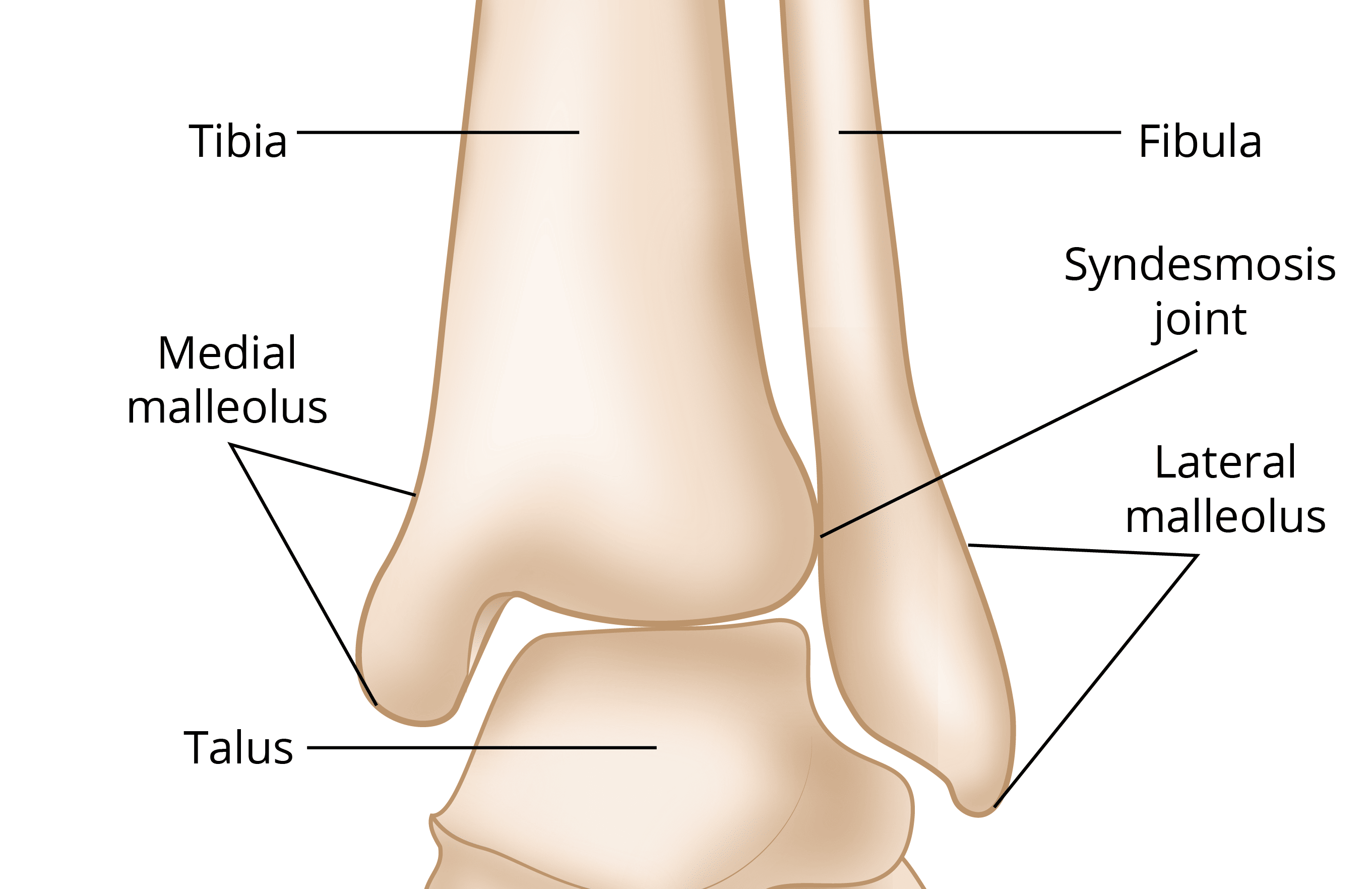
Beyond immediate diagnosis, AI and predictive analytics are playing a crucial role in forecasting the likelihood of future malleolar injuries. By analyzing a combination of factors such as an individual’s biomechanical data from wearables, medical history, activity levels, genetic predispositions, and even environmental conditions, AI models can identify individuals at higher risk. For instance, an algorithm might detect a consistent deviation in gait pattern, combined with previous ankle instability, indicating an elevated risk for a lateral malleolus sprain during certain activities. This allows for proactive intervention strategies, such as recommending specific strengthening exercises, custom orthotics, or adjustments to training regimens, thereby preventing injuries before they occur and significantly improving long-term ankle health and stability.
Revolutionizing Treatment: Robotics and Smart Devices
Once a malleolar injury is diagnosed, the focus shifts to effective treatment and rehabilitation. Here, technology continues its transformative impact, introducing innovations that range from highly precise surgical robots to intelligent rehabilitation tools. These advancements are geared towards minimizing invasiveness, enhancing precision, and optimizing the recovery process, ultimately leading to better functional outcomes for patients affected by malleolar trauma or conditions.
Robotic-Assisted Surgery for Malleolar Repair
Robotic-assisted surgical systems are bringing unparalleled precision to the repair of complex malleolar fractures. While direct robotic manipulation of bone fragments is still evolving, robots are increasingly used for tasks requiring extreme accuracy, such as guide placement for screws and plates, precise drilling, and controlled osteotomies. Surgeons utilize robotic platforms to plan the exact trajectory and depth for internal fixation devices, ensuring optimal anatomical reduction and stability of the fractured malleolus. This technology can minimize soft tissue damage, reduce intraoperative complications, and potentially shorten recovery times due by enhancing the precision and reproducibility of surgical techniques. The integration of intraoperative imaging with robotic navigation further refines these procedures, providing real-time feedback to the surgical team.
Smart Rehabilitation Tools and Telemedicine
Rehabilitation following malleolar injury is critical for restoring full function, and smart devices are making this process more effective and accessible. Intelligent sensors embedded in braces, shoes, or even floor mats provide real-time feedback on range of motion, weight-bearing, and exercise execution, guiding patients through their recovery programs with personalized instructions. These devices connect to apps that track progress, offer virtual coaching, and provide gamified exercises to maintain patient engagement. Complementing these tools, telemedicine platforms allow physical therapists to remotely monitor patient progress, conduct virtual consultations, and adjust rehabilitation plans from anywhere. This connectivity ensures consistent care, reduces barriers to access, and empowers patients to take a more active role in their recovery journey, especially beneficial for those in remote areas or with mobility challenges.
The Future of Malleolar Care: Integrated Tech Ecosystems
The trajectory of technological advancement suggests a future where malleolar care is deeply embedded within a holistic and interconnected digital ecosystem. This vision moves beyond individual tools to integrated platforms that leverage continuous data streams, predictive analytics, and personalized interventions to create a seamless experience from prevention to full recovery. Such an ecosystem promises not only to optimize clinical outcomes but also to empower individuals with unprecedented control over their musculoskeletal health.
Personalized Digital Twins
Imagine a “digital twin” of your malleolus – a highly accurate, dynamic virtual replica of your ankle joint, constantly updated with data from your wearables, medical records, and imaging scans. This digital twin would simulate how your malleolus responds to different activities, stress levels, or potential interventions. Surgeons could test various surgical approaches on your digital twin before operating on you, predicting the precise outcome. Rehabilitation specialists could model the impact of different exercises, optimizing your recovery path. This personalized, predictive model would offer unparalleled insights into individual biomechanics and pathology, allowing for truly customized care and preventative strategies tailored to the unique characteristics and lifestyle of each person, making future malleolar care highly individualized and proactive.

Immersive Tech for Training and Education
Virtual reality (VR) and augmented reality (AR) are set to revolutionize both medical training and patient education regarding the malleolus. Trainee surgeons can practice complex malleolar repair procedures in a fully immersive VR environment, gaining invaluable experience without patient risk. These simulations offer haptic feedback, allowing for a realistic sense of touch and resistance, making the learning experience highly engaging and effective. For patients, AR applications could overlay anatomical information directly onto their own ankle, helping them visualize their injury or understand treatment plans in a highly intuitive way. This enhanced understanding fosters greater adherence to treatment protocols and empowers patients to be more informed participants in their own care, demystifying the intricate nature of malleolar health and recovery processes.
aViewFromTheCave is a participant in the Amazon Services LLC Associates Program, an affiliate advertising program designed to provide a means for sites to earn advertising fees by advertising and linking to Amazon.com. Amazon, the Amazon logo, AmazonSupply, and the AmazonSupply logo are trademarks of Amazon.com, Inc. or its affiliates. As an Amazon Associate we earn affiliate commissions from qualifying purchases.