
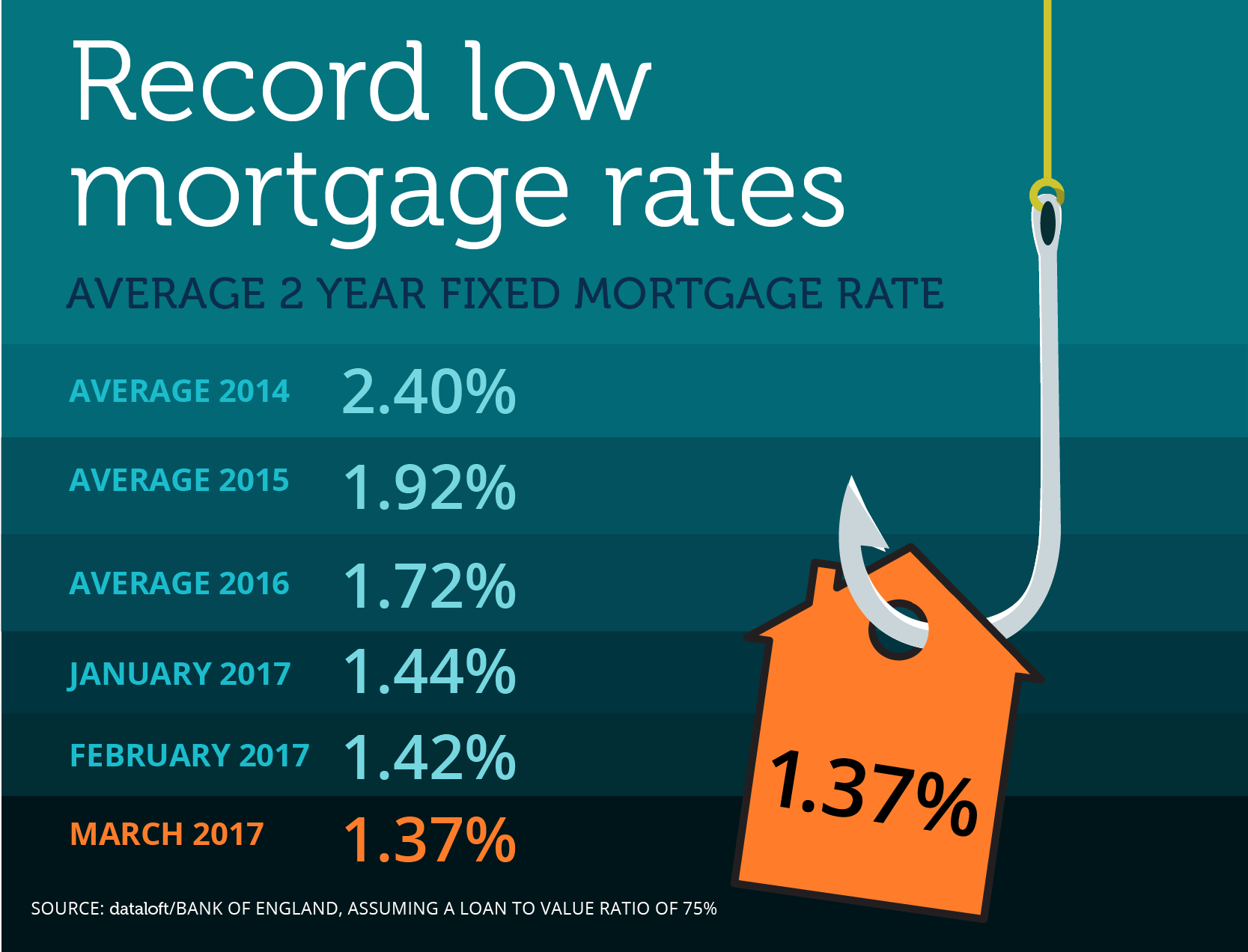
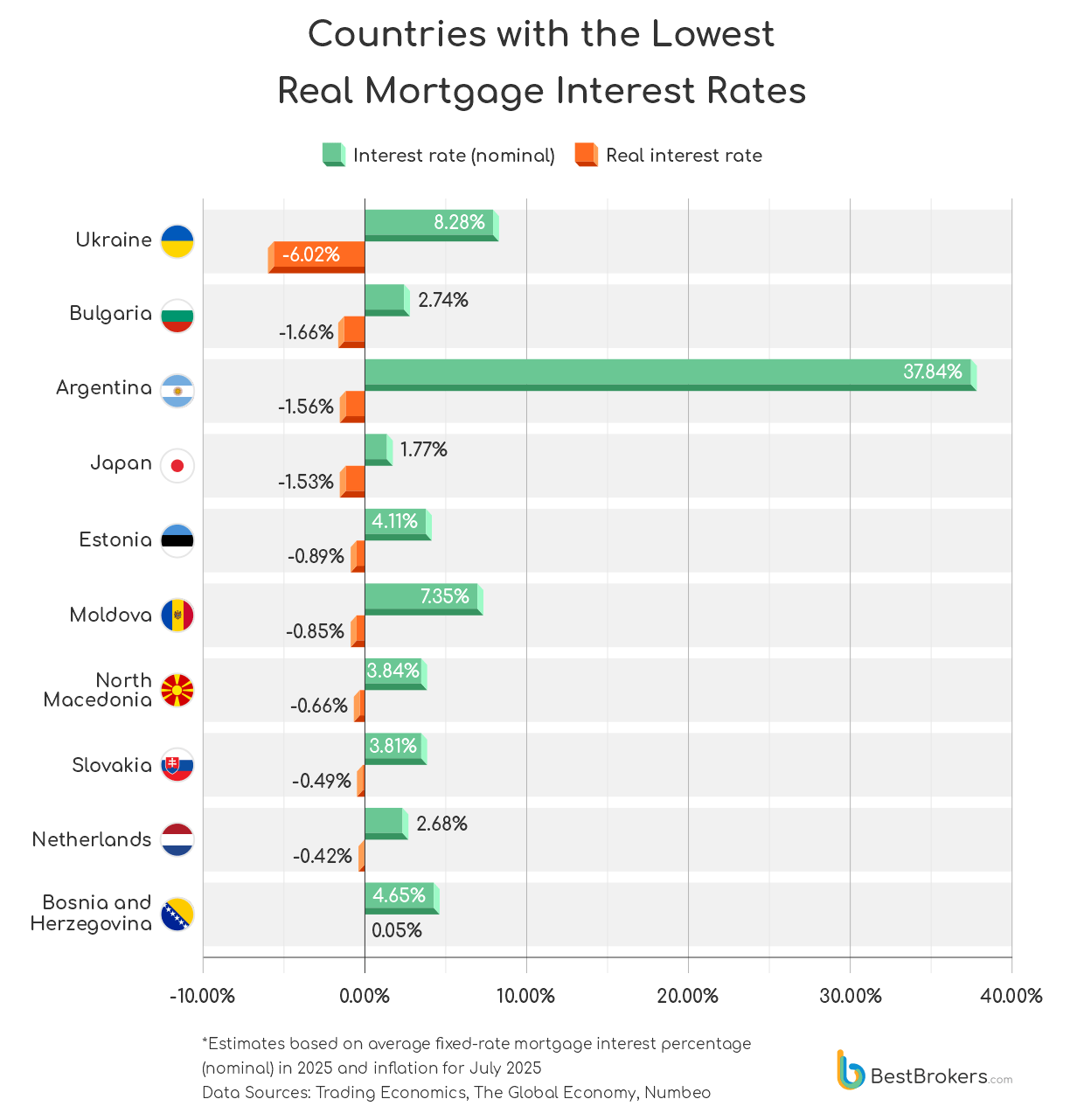
The quest for the lowest mortgage rate is a primary objective for nearly every homebuyer and homeowner looking to refinance. In the world of personal finance, even a fraction of a percentage point can translate into tens of thousands of dollars saved or lost over the life of a loan. However, the “lowest” rate is rarely a static number printed on a flyer; it is a moving target influenced by a complex interplay of global economic forces, central bank policies, and the individual financial profile of the borrower. Understanding how these elements converge is essential for anyone looking to optimize their housing costs and build long-term wealth.
The Macroeconomic Drivers of Mortgage Rates
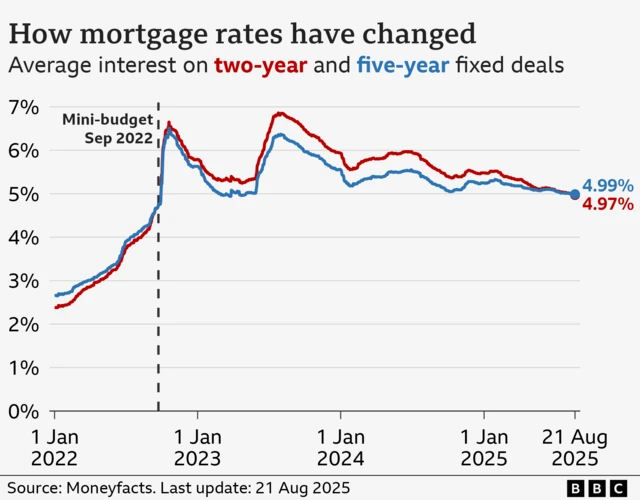
To understand what constitutes a “low” rate in any given environment, one must first look at the institutional forces that set the baseline for lending. Mortgage rates do not exist in a vacuum; they are closely tied to the broader financial markets, specifically the bond market.
The Role of the Federal Reserve and Treasury Yields
While the Federal Reserve does not directly set mortgage rates, its influence is profound. The Fed controls the federal funds rate—the interest rate at which commercial banks borrow and lend to each other overnight. When the Fed raises this rate to combat inflation, the cost of borrowing increases across the economy, which typically pushes mortgage rates higher. Conversely, when the Fed lowers rates to stimulate economic growth, mortgage rates often follow suit.
More directly, mortgage rates are traditionally benchmarked against the 10-year Treasury note yield. Investors view mortgages as a slightly riskier alternative to government bonds. Therefore, when Treasury yields rise, mortgage lenders must offer higher rates to remain competitive and attract investors to mortgage-backed securities (MBS). The spread between the 10-year Treasury yield and the average 30-year fixed mortgage rate is a critical metric for financial analysts, representing the “risk premium” associated with residential lending.
Inflation and Economic Indicators
Inflation is the natural enemy of fixed-income investments. Because a mortgage is a long-term contract where the borrower pays back the loan with future dollars, lenders must ensure that the interest they receive outpaces the rising cost of living. If inflation is high, the “real” value of those future payments decreases. To compensate for this loss of purchasing power, lenders raise interest rates.
Economic indicators such as the Consumer Price Index (CPI), employment reports, and Gross Domestic Product (GDP) growth also play a role. A “hot” economy with low unemployment and high spending often leads to higher rates as the market anticipates tightening by the Fed. In contrast, signs of an economic slowdown or recession often lead to a flight to safety in the bond market, driving down yields and, consequently, mortgage rates.
Factors That Determine Your Personal “Lowest” Rate
Even when market conditions are favorable, the lowest advertised rate is not available to everyone. Lenders use a tiered pricing model based on risk. To secure the most competitive offer, a borrower must present the lowest possible risk profile to the institution.
Credit Score and Financial Health
Your FICO score is arguably the most significant factor in determining the rate you are offered. Lenders generally reserve their best “prime” rates for borrowers with scores above 740 or 760. As the credit score drops, the interest rate increases to offset the perceived risk of default. This is often implemented through Loan Level Price Adjustments (LLPAs), which are one-time fees or rate increases based on specific risk factors.
Furthermore, your Debt-to-Income (DTI) ratio serves as a litmus test for your ability to manage monthly payments. Most lenders prefer a DTI below 36%, though some programs allow for higher ratios. A lower DTI suggests financial stability, making you a more attractive candidate for the lowest available rates.
Down Payment and Loan-to-Value Ratio
The amount of equity you put into the property significantly impacts your rate. The Loan-to-Value (LTV) ratio measures the relationship between the loan amount and the appraised value of the home. A borrower putting down 20% (an 80% LTV) is seen as much less risky than a borrower putting down 3.5% or 5%.
In many cases, the lowest rates are actually found when a borrower puts down 25% or more. High equity provides a cushion for the lender; if the borrower defaults and the home must be sold, the lender is more likely to recoup their investment. Additionally, reaching the 20% threshold eliminates the need for Private Mortgage Insurance (PMI), which, while not part of the interest rate itself, significantly lowers the overall monthly cost of the loan.
Loan Term and Type
The structure of the loan itself dictates the interest rate. Generally, shorter-term loans carry lower interest rates. A 15-year fixed-rate mortgage will almost always have a lower rate than a 30-year fixed-rate mortgage because the lender is exposed to interest rate risk and inflation for a shorter period. While the monthly payments are higher due to the faster principal repayment, the total interest paid over the life of the loan is drastically reduced.
Adjustable-Rate Mortgages (ARMs) also play a role in the “lowest rate” conversation. ARMs often offer a lower “teaser” rate for an initial period (such as 5, 7, or 10 years). For borrowers who plan to sell the home or refinance before the adjustment period begins, an ARM can provide access to the lowest possible interest rate in a high-rate environment.
Strategies to Secure the Best Possible Rate
Securing the lowest mortgage rate requires more than just good credit; it requires a proactive and strategic approach to the mortgage application process.
Buying Points: Is it Worth the Investment?
One common way to lower a mortgage rate is by “buying points” or paying discount points. One point typically costs 1% of the total loan amount and reduces the interest rate by approximately 0.25%. This is essentially “prepaid interest.”
To determine if this is a wise financial move, you must calculate the break-even point. This is done by dividing the cost of the points by the monthly savings generated by the lower rate. If the break-even point is five years and you plan to stay in the home for ten, buying points is a sound investment. However, if you plan to move or refinance in three years, the upfront cost will likely exceed the interest savings.
The Power of Shopping and Comparison
Mortgage rates can vary significantly from one lender to another. Large national banks, local credit unions, and online mortgage lenders all have different overhead costs, risk tolerances, and profit margins. A credit union might offer a lower rate to its members as a benefit of the cooperative model, while an online lender might use technology to reduce costs and pass those savings to the borrower.
Obtaining a Loan Estimate from at least three different lenders is one of the most effective ways to ensure you are getting the lowest rate. When lenders compete for your business, they may be willing to waive certain fees or match a competitor’s rate. It is important to compare not just the interest rate, but also the Annual Percentage Rate (APR), which includes the interest rate plus other costs like broker fees and points.
Rate Locks and Market Timing
Because mortgage rates fluctuate daily—and sometimes hourly—timing is crucial. Once you find a rate that fits your budget and financial goals, you can “lock” that rate for a specific period (usually 30, 45, or 60 days) while your loan is processed. A rate lock protects you from market volatility. Some lenders also offer a “float-down” option, which allows you to lock in a rate but take advantage of a lower rate if the market drops before you close.
The Long-Term Financial Impact of Small Rate Differences
It is easy to dismiss a 0.25% or 0.5% difference in interest rates as negligible, but when applied to a large principal balance over 30 years, the impact is staggering. This is the power of amortization.
Amortization and Total Interest Paid
Consider a $400,000 mortgage. At a 6.5% interest rate, the monthly principal and interest payment is approximately $2,528. Over 30 years, the total interest paid would be roughly $510,000. If the borrower manages to secure a 6.0% rate instead, the monthly payment drops to $2,398, and the total interest paid drops to approximately $463,000.
That 0.5% difference saves the borrower $130 per month and $47,000 over the life of the loan. This is capital that could be redirected toward retirement accounts, educational funds, or other high-yield investments. In this light, the search for the lowest mortgage rate is not just about a monthly budget; it is a critical component of a comprehensive wealth-building strategy.
Opportunity Cost and Financial Flexibility
A lower mortgage rate also increases financial flexibility. Lower monthly obligations reduce the “burn rate” of a household’s finances, making it easier to weather economic downturns or job losses. Furthermore, it increases the borrower’s borrowing capacity for future needs, such as a home equity line of credit (HELOC) for renovations or investment properties.
Ultimately, the “lowest” mortgage rate is the one that aligns with your specific financial timeline and goals. By understanding the macroeconomic environment, perfecting your financial profile, and shopping aggressively, you can secure a rate that serves as a foundation for long-term financial success. In the world of finance, knowledge is the most effective tool for lowering costs and maximizing the value of every dollar invested in your home.
aViewFromTheCave is a participant in the Amazon Services LLC Associates Program, an affiliate advertising program designed to provide a means for sites to earn advertising fees by advertising and linking to Amazon.com. Amazon, the Amazon logo, AmazonSupply, and the AmazonSupply logo are trademarks of Amazon.com, Inc. or its affiliates. As an Amazon Associate we earn affiliate commissions from qualifying purchases.