
The pharmaceutical landscape has been fundamentally altered by the emergence of dual-agonist medications, with tirzepatide leading the charge. Marketed under brand names like Mounjaro for type 2 diabetes and Zepbound for chronic weight management, tirzepatide represents a massive shift not just in clinical outcomes, but in the global healthcare economy. For patients, investors, and policymakers, understanding the entry point of this treatment—specifically the lowest dose of tirzepatide—is essential for navigating the financial commitments and market dynamics of the modern “weight loss gold rush.”
While the medical community focuses on efficacy, the financial community focuses on the “cost-to-titration” ratio. The lowest dose isn’t just a clinical starting point; it is the entry barrier to a multi-billion dollar ecosystem.
The Entry-Level Investment: Understanding the 2.5 mg Starting Dose
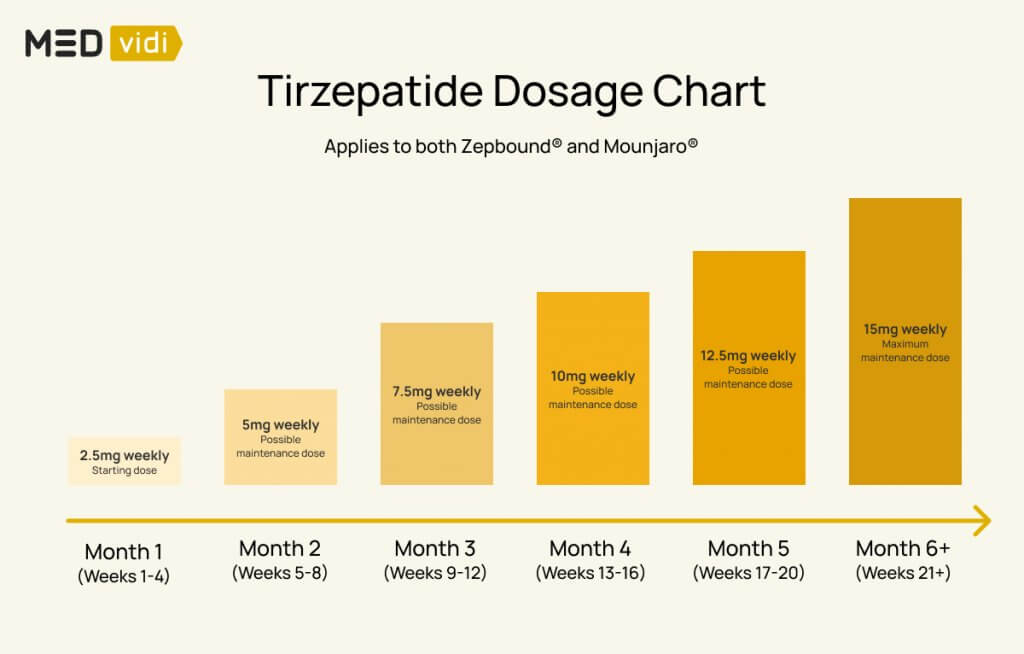
The lowest dose of tirzepatide is 2.5 mg, administered once weekly via a subcutaneous injection. From a clinical perspective, this dose is considered “sub-therapeutic” for significant weight loss or glycemic control; its primary function is to acclimate the body to the medication and minimize gastrointestinal side effects. From a financial perspective, however, this 2.5 mg dose represents the initial capital outlay in a long-term health investment.
Titration and the Financial Ladder
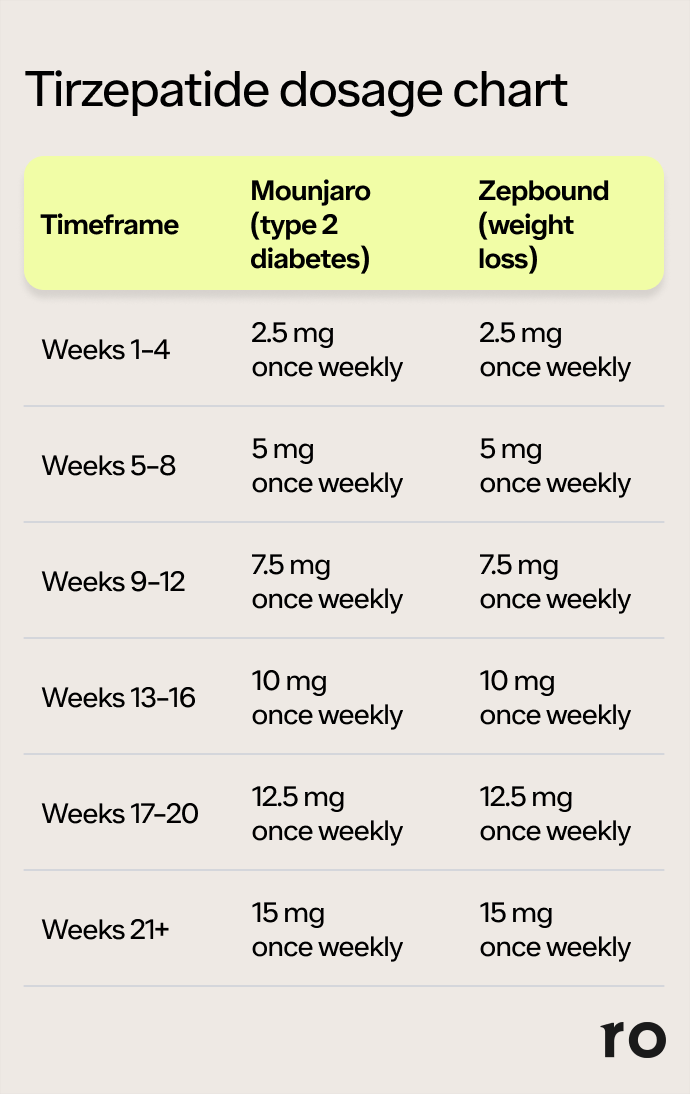
Tirzepatide is designed to be taken in escalating doses: 2.5 mg, 5 mg, 7.5 mg, 10 mg, 12.5 mg, and finally 15 mg. Each step up the ladder usually occurs after four weeks. For the consumer, this means that the “lowest dose” is merely the first month’s installment in an ongoing subscription to better health. Because the retail price of the 2.5 mg pen is often identical to the 15 mg pen, the “price-per-milligram” is significantly higher at the lower doses. This pricing strategy by manufacturers ensures a steady revenue stream regardless of where a patient is in their treatment journey.
Why “Starting Low” is a Fiscal Strategy for Patients
Choosing to start at the 2.5 mg dose is a necessary safeguard against “medical waste.” In the context of personal finance, jumping to a higher dose too quickly can lead to severe side effects, resulting in skipped doses or the abandonment of the treatment altogether. When a single month’s supply can cost upwards of $1,000 out-of-pocket, wasting a box of medication due to intolerance is a significant financial hit. Therefore, the lowest dose serves as a “due diligence” phase, ensuring the patient’s biological system can handle the “investment” before moving into higher, more effective stakes.
The GLP-1 Economy: Market Volatility and Supply Chain Costs
The demand for tirzepatide has created a unique economic phenomenon. As the lowest dose becomes the most common prescription for new patients, the supply chain has struggled to keep pace. This has led to a “scarcity economy” where the value of the drug transcends its MSRP.
Supply Chain Challenges and Market Value
The manufacturing of tirzepatide involves complex bioengineering and specialized “auto-injector” pens. When the 2.5 mg dose goes into shortage, it creates a ripple effect throughout the economy. Employers see increased absenteeism as patients struggle to find their medication, and pharmacies lose revenue when they cannot fulfill high-value prescriptions. For Eli Lilly, the manufacturer, the ability to scale the production of the lowest dose is a key driver of their market capitalization. Investors closely monitor “fill rates” and “script growth” at the 2.5 mg level as a leading indicator of future quarterly earnings.
Eli Lilly’s Portfolio and Investor Interest
Tirzepatide has turned Eli Lilly into one of the most valuable pharmaceutical companies in the world. The “lowest dose” serves as the top of the sales funnel. For every patient who starts on 2.5 mg, there is a high statistical probability of them becoming a multi-year customer. This “recurring revenue model” is why Wall Street has placed such a high premium on the stock. Unlike an antibiotic taken for seven days, tirzepatide is often framed as a chronic, long-term treatment, making the initial 2.5 mg dose the “customer acquisition” phase of a very lucrative lifetime value (LTV) calculation.
Personal Finance and Cost Management Strategies
For the individual consumer, the cost of the lowest dose of tirzepatide is a significant line item in a monthly budget. Navigating the “Money” side of this medication requires a sophisticated understanding of insurance, coupons, and alternative sourcing.
Insurance Coverage and the “Coupon” Economy
Most insurance plans have tiered formularies. The lowest dose of tirzepatide may require “Prior Authorization,” a process where a doctor must prove the medical necessity to the insurance provider to lower the out-of-pocket cost. In the absence of full coverage, Eli Lilly offers “Savings Cards” or coupons. These financial instruments can reduce the cost of the 2.5 mg dose from $1,100 to as low as $25 or $550, depending on insurance status. Understanding the expiration dates and “maximum benefit” caps of these coupons is a vital part of personal financial planning for anyone on the medication.
Comparing Costs: Brand Name vs. Compounding
The high cost of the branded 2.5 mg dose has birthed a massive secondary market: compounding pharmacies. Because tirzepatide has been on the FDA’s shortage list, compounding pharmacies are legally allowed to produce “essentially copies” of the drug. For many, the financial decision comes down to $1,000 for the branded pen versus $300 for a compounded vial of the 2.5 mg dose. While this offers a lower “cost of entry,” it introduces a different kind of risk—regulatory and quality control risk—which is a classic “high-risk, high-reward” financial trade-off.
The Long-Term ROI of Metabolic Health
When analyzing the “lowest dose of tirzepatide” through a financial lens, one must look at the Return on Investment (ROI). While the monthly cost is high, the long-term savings on healthcare can be astronomical.
Reducing Future Medical Liability
Obesity and type 2 diabetes are “expensive” diseases. They lead to high-cost complications such as cardiovascular disease, kidney failure, and orthopedic surgeries. By investing in the 2.5 mg starting dose and progressing through the treatment, a patient is essentially “hedging” against future medical bankruptcy. Actuarial data suggests that for every dollar spent on effective weight management today, thousands of dollars are saved in future hospitalizations and chronic care management.
The Indirect Economic Benefits of Weight Management
Beyond direct medical bills, there is a “productivity ROI.” Research indicates that patients who successfully manage their weight and blood sugar levels through medications like tirzepatide see an increase in energy levels, a reduction in “brain fog,” and a decrease in sick days. In the professional world, this translates to higher earning potential and career longevity. The 2.5 mg dose is the “seed capital” for a more productive and financially stable future.

Conclusion: The Bottom Line on the Lowest Dose
The question “What is the lowest dose of tirzepatide?” may seem like a simple medical inquiry, but it is actually the starting point for a complex financial journey. The 2.5 mg dose is the threshold to a new era of metabolic health—one that requires careful financial planning, an understanding of market dynamics, and a clear-eyed view of long-term ROI.
For the patient, it is an entry-level cost with the potential for life-changing health returns. For the investor, it is the fundamental unit of a booming biotech sector. For the healthcare system, it is a tool that, despite its high initial price tag, may eventually lower the staggering cost of chronic disease. In the economy of 2024 and beyond, tirzepatide is more than just a drug; it is a significant financial asset in the quest for human longevity.
aViewFromTheCave is a participant in the Amazon Services LLC Associates Program, an affiliate advertising program designed to provide a means for sites to earn advertising fees by advertising and linking to Amazon.com. Amazon, the Amazon logo, AmazonSupply, and the AmazonSupply logo are trademarks of Amazon.com, Inc. or its affiliates. As an Amazon Associate we earn affiliate commissions from qualifying purchases.