
Obtaining a bachelor’s degree is often touted as the most significant financial investment a young adult will make. However, in an evolving economic landscape, the degree itself is no longer a guaranteed ticket to wealth; rather, it is a versatile financial instrument. To truly answer the question, “What can I do with a bachelor’s degree?” one must look through the lens of capital, Return on Investment (ROI), and long-term wealth accumulation. This article explores how to leverage your undergraduate education to maximize your earning potential, manage the debt associated with it, and pivot into high-yield financial opportunities.
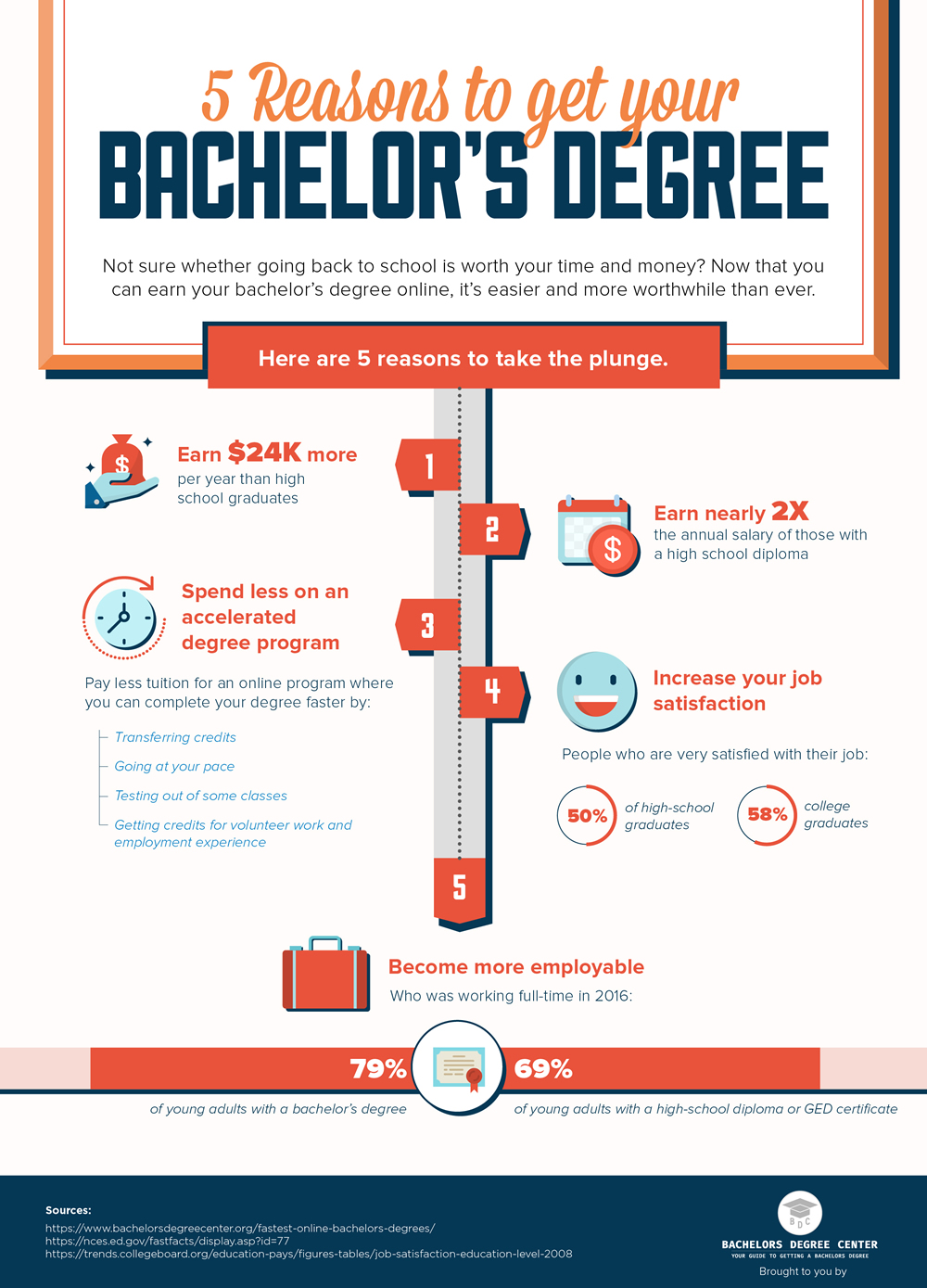
1. The ROI Framework: Turning Academic Credentials into High-Yield Careers
The primary financial function of a bachelor’s degree is to increase your lifetime earning ceiling. From a strictly “Money” perspective, certain degrees act as entry tickets to high-margin industries where the barrier to entry is high, but the potential for capital accumulation is even higher.
Identifying High-Income Career Pathways
Not all degrees offer the same financial velocity. Those who find themselves with a degree in business, economics, or quantitative fields often have a direct path to the financial services sector. However, even those with liberal arts or humanities degrees can find high-yield roles in corporate management, sales, and logistics. The key is to identify industries where the “revenue per employee” is high. Working in sectors like FinTech, private equity, or enterprise software sales allows you to capture a portion of high-value transactions, significantly outpacing the median wage of general degree holders.
The Art of Salary Negotiation as a Financial Strategy
The most critical moment for your net worth occurs at the point of your first job offer. Many graduates view a salary offer as a binary “yes or no” choice. From a wealth-building perspective, it is a negotiation. A $5,000 difference in a starting salary may seem small, but when compounded over a 40-year career with 3% annual raises, it equates to hundreds of thousands of dollars in lost lifetime earnings. Utilizing your degree as leverage—highlighting specific research projects, internships, or technical proficiencies—is the first step in active wealth management.
Leveraging the Degree for Corporate Benefits and Equity
Beyond the base salary, a bachelor’s degree grants access to sophisticated compensation packages. This includes 401(k) matching, Health Savings Accounts (HSAs), and Employee Stock Purchase Plans (ESPPs). Treating these benefits as part of your total investment portfolio is essential. A 5% employer match on a 401(k) is essentially a 100% return on your investment, a rate unattainable in any traditional market.
2. Income Diversification: Using Your Degree for Side Hustles and Online Income
In the modern economy, a single stream of income is a financial risk. A bachelor’s degree provides “intellectual equity” that can be liquidated through various side hustles and business ventures. Your degree serves as a badge of credibility that allows you to charge premium rates in the gig economy.
Monetizing Specialized Knowledge through Consulting
If you hold a degree in a specialized field—be it biology, accounting, or communications—you possess knowledge that others are willing to pay for. Freelance consulting is one of the most effective ways to generate online income. Platforms like Upwork or Toptal allow degree holders to command hourly rates significantly higher than the average worker. By positioning yourself as an “expert” rather than a “generalist,” you utilize your degree to bypass the low-wage competition of the general labor market.
High-Ticket Tutoring and Academic Services
The education market is a multi-billion dollar industry. A bachelor’s degree qualifies you to tutor high school and college students in specific subjects or for standardized tests like the SAT, GRE, or LSAT. Unlike standard part-time jobs, high-ticket tutoring allows for a significant hourly ROI. For many, this “side hustle” can eventually evolve into a full-scale educational business or a digital course platform, providing passive income streams that supplement a primary salary.
Content Creation and the Knowledge Economy
We are living in the era of the “Knowledge Economy.” Your degree gives you the foundational research skills to produce authoritative content. Whether it is starting a finance-focused YouTube channel, a niche business blog, or a subscription-based newsletter on Substack, your academic background provides the “Proof of Work” needed to build trust with an audience. Trust, in the digital age, is a direct precursor to monetization through sponsorships, affiliate marketing, and digital product sales.

3. Debt Management and Wealth Building for New Graduates
For many, the bachelor’s degree comes with a significant liability: student loans. To answer what you can “do” with your degree, you must first address how to manage the cost of acquiring it. Financial freedom is not just about how much you earn, but how much you keep.
The Debt-to-Equity Ratio: Strategic Repayment
The “Money” niche often debates the merits of aggressive debt repayment versus investing. If your student loan interest rate is 4% and the average stock market return is 7-10%, math suggests investing the surplus. However, the psychological “ROI” of being debt-free cannot be understated. A bachelor’s degree holder should view their debt as a business loan used to acquire a human capital asset (themselves). Managing this debt through refinancing, income-driven repayment plans, or public service loan forgiveness is a vital component of a personal balance sheet.
Early Investing: The Power of Compounding
The greatest advantage a recent graduate has is time. Even a small amount invested immediately after graduation can grow exponentially. Using the “bachelor’s degree premium”—the extra income earned compared to a high school graduate—to fund a Roth IRA or an index fund is the most effective way to build long-term wealth. If a 22-year-old graduate invests just $500 a month into a diversified portfolio, they are likely to retire as a multi-millionaire, regardless of their specific major.
Building an Emergency Fund and Financial Buffer
A degree provides a level of job security, but the economy is volatile. Using the first few years of post-grad income to build a “runway” or emergency fund (3-6 months of expenses) is a foundational financial move. This liquid capital allows you to take risks later in your career—such as leaving a job to start a business or moving to a higher-cost, higher-opportunity city—without the fear of financial ruin.
4. Strategic Upskilling: Increasing Your Market Value
A bachelor’s degree is a “base layer” in your financial architecture. To stay competitive and continue increasing your “income per hour,” you must engage in strategic upskilling. This involves adding low-cost, high-value certifications to your existing degree to trigger salary bumps.
Financial Certifications and Technical Proficiencies
Regardless of your major, gaining proficiency in financial tools—such as Advanced Excel, Python for Data Analysis, or a Project Management Professional (PMP) certification—can increase your market value by 20-30%. These “micro-credentials” act as force multipliers for your degree. They signal to the market that you are not only theoretically educated but also tactically capable of generating revenue for an organization.
Networking for Net Worth
There is a common financial adage: “Your network is your net worth.” A bachelor’s degree provides access to an alumni network, which is essentially a private database of high-net-worth individuals and decision-makers. Engaging with this network is a form of social capital management. Referrals for high-paying positions often happen within these circles, bypassing the traditional (and often lower-paying) job boards. Strategic networking can lead to “asymmetric opportunities”—situations where the potential upside far outweighs the effort involved.
Transitioning into the Business of Your Field
As you progress, the most financially lucrative move is often transitioning from the “doing” of a profession to the “business” of that profession. A biology major may start in a lab, but the real wealth is often found in biotech management or medical sales. An art major might start as a designer but finds higher ROI as a creative director or agency owner. Your bachelor’s degree provides the foundational vocabulary to make this transition into the higher-paying administrative and executive tiers of any industry.
Conclusion: The Degree as a Financial Foundation
In conclusion, a bachelor’s degree is much more than an academic milestone; it is a foundational asset in your personal financial portfolio. What you “do” with it depends on your ability to view your career as a business. By maximizing your starting ROI through negotiation, diversifying your income through side hustles, managing your debt with precision, and continuously upskilling to increase your market value, you turn your education into a powerful engine for wealth creation.
The true value of the degree lies in the options it provides. It offers a safety net, a credential for credibility, and a platform for compounding wealth. In the world of money, the most successful individuals are those who treat their education not as a finished product, but as the first major investment in a lifelong strategy of financial growth.
aViewFromTheCave is a participant in the Amazon Services LLC Associates Program, an affiliate advertising program designed to provide a means for sites to earn advertising fees by advertising and linking to Amazon.com. Amazon, the Amazon logo, AmazonSupply, and the AmazonSupply logo are trademarks of Amazon.com, Inc. or its affiliates. As an Amazon Associate we earn affiliate commissions from qualifying purchases.