
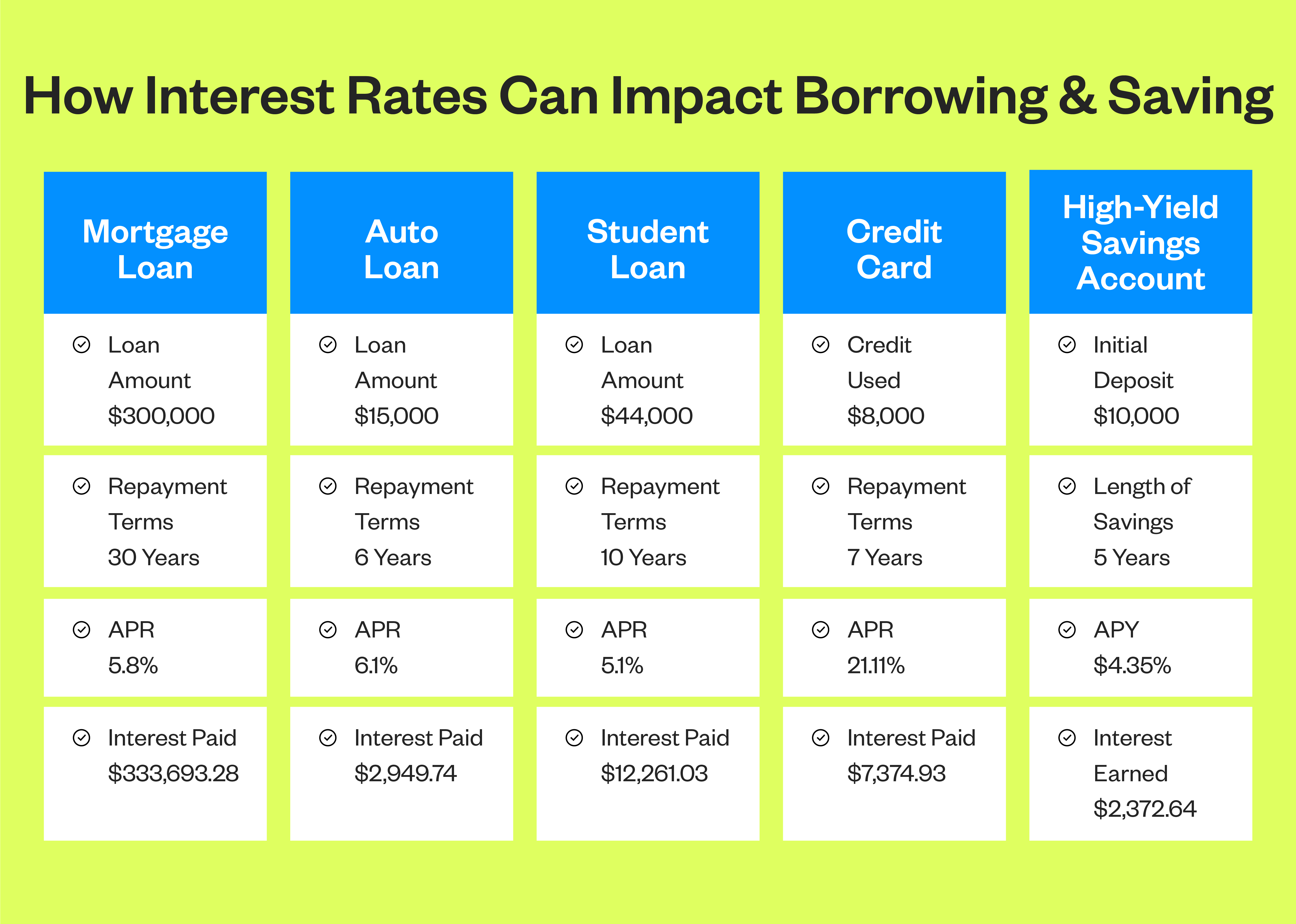
The concept of a loan interest rate is fundamental to personal finance, business operations, and the global economy. At its core, an interest rate is the cost of borrowing money or the return on lending money, expressed as a percentage of the principal amount. For borrowers, it represents the additional sum they must pay back beyond the original amount received. For lenders, it’s the compensation they receive for the risk taken and the opportunity cost of not using their capital elsewhere. Understanding loan interest rates is crucial for making informed financial decisions, whether you’re taking out a mortgage, financing a car, securing a business loan, or simply using a credit card. It directly impacts the total cost of borrowing, the affordability of payments, and your overall financial health.
Understanding the Core Concept of Loan Interest Rates
To truly grasp the significance of loan interest rates, one must first deconstruct its foundational elements and purpose within the financial ecosystem. It’s more than just a number; it’s a crucial mechanism that balances the needs of borrowers and lenders, lubricates economic activity, and prices risk.
The Definition and Purpose of Interest
Interest, in its simplest form, is the rental fee for money. When an individual or entity borrows money, they are essentially renting capital from a lender. The interest rate dictates how much that rental fee will be over a specified period, typically expressed as an annual percentage. For instance, if you borrow $10,000 at a 5% annual interest rate, you’ll owe $500 in interest for that year, in addition to the principal repayment. The primary purpose of interest is to compensate the lender for several factors: the time value of money, the risk of default, and the opportunity cost of lending. Money available today is generally worth more than the same amount in the future due to its potential earning capacity. Lenders, therefore, require compensation for deferring their immediate use of funds.
Why Borrowers Pay Interest
From a borrower’s perspective, paying interest is a necessary cost to access capital they don’t currently possess. This capital allows them to achieve various goals: purchasing a home, funding an education, expanding a business, buying a car, or covering unexpected expenses. Without the mechanism of interest, lenders would have little incentive to part with their money, making credit incredibly scarce or non-existent. Borrowers agree to pay interest because the benefits derived from using the borrowed funds—such as acquiring an asset that appreciates, generating revenue, or meeting immediate needs—outweigh the cost of borrowing. It enables them to leverage future earnings or asset value for present-day opportunities.
Why Lenders Charge Interest
Lenders, whether banks, credit unions, or private individuals, charge interest primarily to make a profit and manage risk. This profit covers their operational costs, allows them to build reserves, and provides a return to their investors or shareholders. Beyond profit, interest rates are carefully calibrated to account for the inherent risks associated with lending. There’s always a chance a borrower might default and not repay the loan. A higher interest rate on a risky loan compensates the lender for this increased probability of loss. Furthermore, lending money means the lender cannot use that capital for other investments that could generate returns; the interest rate covers this “opportunity cost” and also factors in inflation, ensuring that the money repaid in the future has similar purchasing power to the money lent today.
Types of Loan Interest Rates
The financial market offers a variety of interest rate structures, each with distinct implications for borrowers. Understanding these types is crucial for selecting a loan that aligns with your financial goals and risk tolerance.
Fixed Interest Rates: Stability and Predictability
A fixed interest rate remains constant throughout the entire life of the loan. This means your monthly principal and interest payments will not change, regardless of fluctuations in the broader economic environment or benchmark rates like the prime rate or federal funds rate. The primary advantage of a fixed rate is predictability. Borrowers can budget with certainty, knowing exactly how much they owe each month. This stability is particularly appealing for long-term loans like mortgages, where interest rate changes could significantly impact affordability over decades. The downside is that if market interest rates fall significantly, you won’t benefit from lower payments unless you refinance the loan.
Variable (Adjustable) Interest Rates: Flexibility and Risk
Conversely, a variable or adjustable interest rate (often called an ARM for Adjustable-Rate Mortgage) can change over the life of the loan. These rates are typically tied to a specific financial index, such as the prime rate, LIBOR (London Interbank Offered Rate, now largely replaced by SOFR), or the federal funds rate. Variable rates usually start lower than fixed rates, making them attractive initially. However, they can increase or decrease based on market movements. While they offer the potential for lower payments if rates fall, they also carry the risk of higher payments if rates rise. Many variable-rate loans have caps (limits) on how much the rate can adjust up or down during a given period and over the life of the loan, providing some protection against extreme fluctuations.
Annual Percentage Rate (APR) vs. Nominal Interest Rate
It’s vital for borrowers to distinguish between the nominal interest rate and the Annual Percentage Rate (APR). The nominal interest rate is simply the stated interest rate on the loan, the percentage applied to the principal. However, it often doesn’t tell the whole story. The Annual Percentage Rate (APR) provides a more comprehensive measure of the total cost of borrowing. It includes not only the nominal interest rate but also other charges and fees associated with the loan, such as origination fees, discount points, closing costs, and mortgage insurance premiums. The APR is designed to give consumers a standardized way to compare the true cost of different loan offers, making it a more accurate reflection of the total financial burden. A higher APR means a higher overall cost for the borrower.
Key Factors Influencing Loan Interest Rates
Loan interest rates are not arbitrarily set; they are the product of a complex interplay of economic forces, individual borrower characteristics, and lender-specific policies. Understanding these influences can empower you to seek better terms.
Economic Conditions: Inflation and Central Bank Policies
Macroeconomic factors play a significant role in shaping interest rates. Inflation, the rate at which the general level of prices for goods and services is rising, erodes the purchasing power of money over time. Lenders demand higher interest rates during periods of high inflation to ensure that the money they are repaid in the future has comparable value to the money they lend today. Central bank policies, particularly those of the Federal Reserve in the U.S., are perhaps the most influential factor. The Federal Reserve manipulates the federal funds rate – the target rate for interbank lending – to manage the money supply and control inflation. When the Fed raises this rate, it typically leads to an increase in interest rates across various financial products, including mortgages, car loans, and credit cards, as the cost of borrowing for banks themselves rises. Conversely, lowering the federal funds rate aims to stimulate economic activity by making borrowing cheaper.
Borrower’s Creditworthiness: Credit Score and Debt-to-Income Ratio

Perhaps the most direct and personal factor influencing the interest rate offered to an individual borrower is their creditworthiness. Lenders assess a borrower’s likelihood of repaying the loan. A strong credit score (e.g., FICO or VantageScore) indicates a history of responsible borrowing and timely payments, signaling lower risk to the lender. Borrowers with excellent credit scores typically qualify for the lowest available interest rates. Conversely, a poor credit score suggests a higher risk of default, leading lenders to charge higher interest rates to compensate for that increased risk.
Another critical metric is the debt-to-income (DTI) ratio, which compares a borrower’s total monthly debt payments to their gross monthly income. A lower DTI ratio indicates that a borrower has more disposable income to cover new debt obligations, making them a less risky prospect and potentially qualifying them for more favorable rates.
Loan Type and Term: Secured vs. Unsecured, Short-term vs. Long-term
The nature of the loan itself significantly impacts its interest rate. Secured loans, such as mortgages or auto loans, are backed by collateral (the home or car). If the borrower defaults, the lender can seize the collateral to recover their losses, reducing the lender’s risk. Consequently, secured loans generally carry lower interest rates than unsecured loans, like personal loans or credit cards, which have no collateral. Without collateral, the lender bears higher risk, which is reflected in higher interest rates.
The loan term (the duration over which the loan is repaid) also plays a role. Longer-term loans, like 30-year mortgages, typically have slightly higher interest rates than shorter-term alternatives (e.g., 15-year mortgages). This is because a longer term exposes the lender to more potential economic volatility and inflation risk over time.
Lender’s Risk Assessment and Business Model
Finally, each lender applies its own specific risk assessment models and operates under a unique business model. Some lenders specialize in high-risk loans and charge significantly higher interest rates, while others cater to prime borrowers with excellent credit and offer competitive low rates. The lender’s operational costs, profit margins, competitive landscape, and overall loan portfolio strategy all contribute to the rates they offer. For instance, an online lender with lower overhead costs might be able to offer slightly better rates than a traditional brick-and-mortar bank for certain products.
How Loan Interest Rates Are Calculated and Applied
Understanding how interest rates translate into actual payments requires delving into the mechanics of calculation and repayment schedules. It’s not just the percentage that matters, but also how it’s applied over time.
Simple Interest vs. Compound Interest
The two primary methods for calculating interest are simple interest and compound interest.
Simple interest is calculated only on the original principal amount of the loan. It remains constant throughout the loan term, making it straightforward to calculate. For example, if you borrow $1,000 at 5% simple annual interest for three years, you’d pay $50 in interest each year, totaling $150. Simple interest is less common for consumer loans but might be seen in some short-term personal loans or specific business financing structures.
Compound interest, by contrast, is calculated on the principal amount and on the accumulated interest from previous periods. This means “interest on interest.” Most consumer loans, like mortgages, car loans, and credit cards, use compound interest. While powerful for savers, it means borrowers pay more over time. If you borrow $1,000 at 5% annual compound interest, in year one you pay $50. In year two, the interest is calculated on $1,050, and so on, leading to a higher total interest paid compared to simple interest for the same principal and rate. The more frequently interest is compounded (e.g., monthly vs. annually), the faster the total amount owed grows.
Amortization Schedules: Breaking Down Payments
For installment loans, particularly those with fixed rates and terms like mortgages or car loans, payments are typically structured using an amortization schedule. This is a table detailing each payment made over the life of the loan, breaking down how much of each payment goes towards interest and how much goes towards reducing the principal balance.
In the early stages of an amortizing loan, a larger portion of each payment goes towards interest. As the principal balance gradually decreases with each payment, a greater share of subsequent payments then goes towards principal reduction. This front-loading of interest means that making extra payments early in the loan term can significantly reduce the total interest paid over the life of the loan, as it chips away at the principal balance on which future interest is calculated.
The Impact of Compounding Frequency
The frequency with which interest is compounded can have a substantial impact on the total amount a borrower pays. While an interest rate might be quoted annually, it is often compounded more frequently – monthly, daily, or even continuously. For example, a 10% annual interest rate compounded monthly will result in a slightly higher effective annual rate than a 10% annual interest rate compounded annually. This is because interest begins accruing on the previously accumulated interest more often. When comparing loan offers, it’s crucial to look beyond just the nominal rate and consider the APR, which effectively incorporates the compounding frequency and other fees to provide a truer cost of borrowing.
Strategies for Managing and Optimizing Loan Interest Rates
Navigating the world of loan interest rates can be complex, but with proactive strategies, borrowers can significantly reduce their borrowing costs and improve their financial outcomes.
Improving Your Credit Profile
Since creditworthiness is a primary driver of interest rates, consistently improving your credit profile is one of the most effective strategies. This involves several key actions:
- Pay bills on time, every time: Payment history is the most critical factor in your credit score.
- Reduce credit utilization: Keep your credit card balances low relative to your credit limits.
- Avoid opening too many new accounts simultaneously: This can signal increased risk to lenders.
- Review your credit report regularly: Check for errors and dispute any inaccuracies.
- Maintain a diverse credit mix: Showing you can manage different types of credit (e.g., installment loans and revolving credit) responsibly.
A higher credit score demonstrates reliability to lenders, making you eligible for lower, more favorable interest rates.
Shopping Around for the Best Rates
Never accept the first loan offer you receive. Interest rates can vary significantly between different lenders, even for borrowers with identical credit profiles. It’s crucial to shop around and compare offers from multiple banks, credit unions, and online lenders.
- Get pre-approved: For larger loans like mortgages, getting pre-approved by several lenders allows you to compare actual offers without committing.
- Request rate quotes: For smaller loans, obtain direct rate quotes based on your specific financial situation.
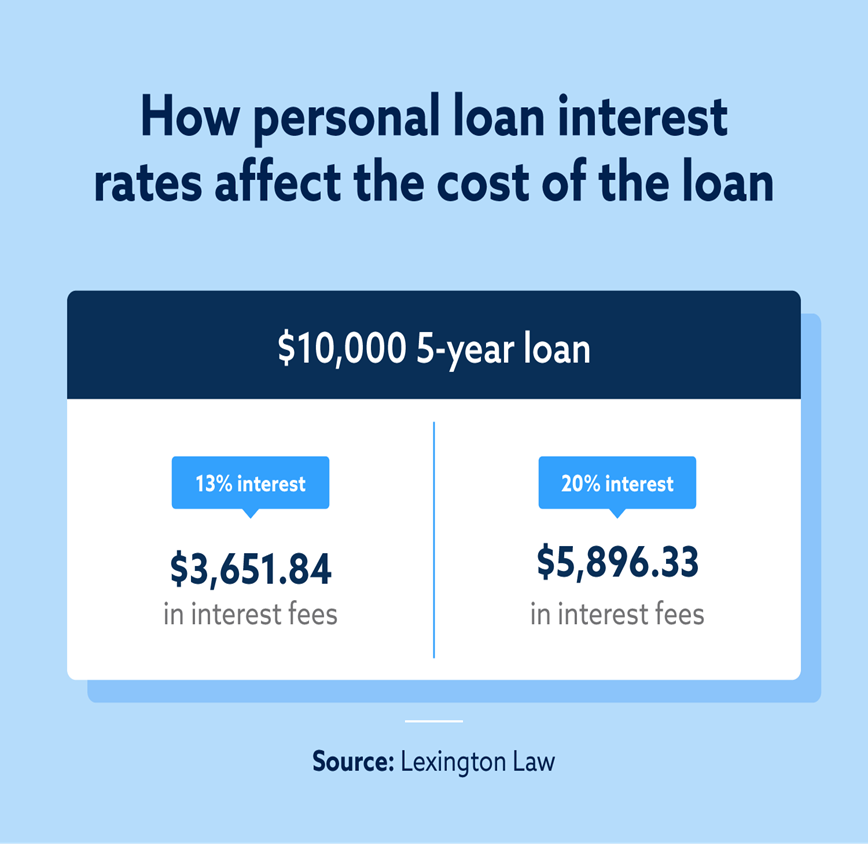
- Focus on the APR: As discussed, the APR provides the most comprehensive measure of the loan’s true cost, including fees, allowing for accurate comparisons. This diligent comparison can save you thousands of dollars over the life of a loan.
Refinancing and Loan Consolidation
For existing loans, refinancing can be a powerful tool to secure a lower interest rate, especially if your credit score has improved or market rates have fallen since you took out the original loan. Refinancing involves taking out a new loan to pay off an old one, ideally with more favorable terms (lower interest rate, shorter term, or different payment structure).
Loan consolidation is a specific type of refinancing where multiple existing debts (e.g., credit card balances, personal loans) are combined into a single new loan, often with a lower overall interest rate and a single monthly payment. This can simplify debt management and reduce total interest costs, particularly if you’re consolidating high-interest credit card debt. However, be cautious not to extend the repayment period too much, as this could lead to paying more interest over the long run, even with a lower rate.
Understanding Loan Terms Before Committing
Before signing any loan agreement, meticulously review and understand all the terms and conditions, not just the interest rate.
- Read the fine print: Pay attention to fees (origination fees, prepayment penalties, late payment fees), grace periods, and default clauses.
- Know the payment schedule: Understand how many payments you’ll make, when they’re due, and the breakdown of principal vs. interest.
- Understand variable rate mechanics: If it’s a variable-rate loan, know the index it’s tied to, adjustment frequency, and any caps on rate increases.
- Ask questions: Don’t hesitate to ask the lender for clarification on anything you don’t understand.
A thorough understanding ensures there are no surprises and that the loan truly aligns with your financial capacity and objectives.
In conclusion, the loan interest rate is far more than a simple percentage; it is a dynamic financial instrument influenced by economic tides, personal creditworthiness, and the specific characteristics of the loan product itself. By comprehending its definition, types, influencing factors, calculation methods, and strategic management techniques, individuals and businesses can make smarter borrowing decisions, minimize costs, and build a more secure financial future.
aViewFromTheCave is a participant in the Amazon Services LLC Associates Program, an affiliate advertising program designed to provide a means for sites to earn advertising fees by advertising and linking to Amazon.com. Amazon, the Amazon logo, AmazonSupply, and the AmazonSupply logo are trademarks of Amazon.com, Inc. or its affiliates. As an Amazon Associate we earn affiliate commissions from qualifying purchases.