
Welding, at its core, is the art and science of joining materials, typically metals or thermoplastics, by causing coalescence. This process often involves melting the workpieces and adding a filler material to form a strong joint. While the visible spark and molten metal are the stars of the show, an often unsung hero plays a critical role in ensuring the integrity and quality of the weld: flux. In the realm of advanced manufacturing and fabrication, understanding flux is not merely academic; it is fundamental to achieving robust, reliable, and defect-free welds across a myriad of applications.
The Fundamental Role of Flux
Flux, in welding, is a chemical cleaning and protective agent used to facilitate the joining process. Its primary purpose is to prepare the surfaces for welding, protect the molten weld pool from atmospheric contamination, and often enhance the metallurgical properties of the weld metal. Without flux, many common welding processes would be impractical or yield inferior results, plagued by porosity, brittleness, and poor mechanical strength.
Protecting the Weld Pool
The most critical function of flux is to shield the molten weld pool from the ambient atmosphere. When metal is heated to its melting point, it becomes highly reactive with gases present in the air, particularly oxygen and nitrogen. Oxygen can lead to oxides that weaken the weld and cause porosity, while nitrogen can embrittle the weld metal, reducing its ductility and impact strength.
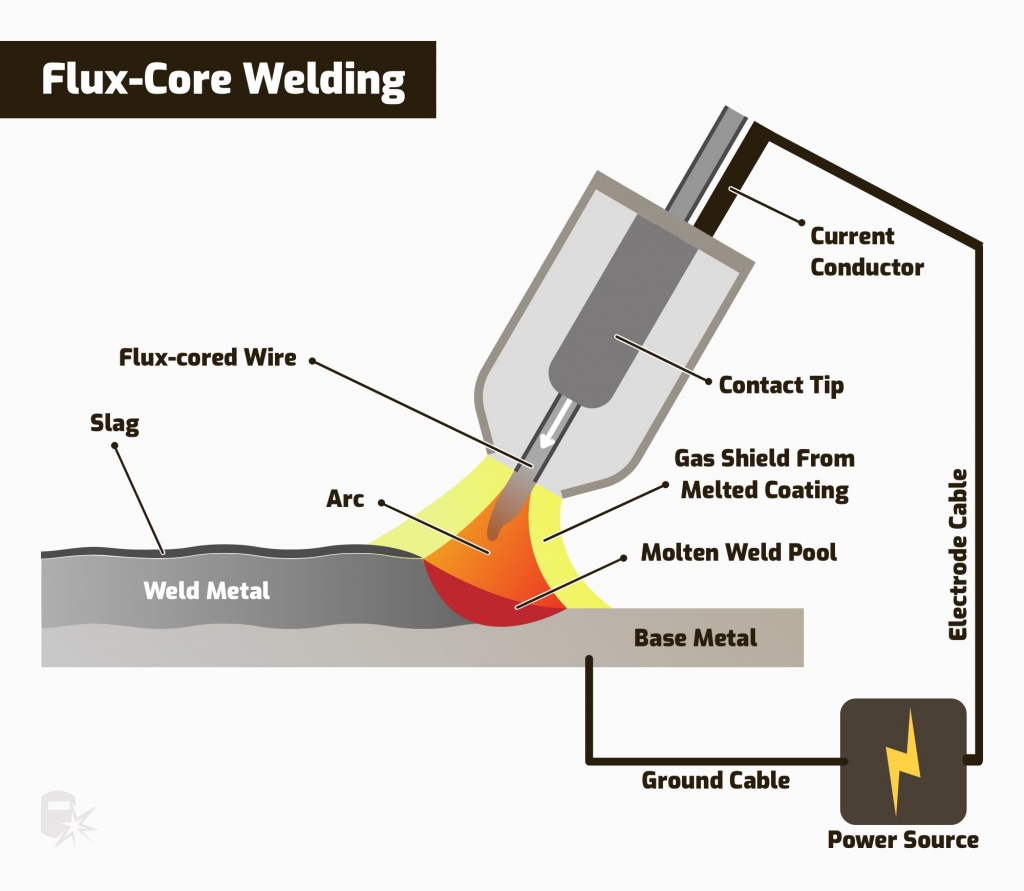
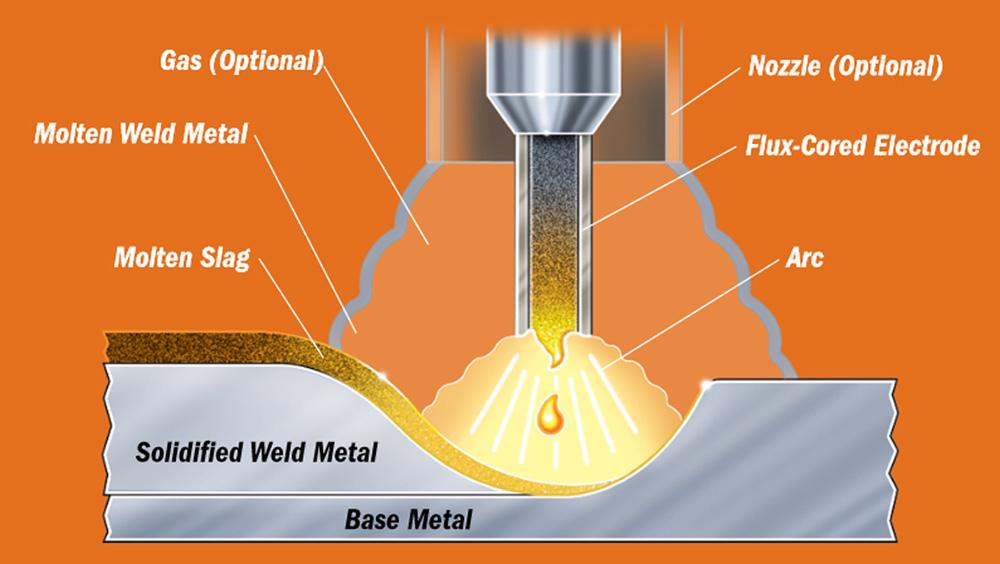
As the welding arc generates intense heat, the flux material, typically composed of various minerals, metallic powders, and binders, rapidly melts, decomposes, and vaporizes. This creates a protective gas shield around the molten metal. Simultaneously, the molten flux forms a slag layer that floats on top of the weld pool. This molten slag acts as a physical barrier, preventing direct contact between the molten metal and the atmospheric gases. As the weld cools, the slag solidifies, encasing the weld bead and further protecting it until it reaches a temperature where atmospheric reactivity is no longer a significant concern. This slag is then chipped away once the weld has cooled sufficiently.
Stabilizing the Arc
Beyond protection, flux plays a vital role in stabilizing the welding arc. The arc, the electric discharge that generates the intense heat required for welding, can be erratic and difficult to control without proper conditioning. Flux contains various elements, including alkali and alkaline earth metals, which ionize readily in the heat of the arc. This ionization enhances the electrical conductivity of the arc plasma, making the arc more stable, concentrated, and easier to manage. A stable arc translates to a smoother welding process, better penetration, and a more consistent weld bead. Without this stabilization, the arc would wander, flicker, and extinguish frequently, making precise and consistent welding exceedingly difficult.
Enhancing Weld Metallurgy
The composition of flux is not arbitrary; it is carefully engineered to influence the chemical and mechanical properties of the final weld. Flux can introduce alloying elements into the weld metal, refining its grain structure, improving its strength, toughness, and corrosion resistance. For instance, deoxidizers like manganese and silicon are often included in flux formulations to scavenge oxygen from the molten metal, preventing porosity and improving ductility. Other elements might be added to control arc characteristics, improve slag detachability, or introduce specific alloying components to match the base metal or achieve desired mechanical properties. This metallurgical contribution is crucial for high-performance applications where specific material properties are paramount.
Types of Flux and Their Applications
The application and form of flux vary significantly depending on the welding process. Each method utilizes flux in a unique way to achieve its specific goals.
Shielded Metal Arc Welding (SMAW) – Stick Welding
In SMAW, commonly known as stick welding, the flux is coated onto the outside of a consumable electrode (the “stick”). This is perhaps the most direct and visually apparent use of flux. As the electrode is consumed, the flux coating melts, producing the protective gas shield and forming the slag. The specific composition of the flux coating dictates the arc characteristics, weld penetration, mechanical properties, and even the welding position capabilities of the electrode. For example, some fluxes are designed for deep penetration, while others are optimized for out-of-position welding.
Flux-Cored Arc Welding (FCAW)
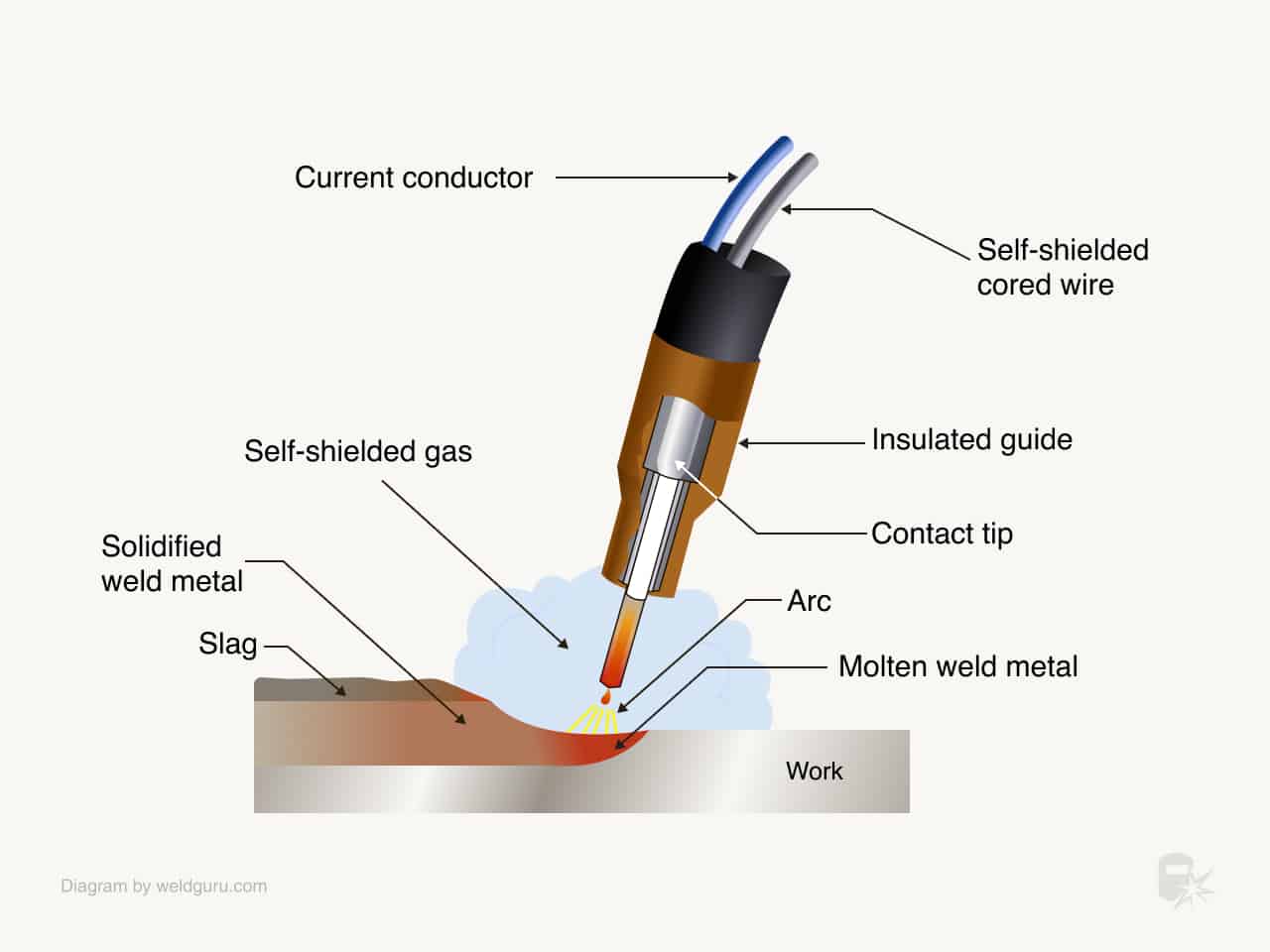
FCAW uses a continuously fed tubular wire that contains flux in its core. Unlike SMAW, where the flux is external, FCAW integrates the flux internally. As the wire feeds into the arc, the flux melts and performs the same protective and metallurgical functions as in SMAW. FCAW can be performed with or without an external shielding gas. Self-shielded FCAW relies solely on the flux for atmospheric protection, making it highly portable and suitable for outdoor use. Gas-shielded FCAW uses an additional external shielding gas (e.g., CO2) alongside the flux, offering enhanced weld quality and versatility, often preferred for critical applications requiring higher deposition rates and improved mechanical properties.
Submerged Arc Welding (SAW)
SAW employs a granular flux that completely covers the welding arc and the molten weld pool, hence the term “submerged.” This process uses a continuously fed bare wire electrode. The flux is deposited ahead of the arc, and the arc operates beneath this blanket of flux. Only a portion of the flux melts and contributes to the weld metal and slag; the unused portion can often be recovered and reused. SAW is known for its extremely high deposition rates, deep penetration, and excellent weld quality, making it ideal for thick plates and long, straight welds found in shipbuilding, pressure vessel fabrication, and structural steel applications. The extensive slag coverage provides superior atmospheric protection and slows the cooling rate, which can be beneficial for certain alloys, reducing the risk of hydrogen-induced cracking.
Brazing and Soldering Fluxes
While not strictly welding in the traditional sense of melting the base metal, brazing and soldering also utilize flux to achieve strong joints. In these lower-temperature joining processes, the flux’s primary role is to clean the surfaces of oxides and prevent their re-formation during heating. This allows the filler metal (brazing alloy or solder) to wet the base metals effectively and flow into the joint by capillary action, creating a strong metallurgical bond without melting the base materials themselves. The choice of flux depends on the specific base metals and filler metals being used, as different alloys require different chemical activities to remove their respective oxides.
The Science Behind Flux Action
The effectiveness of flux stems from a complex interplay of chemical reactions, physical properties, and electrical phenomena occurring at high temperatures.
Slag Formation and Its Properties
The molten slag created by the flux is more than just a physical barrier. Its chemical composition influences its viscosity, density, and surface tension. A well-designed slag should have a lower density than the molten metal, allowing it to float on top. Its viscosity needs to be carefully balanced: too thin, and it might not provide adequate coverage; too thick, and it can become entrapped in the weld or be difficult to remove. The slag also plays a role in removing impurities from the molten metal, absorbing oxides and other contaminants. As the weld cools, the slag solidifies, and its detachability is a key factor for productivity and post-weld cleaning.
Deoxidation and Alloying Elements
Fluxes contain powerful deoxidizers such as manganese, silicon, and titanium. These elements have a high affinity for oxygen and react with it in the molten pool, forming stable oxides that become part of the slag, preventing the formation of detrimental oxides within the weld metal. This process is crucial for preventing porosity and improving the mechanical properties of the weld. Beyond deoxidation, fluxes can introduce specific alloying elements, such as nickel, chromium, or molybdenum, to tailor the mechanical properties (strength, hardness, toughness, corrosion resistance) of the weld metal to match or even exceed the base material’s properties. This is especially important when welding specialized alloys or when specific service conditions demand enhanced performance from the weld.
Arc Characteristics and Stability
The ionization potential of elements within the flux directly impacts arc stability. Elements like potassium, sodium, and lithium have low ionization potentials, meaning they readily give up electrons in the high-temperature environment of the arc. This creates a dense, conductive plasma that stabilizes the arc, making it more focused and controllable. Different flux compositions can alter the arc voltage, current distribution, and heat input, allowing for precise control over weld penetration and bead profile.
Advantages and Disadvantages of Using Flux
While flux is indispensable for many welding processes, its use comes with both significant advantages and certain considerations.
Benefits in Diverse Applications
The primary advantage of flux is its versatility and effectiveness in protecting the weld pool, making it suitable for a wide range of materials and applications. Flux-based processes like SMAW and self-shielded FCAW are highly portable and excel in outdoor or windy conditions where gas shielding would be impractical. SAW offers extremely high deposition rates and deep penetration, making it cost-effective for heavy fabrication. The ability of flux to introduce alloying elements allows for metallurgical tailoring, producing welds with specific properties that might be difficult to achieve otherwise. Furthermore, flux can often accommodate less-than-perfect surface preparation by cleaning contaminants during the welding process.
Challenges and Considerations
Despite its benefits, using flux introduces certain challenges. The most immediate is the need for post-weld cleaning to remove the solidified slag. This adds an additional step to the fabrication process and can be labor-intensive, particularly in complex geometries. Slag inclusions, where portions of the slag become trapped within the weld metal, are a potential defect that can compromise weld integrity. Moisture absorption by flux coatings can be a significant issue, leading to hydrogen-induced cracking if not properly managed through baking and storage. Fumes generated by flux decomposition can also be a health hazard, necessitating proper ventilation and personal protective equipment. The inherent waste from unused flux in processes like SAW or the discarded stub ends from SMAW electrodes can also be a consideration for material efficiency.
Proper Handling and Selection
Optimizing the use of flux requires careful attention to its selection, storage, and application.
Storage and Moisture Control
Moisture is the archenemy of most fluxes. Many flux compositions are hygroscopic, meaning they readily absorb moisture from the air. Hydrogen, derived from moisture, can dissolve in the molten weld pool and lead to severe defects such as hydrogen-induced cracking (HIC), especially in high-strength steels. Therefore, fluxes, particularly electrode coatings for SMAW, must be stored in dry conditions, often in heated ovens or hermetically sealed containers. Electrodes that have absorbed moisture typically require re-baking at specific temperatures and durations to drive out the hydrogen before use.
Matching Flux to Base Metal and Application
The selection of flux is a critical engineering decision. It must be compatible with the base metal being welded, the filler metal being used, and the desired mechanical properties of the final weld. Manufacturers provide extensive data sheets specifying the chemical composition of the flux, its intended applications, mechanical property ranges, and storage requirements. Welders and engineers must consider factors such as the type of material (carbon steel, stainless steel, cast iron, etc.), joint design, welding position, environmental conditions, and the required strength and toughness of the weld. For instance, a basic flux might be chosen for low-hydrogen applications on critical components, while a rutile flux might be preferred for ease of use and good bead appearance in general fabrication. Understanding these nuances is key to leveraging flux effectively in modern welding operations.
aViewFromTheCave is a participant in the Amazon Services LLC Associates Program, an affiliate advertising program designed to provide a means for sites to earn advertising fees by advertising and linking to Amazon.com. Amazon, the Amazon logo, AmazonSupply, and the AmazonSupply logo are trademarks of Amazon.com, Inc. or its affiliates. As an Amazon Associate we earn affiliate commissions from qualifying purchases.