
Japan stands as a global beacon of technological innovation, consistently at the forefront of fields ranging from robotics and automotive engineering to consumer electronics and advanced materials. This remarkable achievement is not a spontaneous eruption of ingenuity, but rather the product of a deeply entrenched societal commitment to education and a populace possessing exceptionally high levels of literacy. Understanding the literacy rate in Japan is not merely an academic exercise in demographics; it is a fundamental insight into the bedrock upon which the nation’s technological prowess is built.
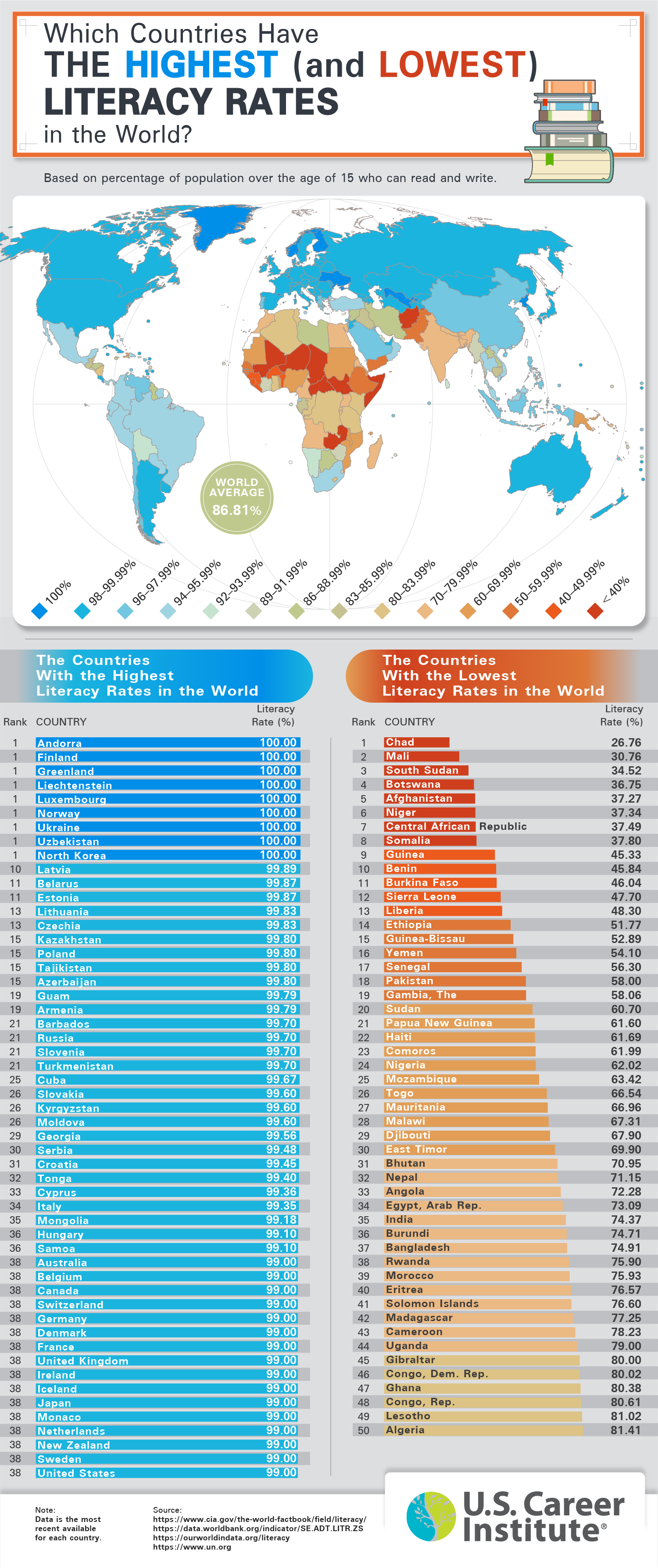
The concept of literacy, in its broadest sense, encompasses the ability to read, write, and understand information. In the context of a modern, technologically advanced nation like Japan, this definition extends far beyond basic comprehension. It implicitly includes digital literacy – the capacity to navigate, evaluate, and create information using digital technologies. Japan’s success in the global tech landscape is intrinsically linked to its near-universal literacy and its proactive approach to cultivating digital fluency across its population.
The Pillars of High Literacy: Education and Societal Values
Japan’s consistently high literacy rates are a testament to its robust and equitable education system, coupled with deeply ingrained societal values that prioritize learning and intellectual development. From the early stages of compulsory education to the ongoing pursuit of knowledge throughout life, the nation has fostered an environment where literacy is not just a skill, but a fundamental expectation and a source of national pride. This pervasive emphasis on learning creates a fertile ground for technological adoption and innovation.
Compulsory Education and its Impact
The Japanese education system is characterized by its rigorous curriculum and its commitment to providing every child with a strong foundational education. Compulsory education, which spans nine years from elementary school to junior high school, ensures that all students acquire essential reading, writing, and arithmetic skills. The national curriculum is carefully designed to be comprehensive and standardized, guaranteeing a baseline level of knowledge and cognitive ability across the country. This uniformity is crucial, as it means that graduates entering the workforce or higher education possess a common understanding and a shared capacity for learning new, complex information, including technical subjects.
The Role of a Literate Workforce in Technological Adoption
A highly literate population is essential for the rapid adoption and effective utilization of new technologies. In Japan, this translates directly into a workforce that can readily understand technical manuals, adapt to new software, and contribute to the development and implementation of cutting-edge innovations. Companies in Japan are able to introduce sophisticated machinery and complex digital systems with greater ease because their employees possess the foundational literacy skills required to comprehend instructions, engage in problem-solving, and communicate technical ideas effectively. This reduces the learning curve associated with technological integration, allowing businesses to remain agile and competitive in the global marketplace.
Lifelong Learning and Skill Development
Beyond the compulsory years, Japan fosters a culture of lifelong learning. This is evident in the continued emphasis on professional development, adult education programs, and the accessibility of further training opportunities. This commitment to continuous learning ensures that the workforce remains adaptable and capable of acquiring new skills throughout their careers, a vital attribute in the rapidly evolving technological landscape. As new industries emerge and existing ones are disrupted by technological advancements, the Japanese workforce, armed with a strong educational foundation and a predisposition for learning, is well-equipped to pivot and thrive.
Digital Literacy: The Modern Extension of Traditional Skills
In the 21st century, traditional literacy is intrinsically interwoven with digital literacy. For a nation to excel in technology, its citizens must not only be able to read and write but also to effectively use and understand digital tools and information. Japan has recognized this and has made significant strides in integrating digital literacy into its educational framework and societal expectations.
Integrating Technology into Education
Japanese schools have increasingly incorporated technology into their curricula. From early computer classes to the use of digital learning platforms and interactive whiteboards, students are exposed to various digital tools from a young age. This early exposure cultivates comfort and proficiency with technology, laying the groundwork for more advanced digital skills required in STEM fields and beyond. The emphasis is not just on using technology, but on understanding its underlying principles and applications, which is critical for innovation.
The Importance of Information Evaluation in the Digital Age
With the proliferation of information online, the ability to critically evaluate digital content is paramount. Japan’s emphasis on analytical thinking and problem-solving within its education system naturally lends itself to developing these critical digital evaluation skills. Citizens are encouraged to discern reliable sources from misinformation, a crucial ability for navigating the complex digital information ecosystem and for making informed decisions in both personal and professional capacities, especially when dealing with technical specifications and research.
Government Initiatives and Public Access to Technology
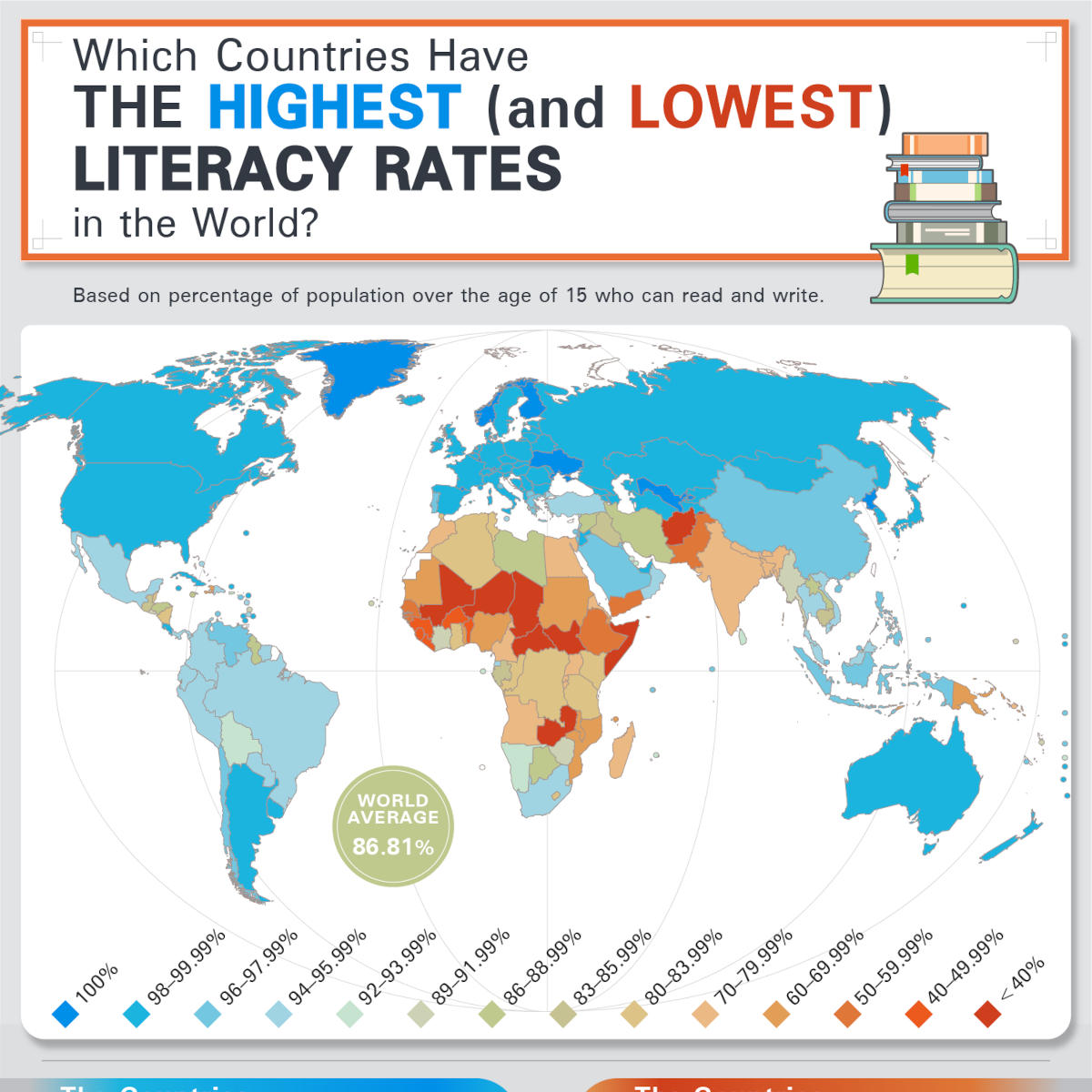
The Japanese government has also played a role in promoting digital literacy through various initiatives, aiming to bridge the digital divide and ensure widespread access to technology. Investments in broadband infrastructure, public computer facilities, and digital skills training programs contribute to a digitally fluent population. This proactive approach ensures that even those who might not be directly employed in the tech sector can still participate in and benefit from the digital economy, further reinforcing the nation’s technological momentum.
The Economic and Innovation Landscape Fueled by Literacy
The high literacy rate in Japan directly translates into tangible economic benefits and a vibrant innovation ecosystem. A well-educated populace is more productive, more adaptable, and more likely to contribute to groundbreaking research and development, all of which are critical for sustaining a competitive edge in the global technology market.
A Skilled and Adaptable Workforce
The economic productivity of a nation is heavily reliant on the skills and adaptability of its workforce. Japan’s near-universal literacy ensures a large pool of individuals capable of understanding complex technical instructions, operating advanced machinery, and contributing to sophisticated research and development projects. This reduces training costs for businesses and accelerates the pace of innovation. When new technologies emerge, such as advancements in artificial intelligence or quantum computing, a literate workforce can readily grasp the underlying concepts and apply them to their respective fields, driving economic growth.
Fostering a Culture of Research and Development
Innovation is the lifeblood of the technology sector, and it thrives in environments where critical thinking, problem-solving, and a deep understanding of scientific and technical principles are valued. Japan’s strong educational foundation, which cultivates these very skills, directly fuels its world-class research and development capabilities. Universities and private research institutions benefit from a steady stream of highly qualified graduates eager to engage in cutting-edge exploration. This ensures a continuous pipeline of new ideas and technological breakthroughs that solidify Japan’s position as a global leader.
Attracting Global Talent and Investment
A nation known for its high literacy and technological prowess is naturally attractive to both global talent and investment. Companies seeking to establish or expand their technological operations are drawn to countries where they can find skilled workers and a supportive ecosystem for innovation. Japan’s reputation for a well-educated populace, coupled with its advanced technological infrastructure, makes it a prime destination for international collaboration and investment, further propelling its technological advancements and economic prosperity. The ease with which diverse teams can communicate and collaborate due to shared language proficiency and a common educational background is a significant advantage.
Challenges and Future Directions in Maintaining Digital Fluency
While Japan boasts impressive literacy rates, the ever-evolving nature of technology presents ongoing challenges and necessitates a continuous focus on adapting and enhancing digital fluency. The landscape of technological advancement is not static, and to maintain its leadership, Japan must proactively address future needs and potential disparities.
The Evolving Definition of Literacy
The traditional definition of literacy is continuously being redefined by technological advancements. As artificial intelligence, virtual reality, and other sophisticated technologies become more integrated into daily life and work, the skills required to not just use but also to understand and critically engage with these tools will become increasingly important. This necessitates a forward-thinking approach to education that anticipates future technological needs.
Addressing the Digital Divide for Specific Demographics
Despite overall high literacy, there remain concerns about potential digital divides within specific demographics, such as the elderly or those in rural areas. Ensuring that all segments of the population can access and benefit from technological advancements is crucial for inclusive societal progress and for maximizing the nation’s collective potential. Targeted programs and accessible training are vital to bridge these gaps.
Cultivating Advanced Digital Skills for Future Technologies
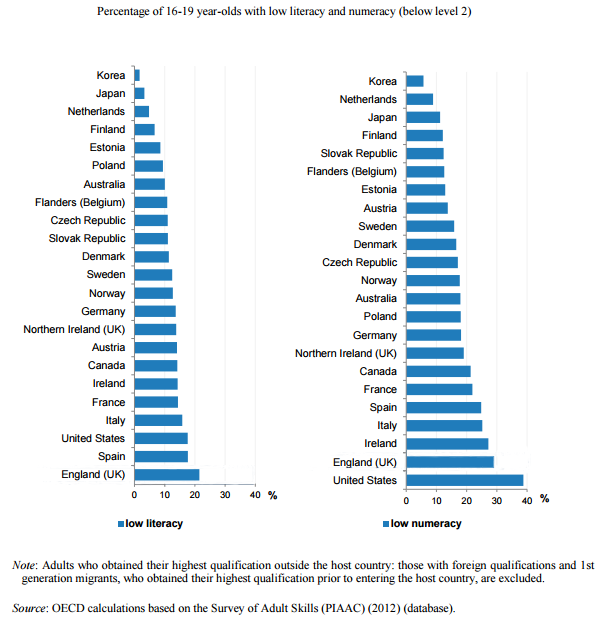
To remain at the cutting edge of technological innovation, Japan must continue to cultivate advanced digital skills, particularly in areas like AI development, data science, cybersecurity, and advanced software engineering. This involves not only strengthening foundational digital literacy but also fostering specialized education and research in emerging fields. The ability to not just consume but to create and innovate with complex digital technologies will be paramount for future success. This requires an educational system that encourages experimentation, critical thinking, and a deep understanding of computational principles.
In conclusion, Japan’s exceptionally high literacy rate is far more than a statistical achievement; it is a foundational element that underpins its remarkable technological prowess. From the rigorous compulsory education system to the ingrained culture of lifelong learning and the increasing emphasis on digital literacy, the nation has consistently invested in its human capital. This investment has yielded a skilled, adaptable workforce, a thriving research and development ecosystem, and a compelling environment for global collaboration. As technology continues its relentless march forward, Japan’s commitment to nurturing literacy in all its forms will undoubtedly remain its most potent asset, ensuring its continued leadership in the global technological arena.
aViewFromTheCave is a participant in the Amazon Services LLC Associates Program, an affiliate advertising program designed to provide a means for sites to earn advertising fees by advertising and linking to Amazon.com. Amazon, the Amazon logo, AmazonSupply, and the AmazonSupply logo are trademarks of Amazon.com, Inc. or its affiliates. As an Amazon Associate we earn affiliate commissions from qualifying purchases.