
In the landscape of modern hardware and mechanical engineering, few handheld gadgets have seen as much rapid technological evolution as the impact driver. Often confused with the traditional power drill by the uninitiated, the impact driver represents a specialized branch of tool technology designed for one specific, high-performance task: driving fasteners with extreme efficiency. While a standard drill-driver is a jack-of-all-trades, the impact driver is a precision instrument engineered to manage high-torque demands that would stall or damage lesser equipment.
As we move further into an era where brushless motors, lithium-ion battery density, and smart connectivity define our hardware, understanding the “what” and “how” of the impact driver is essential for anyone interested in the intersection of mechanical design and digital power management.
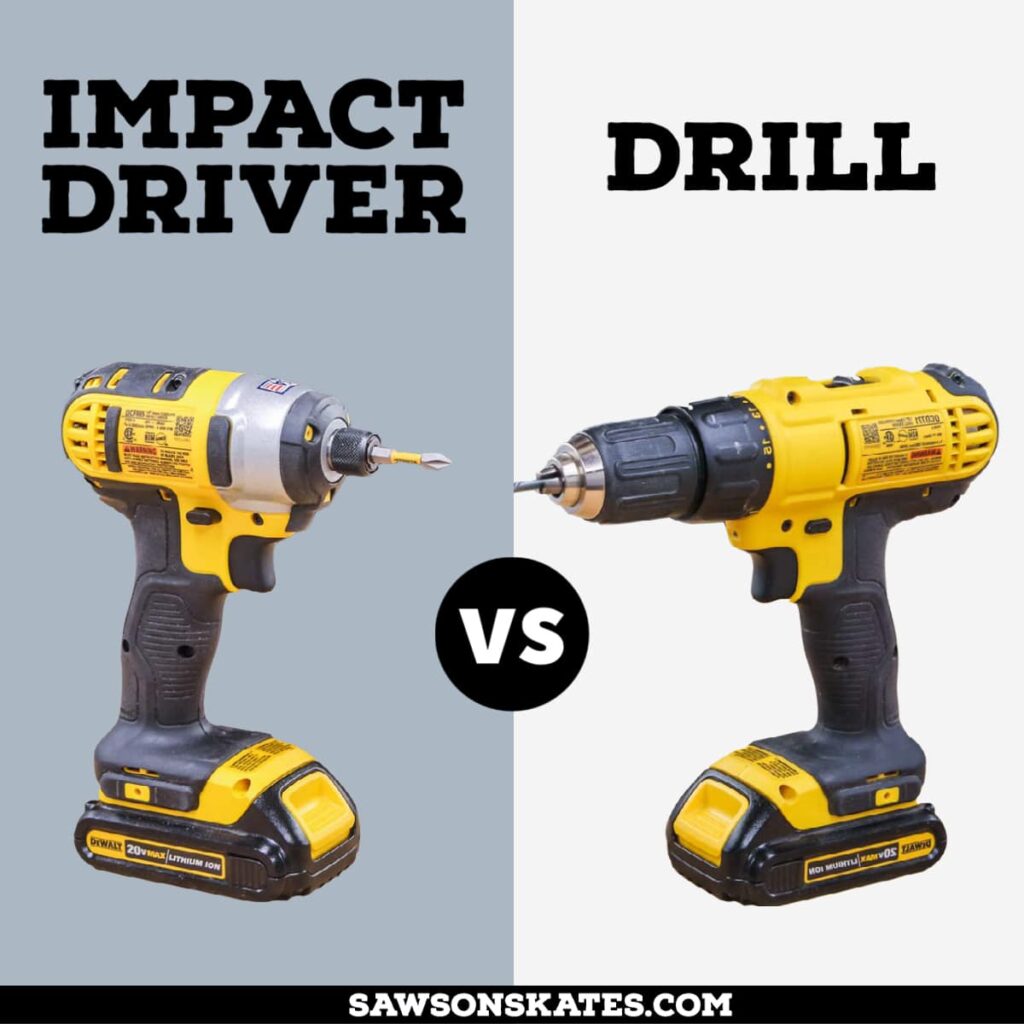
Understanding the Internal Engineering: How Impact Drivers Differ from Standard Drills
To understand an impact driver, one must look past the exterior casing and into the physics of its operation. At its core, an impact driver is a high-torque tool used primarily for driving screws and tightening nuts. Unlike a standard drill, which applies constant rotational force (torque), the impact driver utilizes a sophisticated internal mechanism that combines rotation with rapid, concussive bursts.
The Hammer and Anvil Mechanism
The defining characteristic of an impact driver’s technology is the “hammer and anvil” assembly. Inside the gear housing sits a heavy spring, a compression weight (the hammer), and the output shaft (the anvil). As the motor spins, the hammer is rotated. When the resistance of the screw increases—such as when a long fastener enters dense hardwood or metal—the internal spring compresses and then releases, causing the hammer to strike the anvil with immense rotational force.
This happens thousands of times per minute (measured as Impacts Per Minute or IPM). This mechanical “pulsing” allows the tool to exert far more torque than a traditional drill motor could generate through simple continuous rotation.
Rotational Force vs. Downward Pressure
One of the most significant technical advantages of this design is the reduction of “cam-out.” In a standard drill, the user must apply significant downward pressure to keep the bit seated in the screw head. If the resistance exceeds the friction between the bit and the screw, the bit slips out, often stripping the fastener.
The impact driver’s technology mitigates this through its rotational striking action. Because the torque is delivered in short, violent bursts, the bit stays seated more effectively. This translates to less user fatigue and a much lower failure rate for the hardware being installed.
The Tech Revolution: Brushless Motors and Electronic Control Units
The shift from DIY hobbyist tools to professional-grade tech gadgets has been driven largely by the transition from brushed to brushless motor technology. This shift is particularly evident in the high-performance impact driver market.
Efficiency and Longevity of Brushless Systems
Traditional motors use carbon brushes to conduct electricity to the spinning armature. This creates friction, heat, and physical wear. Modern impact drivers utilize “brushless” technology, where a small electronic circuit board (an Electronic Control Unit or ECU) manages a magnetic field to spin the motor.
The tech-driven benefit here is two-fold: efficiency and intelligence. Without friction from brushes, the tool runs cooler and converts more energy from the battery into actual work. Furthermore, the ECU can sense the resistance the tool is meeting. If the tool detects that the fastener is fully seated, the software can automatically throttle down the power to prevent over-driving or snapping the screw head—a level of precision that mechanical tools of the past simply could not achieve.
Smart Tools and Digital Performance Tuning
We are currently witnessing the “Internet of Tools” (IoTs) era. High-end impact drivers from manufacturers like Milwaukee (One-Key) and DeWalt (Tool Connect) now feature integrated Bluetooth chips. These allow users to connect their impact driver to a smartphone app to customize performance profiles.
Through a digital interface, a technician can set specific torque limits, adjust the speed of the “soft start,” and even track the tool’s location via GPS. This integration of software into a traditionally mechanical device represents the pinnacle of modern fastening technology, allowing for repeatable, data-driven results in industrial environments.
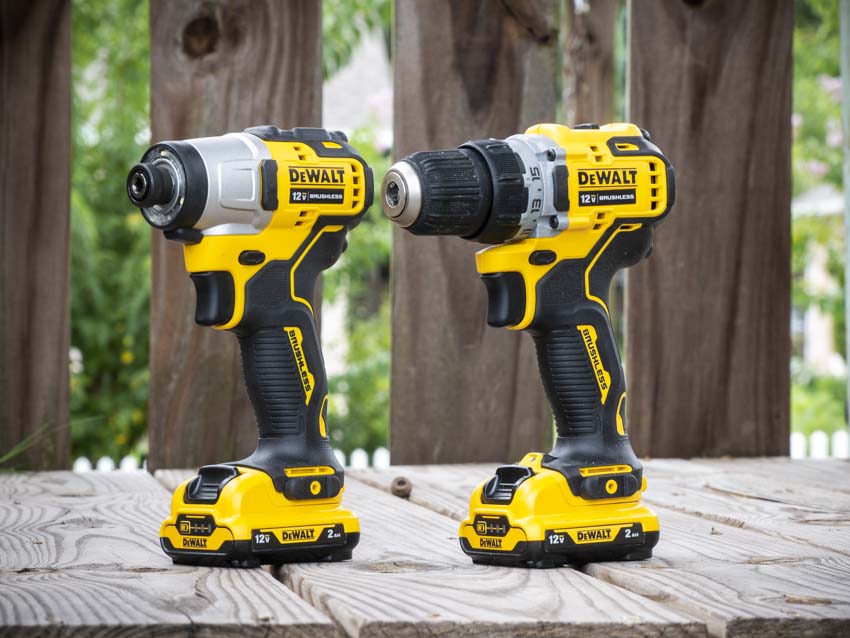
Power Delivery and Battery Innovations in Modern Fastening Tools
The utility of an impact driver is strictly limited by its power source. The evolution of the impact driver has run parallel to the massive leaps in battery chemistry, specifically the refinement of Lithium-Ion (Li-Ion) technology.
Lithium-Ion Evolution and High-Density Cells
In the early days of cordless tech, Nickel-Cadmium (NiCad) batteries were the standard. They were heavy, suffered from “memory effect,” and lacked the discharge rate required for high-torque applications. The move to Lithium-Ion changed the landscape.
Modern 18V and 20V “Max” battery packs use high-density 18650 or 21700 cells that can discharge large amounts of current almost instantaneously. This “burst” capability is critical for impact drivers, which require sudden surges of power to fuel the hammer-and-anvil mechanism during heavy resistance.
Thermal Management and Protection Circuits
The tech inside the battery pack is often as complex as the tool itself. Modern batteries contain dedicated microprocessors that communicate with the impact driver’s ECU. This communication prevents the tool from drawing too much current, which could lead to thermal runaway or permanent cell damage.
Advanced heat-sink designs and cell-spacing technologies ensure that even during heavy-duty structural work, the tool maintains a safe operating temperature. This synergy between the battery’s software and the motor’s hardware is what allows a modern impact driver to produce over 2,000 inch-pounds of torque from a device that fits in the palm of a hand.
Identifying the Ideal Ecosystem: Specs and Feature Sets
When evaluating an impact driver as a piece of technology, several key specifications define its performance and place within a professional’s ecosystem.
The Hex Drive Standard and Accessory Compatibility
Unlike a drill, which uses a three-jaw chuck to grip round or hexagonal bits, the impact driver features a 1/4-inch hex “quick-change” collet. This design is built for speed and security. However, it requires “impact-rated” accessories.
Standard steel bits will often shatter under the high-frequency concussive force of an impact driver. To solve this, engineering firms have developed “torsion zones” in bits—slender mid-sections that allow the bit to flex and absorb the energy of the impact, further demonstrating the specialized material science required to support this tool technology.
Ergonomics and Weight-to-Power Ratios
In the tech world, miniaturization is usually the goal. The same applies to impact drivers. The “sub-compact” class of drivers uses high-efficiency motors to deliver incredible power in a frame that can weigh less than two pounds.
Ergonomic considerations, such as glass-filled nylon housings and over-molded rubber grips, are designed using CAD (Computer-Aided Design) to reduce the transfer of vibration to the user’s hand. This focus on “Human-Machine Interface” (HMI) ensures that while the tool is delivering thousands of violent impacts per minute, the operator experiences a smooth, controlled flow of power.
The Future of Fastening Technology
The impact driver is a testament to how traditional mechanical tasks can be revolutionized by modern technology. From the physics of its hammer-and-anvil mechanism to the sophisticated ECU and battery management systems, it is a tool that embodies the current state of industrial hardware.
As we look forward, the integration of Artificial Intelligence (AI) to predict material density and automatically adjust torque in real-time is the next frontier. We are also seeing a move toward higher voltage platforms (such as 40V and 60V systems) that challenge the dominance of pneumatic and corded tools in heavy construction.
Ultimately, an impact driver is more than just a “drill.” It is a high-torque, software-managed, cordless power solution that has redefined the efficiency of modern assembly and construction. Whether you are a tech enthusiast or a professional engineer, the impact driver stands as a prime example of how specialized hardware continues to push the boundaries of what is possible in the palm of our hands.
aViewFromTheCave is a participant in the Amazon Services LLC Associates Program, an affiliate advertising program designed to provide a means for sites to earn advertising fees by advertising and linking to Amazon.com. Amazon, the Amazon logo, AmazonSupply, and the AmazonSupply logo are trademarks of Amazon.com, Inc. or its affiliates. As an Amazon Associate we earn affiliate commissions from qualifying purchases.