
In the rapidly evolving landscape of digital marketing and search engine optimization, few terms are as frequently misunderstood or as fundamentally important as “the links.” At its core, a link—or hyperlink—is the connective tissue of the internet. It is the mechanism that allows users to navigate from one digital destination to another. However, in the context of professional digital strategy, “the links” refers to the complex architecture of inbound and outbound connections that dictate how search engines perceive the authority, relevance, and credibility of a website. Understanding this ecosystem is not merely a technical necessity; it is a critical component of any comprehensive brand strategy.
The Anatomy of Digital Connectivity
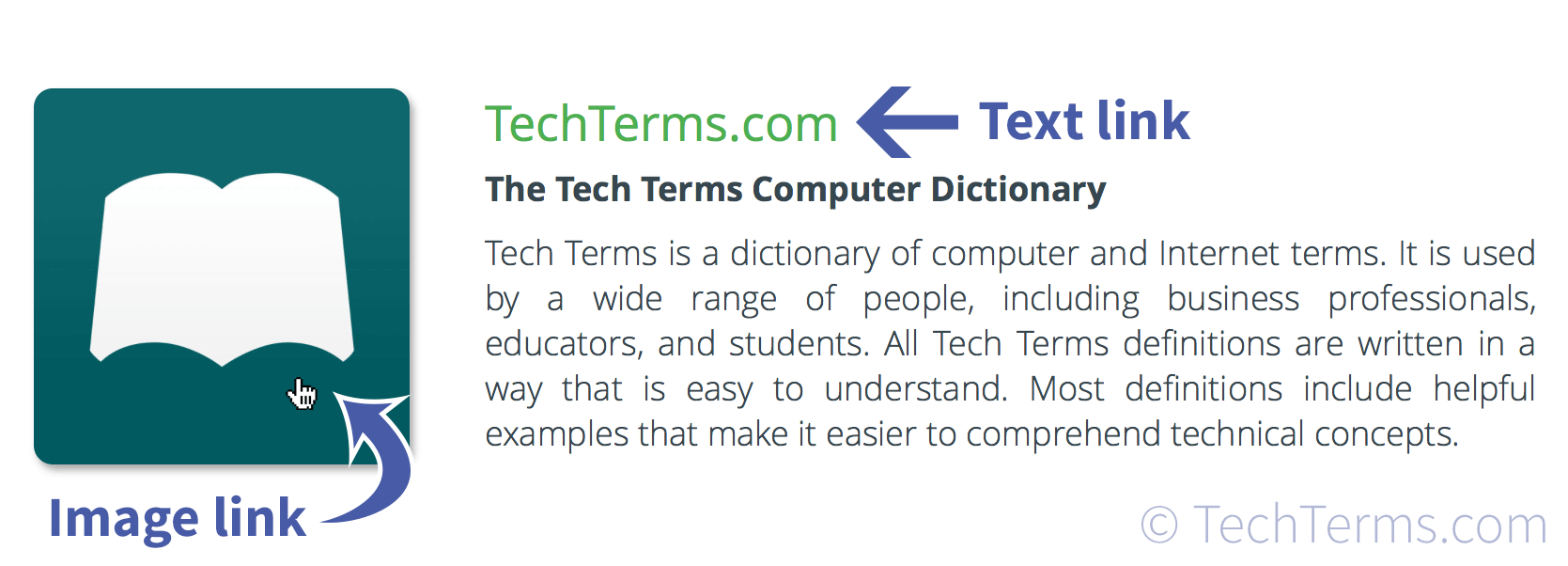
To understand links, one must first recognize their structure. A hyperlink is a reference to data that the reader can directly follow by clicking or tapping. Technically, it is composed of an anchor tag, a destination URL, and anchor text. While this seems straightforward, the strategic application of these components serves as the primary language by which search engines crawl the web.
Inbound vs. Outbound Links
Inbound links, often referred to as backlinks, are links from external domains that point to your website. These function as “votes of confidence” in the eyes of search algorithms. If a high-authority publication links to your content, they are essentially endorsing your information as credible. Conversely, outbound links are the connections you provide from your site to other external domains. While some creators fear that outbound links drain “link equity,” a well-curated outbound strategy signals to search engines that your content is well-researched, providing context and valuable resources for your audience.
The Role of Internal Linking
Internal links connect one page of your website to another page on the same domain. These are arguably the most overlooked tools in a brand’s digital arsenal. By strategically linking your pages, you help search engines map your site’s hierarchy. This architecture directs “crawl budget” to your most important pages, ensuring that your core service offerings or high-value articles receive the visibility they deserve. Moreover, internal linking reduces bounce rates by keeping users engaged with related content, effectively guiding them through the sales funnel.
The Strategic Value of Link Authority
In the realm of brand positioning, “the links” act as a proxy for reputation. Search engine algorithms, particularly those used by Google, rely heavily on link analysis to determine rankings. This is based on the premise that if many high-quality, reputable websites link to a specific domain, that domain must offer significant value.
Quality Over Quantity
In the early days of the internet, SEO was a numbers game. Strategy was often centered around acquiring as many backlinks as possible, regardless of the source. Today, this approach is not only ineffective but potentially detrimental to your brand. Modern algorithms evaluate the “trust” associated with the linking domain. A single link from a prestigious, industry-leading publication carries exponentially more weight than hundreds of links from low-quality, irrelevant, or spam-filled websites. Brands that prioritize high-quality outreach demonstrate a commitment to excellence that aligns with their corporate identity.
Niche Relevance and Topical Authority
Beyond mere authority, search engines look for topical relevance. If your brand operates within the financial technology sector, a link from a reputable tech journal is significantly more valuable than a link from an unrelated lifestyle blog. Developing a robust link profile means fostering connections within your specific industry ecosystem. This builds what is known as “topical authority,” signaling to search engines that your brand is a definitive voice within your niche.
Navigating the Technical Landscape of Link Equity
For those focused on the intersection of technology and marketing, the management of “the links” involves a constant balance between organic growth and technical maintenance. Link equity—often referred to as “link juice”—is the value passed from one page to another. Managing this flow is essential for ensuring your most impactful content ranks effectively.
The “NoFollow” vs. “DoFollow” Distinction
A crucial aspect of technical link management is understanding the “NoFollow” attribute. When a link is tagged as “NoFollow,” it tells search engines not to pass authority to the destination page. This is standard practice for paid advertisements, user-generated content, or comments sections where the brand cannot vouch for the destination’s quality. Conversely, “DoFollow” links pass equity. Balancing these attributes is necessary for maintaining a natural, high-quality link profile that does not trigger algorithmic penalties.
Auditing and Cleanup
An essential part of any brand’s digital health check is the link audit. Over time, websites may accumulate “toxic” links—connections from malicious or low-quality sites that can negatively impact search rankings. Using professional auditing tools, brands must periodically identify these harmful links and take steps to disavow them. This proactive maintenance ensures that the brand’s digital reputation remains untarnished by the low-quality corners of the web.
Linking as a Foundation for Brand Growth
Ultimately, the study of “the links” is a study of digital relationships. Just as a company relies on networking and partnerships in the physical world to grow its influence, a brand relies on its digital network to establish its presence in the virtual marketplace.
Building Relationships, Not Just Links
The most successful brands view link building not as a technical task, but as a public relations endeavor. True authority is earned through the creation of shareable, high-value content that naturally attracts interest. When a brand focuses on primary research, insightful white papers, or original case studies, they become a resource that others naturally want to cite. This creates a virtuous cycle where high-quality content leads to high-quality links, which in turn leads to higher visibility and greater brand awareness.

The Long-Term ROI of Link Strategy
Building a strong, diverse, and natural link profile is a long-term investment. Unlike paid advertising, which ceases to provide value the moment the budget is cut, the links you build today will continue to provide value for years to come. This is the cornerstone of a sustainable digital marketing strategy. By focusing on quality, relevance, and the user experience, brands can leverage the infrastructure of the web to build a lasting digital footprint that outlasts fleeting market trends.
In conclusion, “the links” are far more than mere pathways between pages. They are the currency of the digital age, representing trust, expertise, and authority. For any organization aiming to thrive in the modern market, a deep understanding and sophisticated management of these connections are non-negotiable. Whether you are improving your internal architecture to enhance user navigation or curating a professional backlink profile to boost search visibility, every link serves as a brick in the foundation of your brand’s long-term digital success. By viewing links as a reflection of your brand’s commitment to quality and community, you can transform your digital strategy from a series of technical tasks into a powerful engine for growth.
aViewFromTheCave is a participant in the Amazon Services LLC Associates Program, an affiliate advertising program designed to provide a means for sites to earn advertising fees by advertising and linking to Amazon.com. Amazon, the Amazon logo, AmazonSupply, and the AmazonSupply logo are trademarks of Amazon.com, Inc. or its affiliates. As an Amazon Associate we earn affiliate commissions from qualifying purchases.