
The Science of Naming: Establishing Brand Authority
In the world of botany, the rose is known by its genus, Rosa. This Latin designation is not merely an academic exercise; it is the cornerstone of taxonomic identity. In the sphere of brand strategy, the lesson is clear: your name is your primary asset. Just as the scientific community relies on the precise, immutable classification of Rosa to avoid confusion across languages and cultures, a corporation must establish a name that acts as the bedrock of its brand identity.

When a brand chooses a name, it is embarking on a process of nomenclature that mirrors botanical classification. The Latin name for the rose provides a universal standard that transcends the colloquialisms of “rose,” “rosa,” or “roos.” For a brand, this represents the transition from a generic service provider to an industry authority. Authority is built when a brand name communicates its purpose, quality, and legacy with the same level of permanence and recognition as the scientific classification of the natural world.
The Power of Linguistic Permanence
The Latin name Rosa has survived centuries of linguistic evolution. Similarly, successful brand identities are designed to withstand the volatile cycles of market trends. When a company selects a name, it must evaluate how that moniker will hold up in five, ten, or fifty years. A name that relies on a fleeting digital trend—much like a common slang term—often lacks the “Latin” quality of endurance. Businesses that prioritize timelessness in their branding strategy—think of heritage brands like Rolex, Ford, or IBM—possess a degree of brand equity that is immune to the transient nature of passing consumer fads.
Taxonomy and Market Positioning
Just as Rosa belongs to the family Rosaceae, every brand exists within a competitive ecosystem. Understanding your “genus”—the category in which you operate—is essential for market positioning. If your brand is a rose in a garden of daisies, your identity must reflect that specific, specialized value. Branding strategy is the art of defining this distinction. By clearly identifying what a brand is and, more importantly, what it is not, leaders can cultivate a loyal following that understands the unique biological, or in this case, commercial, properties of their offering.
The Aesthetic of Identity: Visualizing the Rosa
In the botanical world, the name Rosa triggers an immediate sensory experience: the visual of petals, the scent of the flower, and the presence of thorns. This is the goal of a robust corporate identity. A brand’s visual identity—its logo, color palette, and typography—must be an extension of its name, effectively translating the “Latin name” (the core value) into a visual language that the consumer can recognize instantly.
Translating Values into Visual Cues
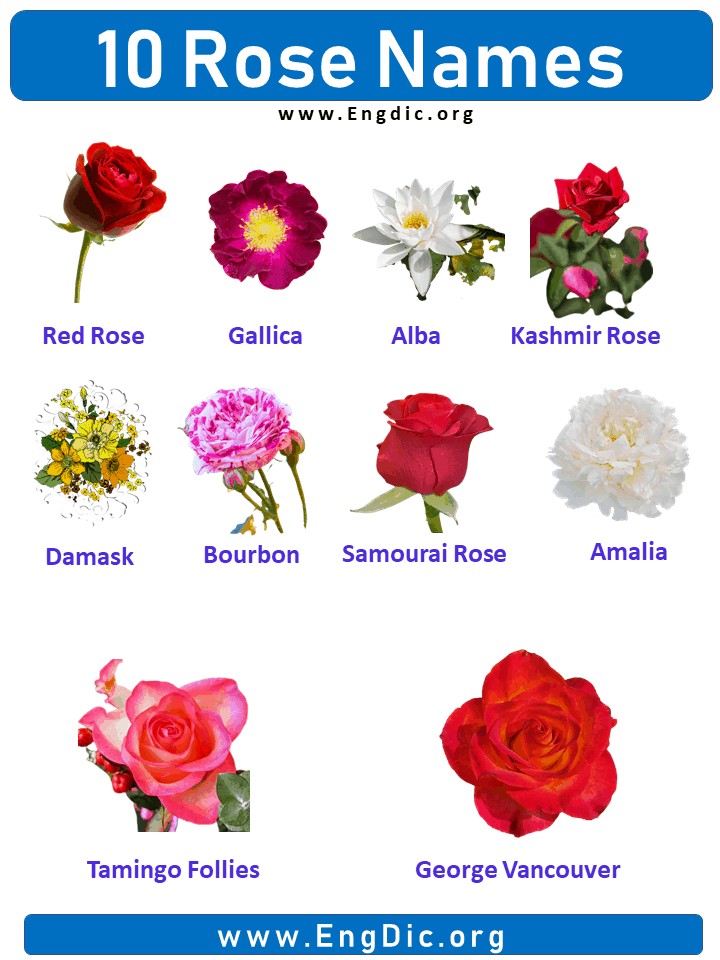
A rose is identified by its symmetry and its vibrant hues. A brand must utilize similar sensory triggers to ensure its name is memorable. Consider the color red, which is synonymous with both the rose and high-energy marketing campaigns. When a company establishes its visual brand, it is essentially creating a semiotic system. This system allows the consumer to “read” the brand before a single word of marketing copy is consumed. Consistency in this visual identity across all platforms is the modern equivalent of ensuring that every scientist, regardless of location, knows exactly what the Rosa represents.
The Role of Minimalism in Branding
The name Rosa is remarkably simple. It is four letters, two syllables, and highly evocative. In an era of content saturation, minimalism remains the most effective tool in a brand strategist’s arsenal. Complicated names often fail because they lack the “sticky” factor of a concise, Latin-rooted identifier. When refining a brand identity, the objective should always be toward simplification. Can the core of your brand be expressed as clearly and as elegantly as the scientific name for a flower? If the answer is no, the branding strategy is likely carrying too much cognitive load, which inevitably reduces consumer retention.
Building Equity through Consistency
The reason Rosa is understood universally is due to the rigor of scientific documentation and consistent application. A brand that changes its voice, its mission, or its visual identity too frequently undermines its own equity. In branding, consistency is the mechanism by which trust is generated. A consumer who encounters your brand in a digital advertisement should have the exact same emotional and intellectual experience as when they visit your physical location or engage with your customer service team.
Cultivating the Brand Garden
Think of brand equity as the soil in which the rose grows. If the soil is nutrient-poor—meaning the brand’s messaging is inconsistent or its values are unclear—the plant will struggle to thrive, regardless of how beautiful the flower might be. Brand strategy requires constant cultivation. This involves auditing customer feedback, analyzing market trends, and ensuring that every internal stakeholder understands the “Latin name” (the core mission) of the business.
Developing a Legacy Strategy
A brand that treats its identity as a legacy project rather than a short-term income stream is one that focuses on long-term equity. In the financial sector, this is akin to compounding interest. Every touchpoint that aligns with the established brand identity adds value to the company’s reputation. Over time, this consistency creates a competitive moat. Competitors may be able to replicate your products or services, but they cannot replicate the specific brand identity—the Rosa—that you have spent years cultivating in the minds of your audience.
The Evolution of Brand Nomenclature
While the Latin name for a rose is static, a brand’s presence in the market must evolve to remain relevant. This does not mean abandoning the name; rather, it means expanding the brand’s reach and adapting its narrative to suit the changing needs of the target demographic. As technology progresses, brands must find new ways to express their core identity through emerging digital channels without diluting their fundamental “DNA.”
Navigating Digital Transformation
In the digital age, a brand’s name must be optimized for search, social media, and AI-driven discovery. If Rosa were a startup today, it would need to own its digital real estate. This includes domain names, social media handles, and a strong SEO profile that ensures its name appears at the top of query results. The nomenclature remains the same, but the delivery mechanism has shifted. A successful brand today masters the intersection of traditional identity—the soul of the name—and digital utility.
Responding to Market Shifts
When the market changes, brands often face an existential crisis. Do they pivot, or do they stay the course? The answer often lies in the “Latin” identity. If the pivot aligns with the core principles defined during the inception of the brand, it is a strategic evolution. If the pivot is reactive and lacks coherence with the brand’s established identity, it is a risk. By keeping the core mission, or the “name,” at the forefront of every strategic decision, leadership can navigate disruption with confidence.
The Future of Brand Strategy
As we look toward the future, the principles of clear, concise, and consistent naming will only increase in importance. We are entering an era of automated branding where AI models generate names and logos at scale. The brands that win will be those that possess a clear, human-centric identity that transcends the automated fluff. Just as the rose has maintained its significance in our culture for millennia, the brands that thrive will be those that have defined themselves so clearly and so uniquely that they become an indelible part of the landscape. Your brand is your name; make sure it is something that can stand the test of time, just like the Rosa.
aViewFromTheCave is a participant in the Amazon Services LLC Associates Program, an affiliate advertising program designed to provide a means for sites to earn advertising fees by advertising and linking to Amazon.com. Amazon, the Amazon logo, AmazonSupply, and the AmazonSupply logo are trademarks of Amazon.com, Inc. or its affiliates. As an Amazon Associate we earn affiliate commissions from qualifying purchases.